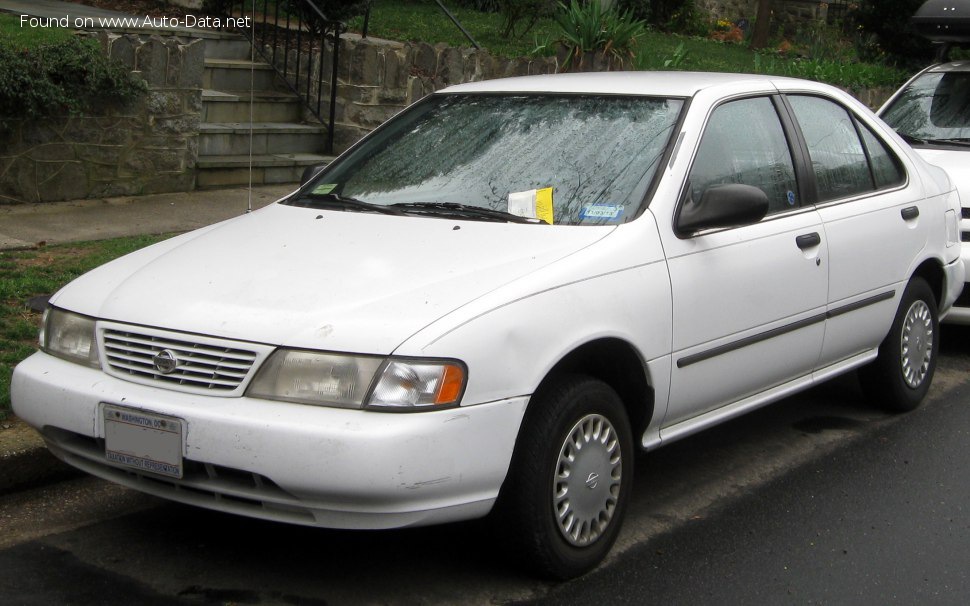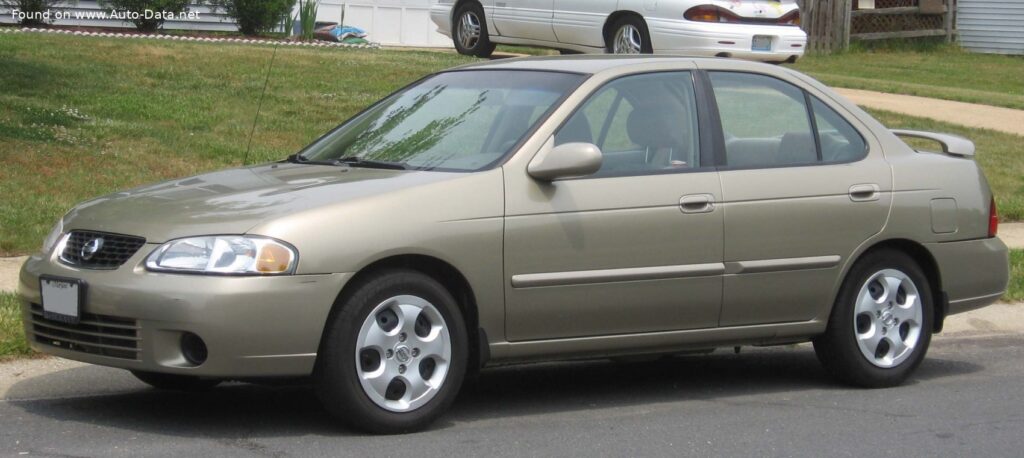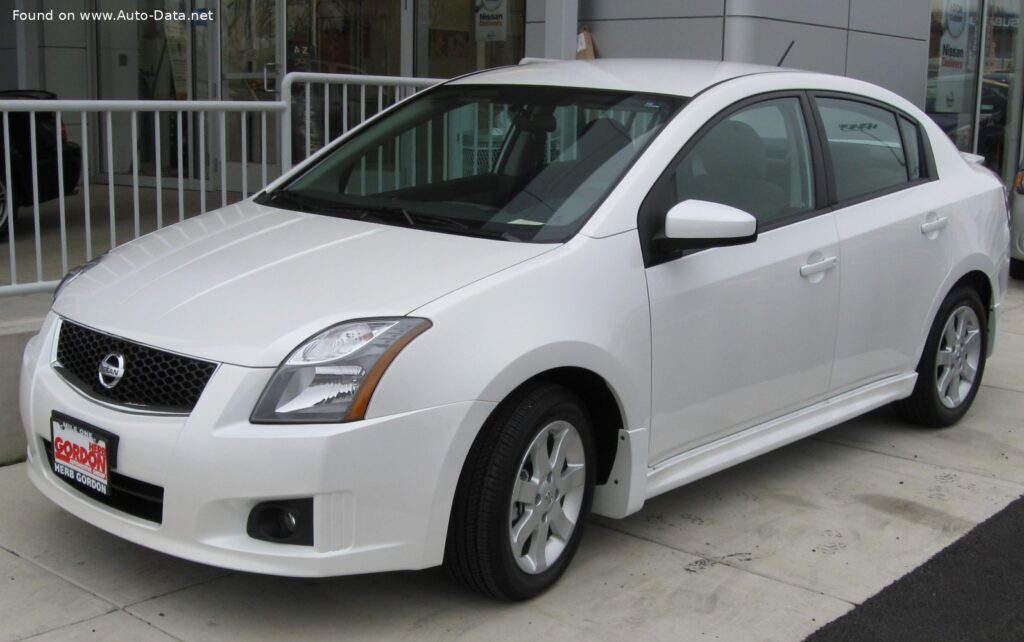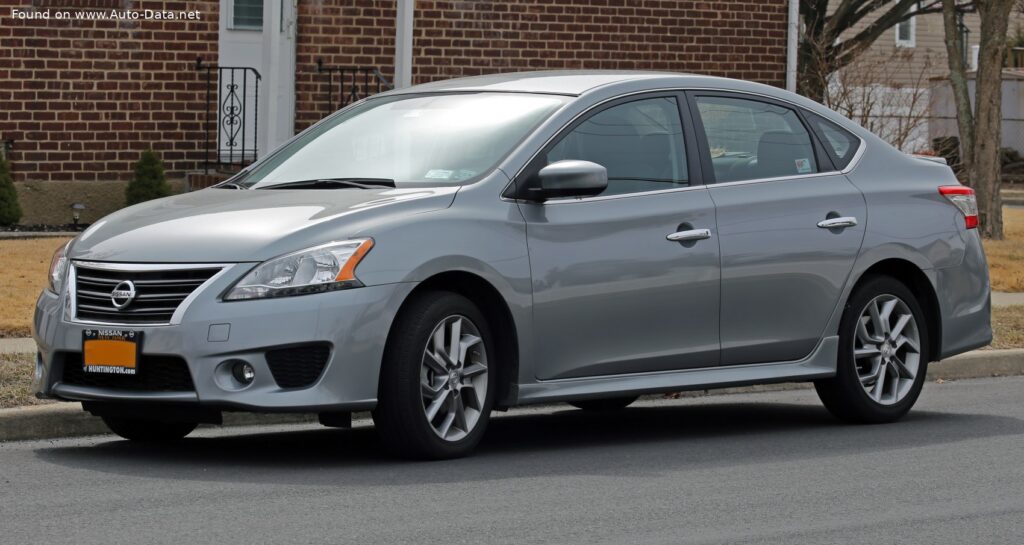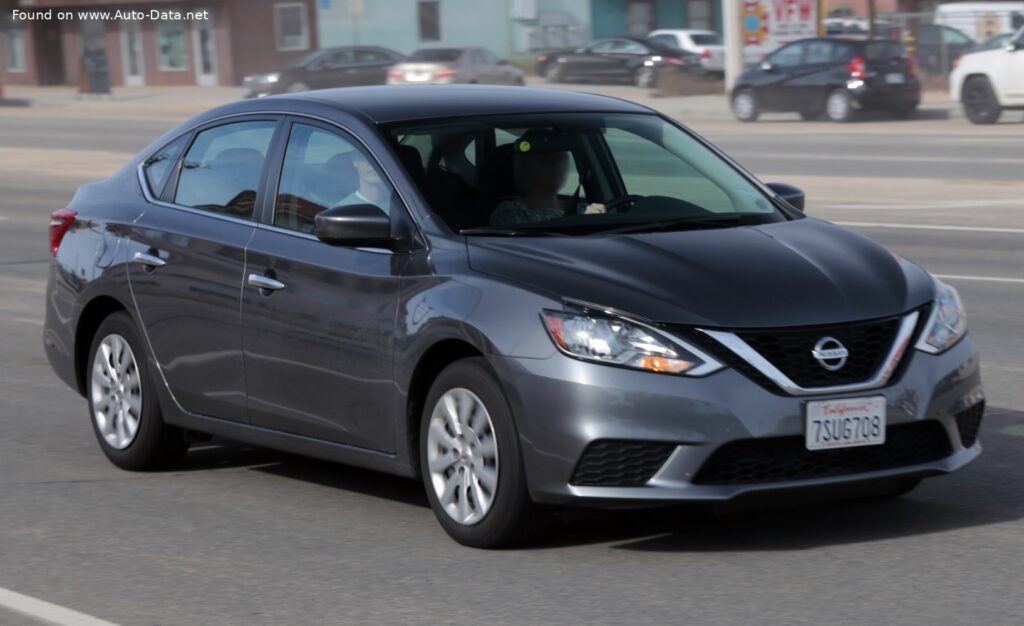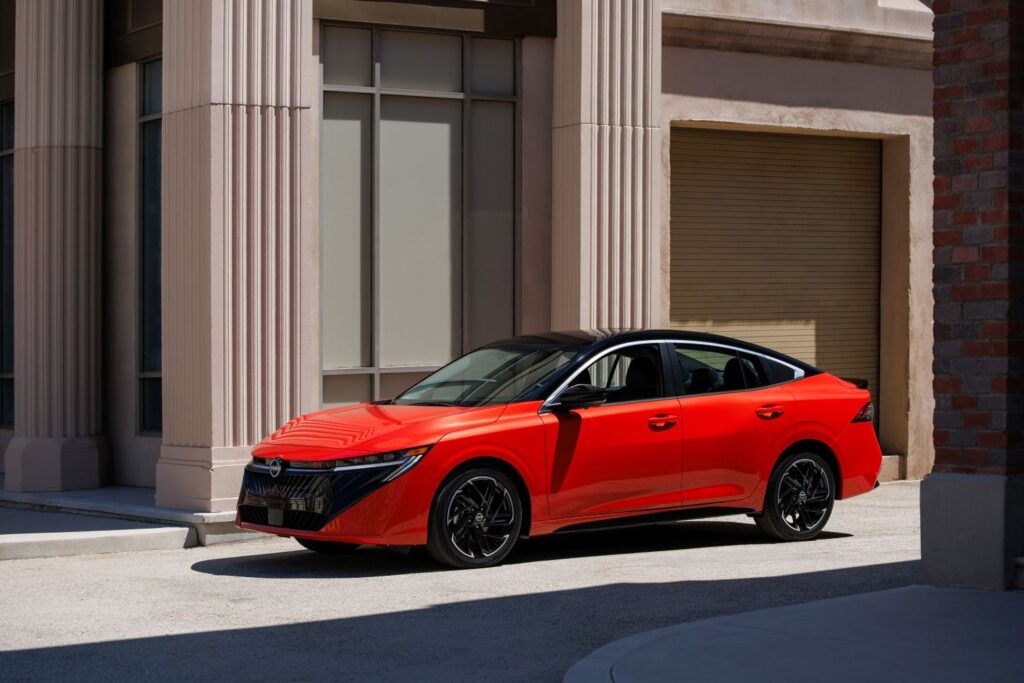
The Nissan Sentra IX (B19), launched in September 2025, represented a significant evolution of Nissan’s compact sedan. The 2.0-liter (149 hp) Xtronic variant occupied a central position within the B19 lineup, offering a balance between performance, fuel efficiency, and affordability. It served as a step up from the base engine options while remaining more accessible than the potentially more expensive or sport-oriented trims. This model was built on the Nissan Sylphy platform (B19) and aimed to compete with established rivals like the Honda Civic, Toyota Corolla, and Mazda3.
Nissan Sentra IX (B19) 2.0 Xtronic: An Overview
The Sentra IX’s 2.0 Xtronic model was designed to appeal to a broad range of buyers seeking a comfortable, reliable, and reasonably efficient daily driver. It distinguished itself through its continuously variable transmission (CVT), marketed as “Xtronic,” and its larger displacement engine compared to lower-trim models. The B19 generation focused on improving interior space, ride quality, and fuel economy, and the 2.0 Xtronic aimed to deliver on these promises without sacrificing practicality.
Powertrain & Engine Architecture
At the heart of the 2.0 Xtronic was the MR20DD 2.0-liter inline-four cylinder engine. This engine featured direct fuel injection, a key technology for improving both power and fuel efficiency. The MR20DD produced 149 horsepower at 6000 rpm and 198 Nm (146.04 lb-ft) of torque at 4000 rpm. The engine utilized a double overhead camshaft (DOHC) valvetrain with Continuously Variable Valve Timing Control System (CVVTCS) to optimize engine breathing across the rev range. The 1997 cm³ (121.86 cu. in.) engine had a compression ratio of 10.6:1 and a maximum engine speed of 6600 rpm.
The “Xtronic” CVT was a crucial component of this variant. Unlike traditional automatic transmissions with fixed gear ratios, a CVT uses a belt and pulley system to provide a virtually infinite number of gear ratios within its operating range. This allows the engine to operate at its most efficient rpm for any given speed, contributing to improved fuel economy. The CVT was programmed for smooth acceleration and responsive performance, though it differed significantly in feel from a conventional automatic.
Driving Characteristics
The driving experience in the 2.0 Xtronic Sentra was characterized by smooth, linear acceleration. The CVT eliminated the noticeable gear shifts of a traditional automatic, resulting in a seamless power delivery. While the 149 hp engine wasn’t particularly sporty, it provided adequate power for everyday driving situations, including highway merging and passing maneuvers. The CVT’s programming prioritized fuel efficiency, meaning that aggressive acceleration required a more deliberate application of the throttle. Compared to a manual transmission equipped Sentra, the 2.0 Xtronic offered less driver engagement but greater convenience. Compared to potential future higher-output turbocharged versions, the 2.0 Xtronic prioritized refinement and fuel economy over outright performance.
Equipment & Trim Levels
The 2.0 Xtronic trim typically included a solid set of standard features. These generally included air conditioning, power windows and locks, a basic audio system with USB connectivity, and standard safety features like ABS (Anti-lock Braking System) and multiple airbags. Higher sub-trims within the 2.0 Xtronic range often added features like alloy wheels, a more advanced infotainment system with a touchscreen display, keyless entry, and a rearview camera. Interior upholstery was typically cloth, with options for upgraded materials on higher sub-trims. Optional extras could include a sunroof, premium audio system, and advanced driver-assistance systems.
Chassis & Braking
The Sentra IX (B19) utilized an independent McPherson strut suspension in the front and an independent multi-link suspension in the rear. This setup aimed to provide a comfortable ride while maintaining reasonable handling characteristics. Stabilizer bars were included both front and rear to reduce body roll during cornering. The braking system consisted of ventilated discs on all four wheels, with front discs measuring 279×23 mm and rear discs measuring 259×8 mm. The electric power steering provided light and responsive steering feel, making it easy to maneuver in urban environments.
Market Reception & Comparison
The 2.0 Xtronic Sentra was generally well-received by automotive critics as a practical and efficient compact sedan. Reviewers praised its comfortable ride, spacious interior, and fuel economy. However, some criticized the CVT for its lack of sporty feel and the engine for being somewhat underpowered compared to some competitors. Fuel economy figures were rated at 7.1-7.4 l/100 km (33.1 – 31.8 US mpg) combined, placing it competitively within its segment. Compared to lower-trim Sentra models with smaller engines, the 2.0 Xtronic offered a noticeable improvement in performance. Compared to higher-trim models with potentially more powerful engines or additional features, it represented a more affordable option for budget-conscious buyers.
Technical Specifications
| Brand | Nissan |
| Model | Sentra |
| Generation | Sentra IX (B19) |
| Type (Engine) | 2.0 (149 Hp) Xtronic |
| Start of production | September, 2025 |
| Powertrain Architecture | Internal Combustion engine |
| Body type | Sedan |
| Seats | 5 |
| Doors | 4 |
| Fuel consumption (economy) – urban (EPA) | 8.1-8.4 l/100 km (29 – 28 US mpg) |
| Fuel consumption (economy) – extra urban (EPA) | 6.2-6.5 l/100 km (37.9 – 36.2 US mpg) |
| Fuel consumption (economy) – combined (EPA) | 7.1-7.4 l/100 km (33.1 – 31.8 US mpg) |
| Fuel Type | Petrol (Gasoline) |
| Emission standard | LEV3-ULEV 125 |
| Weight-to-power ratio | 9.4 kg/Hp, 106 Hp/tonne |
| Weight-to-torque ratio | 7.1 kg/Nm, 140.9 Nm/tonne |
| Power | 149 Hp @ 6000 rpm |
| Power per litre | 74.6 Hp/l |
| Torque | 198 Nm @ 4000 rpm (146.04 lb.-ft. @ 4000 rpm) |
| Maximum engine speed | 6600 rpm |
| Engine layout | Front, Transverse |
| Engine Model/Code | MR20DD |
| Engine displacement | 1997 cm3 (121.86 cu. in.) |
| Number of cylinders | 4 |
| Engine configuration | Inline |
| Cylinder Bore | 84 mm (3.31 in.) |
| Piston Stroke | 90.1 mm (3.55 in.) |
| Compression ratio | 10.6:1 |
| Number of valves per cylinder | 4 |
| Fuel injection system | Direct injection |
| Engine aspiration | Naturally aspirated engine |
| Valvetrain | DOHC, CVVTCS |
| Engine oil capacity | 4.1 l (4.33 US qt | 3.61 UK qt) |
| Coolant | 6.7 l (7.08 US qt | 5.9 UK qt) |
| Kerb Weight | 1405-1441 kg (3097.49 – 3176.86 lbs.) |
| Max. weight | 1850-1870 kg (4078.55 – 4122.64 lbs.) |
| Max load | 429-445 kg (945.78 – 981.06 lbs.) |
| Trunk (boot) space – minimum | 405 l (14.3 cu. ft.) |
| Fuel tank capacity | 47 l (12.42 US gal | 10.34 UK gal) |
| Length | 4656 mm (183.31 in.) |
| Width | 1816 mm (71.5 in.) |
| Height | 1450 mm (57.09 in.) |
| Wheelbase | 2705 mm (106.5 in.) |
| Drive wheel | Front wheel drive |
| Number of gears and type of gearbox | automatic transmission Xtronic |
Legacy
The Nissan Sentra IX (B19) 2.0 Xtronic, while not a performance icon, established itself as a reliable and fuel-efficient option in the compact sedan segment. The MR20DD engine, paired with the Xtronic CVT, proved to be a durable powertrain combination. On the used car market, these models are generally regarded as a good value, offering a comfortable ride and reasonable running costs. Maintenance is relatively straightforward, and parts availability is good. While the CVT requires adherence to Nissan’s recommended fluid change intervals, it generally proves reliable when properly maintained. The B19 generation Sentra, and specifically the 2.0 Xtronic variant, remains a popular choice for buyers seeking a practical and affordable compact car.