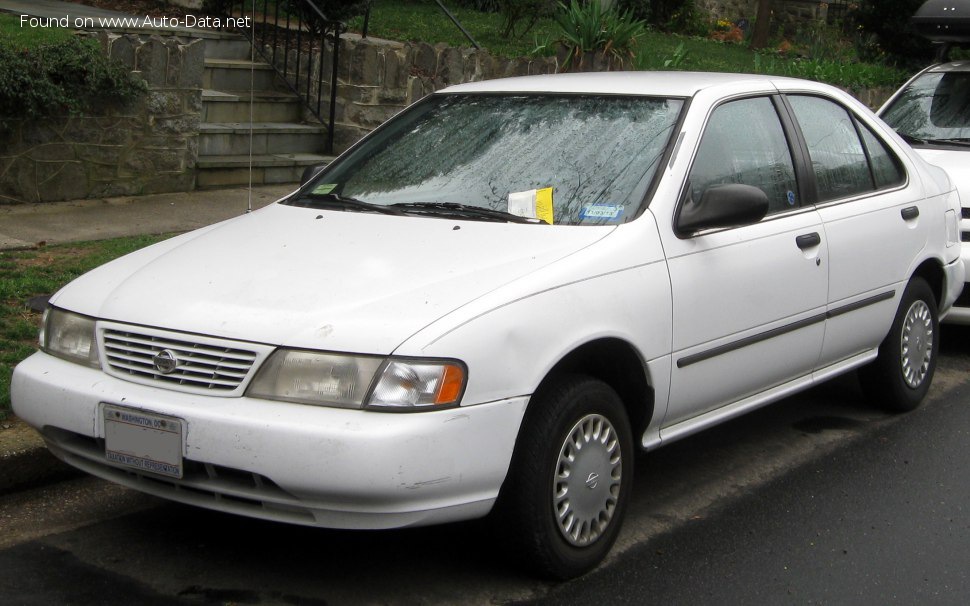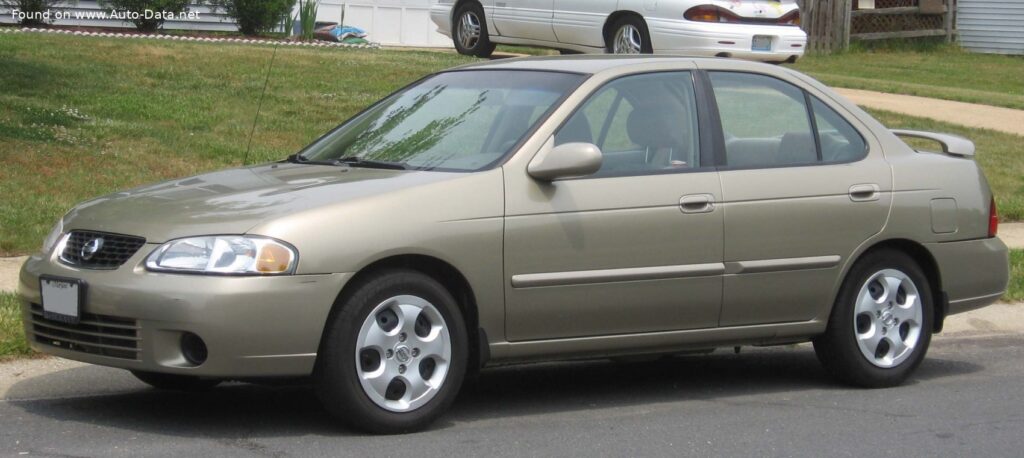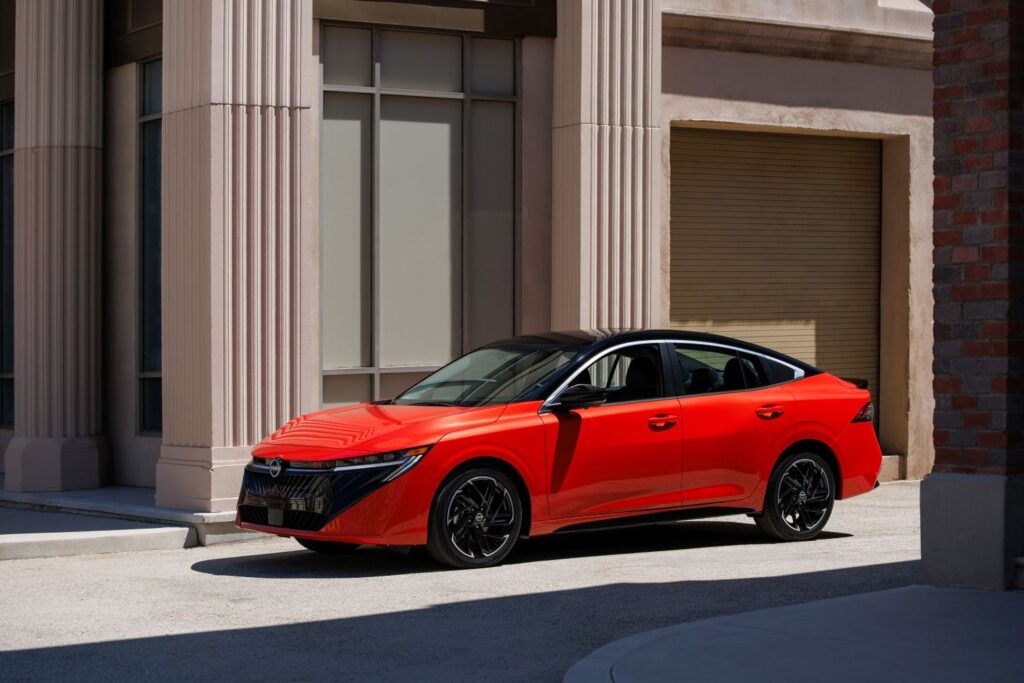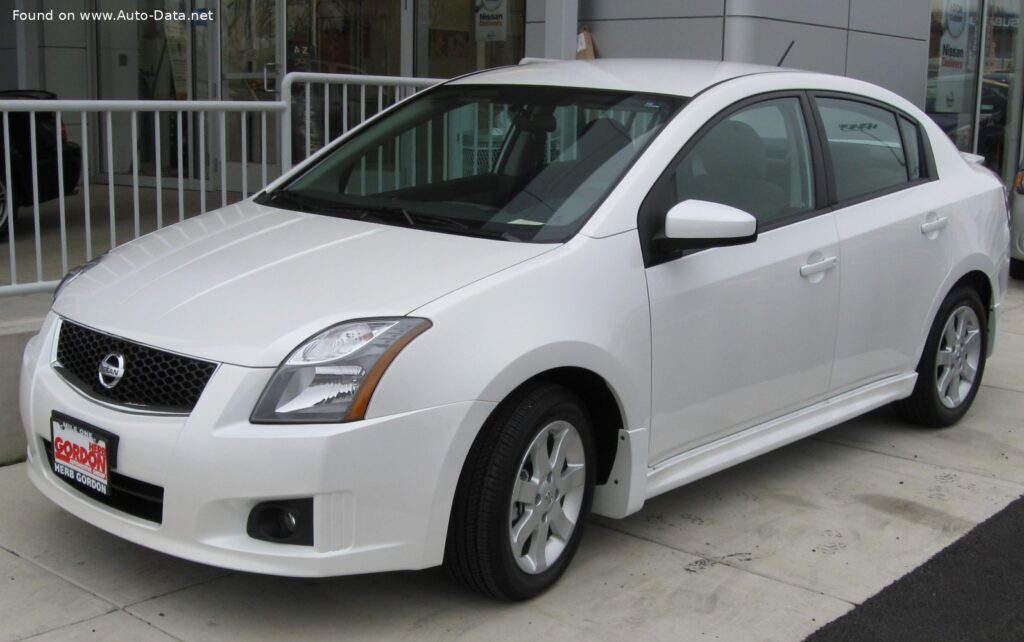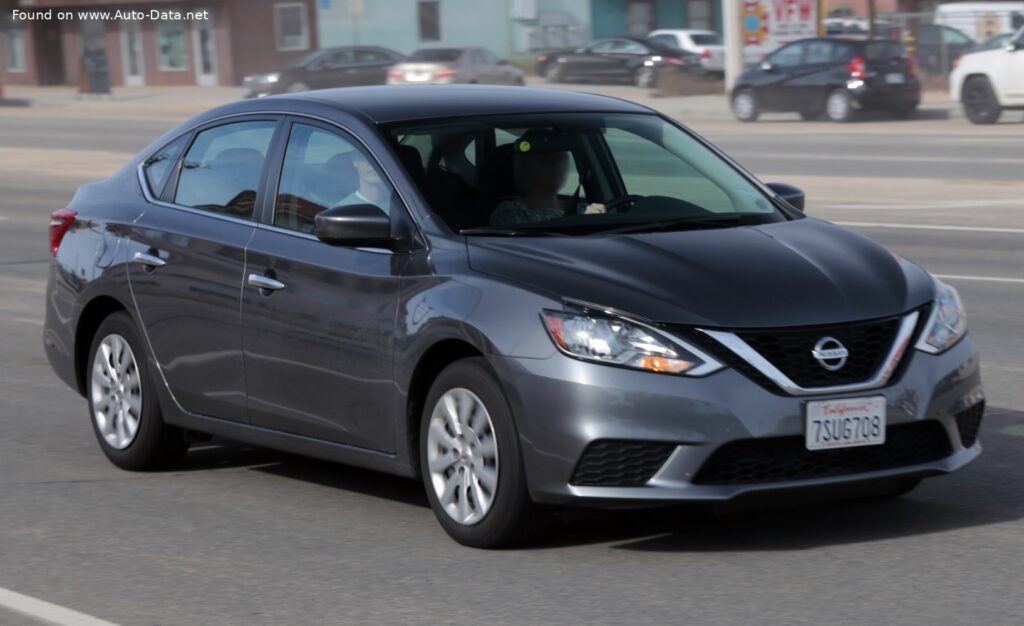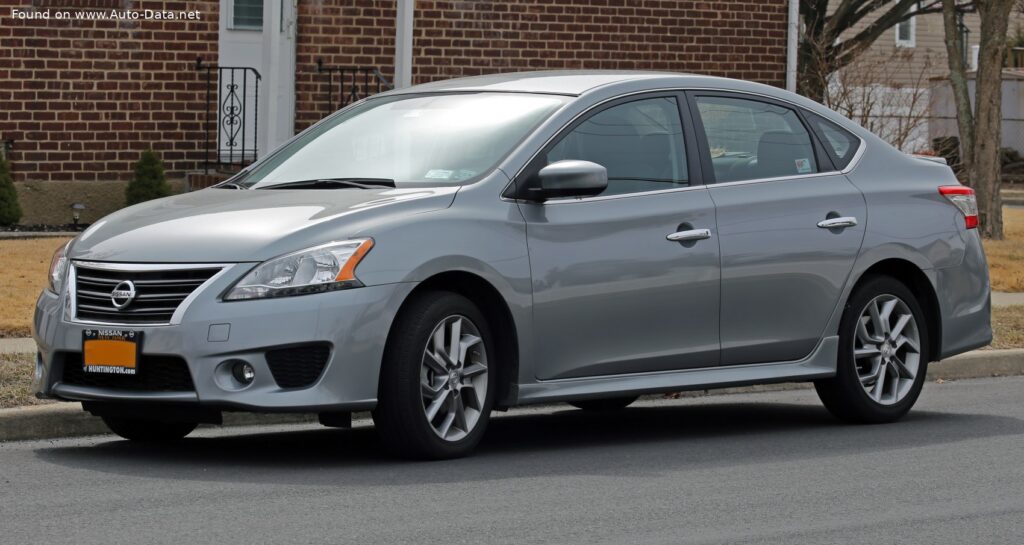
The Nissan Sentra VII (B17), produced from 2012 to 2015, represented a significant redesign for Nissan’s compact sedan. Among the various configurations offered, the 1.8-liter engine paired with the Xtronic Continuously Variable Transmission (CVT) was a mainstay, positioned as the standard, volume-selling model within the B17 lineup. This variant aimed to provide a balance of fuel efficiency, affordability, and everyday usability, targeting a broad demographic of family car buyers and commuters. It served as the entry point into the seventh-generation Sentra range, slotting below the higher-trim levels that offered more features and, in some markets, more powerful engine options.
Powertrain & Engine Architecture
The heart of the 2012-2015 Nissan Sentra 1.8 Xtronic CVT is the MRA8DE 1.8-liter inline-four cylinder gasoline engine. This engine is a member of Nissan’s MR series, known for its relatively simple design and focus on reliability. The MRA8DE features a cast iron block with an aluminum cylinder head, incorporating four valves per cylinder (DOHC) and Nissan’s Continuously Variable Valve Timing Control System (CVTCS) for optimized performance and emissions. Fuel delivery is managed by a multi-port fuel injection system. The engine produces 130 horsepower at 6000 rpm and 174 Nm (128.34 lb-ft) of torque at 3600 rpm.
The Xtronic CVT, Nissan’s branded continuously variable transmission, is a key component of this variant. Unlike traditional automatic transmissions with fixed gear ratios, a CVT utilizes a belt and pulley system to provide a theoretically infinite number of gear ratios within its operating range. This allows the engine to operate at its most efficient rpm for any given speed, contributing to improved fuel economy. The CVT in the B17 Sentra is designed for smooth, seamless acceleration, prioritizing comfort over sporty responsiveness. It features a ‘manual’ mode with simulated gear steps for drivers who prefer more control, though it doesn’t offer the same level of engagement as a traditional manual gearbox.
Engine Specifications
The MRA8DE engine boasts a bore of 79.7 mm (3.14 in) and a stroke of 90.1 mm (3.55 in), resulting in a displacement of 1797 cm³ (109.66 cu. in). It operates with a compression ratio of 9.9:1. The engine requires 4 liters (4.23 US qt / 3.52 UK qt) of engine oil and 6.6 liters (6.97 US qt / 5.81 UK qt) of coolant for optimal operation. Nissan recommends specific oil specifications to ensure longevity and performance.
Driving Characteristics
The 1.8L/CVT Sentra delivers adequate, though not exhilarating, performance. Acceleration is linear and predictable, with the CVT effectively minimizing any noticeable shift shock. The emphasis is on smooth cruising and fuel efficiency rather than spirited driving. The CVT’s programming prioritizes keeping the engine within its optimal power band, which can sometimes result in a ‘rubber band’ feel during hard acceleration, where engine rpm rises quickly without a corresponding increase in speed. Compared to a manual transmission equipped Sentra, the CVT version offers slower acceleration times. However, it provides a more relaxed and convenient driving experience, particularly in urban traffic. The gear ratios are optimized for fuel economy, making it a suitable choice for daily commuting.
Equipment & Trim Levels
The 1.8L Xtronic CVT Sentra typically came standard with a reasonable array of features. These generally included air conditioning, power windows and locks, a basic audio system with auxiliary input, and steel wheels with wheel covers. Higher trim levels, such as the SV and SL, built upon this foundation with additions like alloy wheels, upgraded audio systems with Bluetooth connectivity, a rearview camera, and keyless entry. Interior upholstery was typically cloth, with higher trims offering optional leather seating. Dashboard configurations were consistent across the range, featuring a straightforward layout with easy-to-use controls. Optional extras included a sunroof, navigation system, and upgraded safety features.
Chassis & Braking
The B17 Sentra utilizes an independent McPherson strut suspension in the front, providing a comfortable ride and predictable handling. The rear suspension employs a torsion beam setup, which is a cost-effective solution that offers adequate ride quality for everyday driving. The front brakes are ventilated discs measuring 279.4×22.86 mm, while the rear brakes are drum brakes measuring 228.6 mm. Anti-lock Braking System (ABS) is standard, enhancing safety during emergency braking situations. The steering system is an electric power steering rack and pinion, providing light and easy steering feel. Tire sizes varied depending on the trim level, ranging from 195/60 R16 to 205/60 R16 and 205/50 R17.
Market Reception & Comparison
The 2012-2015 Nissan Sentra 1.8 Xtronic CVT received mixed reviews from automotive critics. While praised for its fuel efficiency and comfortable ride, it was often criticized for its lack of engaging driving dynamics and somewhat bland interior design. Compared to other compact sedans in its class, such as the Honda Civic and Toyota Corolla, the Sentra offered a more affordable price point but lacked the same level of refinement and driving enjoyment. Fuel economy figures were competitive, averaging around 34.1 US mpg combined. Reliability was generally considered average, with some reports of CVT issues over the long term. However, the MRA8DE engine itself proved to be relatively robust.
Technical Specifications
| Body Type | Sedan, 4 Doors, 5 Seats |
| Fuel Economy (Combined) | 6.9 l/100 km / 34.1 US mpg / 40.9 UK mpg / 14.5 km/l |
| Emission Standard | LEV2-LEV |
| Power | 130 Hp @ 6000 rpm |
| Torque | 174 Nm @ 3600 rpm / 128.34 lb.-ft. @ 3600 rpm |
| Engine Size | 1.8 l / 1797 cm³ / 109.66 cu. in. |
| Number of Cylinders | 4, Inline |
| Drivetrain | Front wheel drive. Internal Combustion engine. |
| Length | 4610 mm / 181.5 in. |
| Width | 1760 mm / 69.29 in. |
| Curb Weight | 1281 kg / 2824.12 lbs. |
| Gross Weight | 1693 kg / 3732.43 lbs. |
| Trunk Space | 428 l / 15.11 cu. ft. |
| Gearbox | automatic transmission Xtronic CVT |
Legacy
The Nissan Sentra B17 1.8L/CVT powertrain has become a common sight in the used car market. While the Xtronic CVT has been the subject of some concern regarding long-term durability, many examples have proven reliable with proper maintenance, including regular fluid changes. The MRA8DE engine is generally considered a dependable unit. These Sentras represent an affordable and fuel-efficient option for budget-conscious buyers seeking a practical compact sedan. However, potential buyers should be aware of the potential for CVT issues and thoroughly inspect the vehicle’s maintenance history before purchasing. The B17 Sentra, particularly in this configuration, solidified Nissan’s position as a mainstream competitor in the compact car segment, offering a value-oriented alternative to established rivals.