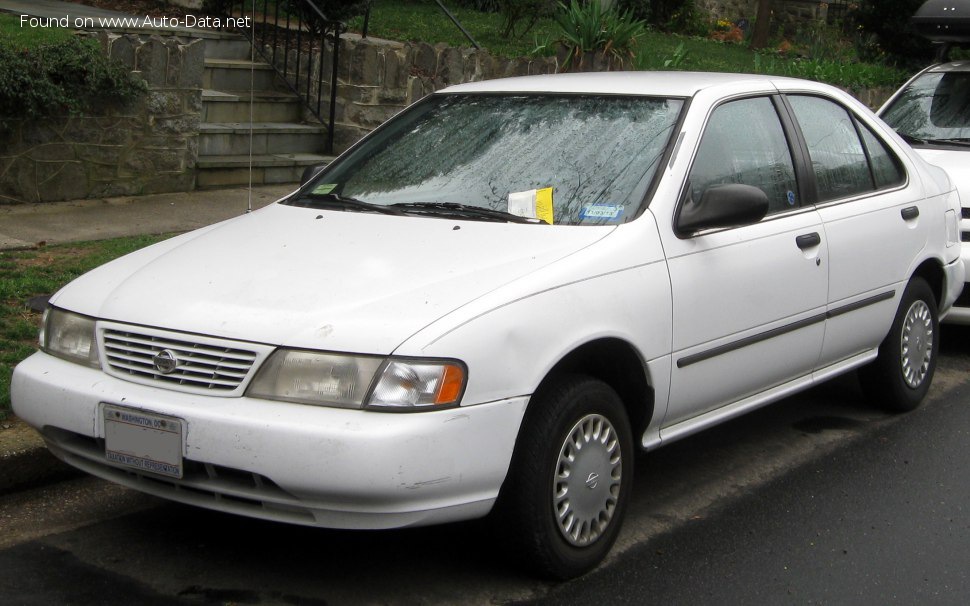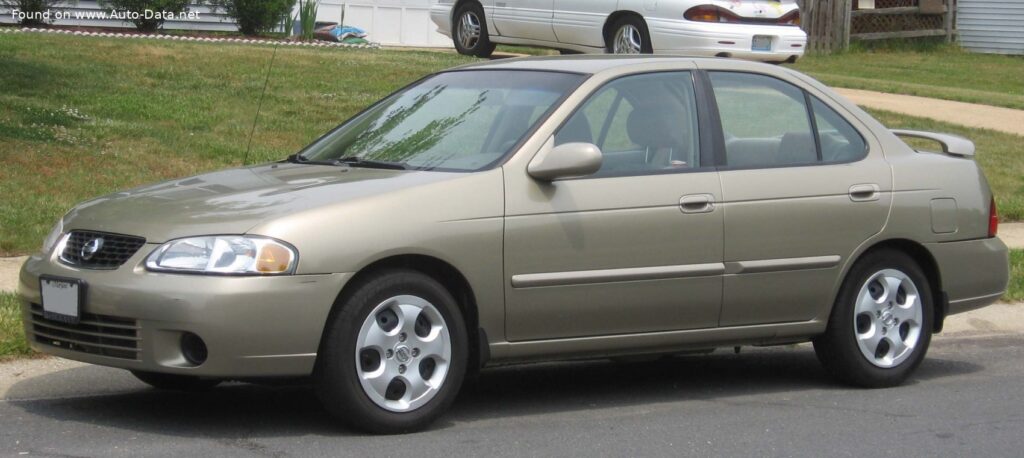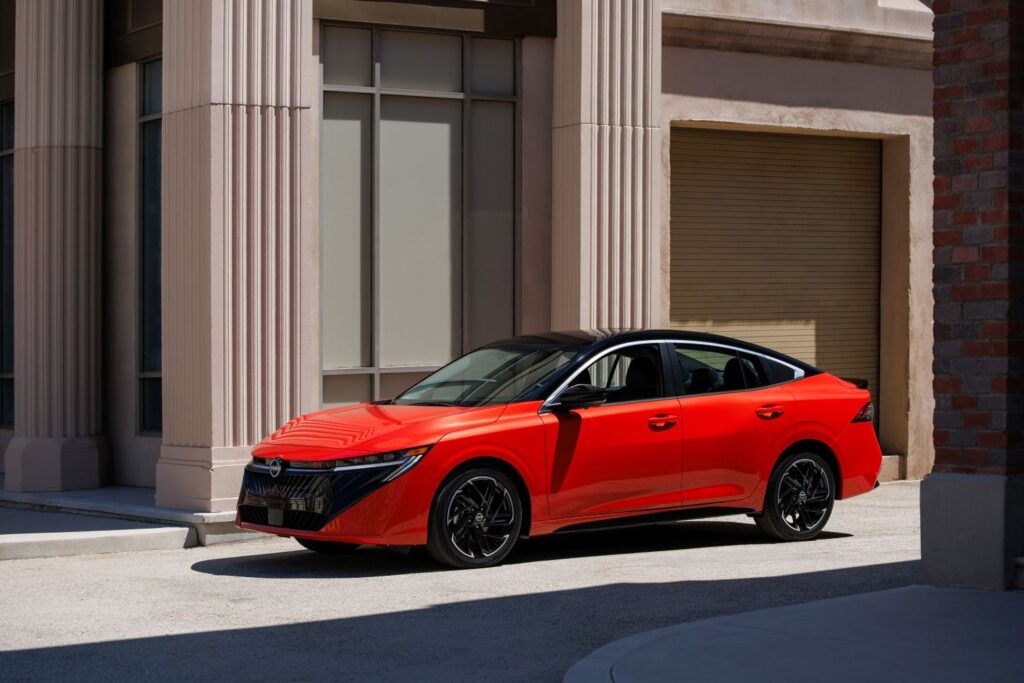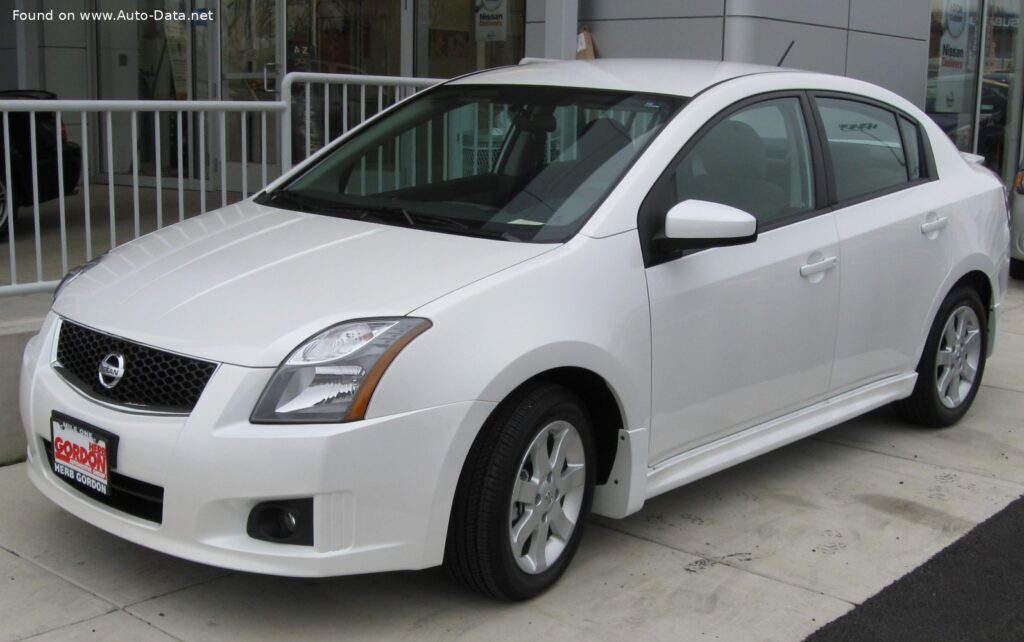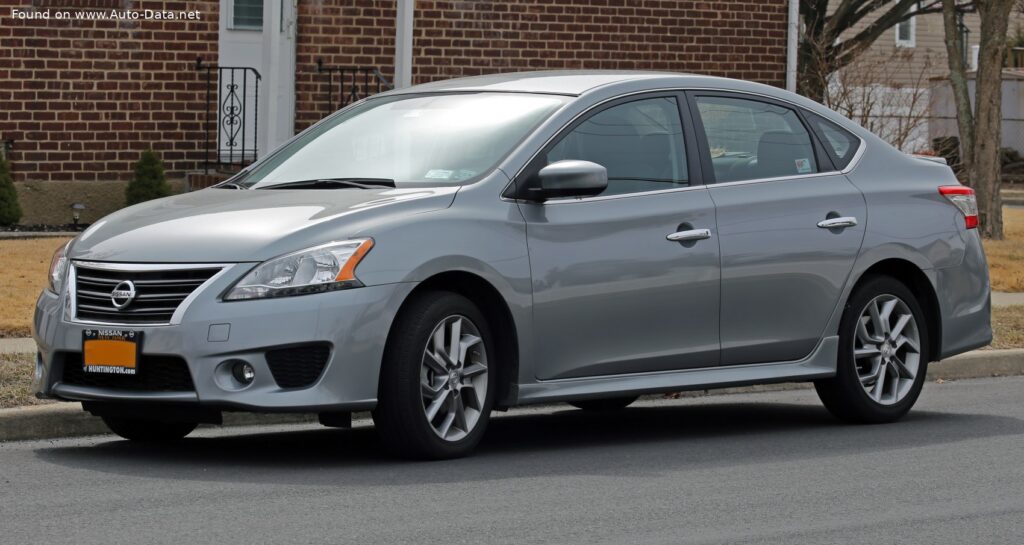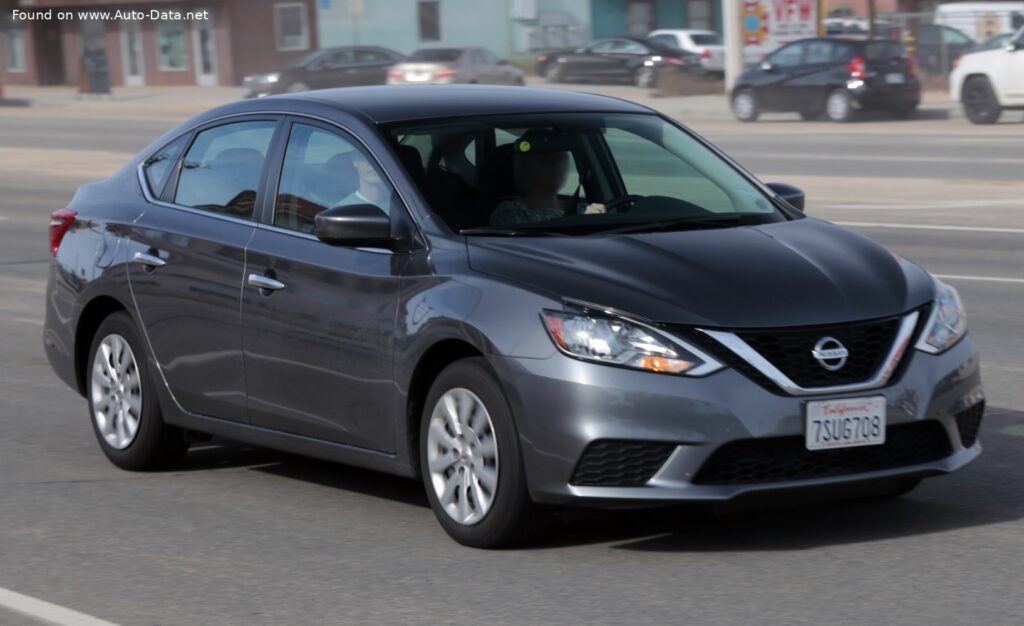
The Nissan Sentra VII, specifically the B17 facelift model produced from 2016 to 2019, represented a significant update to Nissan’s compact sedan offering. Within the B17 generation (which spanned 2013-2019), the 1.8-liter engine paired with the Xtronic Continuously Variable Transmission (CVT) served as a core, mainstream trim level. This configuration aimed to balance affordability, fuel efficiency, and acceptable performance for the average commuter, positioning it as the volume seller in the Sentra lineup. It sat below the more performance-oriented trims (if offered in specific markets) and above any potential base-level, lower-equipment models.
The 1.8L Xtronic Powertrain & Engine Architecture
The heart of this Sentra variant is the MRA8DE 1.8-liter inline-four cylinder gasoline engine. This engine is a naturally aspirated powerplant, meaning it relies solely on atmospheric pressure to draw air into the cylinders, rather than forced induction like a turbocharger or supercharger. It boasts a displacement of 1798 cc (109.72 cubic inches) with a bore of 79.7 mm (3.14 inches) and a stroke of 90.1 mm (3.55 inches). The engine features a compression ratio of 9.9:1 and utilizes a dual overhead camshaft (DOHC) valvetrain with Continuously Variable Valve Timing Control System (CVTCS) on the intake camshaft. This system optimizes valve timing for improved performance and fuel efficiency across a wider range of engine speeds.
Fuel delivery is managed by a multi-port fuel injection system, injecting fuel directly into the intake manifold near the intake valves. The MRA8DE engine is known for its relatively simple design, contributing to its generally good reliability. The Xtronic CVT, Nissan’s branded continuously variable transmission, is a key component of this powertrain. Unlike traditional automatic transmissions with fixed gear ratios, a CVT uses a belt and pulley system to provide a theoretically infinite number of gear ratios within its operating range. This allows the engine to operate at its most efficient RPM for any given speed and load, maximizing fuel economy. The Xtronic CVT in the B17 Sentra is an electronically controlled unit, offering manual shift modes simulated through pre-programmed gear ratios.
CVT Operation and Characteristics
The Xtronic CVT in the 2016-2019 Sentra is a Jatco-sourced unit, a common supplier for Nissan’s CVT technology. While CVTs offer fuel efficiency advantages, they are often criticized for a “rubber band” feel during acceleration, where engine RPMs rise quickly but vehicle speed lags. Nissan attempted to mitigate this with programming that simulates stepped gear changes in the manual mode and optimized shift logic in the automatic mode. However, the characteristic CVT drone under hard acceleration is still present. The CVT is designed for smooth operation and reduced mechanical losses compared to traditional automatics.
Driving Characteristics
The 1.8L Xtronic Sentra delivers adequate, but not exhilarating, performance. With 124 horsepower at 6000 rpm and 169 Nm (124.65 lb-ft) of torque at 3600 rpm, acceleration is best described as leisurely. The 0-60 mph time is estimated to be around 9.5-10.5 seconds, making it competitive with other compact sedans in its class but slower than models equipped with larger engines or manual transmissions. The CVT’s continuously variable ratios help to keep the engine in its optimal power band, but the lack of distinct gear changes can feel disconnected to drivers accustomed to traditional automatics. The focus is clearly on fuel economy and smooth, comfortable cruising rather than sporty driving dynamics. The weight-to-power ratio of 10.5 kg/hp and weight-to-torque ratio of 7.7 kg/Nm reflect this emphasis on efficiency over outright performance.
Equipment & Trim Levels
The 1.8L Xtronic Sentra typically served as the foundation for several trim levels, often designated as ‘S’, ‘SV’, and ‘SR’ (though specific trim names varied by market). Standard equipment generally included air conditioning, power windows and locks, a basic audio system with USB connectivity, and steel wheels with wheel covers. Higher trim levels added features such as alloy wheels, a more advanced infotainment system with a touchscreen display, Bluetooth connectivity, a rearview camera, and keyless entry. Optional extras often included a sunroof, upgraded audio systems, and various driver-assistance features like blind-spot monitoring and rear cross-traffic alert. Interior upholstery was typically cloth, with higher trims offering upgraded cloth or leatherette options. The dashboard layout was generally functional and straightforward, prioritizing ease of use over stylistic flair.
Chassis & Braking
The B17 Sentra utilizes an independent coil spring suspension in the front and a torsion beam suspension in the rear. This configuration provides a comfortable ride quality, suitable for everyday commuting. The front suspension geometry is designed to minimize body roll during cornering, while the rear torsion beam offers a compact and cost-effective solution for maintaining rear wheel alignment. Braking duties are handled by ventilated discs in the front and drum brakes in the rear. Anti-lock Braking System (ABS) is standard, enhancing braking performance and stability, particularly on slippery surfaces. The steering system is an electric power steering (EPS) rack and pinion setup, providing light and responsive steering feel. The standard tire size is 205/55 R16, mounted on 6.5J x 16 inch wheels.
Market Reception & Comparison
The 2016-2019 Nissan Sentra 1.8L Xtronic received mixed reviews. Critics generally praised its fuel economy (7.3 l/100 km combined, 32.2 US mpg, 38.7 UK mpg) and comfortable ride, but often criticized its lack of power and the somewhat unrefined driving experience associated with the CVT. Compared to other trims in the Sentra lineup, the 1.8L Xtronic offered the most affordable entry point, making it attractive to budget-conscious buyers. However, those seeking more engaging performance often opted for trims with larger engines. In comparison to competitors like the Honda Civic, Toyota Corolla, and Mazda3, the Sentra 1.8L Xtronic often lagged in terms of driving dynamics and interior refinement, but offered a competitive price point and a spacious interior.
Technical Specifications
| Engine Model/Code | MRA8DE |
| Engine Displacement | 1798 cm3 (109.72 cu. in.) |
| Number of Cylinders | 4, Inline |
| Cylinder Bore | 79.7 mm (3.14 in.) |
| Piston Stroke | 90.1 mm (3.55 in.) |
| Compression Ratio | 9.9:1 |
| Valvetrain | DOHC with CVTCS |
| Fuel Injection | Multi-port Fuel Injection |
| Maximum Power | 124 Hp @ 6000 rpm |
| Maximum Torque | 169 Nm (124.65 lb.-ft.) @ 3600 rpm |
| Fuel Consumption (Urban) | 8.1 l/100 km (29 US mpg) |
| Fuel Consumption (Extra Urban) | 6.3 l/100 km (37.3 US mpg) |
| Fuel Consumption (Combined) | 7.3 l/100 km (32.2 US mpg) |
| Kerb Weight | 1304 kg (2874.83 lbs.) |
| Fuel Tank Capacity | 50 l (13.21 US gal) |
| Transmission | Xtronic CVT |
| Drive Type | Front Wheel Drive |
| Length | 4625 mm (182.09 in.) |
| Width | 1760 mm (69.29 in.) |
| Height | 1496 mm (58.9 in.) |
Legacy
The MRA8DE engine and Xtronic CVT combination in the 2016-2019 Nissan Sentra has proven to be generally reliable, although the CVT is often the component requiring the most attention. Regular CVT fluid changes are crucial for maintaining its longevity. Common issues reported include occasional shuddering or hesitation, particularly at lower speeds. The engine itself is relatively robust, with few widespread mechanical failures reported. In the used car market, these Sentra variants represent an affordable and fuel-efficient option for buyers seeking a basic, reliable compact sedan. However, potential buyers should be aware of the CVT’s maintenance requirements and consider a pre-purchase inspection to assess its condition. The 1.8L Xtronic Sentra remains a common sight on roads today, a testament to its widespread popularity and overall durability.