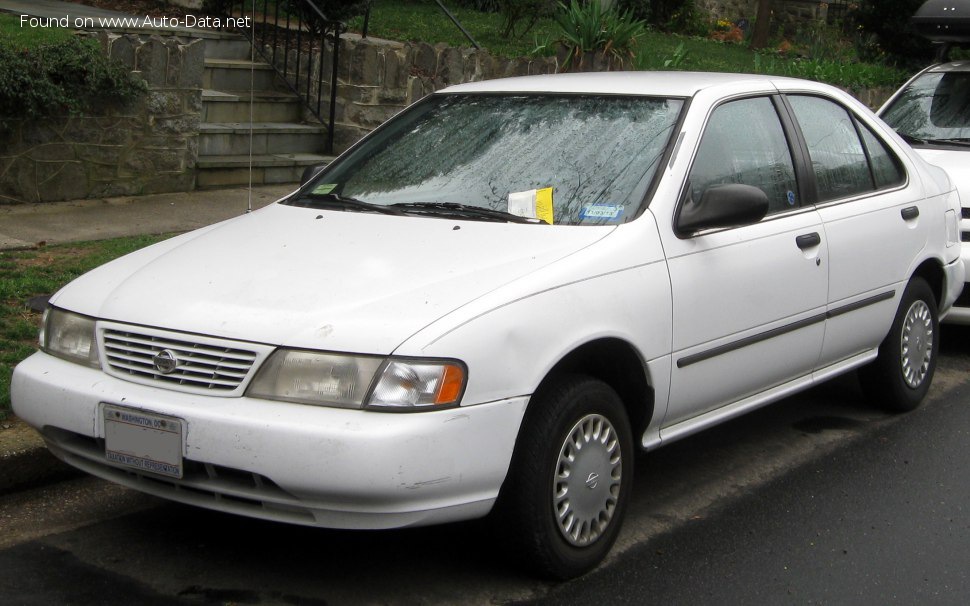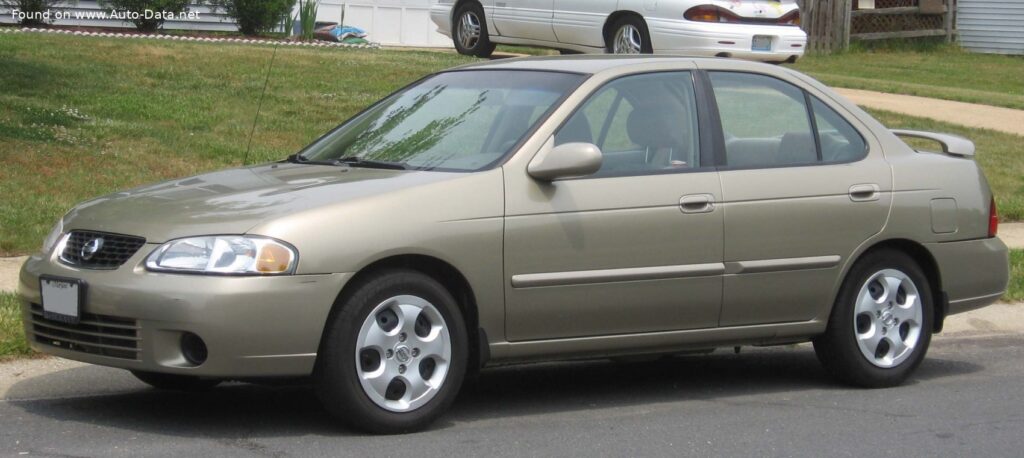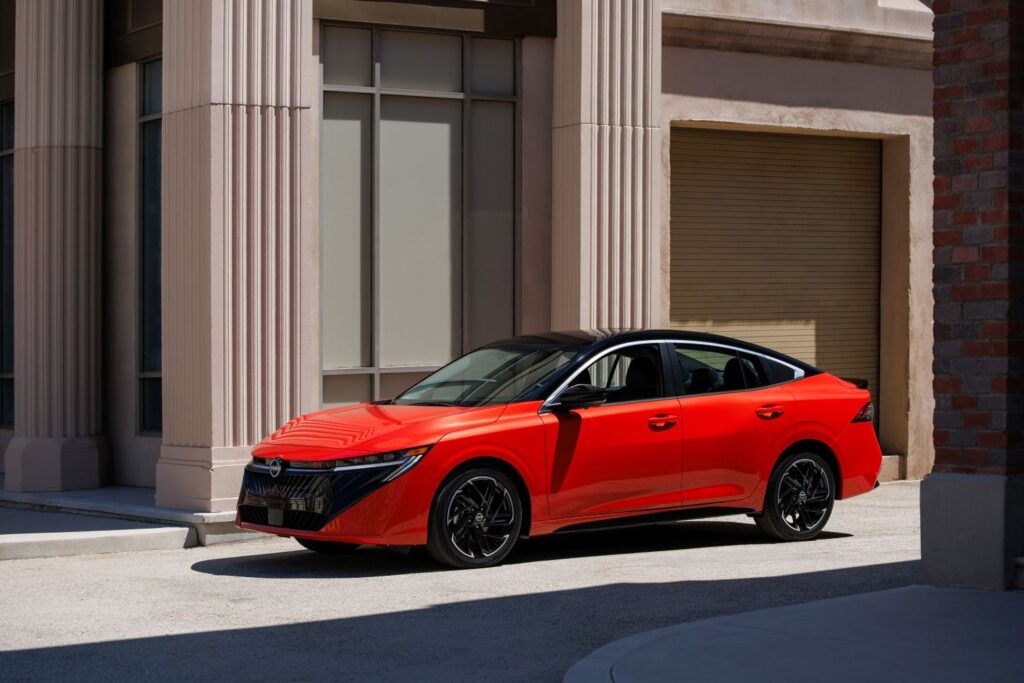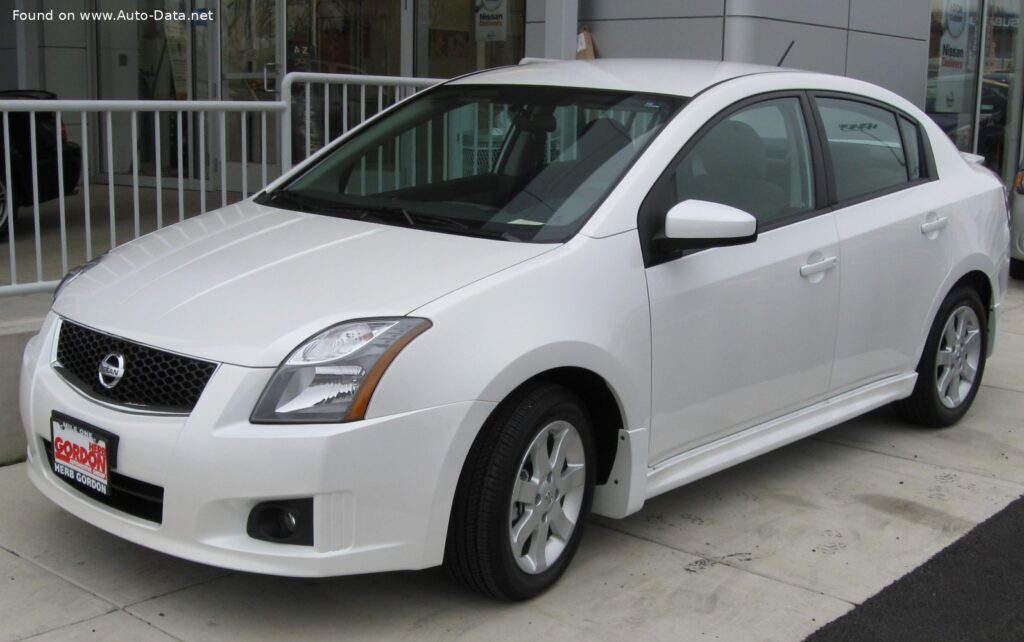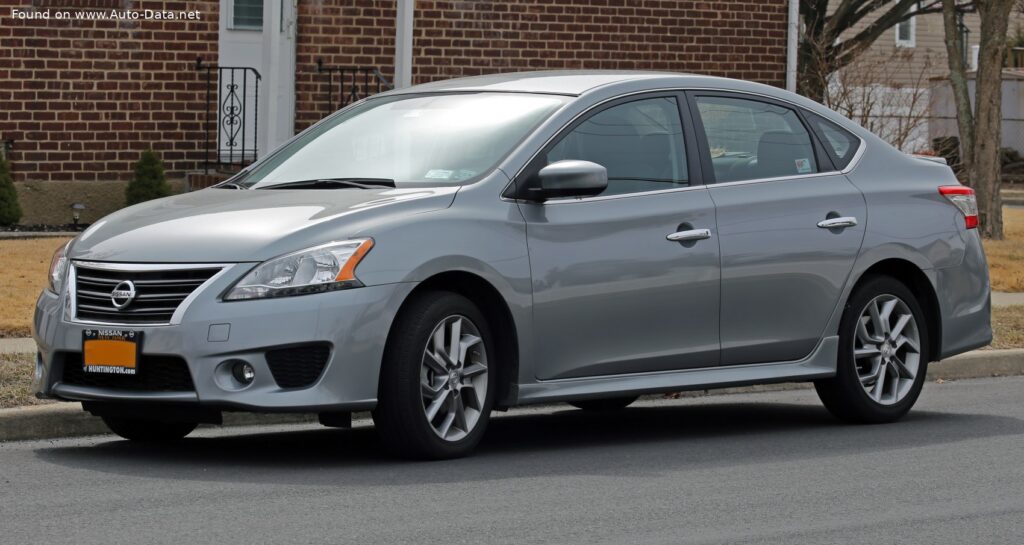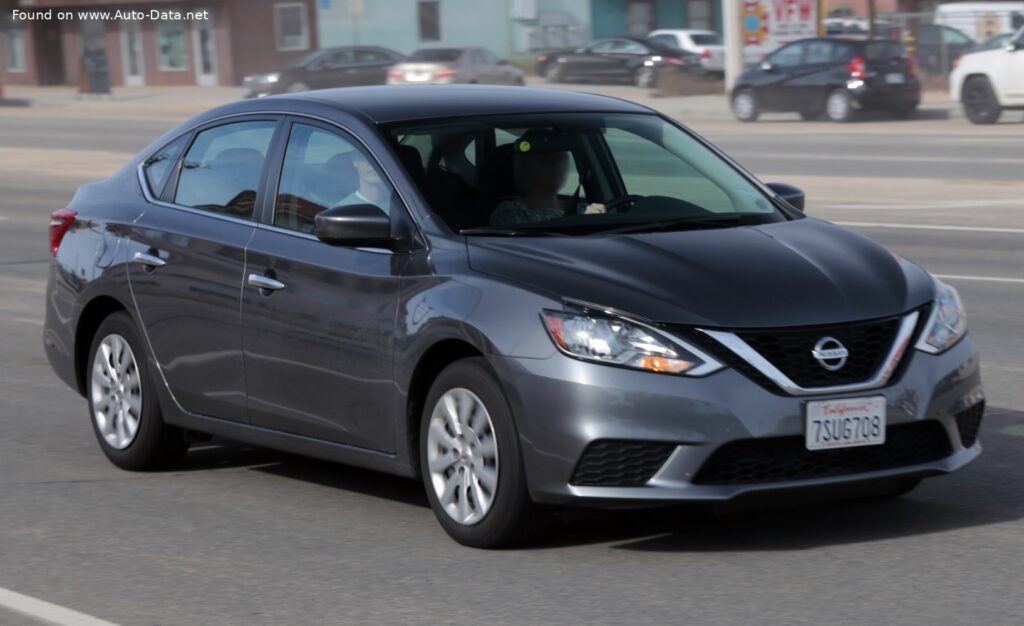
The Nissan Sentra VII, specifically the B17 facelift model produced from 2016 to 2019, represented a significant update to Nissan’s compact sedan offering. Within the B17 generation (2013-2019), the 1.8-liter engine producing 130 horsepower was a mainstay, positioned as the standard, entry-level powertrain option. This variant aimed to provide a balance of affordability, fuel efficiency, and everyday usability, targeting a broad consumer base seeking reliable transportation. The facelift brought revised styling, enhanced interior materials, and updated technology, further refining the Sentra’s appeal in a competitive segment.
The 1.8L Sentra: Positioning and Overview
The 2016-2019 Nissan Sentra 1.8 (130 hp) occupied the foundational position within the B17 lineup. While Nissan offered no higher-output engine options for the North American market during these years, the 1.8L model served as the volume seller. It was designed to appeal to buyers prioritizing value and practicality over outright performance. Compared to potential competitors like the Honda Civic or Toyota Corolla, the Sentra 1.8 aimed to undercut pricing while offering a comparable level of standard features. The B17 platform, derived from the Nissan Sylphy, focused on maximizing interior space and comfort within the compact sedan class.
Powertrain & Engine Architecture
At the heart of the 2016-2019 Nissan Sentra 1.8 is the MRA8DE 1.8-liter inline-four cylinder gasoline engine. This engine is a member of Nissan’s MR series, known for its relatively simple design and focus on reliability. The MRA8DE features a cast iron block and an aluminum cylinder head, contributing to a reasonable balance between durability and weight. It utilizes a multi-port fuel injection system, delivering fuel directly into the intake ports. The engine is equipped with Nissan’s Continuously Variable Valve Timing Control System (CVTCS), optimizing valve timing for improved efficiency and power delivery across the rev range.
The MRA8DE produces 130 horsepower at 6000 rpm and 174 Nm (128.34 lb-ft) of torque at 3600 rpm. The engine’s bore and stroke are 79.7 mm (3.14 in) and 90.1 mm (3.55 in) respectively, resulting in a displacement of 1798 cm³ (109.72 cu. in). The compression ratio is set at 9.9:1. The engine requires 4 liters (4.23 US qt / 3.52 UK qt) of engine oil and 6.6 liters (6.97 US qt / 5.81 UK qt) of coolant for proper operation.
Driving Characteristics
The driving experience in the 2016-2019 Nissan Sentra 1.8 is characterized by smooth, predictable performance. While not particularly sporty, the 130 hp engine provides adequate power for everyday driving situations, including commuting and highway merging. Acceleration is linear, and the engine is relatively quiet at cruising speeds. The engine’s torque peak at 3600 rpm means that most of the usable power is available in the typical driving range. The Sentra 1.8’s focus is on comfort and ease of use rather than engaging driving dynamics. Compared to a hypothetical higher-performance Sentra variant, the 1.8L model would exhibit slower acceleration and a less responsive feel. However, it compensates with improved fuel economy and a more relaxed driving experience.
Equipment & Trim Levels
The 2016-2019 Nissan Sentra 1.8 typically came standard with a respectable array of features. Base models (often designated as the ‘S’ trim) included air conditioning, power windows and locks, a basic audio system with USB connectivity, and steel wheels with wheel covers. Higher trim levels, such as the ‘SV’ and ‘SR’, added features like alloy wheels, a more advanced infotainment system with a touchscreen display, Bluetooth connectivity, a rearview camera, and keyless entry. Optional extras included a sunroof, upgraded audio systems, and various driver-assistance technologies. Interior upholstery typically consisted of cloth, with higher trims offering the option of leather appointments. Dashboard configurations were generally straightforward and functional, prioritizing ease of use.
Chassis & Braking
The 2016-2019 Nissan Sentra 1.8 utilizes an independent coil spring suspension in the front and a torsion beam suspension in the rear. This setup provides a comfortable ride quality, absorbing bumps and imperfections in the road surface effectively. The front brakes are ventilated discs, providing adequate stopping power, while the rear brakes are drums. This configuration was common for vehicles in this weight class during this period, balancing cost and performance. The Sentra 1.8 features an electric power steering system, offering light and easy steering feel. ABS (Anti-lock Braking System) was standard equipment, enhancing safety during emergency braking situations. The vehicle rides on 205/55 R16 tires mounted on 6.5J x 16 inch wheel rims.
Market Reception & Comparison
The 2016-2019 Nissan Sentra 1.8 received generally positive reviews for its value proposition and comfortable ride. Critics praised its spacious interior and user-friendly features. However, some reviewers noted that the engine’s performance was adequate but not particularly exciting. Fuel economy was consistently cited as a strong point, with combined fuel consumption figures around 30.2 US mpg. Compared to other trims in the Sentra lineup, the 1.8L model offered the most affordable entry point, making it attractive to budget-conscious buyers. In terms of reliability, the MRA8DE engine has a generally good reputation, although some owners have reported minor issues with the continuously variable transmission (CVT) used in conjunction with this engine.
Technical Specifications
| Brand | Nissan |
| Model | Sentra |
| Generation | Sentra VII (B17, facelift 2016) |
| Engine Type | 1.8 (130 Hp) |
| Production Years | 2016-2019 |
| Body Type | Sedan |
| Seats | 5 |
| Doors | 4 |
| Fuel Consumption (Urban) | 8.7 l/100 km (27 US mpg) |
| Fuel Consumption (Extra Urban) | 6.7 l/100 km (35.1 US mpg) |
| Fuel Consumption (Combined) | 7.8 l/100 km (30.2 US mpg) |
| Fuel Type | Petrol (Gasoline) |
| Weight-to-Power Ratio | 9.5 kg/Hp |
| Power | 130 Hp @ 6000 rpm |
| Torque | 174 Nm @ 3600 rpm (128.34 lb.-ft. @ 3600 rpm) |
| Engine Displacement | 1798 cm³ (109.72 cu. in.) |
| Number of Cylinders | 4 |
| Engine Layout | Front, Transverse |
| Engine Code | MRA8DE |
| Cylinder Bore | 79.7 mm (3.14 in) |
| Piston Stroke | 90.1 mm (3.55 in) |
| Compression Ratio | 9.9:1 |
| Kerb Weight | 1230 kg (2711.69 lbs) |
| Max Weight | 1734 kg (3822.82 lbs) |
| Trunk Space | 428 l (15.11 cu. ft) |
| Fuel Tank Capacity | 50 l (13.21 US gal) |
| Length | 4625 mm (182.09 in) |
| Width | 1760 mm (69.29 in) |
| Height | 1496 mm (58.9 in) |
| Wheelbase | 2700 mm (106.3 in) |
Legacy
The 2016-2019 Nissan Sentra 1.8L continues to be a common sight on the used car market. The MRA8DE engine, when properly maintained, has proven to be a relatively reliable powertrain. However, potential buyers should be aware of the potential for CVT issues, and a thorough inspection of the transmission is recommended before purchase. The Sentra 1.8’s affordability and fuel efficiency continue to make it an attractive option for buyers seeking a practical and economical compact sedan. While it may not offer the most exciting driving experience, its comfortable ride, spacious interior, and reasonable running costs ensure its continued relevance in the used car landscape.