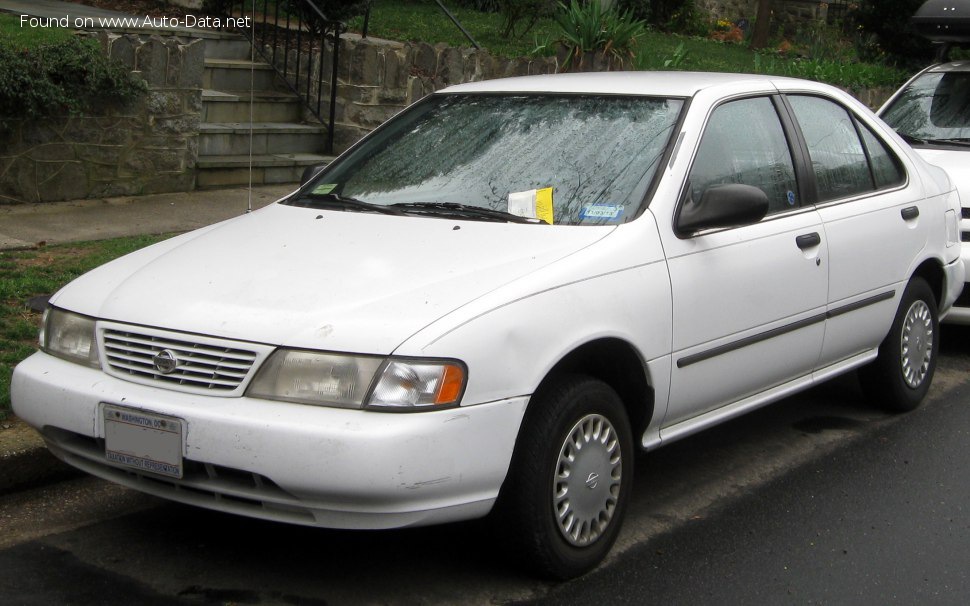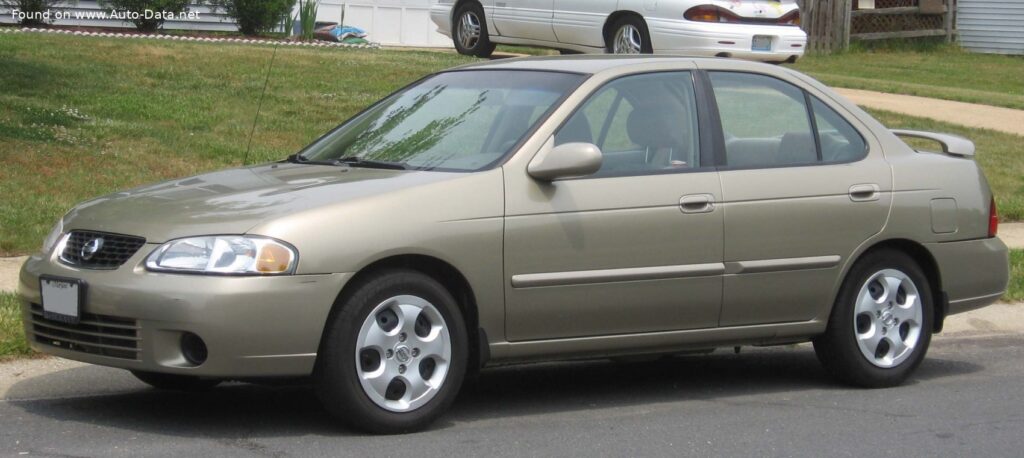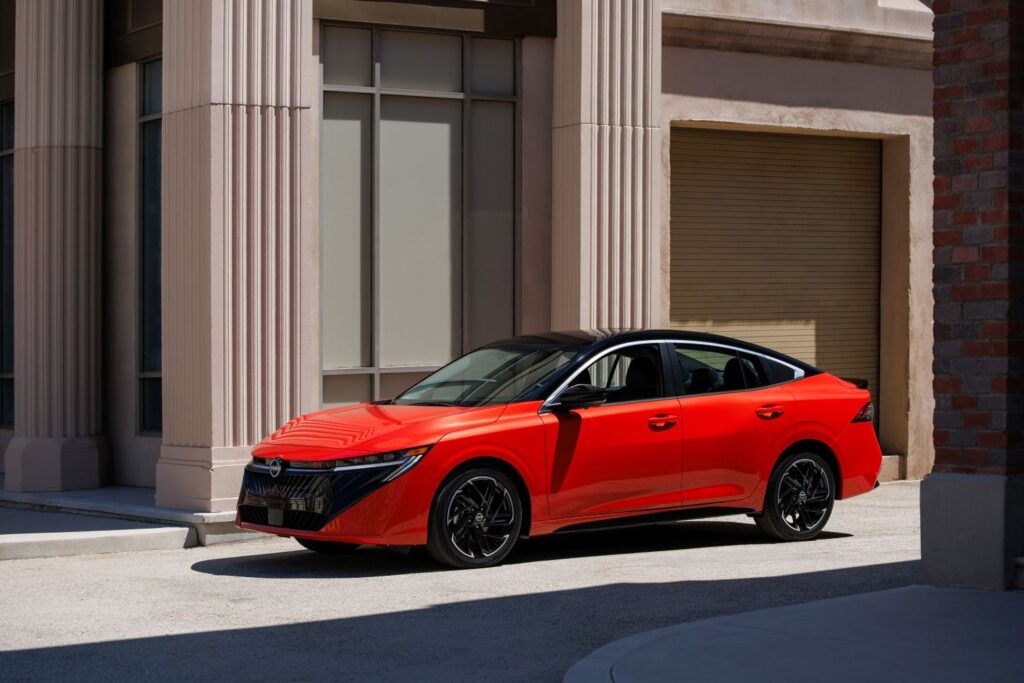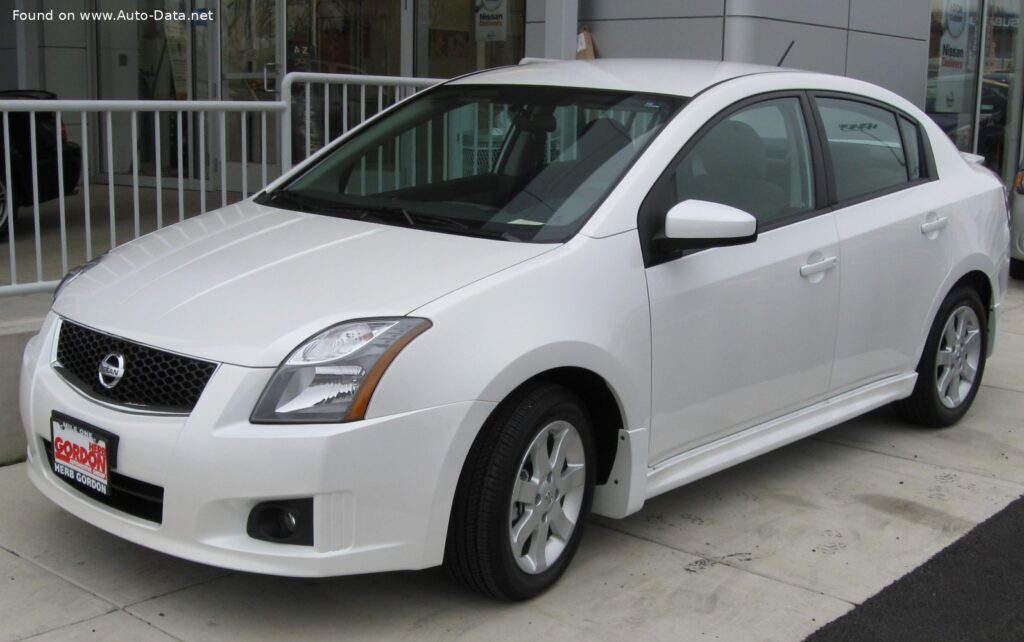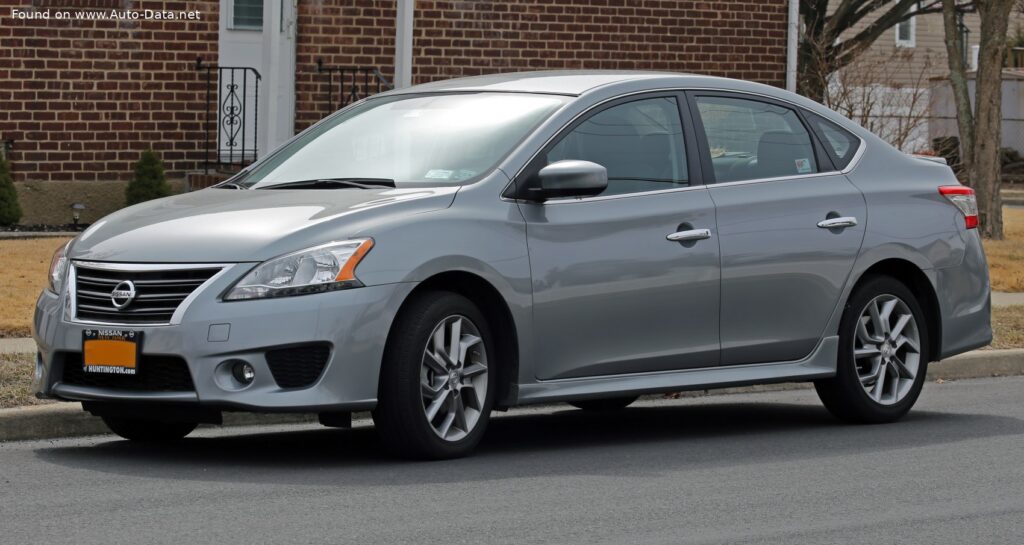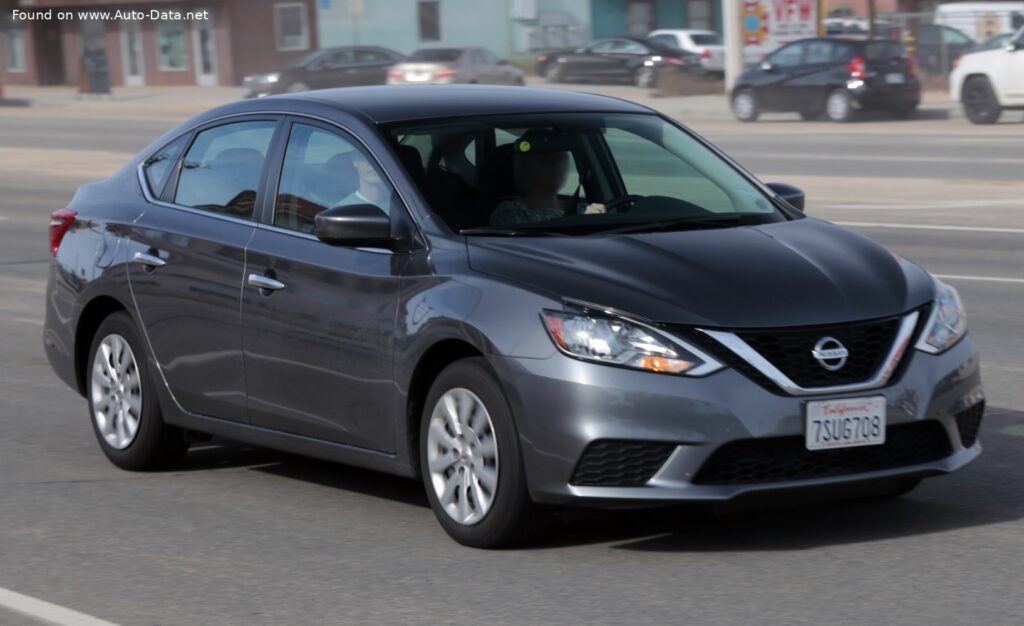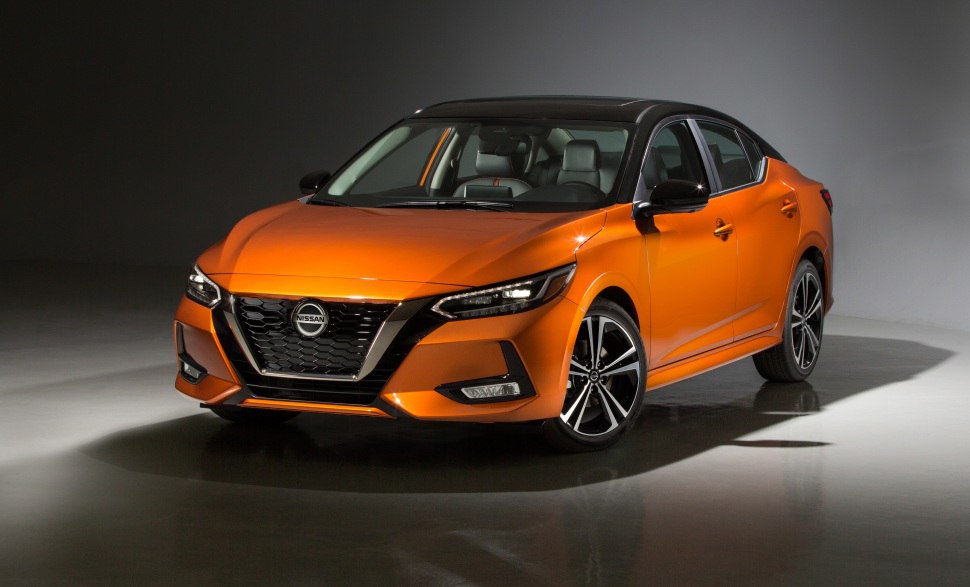
The Nissan Sentra VIII (B18), produced from April 2019 to June 2023, represented a significant redesign for Nissan’s compact sedan. Among the various trims offered, the 2.0-liter (149 hp) variant paired with the Xtronic continuously variable transmission (CVT) served as a popular mid-range option, bridging the gap between the base model and potentially more feature-rich trims. This configuration aimed to provide a balance of fuel efficiency, adequate performance, and modern convenience features for the average commuter. The B18 generation Sentra was built on the Nissan Sylphy platform, representing a move towards a more refined and spacious interior compared to its predecessor.
Nissan Sentra B18 2.0L Xtronic: Overview and Positioning
The 2.0L Xtronic Sentra occupied a crucial position within the B18 lineup. While a base engine was available in some markets, the 2.0-liter engine offered a noticeable power increase, making it the preferred choice for drivers seeking more responsive acceleration and highway passing capability. The Xtronic CVT, Nissan’s branded continuously variable transmission, was a key component of this trim, prioritizing fuel economy and smooth operation over traditional stepped gear changes. This combination targeted buyers who valued practicality and efficiency without sacrificing a reasonable level of driving enjoyment. It was positioned as a step up from the base model, offering more power and a more sophisticated driving experience, but remained more accessible than any potential higher-trim level options.
Powertrain & Engine Architecture
At the heart of the 2.0L Xtronic Sentra lies the MR20DD engine, a 1.997-liter (121.86 cubic inches) inline four-cylinder gasoline engine. This engine utilizes direct fuel injection, a technology that improves fuel efficiency and power output by injecting fuel directly into the combustion chamber. The MR20DD boasts a compression ratio of 10.6:1 and features four valves per cylinder, contributing to its respectable power delivery. Maximum power output is rated at 149 horsepower at 6400 rpm, with peak torque of 198 Nm (146.04 lb-ft) arriving at 4400 rpm. The engine’s naturally aspirated design means it relies on atmospheric pressure for air intake, rather than forced induction like a turbocharger.
The Xtronic CVT is a key element of this powertrain. Unlike traditional automatic transmissions with fixed gear ratios, a CVT uses a belt and pulley system to provide a virtually infinite number of gear ratios within its operating range. This allows the engine to operate at its most efficient rpm for any given speed, maximizing fuel economy. The CVT is programmed to simulate stepped gear changes under hard acceleration to provide a more familiar driving feel, but its primary function is to maintain optimal engine speed for efficiency.
Driving Characteristics
The driving experience in the 2.0L Xtronic Sentra is characterized by smoothness and efficiency. The CVT contributes to seamless acceleration, although it lacks the immediate responsiveness of a traditional automatic or manual transmission. Acceleration from a standstill is adequate for everyday driving, and the engine provides sufficient power for highway merging and passing maneuvers. The CVT’s programming prioritizes fuel economy, so aggressive acceleration will result in the engine revving to its higher limits, producing a noticeable drone. Compared to a hypothetical manual transmission version of the same engine, the CVT would likely result in slightly slower acceleration times, but significantly improved fuel economy. The weight-to-power ratio of 9.3 kg/hp and a weight-to-torque ratio of 7 kg/Nm reflect a balanced, if not particularly sporty, driving experience.
Equipment & Trim Levels
The standard equipment level of the 2.0L Xtronic Sentra varied depending on the specific model year and regional market. However, common features included air conditioning, power windows and locks, a touchscreen infotainment system with smartphone integration (Apple CarPlay and Android Auto), and a suite of safety features such as automatic emergency braking, lane departure warning, and blind-spot monitoring. Interior upholstery typically consisted of cloth seats, although leather options were often available as upgrades. Optional extras could include a sunroof, upgraded audio system, heated front seats, and advanced driver-assistance systems like adaptive cruise control. The dashboard configuration was generally straightforward and user-friendly, prioritizing ease of use over elaborate design elements.
Chassis & Braking
The Sentra B18 utilized an independent McPherson strut suspension in the front and an independent multi-link suspension in the rear. This suspension setup aimed to provide a comfortable ride while maintaining reasonable handling characteristics. The front brakes consisted of ventilated discs measuring 279 mm, while the rear brakes were drum brakes. This configuration was typical for a vehicle in this class, balancing cost and performance. The steering system was an electric power steering rack and pinion, providing light and responsive steering feel. Tire sizes typically ranged from 205/55 R16 to 205/60 R16, depending on the trim level and wheel size.
Market Reception & Comparison
The Nissan Sentra B18 2.0L Xtronic generally received positive reviews from automotive critics. It was praised for its comfortable ride, spacious interior, and fuel efficiency. The CVT was a point of contention for some reviewers, who found it lacking in responsiveness compared to traditional automatic transmissions. However, the CVT’s fuel economy benefits were widely acknowledged. Compared to other compact sedans in its class, such as the Honda Civic and Toyota Corolla, the Sentra offered a competitive level of features and value. Fuel economy figures ranged from 7.1 to 7.4 l/100 km (33.1 to 31.8 US mpg), placing it in line with its competitors. Reliability reports generally indicated good long-term reliability, although some owners reported minor issues with the CVT.
Technical Specifications
| Engine Model/Code | MR20DD |
| Engine Displacement | 1997 cm3 (121.86 cu. in.) |
| Number of Cylinders | 4, Inline |
| Cylinder Bore | 84 mm (3.31 in.) |
| Piston Stroke | 90.1 mm (3.55 in.) |
| Compression Ratio | 10.6:1 |
| Number of Valves per Cylinder | 4 |
| Fuel Injection System | Direct Injection |
| Maximum Power | 149 Hp @ 6400 rpm |
| Maximum Torque | 198 Nm (146.04 lb.-ft.) @ 4400 rpm |
| Maximum Engine Speed | 6600 rpm |
| Fuel Type | Petrol (Gasoline) |
| Emission Standard | LEV3-ULEV 125 |
| Kerb Weight | 1381-1382 kg (3044.58 – 3046.79 lbs.) |
| Fuel Tank Capacity | 47 l (12.42 US gal | 10.34 UK gal) |
| Trunk (Boot) Space | 405 l (14.3 cu. ft.) |
| Transmission | Xtronic CVT (Continuously Variable Transmission) |
| Front Brakes | Ventilated Discs, 279 mm |
| Rear Brakes | Drum |
| Length | 4641 mm (182.72 in.) |
| Width | 1816 mm (71.5 in.) |
| Height | 1445 mm (56.89 in.) |
Legacy
The Nissan Sentra B18 2.0L Xtronic powertrain has proven to be relatively reliable in the used car market. The MR20DD engine is known for its durability, and the Xtronic CVT, while sometimes subject to scrutiny, has generally held up well with proper maintenance. Regular CVT fluid changes are crucial for preventing premature wear. As of today, these Sentras represent a reasonably affordable and practical option for buyers seeking a fuel-efficient and comfortable compact sedan. Their widespread availability and relatively low maintenance costs make them an attractive choice in the used car segment. The B18 generation Sentra, and specifically this 2.0L Xtronic variant, helped solidify Nissan’s position as a competitive player in the compact car market.