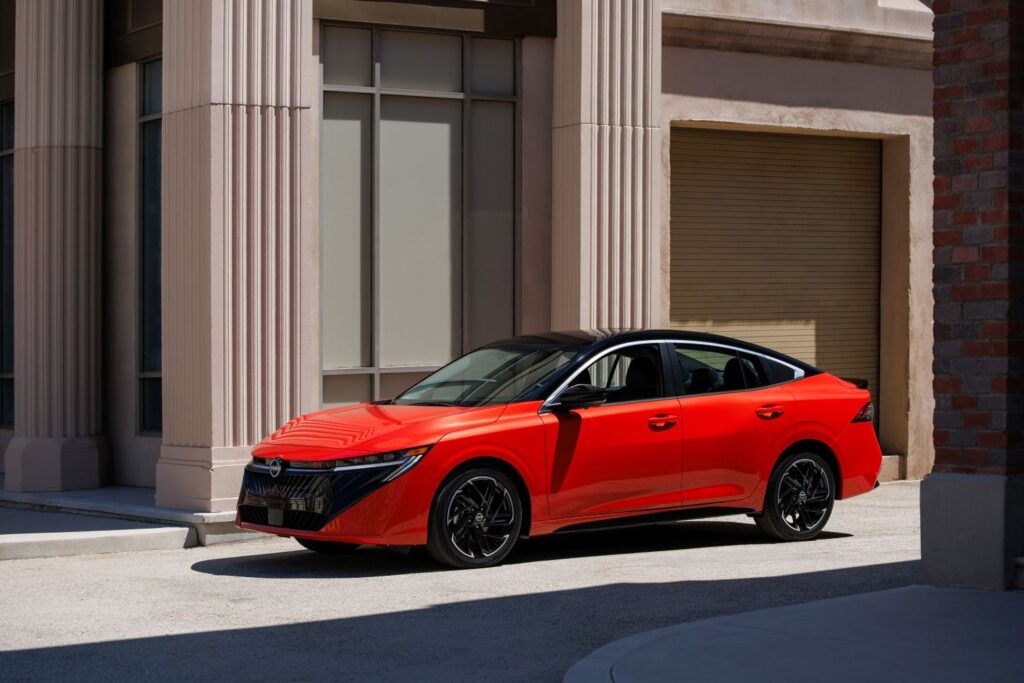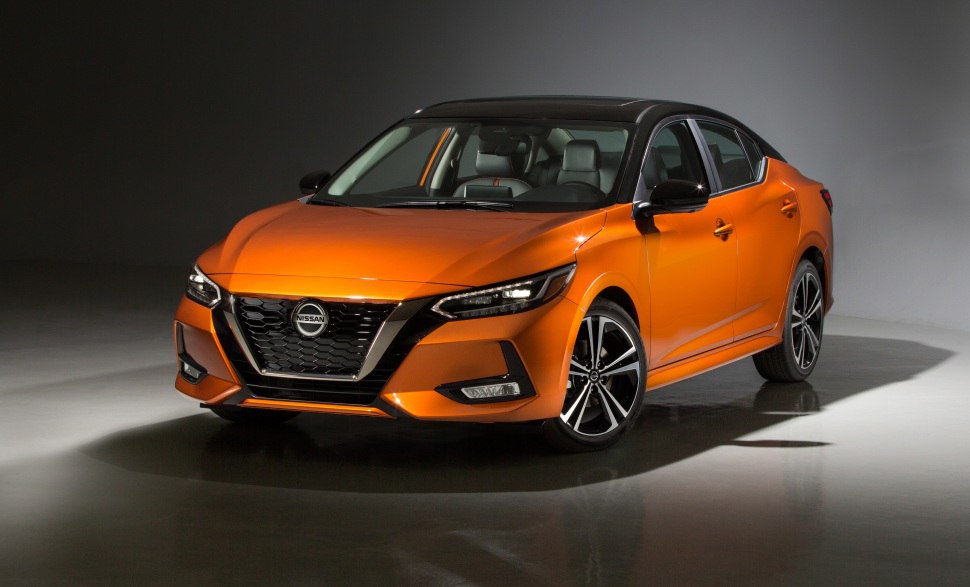
The Nissan Sentra VIII (B18) SR 2.0 with the Xtronic Continuously Variable Transmission (CVT) represents a significant iteration in Nissan’s long-running compact sedan lineage. Produced from April 2019 through June 2023, this variant occupied a mid-range position within the B18 Sentra lineup, offering a balance between performance, fuel efficiency, and features. It served as a step up from the base S model, providing more power and a more refined driving experience while remaining more accessible than the top-tier SR Turbo trim. The B18 generation marked a substantial redesign for the Sentra, moving away from the more conservative styling of its predecessor and embracing a more modern and dynamic aesthetic.
Powertrain & Engine Architecture
At the heart of the Sentra SR 2.0 Xtronic lies the MR20DD 2.0-liter inline-four cylinder gasoline engine. This engine is a naturally aspirated powerplant, meaning it relies solely on atmospheric pressure to induce airflow, rather than forced induction like a turbocharger or supercharger. It produces 149 horsepower at 6400 rpm and 198 Nm (146.04 lb-ft) of torque at 4400 rpm. The engine features direct fuel injection, a technology that improves fuel efficiency and reduces emissions by injecting fuel directly into the combustion chamber. The cylinder bore measures 84 mm (3.31 inches) and the piston stroke is 90.1 mm (3.55 inches), resulting in a displacement of 1997 cm³ (121.86 cubic inches). The compression ratio is set at 10.6:1. The engine utilizes a dual overhead camshaft (DOHC) valvetrain with four valves per cylinder, optimizing airflow for improved performance.
The MR20DD is paired exclusively with Nissan’s Xtronic CVT. This transmission simulates gear changes through a system of pulleys and a belt, offering smooth and seamless acceleration. Unlike traditional automatic transmissions with fixed gear ratios, the Xtronic CVT continuously adjusts the gear ratio to keep the engine operating at its most efficient point. This contributes to improved fuel economy and a more refined driving experience. The CVT is programmed with simulated shift points to mimic the feel of a conventional automatic transmission for drivers accustomed to that sensation.
Engine Code Specifics
The MR20DD engine code designates a specific iteration of Nissan’s MR series engines. This particular version was designed to meet increasingly stringent emissions standards, incorporating features like optimized combustion chamber design and advanced catalytic converters. The engine’s oil capacity is 4.31 liters (4.55 US quarts / 3.79 UK quarts), and Nissan specifies a particular oil grade for optimal performance and longevity. The cooling system requires 7.1 liters (7.5 US quarts / 6.25 UK quarts) of coolant.
Driving Characteristics
The Sentra SR 2.0 Xtronic delivers a comfortable and composed driving experience. While not a performance-oriented vehicle, the 149 hp engine provides adequate power for everyday driving situations, including highway merging and passing maneuvers. The Xtronic CVT contributes to smooth acceleration, although it can sometimes feel less responsive than a traditional automatic transmission, particularly during quick acceleration requests. The CVT’s programming prioritizes fuel efficiency, which can result in the engine holding lower RPMs for longer periods. The weight-to-power ratio of 9.4 kg/Hp (106.5 Hp/tonne) reflects the car’s moderate performance capabilities. The weight-to-torque ratio is 7.1 kg/Nm (141.5 Nm/tonne). Compared to the base Sentra with its lower-output engine, the SR 2.0 offers noticeably improved acceleration and overall responsiveness. It falls short of the SR Turbo model, which boasts significantly more power and a more engaging driving experience.
Equipment & Trim Levels
The SR 2.0 trim level added several features over the base Sentra S. Standard equipment typically included alloy wheels, NissanConnect infotainment system with a touchscreen display, Apple CarPlay and Android Auto compatibility, automatic emergency braking, and a suite of driver-assistance technologies. Interior upholstery was typically cloth, with optional upgrades to leatherette available. The dashboard configuration featured a modern design with a focus on user-friendliness. Available optional extras included a sunroof, heated front seats, and a premium audio system. The SR trim also often included unique exterior styling elements, such as a rear spoiler and chrome accents.
Chassis & Braking
The Sentra SR 2.0 Xtronic utilizes an independent McPherson strut suspension in the front and an independent multi-link suspension in the rear. This suspension setup provides a comfortable ride quality while maintaining good handling characteristics. The front brakes are ventilated discs measuring 279 mm, while the rear brakes are solid discs measuring 259 mm. The braking system is equipped with ABS (Anti-lock Braking System) to enhance safety and control during emergency braking situations. The steering system is an electric power steering rack and pinion, providing precise and responsive steering feel. The vehicle rides on tires sized 205/55 R16 or 205/60 R16, mounted on 6.5J x 16 inch wheel rims.
Market Reception & Comparison
The Nissan Sentra SR 2.0 Xtronic was generally well-received by automotive critics as a competent and well-rounded compact sedan. Reviewers praised its comfortable ride, spacious interior, and user-friendly technology. However, some criticized the CVT for its lack of responsiveness and the engine for its modest power output. In terms of fuel economy, the SR 2.0 Xtronic achieved combined fuel consumption of 7.4 l/100 km (31.8 US mpg / 38.2 UK mpg / 13.5 km/l), which was competitive with other vehicles in its class. Compared to the base Sentra, the SR 2.0 offered a noticeable improvement in driving experience and features, justifying its higher price point. Compared to the SR Turbo, it represented a more affordable option for buyers who prioritized fuel efficiency and comfort over outright performance.
Technical Specifications
| Body Type | Sedan, 4 Doors, 5 Seats |
| Fuel Economy (Combined) | 7.4 l/100 km / 31.8 US mpg / 38.2 UK mpg / 13.5 km/l |
| Emission Standard | LEV3-ULEV 125 |
| Power | 149 Hp @ 6400 rpm / 198 Nm @ 4400 rpm (146.04 lb.-ft. @ 4400 rpm) |
| Engine Size | 2.0 l / 1997 cm³ / 121.86 cu. in. |
| Number of Cylinders | 4, Inline |
| Drivetrain | Front wheel drive |
| Gearbox | automatic transmission Xtronic |
| Length | 4641 mm / 182.72 in. |
| Width | 1816 mm / 71.5 in. |
| Height | 1448 mm / 57.01 in. |
| Wheelbase | 2713 mm / 106.81 in. |
| Curb Weight | 1399 kg / 3084.27 lbs. |
| Gross Weight | 1815 kg / 4001.39 lbs. |
| Trunk Space | 405 l / 14.3 cu. ft. |
| Fuel Tank Capacity | 47 l / 12.42 US gal / 10.34 UK gal |
| Drag Coefficient (Cd) | 0.29 |
Legacy
The MR20DD engine paired with the Xtronic CVT has proven to be a relatively reliable powertrain combination in the Nissan Sentra VIII. While some owners have reported minor issues with the CVT, such as occasional shuddering or hesitation, these problems are not widespread and are often addressed through software updates or fluid changes. The engine itself is generally considered to be durable and long-lasting, provided it receives regular maintenance. On the used car market, the Sentra SR 2.0 Xtronic represents a good value proposition for buyers seeking a comfortable, fuel-efficient, and well-equipped compact sedan. Its relatively low maintenance costs and good reliability record make it an attractive option for those looking for a dependable daily driver. The B18 Sentra, and specifically this variant, helped to modernize Nissan’s compact car offerings and establish a stronger presence in a competitive segment.