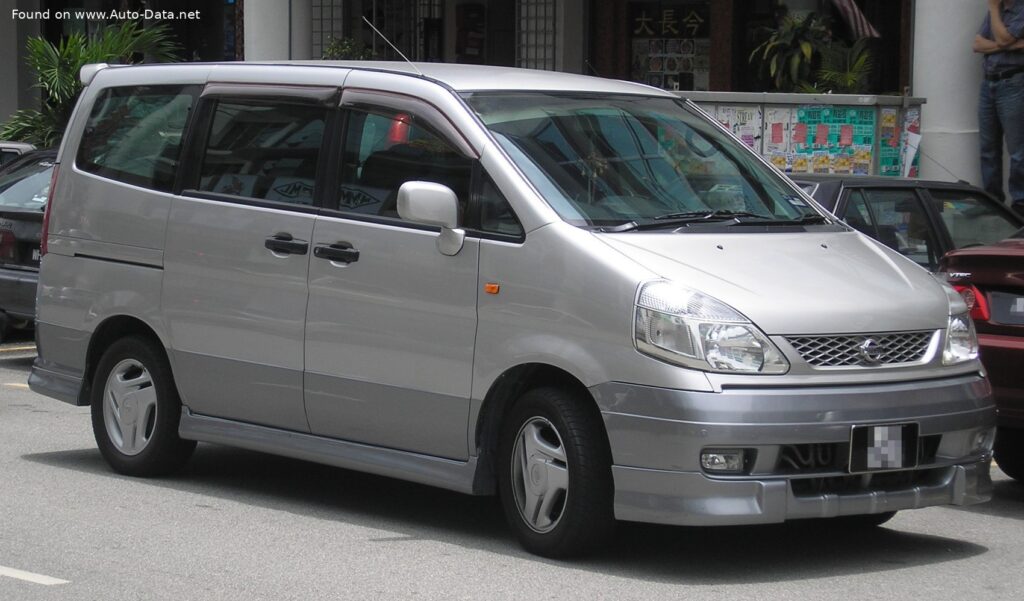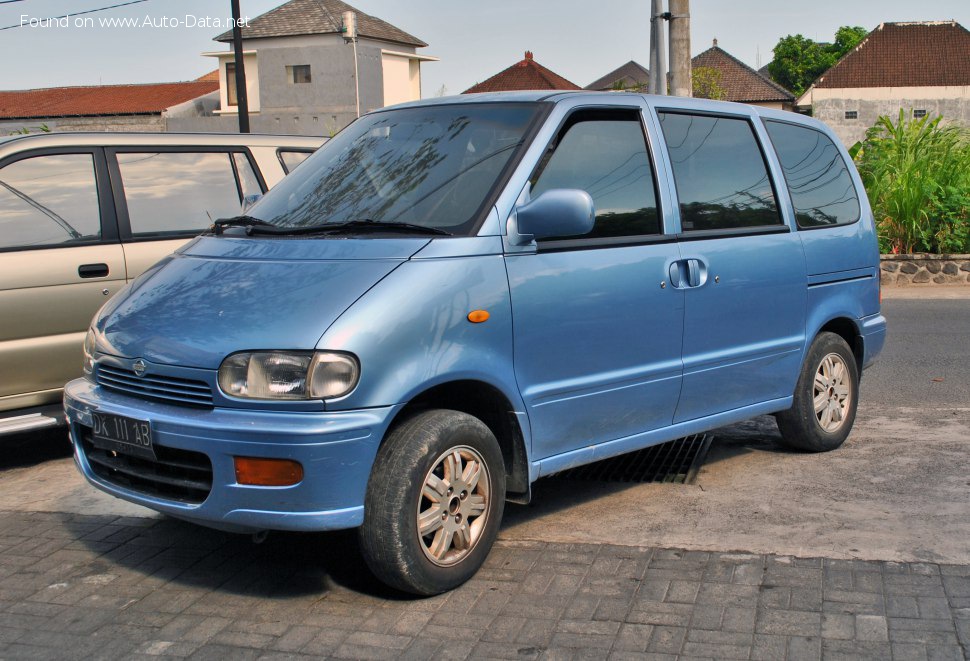
The Nissan Serena (C23M) 1.6 16V 97 hp Automatic, produced between 1993 and 2000, represents an entry-level variant within the third generation of the Serena minivan. This generation, designated C23M, was a significant step forward for the Serena, offering increased space, improved comfort, and a more refined driving experience compared to its predecessors. The 1.6L engine paired with a four-speed automatic transmission was positioned as the most accessible option in the lineup, targeting families and buyers prioritizing practicality and affordability over outright performance. It served as the base model, with higher trims offering larger engines, more luxurious features, and sometimes, all-wheel drive.
Powertrain & Engine Architecture
The heart of the C23M 1.6 16V Automatic is the GA16DE inline-four cylinder gasoline engine. This 1,597 cc (97.45 cubic inches) engine utilizes a multi-port fuel injection system, delivering fuel directly to each intake port for improved combustion efficiency. The engine features a double overhead camshaft (DOHC) valvetrain with four valves per cylinder, contributing to its relatively high output for its displacement. The compression ratio is set at 9.8:1. The engine produces 97 horsepower (hp) at 5,600 rpm and 97.36 lb-ft of torque at 3,600 rpm. The engine is longitudinally mounted in the front of the vehicle, driving the rear wheels.
The transmission is a four-speed automatic, a common choice for this class of vehicle during the 1990s. While not known for its sporty responsiveness, the transmission was designed for smooth and reliable operation, prioritizing comfort and ease of use. Specific details regarding the automatic transmission’s internal designation (e.g., RE4R01A) are often difficult to pinpoint definitively without specific build sheet information, but it was a typical four-speed unit found in Nissan vehicles of the era. The gear ratios were optimized for fuel efficiency and everyday driving conditions rather than rapid acceleration.
Engine Codes and Variations
While the GA16DE was the primary engine used, minor variations existed depending on the specific market and production year. These variations typically involved slight adjustments to the fuel injection mapping or emissions control systems to comply with local regulations. However, the core engine architecture remained consistent throughout the C23M’s production run.
Driving Characteristics
The Serena C23M 1.6L Automatic offered a comfortable, but unhurried, driving experience. With 97 hp propelling a relatively heavy vehicle (approximately 3,078 lbs), acceleration was modest. Zero to 60 mph took around 17.2 seconds, and 0-100 km/h required 18.1 seconds. Top speed was limited to around 93 mph (150 km/h). The four-speed automatic transmission contributed to this relaxed pace, with noticeable delays during downshifts and a focus on maintaining fuel efficiency. The gear ratios were relatively tall, prioritizing cruising comfort over quick acceleration. Compared to the more powerful 2.0L and 2.4L engine options available in the Serena lineup, the 1.6L felt noticeably underpowered, especially when fully loaded with passengers and cargo. However, for drivers prioritizing fuel economy and a smooth ride, the 1.6L Automatic provided a suitable balance.
Equipment & Trim Levels
The 1.6L Automatic Serena typically served as the base trim level. Standard features generally included power steering, air conditioning, and basic instrumentation. Interior upholstery was typically cloth, with a simple dashboard layout. Power windows and central locking were often optional extras, depending on the specific market. Higher trim levels added features such as alloy wheels, upgraded audio systems, woodgrain interior trim, and more comfortable seating. The Serena was designed with family use in mind, and even the base model offered a spacious interior with seating for up to eight passengers. The rear seats could be folded or removed to create additional cargo space. The trunk offered between 12.36 and 21.9 cubic feet of space depending on the rear seat configuration.
Chassis & Braking
The C23M Serena utilized a body-on-frame construction, a common practice for minivans of this era. The front suspension consisted of coil springs, while the rear suspension employed leaf springs. This configuration prioritized ride comfort and load-carrying capacity over sporty handling. The front brakes were ventilated discs, providing adequate stopping power for the front wheels. However, the rear brakes were drums, which were less effective than disc brakes and could fade under heavy use. Anti-lock braking system (ABS) was often an optional extra, rather than a standard feature on the base 1.6L model. The steering system was a rack and pinion setup with hydraulic power assistance, providing relatively light and easy steering.
Market Reception & Comparison
The Nissan Serena C23M 1.6L Automatic was generally well-received as a practical and affordable family vehicle. Critics praised its spacious interior, comfortable ride, and relatively low running costs. However, the engine’s lack of power was a common criticism, particularly when compared to competitors offering more powerful engine options. Fuel economy was a strong point, with combined fuel consumption averaging around 22 US mpg. Compared to other trims in the Serena lineup, the 1.6L Automatic offered the lowest price point but also the least amount of performance and features. The 2.0L and 2.4L models provided significantly more power and were better suited for drivers who frequently carried heavy loads or drove on hilly terrain. Reliability was generally good, with the GA16DE engine proving to be a durable and long-lasting unit.
Technical Specifications
| Brand | Nissan |
| Model | Serena |
| Generation | Serena (C23M) |
| Type | 1.6 16V (97 Hp) Automatic |
| Start of production | 1993 |
| End of production | 2000 |
| Engine Type | Internal Combustion Engine (Petrol/Gasoline) |
| Body Type | Minivan |
| Seats | 8 |
| Doors | 4 |
| Fuel Consumption (Urban) | 11.3 l/100 km (20.8 US mpg) |
| Fuel Consumption (Extra Urban) | 7.8 l/100 km (30.2 US mpg) |
| Fuel Consumption (Combined) | 10.7 l/100 km (22 US mpg) |
| Acceleration 0-100 km/h | 18.1 sec |
| Acceleration 0-62 mph | 18.1 sec |
| Acceleration 0-60 mph | 17.2 sec |
| Maximum Speed | 150 km/h (93.21 mph) |
| Engine Displacement | 1597 cm3 (97.45 cu. in.) |
| Number of Cylinders | 4 |
| Engine Configuration | Inline |
| Cylinder Bore | 76 mm (2.99 in.) |
| Piston Stroke | 88 mm (3.46 in.) |
| Compression Ratio | 9.8:1 |
| Power | 97 Hp @ 5600 rpm |
| Torque | 132 Nm @ 3600 rpm (97.36 lb.-ft. @ 3600 rpm) |
| Kerb Weight | 1396 kg (3077.65 lbs.) |
| Max. Weight | 2100 kg (4629.71 lbs.) |
| Fuel Tank Capacity | 60 l (15.85 US gal | 13.2 UK gal) |
| Length | 4315 mm (169.88 in.) |
| Width | 1710 mm (67.32 in.) |
| Height | 1840 mm (72.44 in.) |
| Wheelbase | 2735 mm (107.68 in.) |
| Transmission | 4-speed Automatic |
Legacy
The Nissan Serena C23M 1.6L Automatic, while not the most powerful or feature-rich variant, remains a popular choice in the used car market, particularly for buyers seeking an affordable and reliable family vehicle. The GA16DE engine is known for its durability and relatively low maintenance costs. Common issues include oil leaks and occasional sensor failures, but these are generally inexpensive to repair. The automatic transmission, while not particularly sophisticated, is also generally reliable if properly maintained. Today, these Serenas are often found with high mileage, but many remain in good working condition, testament to the overall build quality and reliability of the C23M generation. Its enduring appeal lies in its practicality, spaciousness, and affordability, making it a viable option for budget-conscious families.