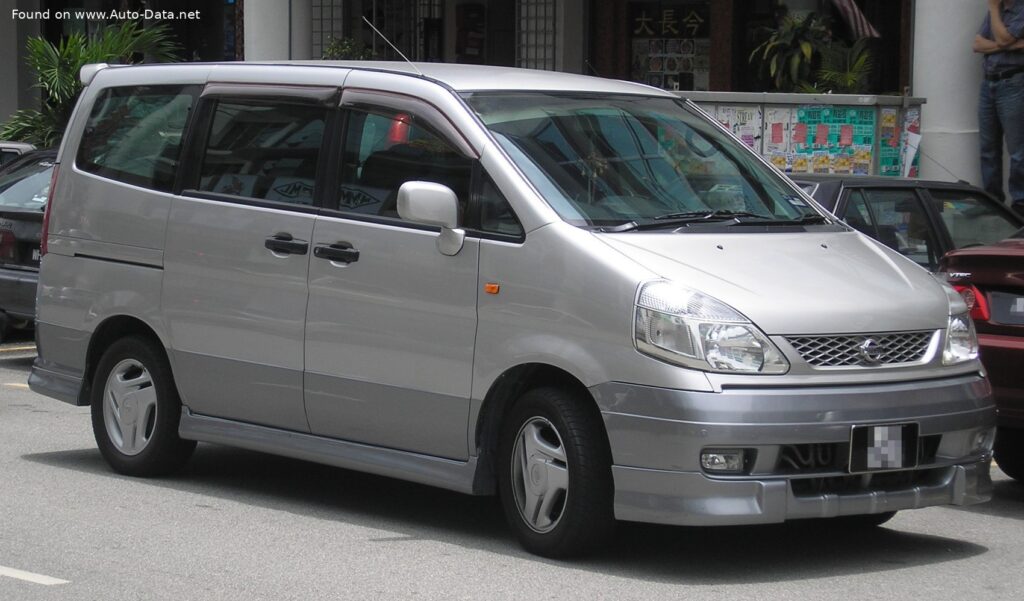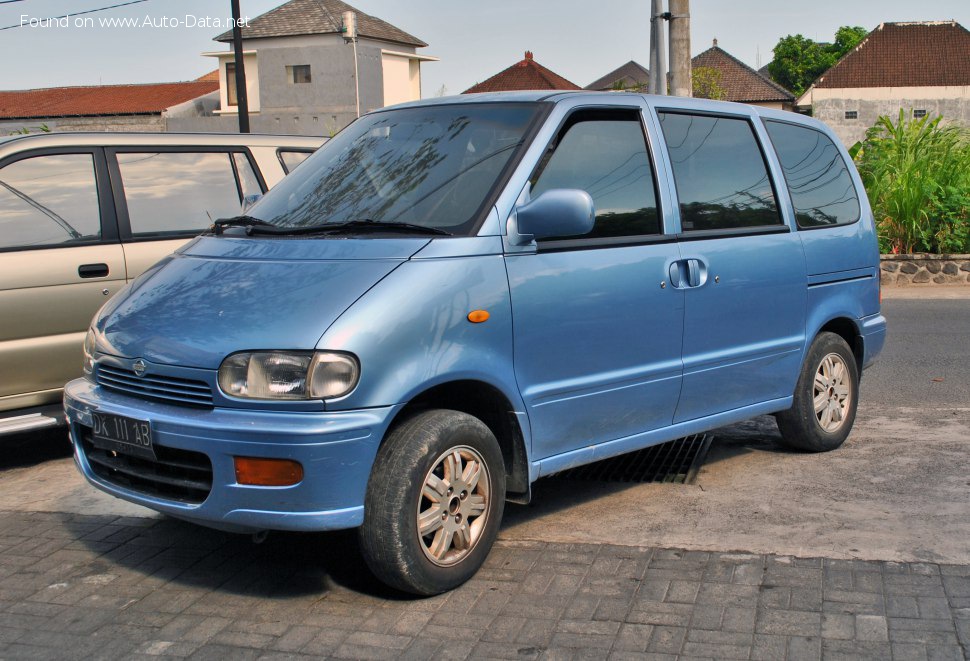
The Nissan Serena (C23M) 2.0 16V 4×4, produced between 1993 and 2000, represents a significant iteration of Nissan’s popular minivan, designed to cater to families and those requiring versatile passenger and cargo space. This particular variant, equipped with a 2.0-liter, 16-valve gasoline engine producing 140 horsepower and paired with a five-speed manual transmission, occupied a mid-range position within the C23M lineup. It offered a balance between performance, fuel economy, and all-weather capability thanks to its four-wheel-drive system. The C23M generation Serena was built on the Nissan S platform, and was a popular choice in Japan and export markets, known for its practicality and relatively spacious interior.
Powertrain & Engine Architecture
The heart of the Serena 2.0 16V 4×4 is the Nissan GA20DE engine. This 1998 cc (121.93 cu. in.) inline-four cylinder engine features a cast iron block and an aluminum cylinder head. The “DE” designation signifies Nissan’s Dual Overhead Camshaft (DOHC) design, with four valves per cylinder, contributing to improved breathing and higher power output compared to earlier single overhead cam (SOHC) engines. Fuel delivery is managed by a multi-port fuel injection system, ensuring precise fuel metering for optimal combustion. The engine’s compression ratio is 10:1.
The GA20DE produces 140 hp at 5800 rpm and 181 Nm (133.5 lb-ft) of torque at 4800 rpm. This output provides adequate power for a vehicle of its size and weight, although it wasn’t designed for outright speed. The five-speed manual transmission was chosen to provide drivers with more control over the engine’s powerband and to improve fuel efficiency compared to an automatic option. The transmission features typical gear ratios for a front-wheel-drive based all-wheel-drive system, prioritizing acceleration in the lower gears and comfortable cruising at highway speeds. The 4×4 system is typically part-time, allowing the driver to switch between two-wheel drive and four-wheel drive as needed.
Engine Codes and Variations
While the GA20DE was the primary engine for this variant, slight variations existed depending on the specific market. These variations primarily concerned emissions control equipment and minor tuning adjustments. The engine code is crucial for identifying specific parts and ensuring correct maintenance. The GA20DE engine is known for its relative reliability, although regular maintenance, including timing belt replacement, is essential to prevent costly repairs.
Driving Characteristics
The Serena 2.0 16V 4×4 offers a comfortable and practical driving experience. Acceleration from 0-100 km/h (0-62 mph) takes approximately 12.2 seconds, and 0-60 mph is achieved in around 11.6 seconds. Top speed is rated at 170 km/h (105.63 mph). While these figures aren’t particularly impressive by modern standards, they were adequate for the intended use case of a family minivan. The manual transmission allows for a more engaging driving experience than an automatic, and provides better control when navigating hilly terrain or when towing light loads.
The all-wheel-drive system enhances traction in slippery conditions, making it a suitable vehicle for regions with inclement weather. However, it’s important to note that the system is not designed for serious off-road use. The suspension is tuned for comfort, absorbing bumps and providing a relatively smooth ride. The steering is hydraulic power-assisted, offering light and easy maneuverability.
Equipment & Trim Levels
The Serena 2.0 16V 4×4 typically came equipped with a range of features designed to enhance comfort and convenience. Standard equipment generally included power steering, air conditioning, and basic instrumentation. Interior upholstery was typically cloth, with a durable and practical design. The dashboard layout was functional and straightforward, with easy-to-read gauges and controls. The seating configuration was typically eight seats, with flexible arrangements to accommodate varying passenger and cargo needs.
Optional extras available for this trim level included power windows, power door locks, and an upgraded audio system. Some models also featured alloy wheels and a sunroof. The level of equipment varied depending on the specific market and the trim package selected. Higher trim levels offered more luxurious features, such as leather upholstery and woodgrain interior trim.
Chassis & Braking
The Serena C23M utilizes a coil spring suspension in the front and a leaf spring suspension in the rear. The leaf spring rear suspension was a cost-effective solution for handling the vehicle’s load-carrying capacity. The front brakes are ventilated discs, providing good stopping power, while the rear brakes are discs. Anti-lock Braking System (ABS) was included as a standard safety feature, enhancing braking performance and stability, particularly on slippery surfaces.
The vehicle rides on 195/70 R14 tires, providing a good balance between ride comfort and handling. The steering system is a rack and pinion type, offering precise and responsive steering. The chassis is designed to provide a stable and predictable driving experience, even when fully loaded.
Market Reception & Comparison
The Nissan Serena C23M 2.0 16V 4×4 was generally well-received by critics and consumers alike. It was praised for its spacious interior, practical features, and relatively affordable price. Fuel economy was considered reasonable for a vehicle of its size, with combined fuel consumption of around 11.1 l/100 km (21.2 US mpg). Compared to other trims in the Serena lineup, the 2.0 16V 4×4 offered a good balance between performance and fuel economy. The 2.0-liter engine provided more power than the smaller 1.6-liter engine, while the manual transmission offered better fuel economy than the automatic option.
Compared to competitors such as the Toyota Previa and Honda Odyssey, the Serena offered a more affordable option with a similar level of practicality. However, some critics noted that the interior materials were not as refined as those found in some of its competitors.
Technical Specifications
| Brand | Nissan |
| Model | Serena |
| Generation | Serena (C23M) |
| Type | 2.0 16V 4×4 (140 Hp) |
| Start of production | 1993 |
| End of production | 2000 |
| Engine Displacement | 1998 cm3 (121.93 cu. in.) |
| Number of Cylinders | 4, Inline |
| Power | 140 Hp @ 5800 rpm |
| Torque | 181 Nm @ 4800 rpm (133.5 lb.-ft. @ 4800 rpm) |
| Fuel Type | Petrol (Gasoline) |
| Fuel Consumption (Urban) | 12.4 l/100 km (19 US mpg, 22.8 UK mpg) |
| Fuel Consumption (Extra Urban) | 8.3 l/100 km (28.3 US mpg, 34 UK mpg) |
| Fuel Consumption (Combined) | 11.1 l/100 km (21.2 US mpg, 25.4 UK mpg) |
| Acceleration 0-100 km/h | 12.2 sec |
| Acceleration 0-62 mph | 12.2 sec |
| Acceleration 0-60 mph | 11.6 sec |
| Maximum Speed | 170 km/h (105.63 mph) |
| Kerb Weight | 1550 kg (3417.17 lbs) |
| Max. Weight | 2225 kg (4905.29 lbs) |
| Fuel Tank Capacity | 60 l (15.85 US gal, 13.2 UK gal) |
| Dimensions (Length) | 4315 mm (169.88 in) |
| Dimensions (Width) | 1710 mm (67.32 in) |
| Dimensions (Height) | 1835 mm (72.24 in) |
| Wheelbase | 2735 mm (107.68 in) |
| Gearbox | 5 gears, manual transmission |
Legacy
The Nissan Serena C23M 2.0 16V 4×4 remains a popular choice in the used car market, particularly for those seeking a practical and affordable family vehicle. The GA20DE engine is known for its durability and relatively low maintenance costs, although regular servicing is essential. Parts availability is generally good, and the vehicle’s simple design makes it relatively easy to repair. While not a performance vehicle, the Serena 2.0 16V 4×4 offers a comfortable and reliable driving experience, making it a worthy contender in the used minivan segment. Its all-wheel-drive capability adds a layer of versatility, making it suitable for a wider range of driving conditions.