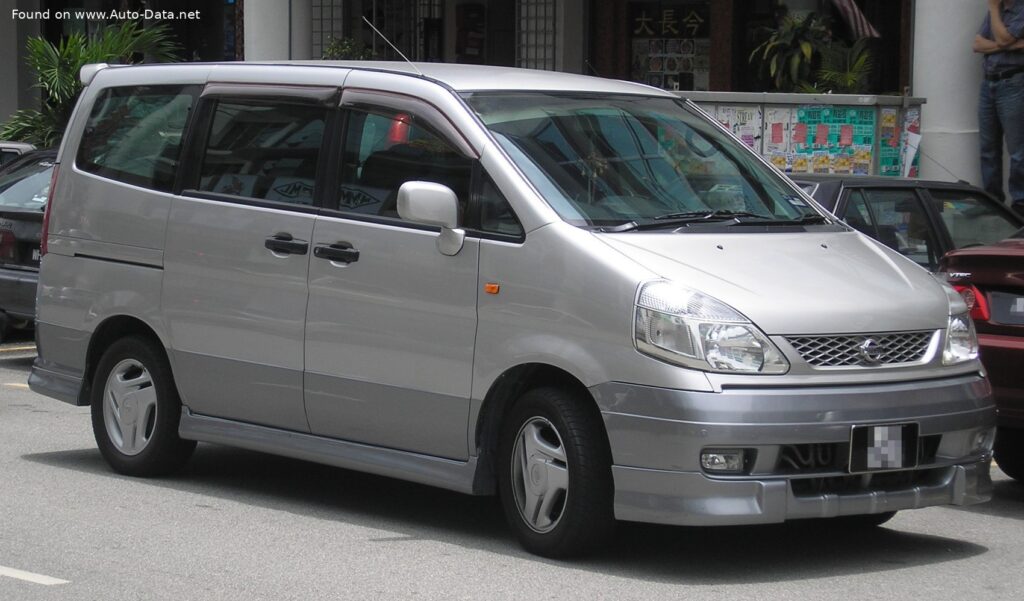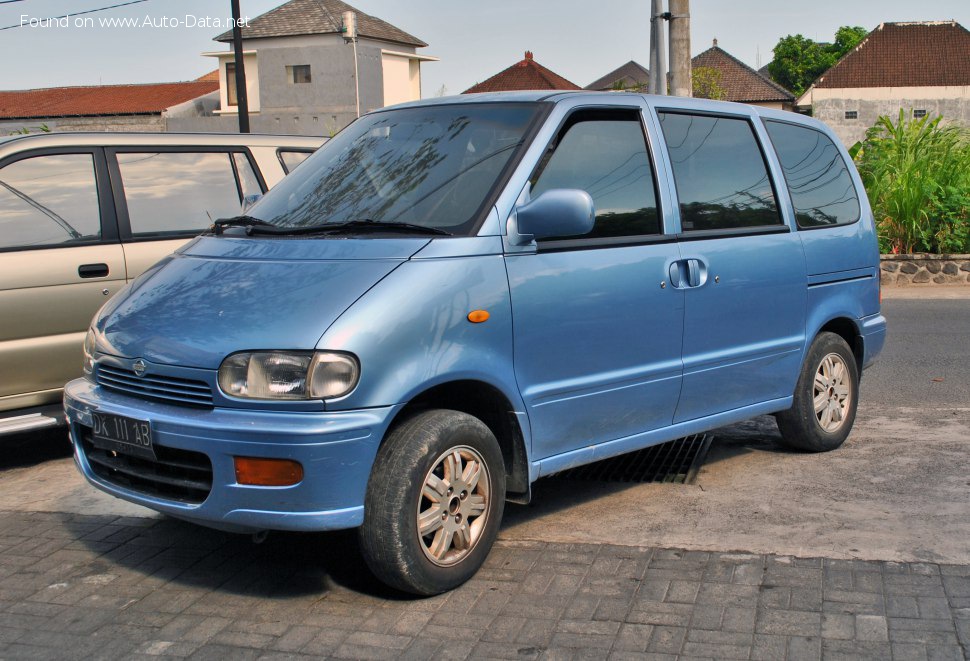
The Nissan Serena (C23M) 2.0 D, produced between 1992 and 2000, represents a significant iteration of Nissan’s popular minivan, designed primarily for the Japanese domestic market (JDM) and select export regions. This variant, powered by a 2.0-liter naturally aspirated diesel engine producing 67 horsepower, occupied a specific niche within the C23M Serena lineup, typically serving as a more economical and utilitarian option compared to gasoline-powered models. The C23M generation itself was a substantial redesign of the Serena, offering increased interior space, improved comfort, and a more modern aesthetic compared to its predecessor. It was built on a dedicated minivan platform, prioritizing passenger capacity and practicality.
Nissan Serena C23M 2.0 D: An Overview
The C23M Serena was available in a variety of configurations, including different engine options, trim levels, and seating arrangements. The 2.0 D model, while not the most powerful offering, was valued for its fuel efficiency and durability, making it a popular choice for families and commercial applications. It was often positioned as the entry-level diesel option, appealing to buyers who prioritized cost-effectiveness over outright performance. The Serena C23M competed with other Japanese minivans such as the Toyota Estima (Previa) and Honda Odyssey, though these often offered more premium features or higher performance variants.
Powertrain & Engine Architecture
The heart of the Serena C23M 2.0 D is the Nissan LD20 diesel engine. This 1998cc, four-cylinder engine is a naturally aspirated, indirect injection diesel. It utilizes a cast iron block and an aluminum cylinder head, a common construction for diesel engines of this era. The LD20 features a single overhead camshaft (SOHC) valvetrain operating two valves per cylinder. Fuel injection is mechanically controlled, utilizing a rotary injection pump. This system, while reliable, is less sophisticated than the direct injection systems found in later diesel engines, contributing to the lower horsepower output. The engine’s relatively low compression ratio (typically around 18:1) and indirect injection design contribute to quieter operation compared to some contemporary diesels, but also limit power and efficiency.
The engine is mated to a four-speed automatic transmission in most configurations. This transmission is a conventional hydraulic automatic, known for its simplicity and durability. It’s not particularly refined by modern standards, exhibiting noticeable shift delays and a lack of smoothness. The transmission is designed to prioritize reliability and ease of maintenance over sporty performance. Manual transmission options were available in other Serena variants, but the 2.0 D was predominantly offered with the automatic.
Driving Characteristics
The driving experience in the Serena C23M 2.0 D is best described as utilitarian. With only 67 horsepower and approximately 125 lb-ft of torque, acceleration is slow, particularly when fully loaded with passengers and cargo. The automatic transmission further diminishes performance, with relatively wide gear ratios designed for fuel economy rather than quick acceleration. The engine is most comfortable operating in the mid-range, providing adequate power for cruising on level roads. However, climbing hills or overtaking requires careful planning and often necessitates downshifting. The rear-wheel drive configuration provides a stable driving experience, but it also means that the Serena C23M 2.0 D lacks the all-weather capability of all-wheel drive variants available in other Serena trims.
Steering is light and easy, making maneuvering in tight spaces relatively simple. The suspension is tuned for comfort, absorbing bumps and imperfections in the road reasonably well. However, the Serena C23M 2.0 D is not a particularly sporty vehicle; body roll is noticeable in corners, and the steering lacks feedback. Overall, the driving experience is geared towards practicality and comfort rather than performance.
Equipment & Trim Levels
The Serena C23M 2.0 D typically came with a fairly basic level of equipment, reflecting its position as a more affordable option. Standard features generally included power steering, air conditioning (often optional), and a basic audio system. Interior upholstery was typically vinyl or a durable cloth material. The dashboard layout is functional and straightforward, with clearly labeled controls. Higher trim levels, such as the “Grand Extra” or “Highway Star,” offered additional features like power windows, central locking, upgraded audio systems, and more luxurious interior trim. Optional extras included alloy wheels, a sunroof, and rear air conditioning. Seating configurations varied, with options for seven or eight passengers, and the rear seats could often be folded or removed to create more cargo space.
Chassis & Braking
The Serena C23M utilizes a body-on-frame construction, providing a robust and durable chassis. The front suspension consists of independent MacPherson struts, while the rear suspension employs a solid axle with leaf springs. This setup prioritizes load-carrying capacity and durability over sophisticated handling. Braking is typically accomplished with disc brakes on the front wheels and drum brakes on the rear wheels. Power assistance is standard. The brake system is adequate for normal driving conditions, but it lacks the stopping power of more modern braking systems. Stabilizer bars were often included, particularly on higher trim levels, to reduce body roll during cornering.
Market Reception & Comparison
The Nissan Serena C23M 2.0 D received generally positive reviews for its practicality, fuel efficiency, and reliability. Critics praised its spacious interior and comfortable ride, but noted its lack of performance. Compared to the gasoline-powered Serena variants, the 2.0 D offered significantly better fuel economy, making it a popular choice for high-mileage drivers. However, it lacked the refinement and responsiveness of the gasoline engines. Compared to competitors like the Toyota Estima, the Serena C23M 2.0 D was often seen as a more affordable and utilitarian option, while the Estima offered more premium features and a more sophisticated driving experience. The LD20 diesel engine, while durable, was known to require regular maintenance, including valve adjustments and injector servicing.
Technical Specifications
| Body Type | Minivan, 4 Doors, 8 Seats |
| Engine Type | 2.0L Diesel (LD20) |
| Engine Displacement | 1998 cc |
| Power Output | 67 hp @ 4000 rpm |
| Torque Output | 125 lb-ft @ 2000 rpm |
| Fuel System | Mechanical Rotary Injection Pump |
| Valvetrain | SOHC, 2 Valves per Cylinder |
| Transmission | 4-Speed Automatic |
| Drivetrain | Rear Wheel Drive |
| Front Suspension | MacPherson Strut |
| Rear Suspension | Solid Axle with Leaf Springs |
| Front Brakes | Disc |
| Rear Brakes | Drum |
| Fuel Economy (Combined) | Approximately 25-30 mpg (estimated) |
| Weight | Approximately 3,300 lbs (1,500 kg) |
Legacy
The Nissan Serena C23M 2.0 D remains a relatively common sight on the used car market, particularly in Japan and other regions where it was originally sold. The LD20 diesel engine is known for its durability, and many examples have accumulated high mileage without major mechanical issues. However, age and wear can lead to problems with the fuel injection system and other components. Parts availability is generally good, but some specific components may be difficult to find. The C23M Serena 2.0 D is often appreciated by enthusiasts for its simplicity, reliability, and affordability. It represents a practical and economical transportation solution for families and individuals who prioritize functionality over performance. While not a particularly exciting vehicle to drive, it remains a capable and dependable minivan that has stood the test of time.