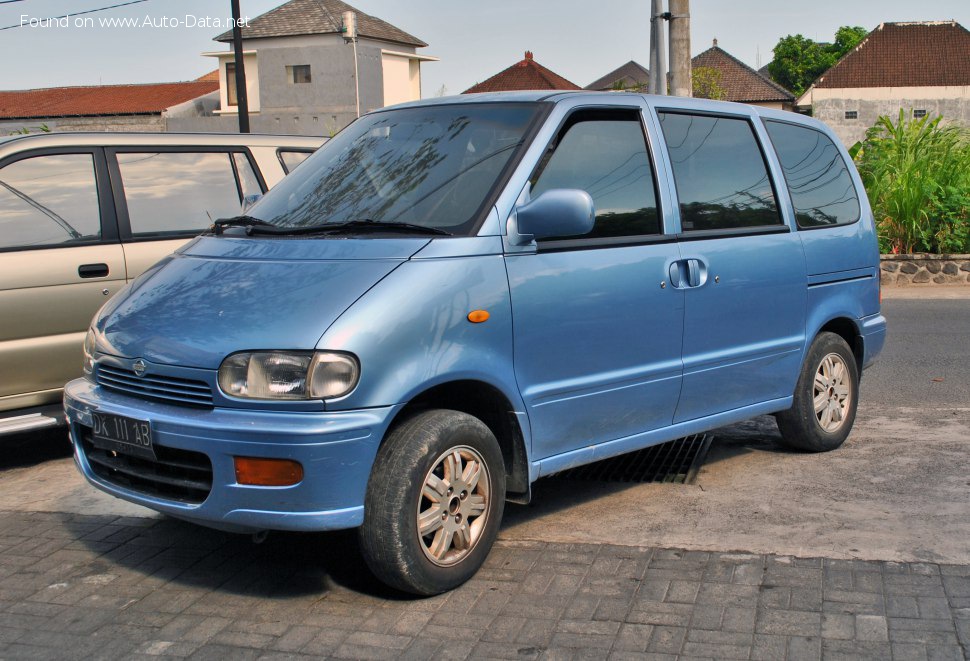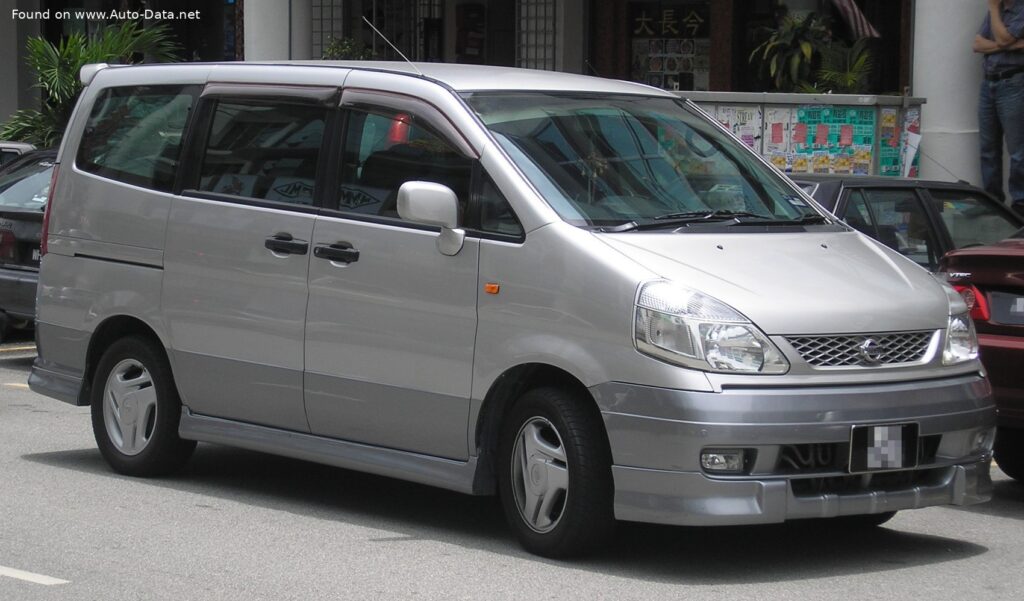
The Nissan Serena C24, produced from 1999 to 2005, represented the fourth generation of Nissan’s popular minivan. Offered in a variety of configurations, the 2.0 16V (145 hp) variant occupied a middle ground in the lineup, providing a balance between affordability, practicality, and performance. This version was aimed at families seeking a spacious and comfortable vehicle for everyday use, without the added expense of the higher-trim models. The C24 generation was built on the Nissan S platform, known for its focus on interior space and family-oriented features.
Nissan Serena C24 2.0 16V: An Overview
The 2.0 16V Serena C24 was a key component of Nissan’s strategy to capture a larger share of the minivan market. It offered a compelling alternative to competitors like the Toyota Previa and Honda Odyssey, particularly in regions where fuel efficiency and affordability were paramount. The C24’s design emphasized a modern aesthetic, with a rounded exterior and a focus on maximizing interior volume. The 2.0L engine, while not the most powerful option available, provided adequate performance for typical minivan duties, such as commuting and family road trips.
Powertrain & Engine Architecture
At the heart of the Serena C24 2.0 16V was the QR20DE engine, a 1998 cc (121.93 cu. in.) inline-four cylinder gasoline engine. This engine featured a double overhead camshaft (DOHC) valvetrain with four valves per cylinder, contributing to its relatively high output for its displacement. The QR20DE utilized multi-port fuel injection, delivering fuel directly into the intake ports for optimized combustion. The engine produced 145 horsepower at 6400 rpm and 179 Nm (132.02 lb-ft) of torque at 4800 rpm. The compression ratio was set at 10:1. This engine was known for its generally reliable operation and relatively straightforward maintenance requirements.
The 2.0L engine was typically paired with a four-speed automatic transmission. This transmission was chosen for its ease of use and suitability for family drivers. While not offering the most advanced gear ratios, it provided smooth shifts and adequate acceleration for everyday driving. The transmission was electronically controlled, optimizing shift points based on throttle position and vehicle speed. The front-wheel-drive configuration was standard for this variant.
Driving Characteristics
The Serena C24 2.0 16V offered a comfortable and predictable driving experience. Acceleration from 0 to 100 km/h (0-62 mph) took approximately 15 seconds, and 0-60 mph was achieved in around 14.3 seconds. The top speed was limited to 165 km/h (102.53 mph). While these figures weren’t particularly impressive, they were sufficient for most driving situations. The automatic transmission contributed to a relaxed driving style, particularly in urban environments. Compared to the manual transmission versions, the automatic offered less driver engagement but greater convenience. The 2.0L engine delivered its power in a linear fashion, with a noticeable emphasis on mid-range torque. This made it well-suited for overtaking maneuvers and climbing hills, although it lacked the punch of higher-output engines.
Equipment & Trim Levels
The Serena C24 2.0 16V typically came equipped with a range of standard features designed to enhance comfort and convenience. These included power windows, power door locks, air conditioning, and a basic audio system. Interior upholstery was typically cloth, with options for upgraded materials available on higher trim levels. The dashboard layout was functional and user-friendly, with clearly labeled controls. Optional extras included features such as alloy wheels, a sunroof, and a more advanced audio system with CD player. The seating configuration was typically eight seats, with flexible arrangements to accommodate varying passenger and cargo needs. The rear seats could be folded or removed to create additional space.
Chassis & Braking
The Serena C24 2.0 16V featured a coil spring suspension system at both the front and rear. This provided a comfortable ride quality, absorbing bumps and irregularities in the road surface effectively. The front suspension utilized a MacPherson strut design, while the rear suspension employed a torsion beam setup. The braking system consisted of ventilated discs at the front and solid discs at the rear. Anti-lock braking system (ABS) was standard, enhancing safety by preventing wheel lockup during hard braking. The steering system was a rack and pinion type with hydraulic power assistance, providing precise and responsive steering feel. The vehicle rode on 195/65 R15 tires.
Market Reception & Comparison
The Nissan Serena C24 2.0 16V was generally well-received by critics and consumers alike. It was praised for its spacious interior, comfortable ride, and practical features. Fuel economy was rated at 8.3 l/100 km (28.3 US mpg, 34 UK mpg, 12 km/l), which was competitive for its class. Compared to the higher-trim Serena models with larger engines, the 2.0 16V offered a more affordable entry point into the minivan segment. However, some critics noted that the engine lacked the power of its larger counterparts, particularly when fully loaded with passengers and cargo. In terms of reliability, the QR20DE engine proved to be generally robust, with few major issues reported. The automatic transmission also demonstrated good durability, although regular maintenance was essential to ensure optimal performance.
Technical Specifications
| Brand | Nissan |
| Model | Serena |
| Generation | Serena (C24) |
| Type (Engine) | 2.0 16V (145 Hp) |
| Start of production | June, 1999 |
| End of production | 2005 |
| Powertrain Architecture | Internal Combustion engine |
| Body type | Minivan |
| Seats | 8 |
| Doors | 5 |
| Fuel consumption (combined) | 8.3 l/100 km |
| Fuel consumption (US mpg) | 28.3 US mpg |
| Fuel consumption (UK mpg) | 34 UK mpg |
| Fuel Type | Petrol (Gasoline) |
| Acceleration 0 – 100 km/h | 15 sec |
| Acceleration 0 – 62 mph | 15 sec |
| Acceleration 0 – 60 mph | 14.3 sec |
| Maximum speed | 165 km/h |
| Weight-to-power ratio | 11.1 kg/Hp |
| Power | 145 Hp @ 6400 rpm |
| Torque | 179 Nm @ 4800 rpm (132.02 lb.-ft. @ 4800 rpm) |
| Engine layout | Front, Transverse |
| Engine displacement | 1998 cm3 (121.93 cu. in.) |
| Number of cylinders | 4 |
| Engine configuration | Inline |
| Cylinder Bore | 86 mm (3.39 in.) |
| Piston Stroke | 86 mm (3.39 in.) |
| Compression ratio | 10:1 |
| Number of valves per cylinder | 4 |
| Fuel injection system | Multi-port manifold injection |
| Engine aspiration | Naturally aspirated engine |
| Valvetrain | DOHC |
| Kerb Weight | 1610 kg (3549.44 lbs.) |
| Max. weight | 2060 kg (4541.52 lbs.) |
| Fuel tank capacity | 60 l (15.85 US gal | 13.2 UK gal) |
| Length | 4520 mm (177.95 in.) |
| Width | 1695 mm (66.73 in.) |
| Height | 1830 mm (72.05 in.) |
| Wheelbase | 2695 mm (106.1 in.) |
Legacy
The Nissan Serena C24 2.0 16V remains a popular choice in the used car market, particularly for families seeking an affordable and reliable minivan. The QR20DE engine is known for its longevity, and with proper maintenance, it can provide many years of service. While the automatic transmission may require occasional attention, it is generally durable. The C24’s spacious interior and practical features continue to appeal to buyers, making it a viable option for those seeking a comfortable and versatile vehicle. The C24 generation helped solidify the Serena’s reputation as a dependable and family-friendly minivan, paving the way for subsequent generations.