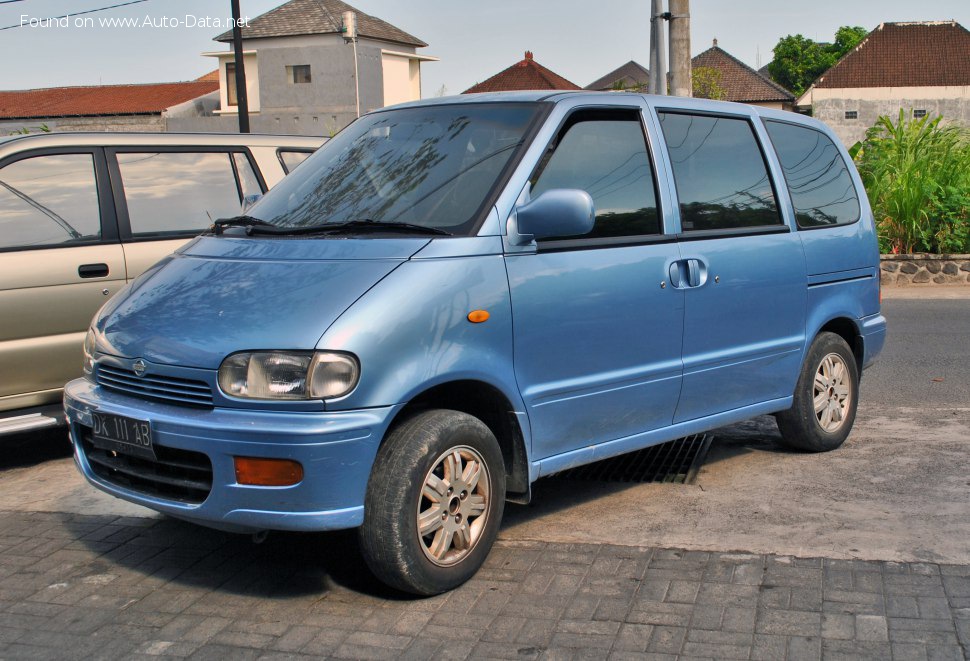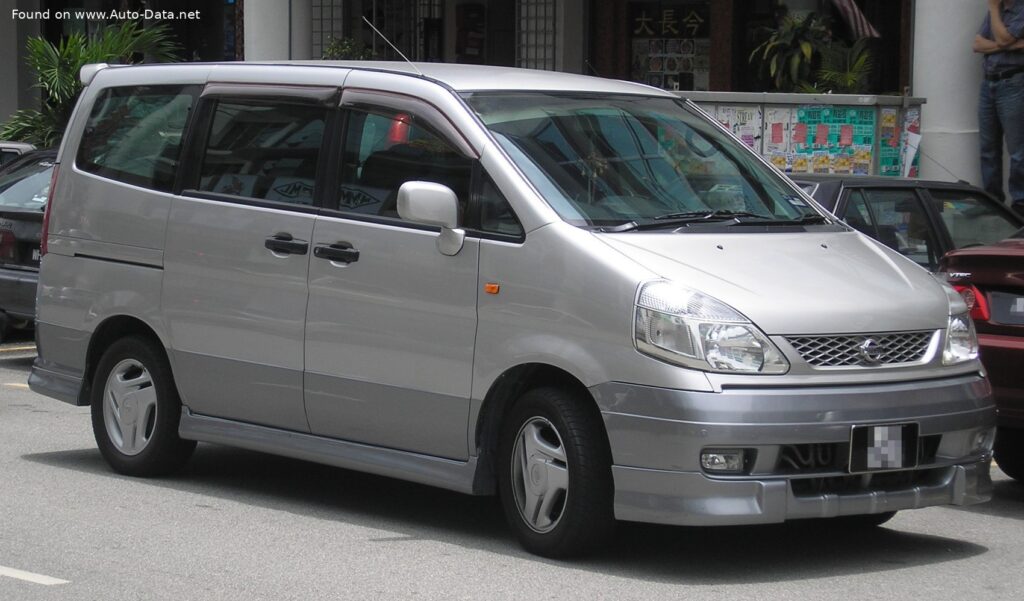
The Nissan Serena C24, produced from 1999 to 2005, represented a significant evolution in the popular Japanese minivan. Within the C24 generation, the 2.5 TDi 16V variant, boasting 150 horsepower, occupied a middle ground in the lineup, offering a balance between performance, fuel economy, and practicality. This model aimed to provide a more refined driving experience compared to lower-powered options while remaining more accessible than the potentially more expensive or specialized trims. The C24 Serena was primarily marketed towards families seeking a spacious and comfortable vehicle for both daily commuting and longer journeys.
Nissan Serena C24 2.5 TDi 16V: An Overview
The C24 Serena was a key model for Nissan, building upon the success of previous generations. It was designed to compete with other mid-size minivans, offering a versatile interior and a range of engine options. The 2.5 TDi variant, introduced as a diesel alternative, was particularly popular in markets where diesel fuel was readily available and cost-effective. This engine provided a noticeable increase in torque compared to the gasoline counterparts, making it well-suited for carrying passengers and cargo. The C24 Serena was built on Nissan’s ‘M’ platform, known for its robust construction and adaptable design.
Powertrain & Engine Architecture
The heart of the Serena C24 2.5 TDi 16V is its 2.5-liter inline-four cylinder diesel engine, designated as a QD25D. This engine utilizes a sophisticated diesel common rail fuel injection system, which allowed for precise fuel delivery and improved combustion efficiency. The 16-valve configuration, with four valves per cylinder, further enhanced the engine’s breathing and contributed to its power output. The QD25D engine produced 150 hp at 4000 rpm and a substantial 280 Nm (206.52 lb-ft) of torque at 1800 rpm. This torque figure was a key selling point, providing strong acceleration even when fully loaded.
The engine also featured a turbocharger, which boosted power and torque by forcing more air into the cylinders. The turbocharger was typically a variable geometry turbo (VGT), allowing it to optimize boost pressure across a wider range of engine speeds. The engine was mounted longitudinally in the front of the vehicle, driving the front wheels. The Serena 2.5 TDi was paired with a four-speed automatic transmission. While not the most modern transmission available at the time, it provided smooth and convenient gear changes, catering to the target audience who prioritized ease of use over sporty performance. The transmission was electronically controlled, adapting to driving conditions and driver input.
Driving Characteristics
The Serena C24 2.5 TDi 16V offered a comfortable and relaxed driving experience. The abundant torque from the diesel engine meant that the vehicle could accelerate briskly, even with a full complement of passengers and luggage. While the four-speed automatic transmission wasn’t known for its lightning-fast shifts, it provided smooth transitions between gears. Acceleration from 0 to 100 km/h (0-62 mph) took approximately 13 seconds, and 0 to 60 mph was achieved in around 12.4 seconds. Top speed was limited to 170 km/h (105.63 mph).
Compared to the gasoline-powered Serena models, the 2.5 TDi offered superior low-end torque, making it easier to navigate hilly terrain or accelerate from a standstill. However, the diesel engine was noticeably louder and produced more vibration than the gasoline engines. The suspension was tuned for comfort, providing a smooth ride over most road surfaces. The steering was light and easy to use, making the Serena easy to maneuver in urban environments.
Equipment & Trim Levels
The Serena C24 2.5 TDi 16V typically came equipped with a range of standard features, including air conditioning, power windows, power door locks, and a basic audio system. Higher trim levels offered additional features such as alloy wheels, a more sophisticated audio system, and upgraded interior trim. Interior upholstery was typically cloth, although leather options were available on some trims. The dashboard layout was functional and user-friendly, with clearly labeled controls. Optional extras included a sunroof, rear air conditioning, and a navigation system.
The seating configuration was a key feature of the Serena, with seating for up to eight passengers. The second and third-row seats could be folded or removed to create more cargo space. The rear doors were sliding doors, providing easy access to the rear seats, even in tight parking spaces. The overall interior design prioritized practicality and comfort, with ample storage compartments throughout the cabin.
Chassis & Braking
The Serena C24 2.5 TDi 16V featured a front-engine, front-wheel-drive layout. The suspension consisted of coil springs and shock absorbers on both the front and rear axles. The front suspension utilized a MacPherson strut design, while the rear suspension employed a multi-link setup. The braking system consisted of ventilated discs on the front wheels and solid discs on the rear wheels. Anti-lock braking system (ABS) was standard, enhancing safety by preventing wheel lockup during hard braking. The steering system was a rack-and-pinion type with hydraulic power assistance, providing light and precise steering control. The vehicle rode on 195/65 R15 tires.
Market Reception & Comparison
The Nissan Serena C24 2.5 TDi 16V was generally well-received by critics and consumers alike. It was praised for its spacious interior, comfortable ride, and fuel efficiency. The diesel engine provided a good balance between performance and economy, making it a popular choice for families and long-distance drivers. Compared to the gasoline-powered Serena models, the 2.5 TDi offered better fuel economy and more torque. However, it was also criticized for its engine noise and vibration. In terms of reliability, the QD25D engine proved to be relatively robust, although regular maintenance was essential to prevent issues. Compared to competitors like the Toyota Alphard and Honda Odyssey, the Serena offered a more affordable price point.
Technical Specifications
| Brand | Nissan |
| Model | Serena |
| Generation | Serena (C24) |
| Type (Engine) | 2.5 TDi 16V (150 Hp) |
| Start of production | June, 1999 |
| End of production | 2005 |
| Fuel consumption (combined) | 7.8 l/100 km |
| Fuel consumption (US mpg) | 30.2 |
| Fuel consumption (UK mpg) | 36.2 |
| Fuel Type | Diesel |
| Acceleration 0 – 100 km/h | 13 sec |
| Acceleration 0 – 62 mph | 13 sec |
| Acceleration 0 – 60 mph | 12.4 sec |
| Maximum speed | 170 km/h (105.63 mph) |
| Power | 150 Hp @ 4000 rpm |
| Torque | 280 Nm @ 1800 rpm (206.52 lb.-ft. @ 1800 rpm) |
| Engine displacement | 2488 cm3 (151.83 cu. in.) |
| Number of cylinders | 4 |
| Engine configuration | Inline |
| Cylinder Bore | 89 mm (3.5 in.) |
| Piston Stroke | 100 mm (3.94 in.) |
| Compression ratio | 17.5:1 |
| Kerb Weight | 1720 kg (3791.95 lbs.) |
| Max. weight | 2160 kg (4761.98 lbs.) |
| Trunk (boot) space – minimum | 520 l (18.36 cu. ft.) |
| Fuel tank capacity | 60 l (15.85 US gal | 13.2 UK gal) |
| Length | 4520 mm (177.95 in.) |
| Width | 1695 mm (66.73 in.) |
| Height | 1830 mm (72.05 in.) |
| Wheelbase | 2695 mm (106.1 in.) |
| Number of gears | 4 |
| Gearbox type | Automatic transmission |
Legacy
The Nissan Serena C24 2.5 TDi 16V remains a popular choice in the used car market, particularly in regions where diesel vehicles are common. The QD25D engine is known for its durability and relatively low maintenance costs, provided it is properly maintained. While older examples may require some repairs, the engine is generally considered to be reliable. The Serena C24’s spacious interior and practical features continue to appeal to families seeking an affordable and versatile minivan. The 2.5 TDi variant, with its strong torque and good fuel economy, remains a desirable option for those who prioritize practicality and efficiency.