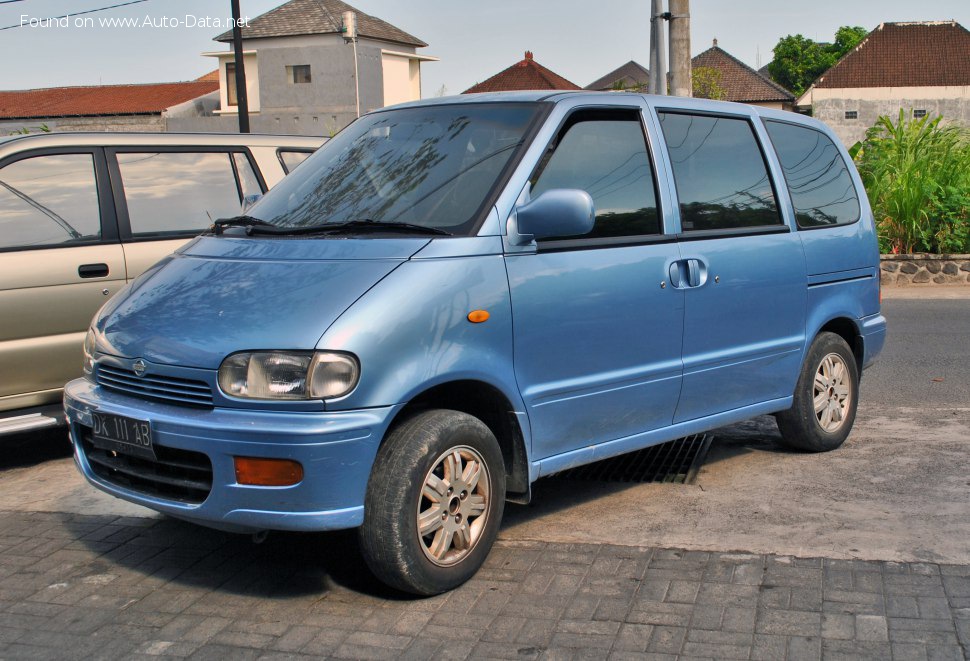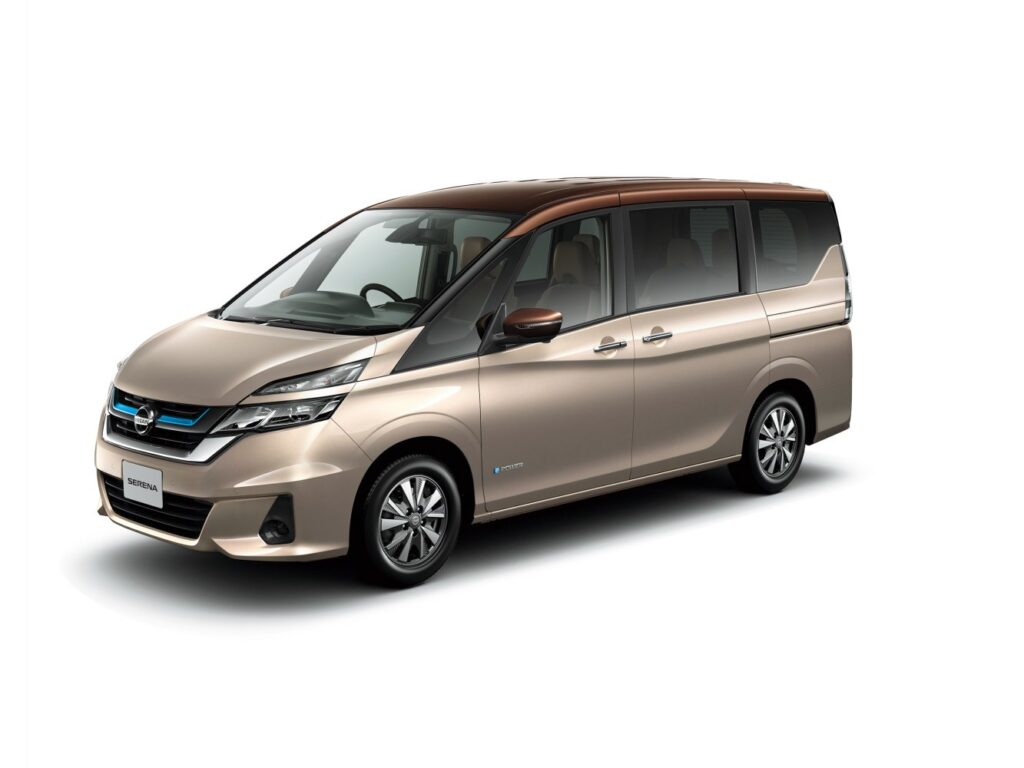
The Nissan Serena C27 1.2 e-POWER Hybrid, produced from 2018 to 2019, represents a significant step in Nissan’s hybrid technology and minivan offerings. This variant occupied a mid-range position within the C27 Serena lineup, offering a balance between fuel efficiency, practicality, and technology. The C27 generation itself was a major redesign for the Serena, focusing on spaciousness, comfort, and advanced driver-assistance systems. The e-POWER system, unique to Nissan, distinguishes this model from traditional hybrid vehicles by utilizing the internal combustion engine solely to generate electricity, which then powers an electric motor driving the wheels. This configuration provides a driving experience closer to that of a fully electric vehicle, while mitigating range anxiety.
Nissan Serena C27 1.2 e-POWER Hybrid: An Overview
The Serena C27 1.2 e-POWER Hybrid is a five-door minivan designed to accommodate up to seven passengers. It was primarily marketed towards families seeking a versatile and fuel-efficient vehicle for daily commutes and longer journeys. The “e-POWER” designation signifies Nissan’s innovative hybrid system, which differs from conventional hybrids by not directly connecting the gasoline engine to the drivetrain. Instead, the gasoline engine acts as a generator, charging a battery that powers the electric motor. This setup allows for instant torque delivery and a quieter driving experience. The 1.2-liter engine, while relatively small, is optimized for efficiency within the e-POWER system.
Powertrain & Engine Architecture
At the heart of the Serena C27 1.2 e-POWER Hybrid lies the HR12DE, a 1.2-liter inline-three cylinder gasoline engine. This engine produces 84 horsepower at 6000 rpm and 103 Nm (75.97 lb-ft) of torque between 3200-5200 rpm. The engine features multi-port fuel injection and a DOHC valvetrain with Twin VTC (Variable Timing Control) to optimize combustion efficiency and power delivery. Crucially, the HR12DE does *not* directly power the wheels. Its sole purpose is to drive a generator, which in turn charges the lithium-ion battery pack.
The electric motor, designated EM57, is a synchronous motor delivering 136 horsepower and 320 Nm (236.02 lb-ft) of torque. This electric motor is the sole source of propulsion for the front wheels. The e-POWER system utilizes a single-speed automatic transmission, simplifying the driving experience and maximizing efficiency. The battery technology employed is lithium-ion, providing a balance between energy density, weight, and lifespan. The system’s total combined power output is rated at 136 hp, reflecting the electric motor’s output as the primary driver.
Driving Characteristics
The driving experience in the Serena C27 1.2 e-POWER Hybrid is markedly different from that of a traditional gasoline-powered minivan. The instant torque provided by the electric motor results in brisk acceleration, particularly from a standstill. While the 136 hp output isn’t exceptionally high, the e-POWER system delivers a responsive and engaging driving feel. The absence of a conventional transmission contributes to smooth and seamless acceleration. The engine itself is relatively quiet, only becoming noticeable under heavy acceleration when it ramps up to generate more electricity.
Compared to other Serena C27 variants, such as those equipped with larger gasoline engines, the 1.2 e-POWER Hybrid prioritizes fuel efficiency over outright performance. The single-speed transmission, while simplifying operation, doesn’t offer the gear ratios for maximizing highway cruising efficiency like a multi-gear automatic or CVT. However, the regenerative braking system helps recapture energy during deceleration, further enhancing fuel economy. The weight-to-power ratio of 12.8 kg/hp and weight-to-torque ratio of 5.4 kg/Nm reflect the vehicle’s focus on efficiency rather than raw power.
Equipment & Trim Levels
The Serena C27 1.2 e-POWER Hybrid typically came well-equipped, reflecting its position as a mid-range offering. Standard features generally included automatic climate control, power windows and locks, a touchscreen infotainment system with navigation, and a rearview camera. Higher trim levels added features such as leather upholstery, heated front seats, and advanced driver-assistance systems like ProPILOT Assist (Nissan’s semi-autonomous driving technology). The interior design emphasized spaciousness and comfort, with flexible seating configurations to accommodate various passenger and cargo needs. The dashboard layout was modern and functional, with a focus on ease of use. Optional extras often included a panoramic sunroof, upgraded audio systems, and various exterior styling enhancements.
Chassis & Braking
The Serena C27 1.2 e-POWER Hybrid utilizes an independent McPherson strut suspension in the front and a torsion beam suspension in the rear. This suspension setup provides a comfortable ride quality, absorbing bumps and irregularities in the road surface effectively. The front brakes are ventilated discs, offering strong stopping power, while the rear brakes are discs. The vehicle is equipped with ABS (Anti-lock Braking System) as standard, enhancing safety during emergency braking situations. Electric power steering provides light and precise steering control. The vehicle’s curb weight ranges from 1740-1760 kg (3836.04 – 3880.14 lbs), influencing the suspension tuning and braking performance.
Market Reception & Comparison
The Nissan Serena C27 1.2 e-POWER Hybrid was generally well-received by critics and consumers alike. Its innovative e-POWER system was praised for its smooth and efficient operation, offering a unique driving experience compared to traditional hybrids. Fuel economy figures of 3.8 l/100 km (61.9 US mpg, 74.3 UK mpg, 26.3 km/l) were considered excellent for a vehicle of its size and class. Compared to other Serena C27 trims, the 1.2 e-POWER Hybrid offered a compelling balance between fuel efficiency and practicality. While the larger gasoline engines provided more power, they came at the expense of fuel economy. The e-POWER system positioned itself as an attractive option for environmentally conscious buyers seeking a spacious and versatile minivan.
Technical Specifications
| Brand | Nissan |
| Model | Serena |
| Generation | Serena (C27) |
| Type | 1.2 (136 Hp) e-POWER Hybrid |
| Start of production | 2018 |
| End of production | 2019 |
| Engine | HR12DE, 1.2L Inline-3 |
| Engine Power | 84 hp @ 6000 rpm |
| Engine Torque | 103 Nm @ 3200-5200 rpm |
| Electric Motor | EM57, Synchronous |
| Electric Motor Power | 136 hp |
| Electric Motor Torque | 320 Nm (236.02 lb-ft) |
| Battery Technology | Lithium-ion |
| Transmission | 1-speed Automatic |
| Drive Type | Front Wheel Drive |
| Fuel Consumption (Combined) | 3.8 l/100 km (61.9 US mpg) |
| Curb Weight | 1740-1760 kg (3836.04 – 3880.14 lbs) |
| Length | 4685 mm (184.45 in) |
| Width | 1695 mm (66.73 in) |
| Height | 1865 mm (73.43 in) |
Legacy
The Nissan Serena C27 1.2 e-POWER Hybrid represents a pivotal moment in Nissan’s development of hybrid technology. The e-POWER system, first introduced in this generation of the Serena, has since been implemented in other Nissan and Mitsubishi models. The powertrain has proven to be relatively reliable, with few widespread issues reported. On the used car market, the Serena C27 1.2 e-POWER Hybrid remains a popular choice for families seeking a fuel-efficient and spacious minivan. Its unique e-POWER system and comfortable driving experience continue to appeal to buyers looking for an alternative to traditional gasoline-powered vehicles. Maintenance costs are generally comparable to other vehicles in its class, with the added consideration of battery health over the long term. The longevity of the lithium-ion battery is a key factor for potential buyers, and regular servicing is recommended to ensure optimal performance and lifespan.