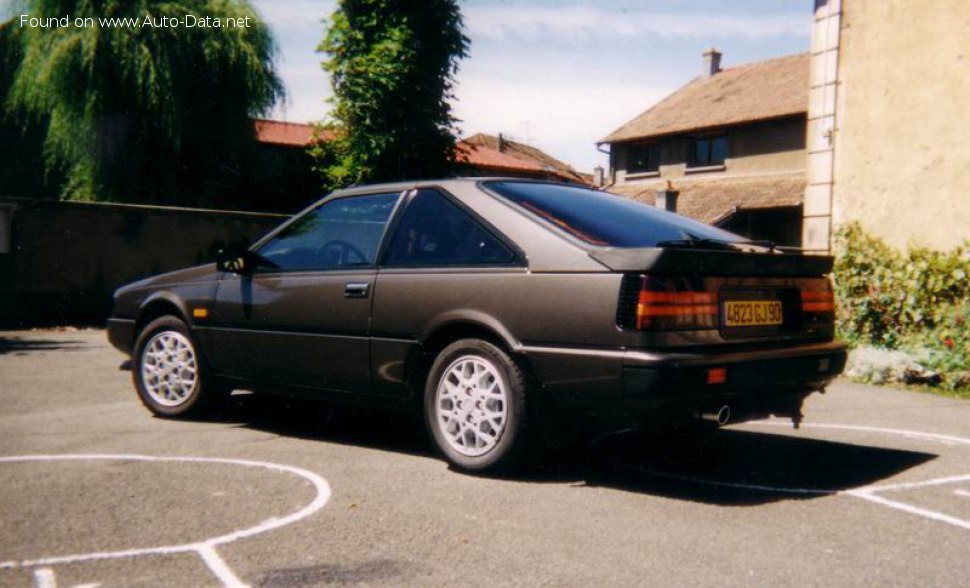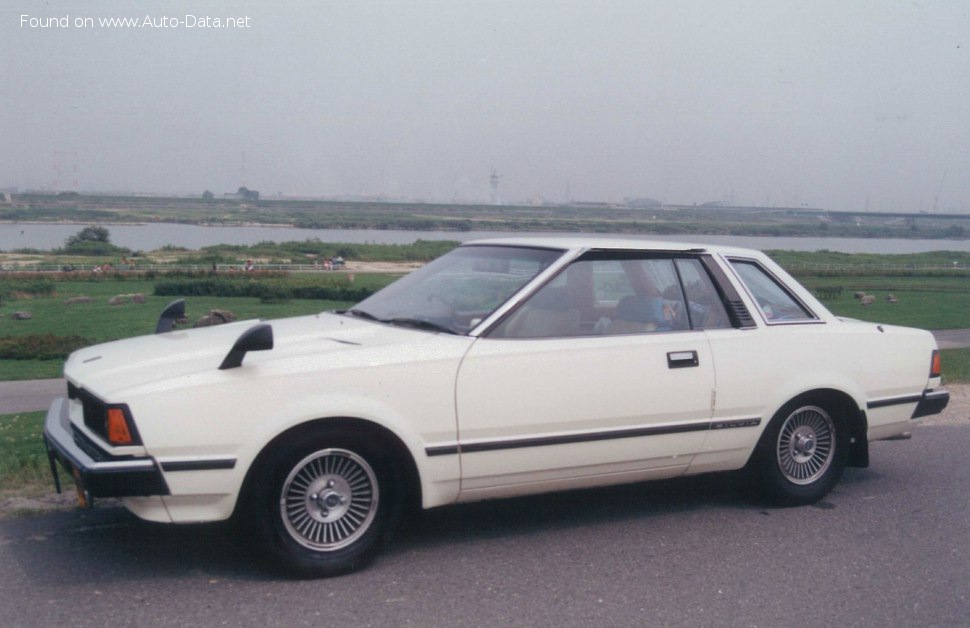
The Nissan Silvia, a name long associated with accessible sports car performance and striking design, entered its third generation with the S110 chassis, manufactured from 1979 to 1983. This generation represented a significant departure for the model, moving away from the rounded forms of the S10 towards a sharper, more angular aesthetic characteristic of the early 1980s. Within this generation, the Nissan Silvia (S110) 1.8 Turbo (92 Hp) stands as a notable variant, representing Nissan’s early foray into forced induction technology in a mainstream compact coupe. Marketed globally, including as the Datsun 200SX in North America, the S110 aimed to capture the essence of a sporty, yet practical, personal coupe.
Powertrain & Engine Architecture
The Nissan Silvia (S110) 1.8 Turbo (92 Hp) was powered by a turbocharged 1.8-liter gasoline engine. The engine code was typically the Z18ET, a four-cylinder unit featuring a single overhead camshaft (SOHC) valvetrain. While 92 horsepower may seem modest by contemporary standards, it was a respectable figure for a 1.8-liter engine in the late 1970s. The key innovation was the turbocharger, which significantly increased torque delivery compared to naturally aspirated engines of similar displacement, improving drivability and mid-range acceleration.
The turbocharger itself was a relatively new technology in mass-produced vehicles at the time. It allowed Nissan to offer a more engaging driving experience without resorting to larger, heavier, or more fuel-consuming engines. The Z18ET utilized a carburetor-based fuel delivery system, common for the era, and the turbocharger was paired with an intercooler to reduce intake air temperatures, further enhancing performance and preventing detonation. Power was delivered to the rear wheels via an automatic transmission, a three-speed unit that was specifically chosen to complement the engine’s torque characteristics. This combination aimed to provide a smooth and effortless driving experience, appealing to a broader audience than the more performance-focused manual transmission options.
Driving Characteristics
The 1.8L Turbo with the automatic transmission offered a distinct driving experience compared to other S110 variants. While the manual transmission versions, and later models with more powerful engines, prioritized driver engagement and outright speed, the automatic version focused on ease of use and comfort. The three-speed automatic transmission featured relatively tall gear ratios, prioritizing fuel economy and smooth cruising over rapid acceleration. The turbocharger provided a noticeable boost in power during acceleration, but the automatic transmission’s shift points could sometimes feel slightly delayed, diminishing the immediacy of the turbo’s effect.
Compared to the naturally aspirated 1.6-liter and 1.8-liter versions, the turbocharged model offered a clear advantage in terms of low-end torque. This made it more effortless to drive in everyday traffic and provided better passing power on the highway. However, the automatic transmission did detract from the overall sporty feel of the car, making it less engaging for driving enthusiasts. The combination was best suited for drivers who valued convenience and a relaxed driving experience over outright performance.
Equipment & Trim Levels
The Nissan Silvia (S110) 1.8 Turbo Automatic typically occupied a mid-range position within the S110 lineup. It offered a step up in performance and features compared to the base models, but lacked some of the luxury appointments found in the higher-end trims. Standard equipment generally included cloth upholstery, a basic AM/FM radio, and manual windows. Air conditioning was often an optional extra, as were power windows and upgraded audio systems.
The interior design was functional and driver-focused, with a clear instrument cluster providing essential information. The dashboard was typically finished in a dark color scheme, and the seats offered a reasonable level of comfort for both front and rear passengers. The exterior trim level often included chrome accents and a more refined grille design compared to the base models. The availability of optional extras varied depending on the market, but generally included features such as upgraded wheels, a sunroof, and a more sophisticated audio system.
Chassis & Braking
The Nissan Silvia (S110) utilized a rear-wheel-drive chassis with independent front suspension and a solid rear axle. The suspension was tuned to provide a balance between comfort and handling, offering a reasonably compliant ride while still allowing for confident cornering. The 1.8 Turbo Automatic variant, due to its slightly increased weight compared to the base models, often featured slightly stiffer springs and dampers to compensate.
The braking system consisted of disc brakes on the front wheels and drum brakes on the rear wheels. This configuration was typical for vehicles of this era and price point. The braking performance was adequate for everyday driving, but lacked the stopping power of more modern braking systems. A stabilizer bar was included on both the front and rear axles to reduce body roll during cornering, further enhancing handling stability. The steering was a recirculating ball system, providing a relatively direct feel but lacking the precision of more modern rack-and-pinion steering systems.
Market Reception & Comparison
The Nissan Silvia (S110) 1.8 Turbo Automatic received mixed reviews from automotive critics. While the turbocharged engine and automatic transmission were praised for their smoothness and ease of use, some critics found the overall performance to be underwhelming compared to other sporty coupes of the time. The automatic transmission was often criticized for its slow shift times and lack of driver engagement.
Compared to other trims in the S110 lineup, the 1.8 Turbo Automatic offered a better balance of performance and convenience. It provided more power than the naturally aspirated models, but lacked the sporty feel of the manual transmission versions. In terms of fuel economy, the 1.8 Turbo Automatic was slightly less efficient than the naturally aspirated models, but offered a significant improvement in performance. Key competitors included the Toyota Celica, Mazda 200SX, and Ford Mustang, each offering a different blend of performance, features, and price. The Silvia (S110) 1.8 Turbo Automatic carved out its niche by offering a unique combination of Japanese engineering, turbocharged power, and automatic transmission convenience.
Technical Specifications
| Brand | Nissan |
| Model | Silvia |
| Generation | Silvia (S110) |
| Type (Engine) | 1.8 Turbo (92 Hp) |
| Start of Production | 1979 |
| End of Production | 1983 |
| Powertrain Architecture | Internal Combustion Engine |
| Body Type | Coupe |
| Fuel Type | Petrol (Gasoline) |
| Power | 92 Hp |
| Engine Aspiration | Turbocharger |
| Drivetrain | Rear-wheel drive |
| Engine Code | Z18ET (typical) |
| Transmission | 3-speed Automatic |
| Valve Configuration | SOHC (Single Overhead Camshaft) |
| Fuel Delivery | Carburetor |
Legacy
The Nissan Silvia (S110) 1.8 Turbo Automatic, while not the most powerful or sought-after variant, holds a significant place in the Silvia lineage. It represented Nissan’s early commitment to forced induction technology and helped establish the Silvia as a credible sports coupe. The Z18ET engine, while relatively simple by modern standards, proved to be reasonably reliable and durable.
In the used car market today, the S110 1.8 Turbo Automatic is a relatively rare and collectible vehicle. Its value has been steadily increasing in recent years, particularly among enthusiasts who appreciate its classic styling and historical significance. While finding a well-maintained example can be challenging, the S110 1.8 Turbo Automatic offers a unique glimpse into the early days of Japanese sports car engineering. The automatic transmission, while not ideal for performance enthusiasts, makes it a more accessible and enjoyable option for drivers who prioritize comfort and convenience. Its long-term reliability is generally good, provided it has been properly maintained, making it a viable option for those seeking a classic Japanese coupe with a touch of turbocharged power.