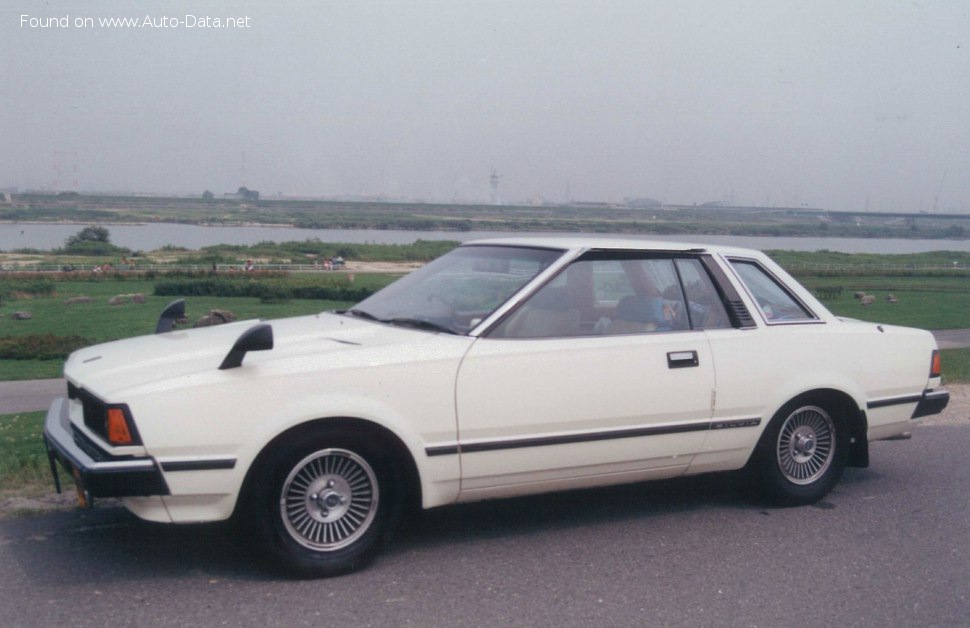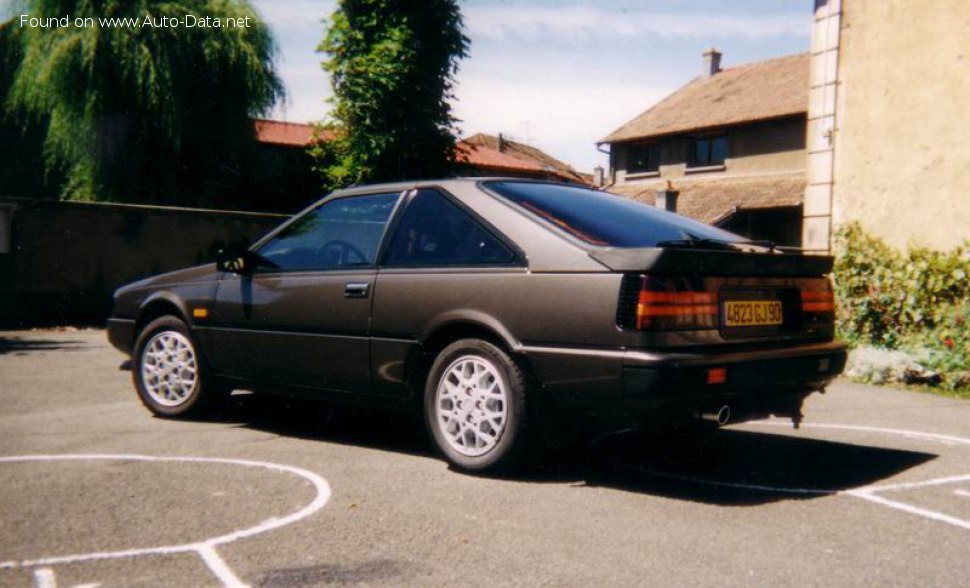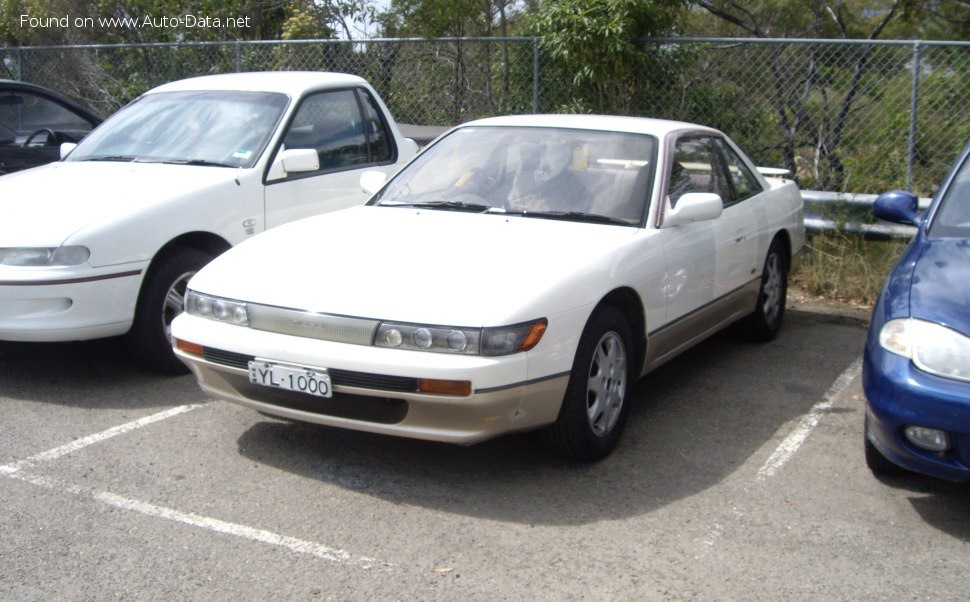
The Nissan Silvia (S13), specifically the 1.8i (135 Hp) variant, represents a significant chapter in Nissan’s history and the broader evolution of Japanese sports coupes. Introduced in 1988, the S13 generation quickly became known for its accessible, rear-wheel-drive performance, particularly in the Japanese Domestic Market (JDM) and international markets. While the North American 240SX featured different powertrains, the Silvia S13 with the CA18DE engine offered a spirited and balanced driving experience that established its enduring legacy in motorsports and car culture. Produced from 1988 to 1990, this model combined elegant design, sophisticated chassis engineering, and a responsive naturally aspirated engine, making it a beloved classic.
Genesis and Market Positioning of the Nissan Silvia (S13) 1.8i
The S13 Silvia succeeded the angular S12, introducing a new era of sleek, aerodynamic styling that was highly influential in the late 1980s and early 1990s. Positioned as a compact sports coupe, the Silvia S13 aimed to deliver an engaging driving experience without the high cost of more exotic sports cars. Its primary market was Japan, where it gained a reputation for agile handling and tunability. The 1.8i (135 Hp) model, equipped with the CA18DE engine, served as the entry-level offering, providing a capable and responsive introduction to the Silvia lineup. It competed with other Japanese coupes of the era, such as the Toyota Celica (primarily front-wheel drive), the Honda Prelude, and the Mazda MX-6, differentiating itself with its classic front-engine, rear-wheel-drive layout – a configuration favored by enthusiasts for its dynamic balance.
Powertrain & Engine Architecture
The Nissan Silvia (S13) 1.8i (135 Hp) was powered by the CA18DE engine, an inline-four renowned for its robust construction and free-revving nature. This naturally aspirated 1.8-liter (1809 cm3) engine featured a double overhead camshaft (DOHC) valvetrain with four valves per cylinder, a sophisticated design for its time that enabled efficient breathing and higher RPM capabilities. With a compression ratio of 9:1 and a multi-port fuel injection system, the CA18DE produced 135 horsepower at 6400 rpm and 159 Nm (117.27 lb-ft) of torque at 5200 rpm, delivering a linear powerband.
The engine was longitudinally mounted, driving the rear wheels through a 5-speed manual transmission. This drivetrain, combined with a relatively low curb weight of 1110 kg (2447.13 lbs), resulted in a power-to-weight ratio of 8.2 kg/Hp (121.6 Hp/tonne). While less powerful than the later turbocharged CA18DET and SR20DET engines, the CA18DE-equipped S13 was celebrated for its excellent chassis balance and engaging driving dynamics. The engine’s characteristics made it a suitable platform for spirited driving on winding roads.
Transmission Details
The S13 1.8i typically utilized a Nissan FS5W71 5-speed manual transmission. This gearbox was known for its relatively short throws and robust construction. The gear ratios were tailored to provide a balance between acceleration and cruising efficiency. First gear was geared for quick off-the-line acceleration, while fifth gear was designed for comfortable highway cruising. An automatic transmission option was also available, though it was less popular among enthusiasts due to its impact on driving engagement.
Driving Characteristics
The 1.8i (135 Hp) S13 offered a distinctly different driving experience compared to its turbocharged siblings or manual transmission counterparts. The engine’s power delivery was smooth and predictable, requiring the driver to utilize the entire rev range to extract maximum performance. While not exceptionally quick in a straight line, the S13 excelled in corners, thanks to its well-balanced chassis and responsive steering. The 5-speed manual transmission allowed for precise gear selection, enhancing driver control. The automatic transmission, while offering convenience, resulted in some power loss and a less engaging driving experience. Compared to the more powerful turbocharged models, the 1.8i demanded more driver involvement and skill to achieve optimal performance.
Equipment & Trim Levels
The 1.8i model of the S13 Silvia typically served as the base trim level. Standard features included cloth upholstery, power steering, and basic instrumentation. Early models were equipped with pop-up headlights, a defining styling cue of the era. Optional extras included air conditioning, power windows, and upgraded audio systems. Interior trim levels were relatively simple, focusing on functionality and durability rather than luxury. The dashboard layout was driver-focused, with clearly arranged gauges and controls. The 1.8i was often seen as a blank canvas for customization, with many owners opting to upgrade the interior with aftermarket components.
Chassis & Braking
The S13 Silvia featured a sophisticated suspension system for its class. The front utilized a conventional MacPherson strut setup, while the rear employed a multi-link suspension with telescopic shock absorbers. This independent multi-link rear suspension provided superior handling, improved traction, and a more comfortable ride. Braking was handled by ventilated discs at the front and solid discs at the rear, offering adequate stopping power for the car’s weight and performance. The car rode on 185/70R14 tires, which provided a good balance between grip and ride comfort. Stabilizer bars were included at both the front and rear to reduce body roll during cornering.
Market Reception & Comparison
Critics generally praised the Nissan Silvia (S13) 1.8i for its balanced handling, responsive steering, and overall driving enjoyment. While the 135 hp output wasn’t groundbreaking, the car’s lightweight chassis and rear-wheel-drive layout made it a fun and engaging vehicle to drive. Compared to the turbocharged models, the 1.8i offered better fuel economy and potentially lower maintenance costs. However, it lacked the outright performance of its more powerful siblings. Against competitors like the Toyota Celica and Honda Prelude, the S13 stood out with its rear-wheel-drive configuration, which appealed to driving enthusiasts. The 1.8i was often seen as a more affordable and accessible entry point into the Silvia lineup, attracting a wider range of buyers.
Technical Specifications: Nissan Silvia (S13) 1.8i (135 Hp)
| Brand | Nissan |
| Model | Silvia |
| Generation | Silvia (S13) |
| Type (Engine) | 1.8i (135 Hp) |
| Start of Production | 1988 |
| End of Production | 1990 |
| Powertrain Architecture | Internal Combustion engine |
| Body type | Coupe |
| Seats | 4 |
| Doors | 2 |
| Fuel Type | Petrol (Gasoline) |
| Weight-to-power ratio | 8.2 kg/Hp, 121.6 Hp/tonne |
| Weight-to-torque ratio | 7 kg/Nm, 143.2 Nm/tonne |
| Power | 135 Hp @ 6400 rpm |
| Power per liter | 74.6 Hp/l |
| Torque | 159 Nm @ 5200 rpm (117.27 lb.-ft. @ 5200 rpm) |
| Engine layout | Front, Longitudinal |
| Engine Model/Code | CA18DE |
| Engine displacement | 1809 cm3 (1.8 l / 110.39 cu. in.) |
| Number of cylinders | 4 |
| Engine configuration | Inline |
| Cylinder Bore | 83 mm (3.27 in.) |
| Piston Stroke | 83.6 mm (3.29 in.) |
| Compression ratio | 9:1 |
| Number of valves per cylinder | 4 |
| Fuel injection system | Multi-port manifold injection |
| Engine aspiration | Naturally aspirated |
| Valvetrain | DOHC |
| Kerb Weight | 1110 kg (2447.13 lbs) |
| Fuel tank capacity | 60 l (15.85 US gal) |
| Length | 4470 mm (175.98 in.) |
| Width | 1690 mm (66.54 in.) |
| Height | 1290 mm (50.79 in.) |
| Wheelbase | 2475 mm (97.44 in.) |
| Front track | 1465 mm (57.68 in.) |
| Rear track | 1460 mm (57.48 in.) |
| Minimum turning circle | 9.4 m (30.84 ft.) |
| Drivetrain Architecture | ICE drives rear wheels |
| Drive wheel | Rear wheel drive |
| Number of gears and type of gearbox | 5 gears, manual transmission |
| Front suspension | Spring Strut |
| Rear suspension | Dependent, multi-link spring with telescopic shock absorbers |
| Front brakes | Ventilated discs |
| Rear brakes | Disc |
| Tires size | 185/70R14 |
Legacy
The Nissan Silvia (S13) continues to hold a strong position in the used car market, particularly among enthusiasts. The CA18DE engine, while not as sought-after as the turbocharged variants, is known for its reliability and relative simplicity. Common maintenance issues include oil leaks and wear on the timing chain. However, parts availability remains good, and the engine is relatively easy to work on. The S13’s enduring popularity is a testament to its well-engineered chassis and engaging driving dynamics. It remains a popular platform for drifting, track days, and street performance modifications. The 1.8i model, while often overlooked, represents a pure and accessible entry point into the S13 experience, offering a rewarding driving experience for those who appreciate a balanced and responsive sports coupe.