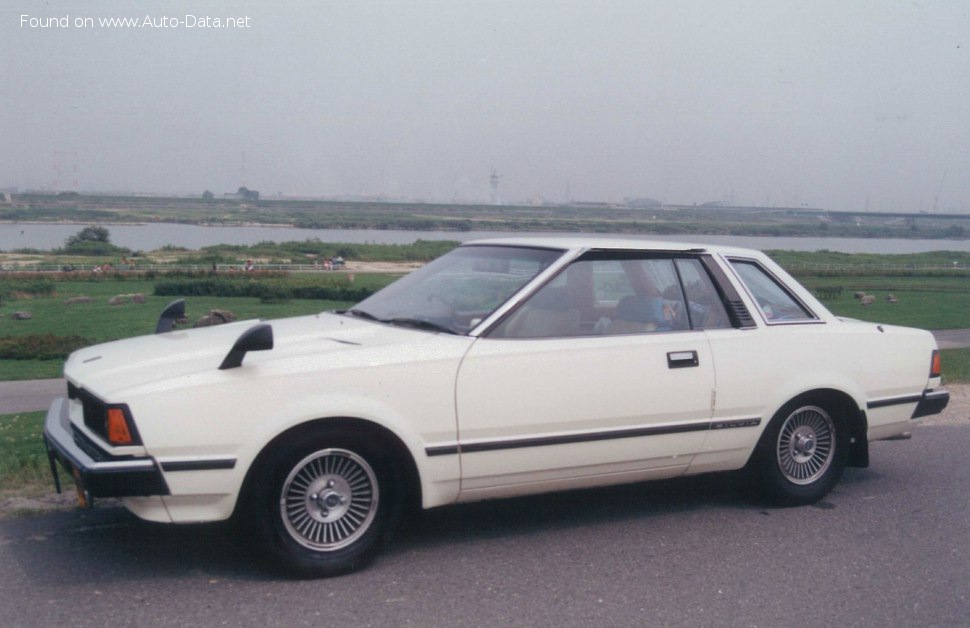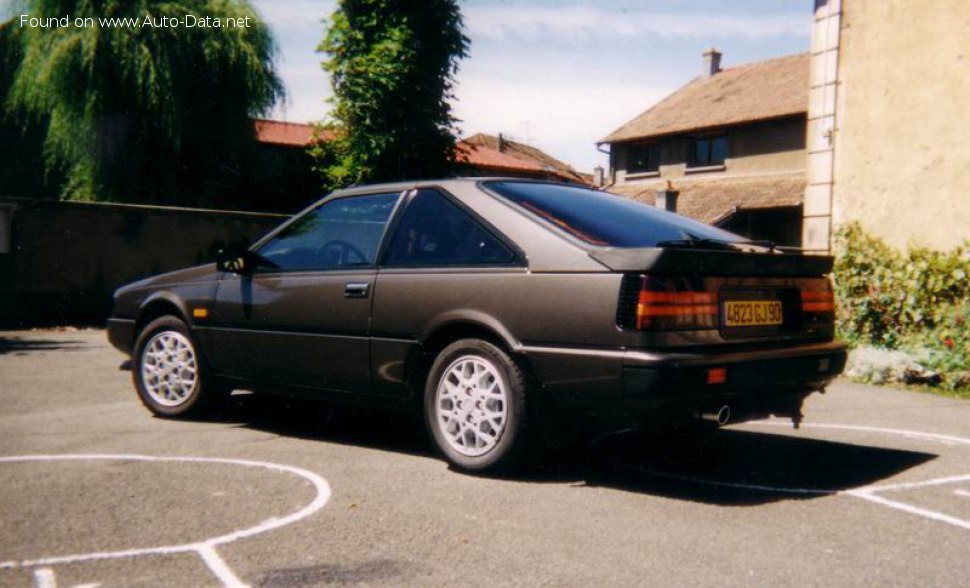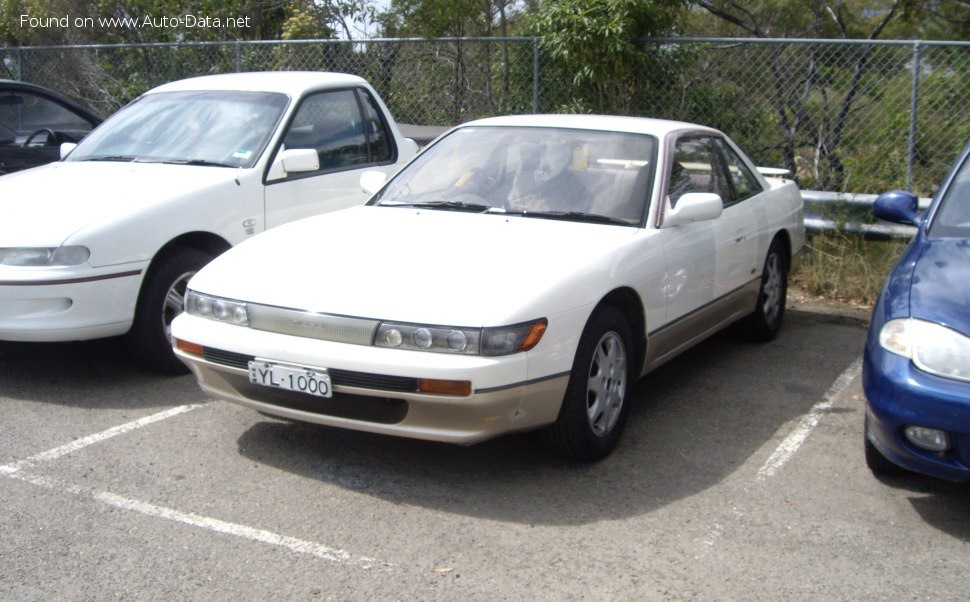
The Nissan Silvia (S13) 1.8T, producing 175 horsepower, represents a significant chapter in Japanese automotive history, particularly within the JDM (Japanese Domestic Market) scene. Produced from 1988 to 1990, this iteration of the S13 generation quickly became a benchmark for affordable, rear-wheel-drive sports coupes. While never officially sold in the United States as a Silvia – it was rebadged as the Nissan 240SX with different engine options – its influence and iconic status extended globally, making it a highly desirable vehicle for import enthusiasts, tuners, and motorsport competitors. The 1.8T variant, powered by the CA18DET engine, offered a compelling combination of performance, agile handling, and a stylish design emblematic of the late 1980s and early 1990s.
The CA18DET Powertrain & Engine Architecture
The core of the Nissan Silvia (S13) 1.8T is the CA18DET engine, an 1.8-liter (1,809 cc or 110.39 cubic inches) inline-four cylinder powerplant. This engine was considered technologically advanced for its time, featuring a Double Overhead Camshaft (DOHC) valvetrain with four valves per cylinder, optimizing airflow and high-revving capabilities. The “DET” designation breaks down as follows: “D” signifies DOHC, “E” denotes electronic multi-port fuel injection, and “T” indicates turbocharging. The turbocharger was crucial in boosting engine output to 175 horsepower at 6400 rpm and 166.69 lb-ft of torque (226 Nm) at 4000 rpm.
The engine’s front-longitudinal layout contributed to the Silvia’s excellent weight distribution and handling characteristics. A compression ratio of 8.5:1 was chosen to work effectively with the turbocharger, delivering a spirited driving experience. The power-to-weight ratio of 6.6 kg/Hp (approximately 150.9 Hp/tonne) translated to brisk acceleration for a vehicle weighing around 2,557.36 pounds (1160 kg). Power was delivered to the rear wheels through a precise 5-speed manual transmission, appealing to driving enthusiasts who prioritized direct control. The rear-wheel-drive configuration was fundamental to the S13’s identity, making it a natural choice for motorsport, particularly drifting, where precise throttle control and chassis balance are essential.
Fuel Injection and Valvetrain Details
The CA18DET utilized a multi-port fuel injection system, providing precise fuel delivery to each cylinder for optimal combustion. The DOHC valvetrain, with its four valves per cylinder, allowed for increased airflow and improved volumetric efficiency, contributing to the engine’s power output. The turbocharger employed a wastegate system to regulate boost pressure, preventing overboost conditions and ensuring engine reliability. The engine also featured an intercooler to cool the compressed air from the turbocharger, further increasing power and efficiency.
Driving Characteristics of the 1.8T Automatic
While the CA18DET was most commonly paired with a 5-speed manual transmission, an automatic transmission option was also available. This variant, though less favored by performance enthusiasts, offered a more accessible and comfortable driving experience. The automatic transmission, typically a 4-speed unit, altered the driving characteristics significantly. Acceleration was slightly slower compared to the manual version, and the direct connection between driver and engine was diminished. However, the automatic provided smoother shifts and reduced driver fatigue, making it suitable for daily commuting and less demanding driving situations.
The gear ratios in the automatic transmission were tuned for a balance of fuel efficiency and usability. First gear was relatively short for quick off-the-line acceleration, while higher gears were geared for comfortable cruising. The automatic transmission’s torque converter multiplied engine torque at lower speeds, providing adequate power for everyday driving. However, it also introduced some power loss compared to the direct mechanical connection of a manual transmission. The 1.8T automatic was positioned as the entry-level or mid-range trim within the S13 lineup, offering a more affordable and convenient option for buyers who didn’t prioritize ultimate performance.
Equipment & Trim Levels
The Nissan Silvia (S13) 1.8T, regardless of transmission choice, typically came standard with features considered competitive for its price point in the late 1980s. Standard equipment included power steering, air conditioning, and a basic audio system. Interior upholstery was typically cloth, with options for upgraded materials available on higher trim levels. The dashboard layout was driver-focused, with clearly marked gauges and easy-to-reach controls. Optional extras included power windows, power locks, and a sunroof. The automatic transmission variant often came with a center console shifter and cruise control as standard or optional features.
Trim levels varied depending on the market, but generally included base models with minimal features and higher-spec models with more luxurious appointments. The 1.8T automatic often served as the base for these trim packages. Exterior features included body-colored bumpers and side skirts, and alloy wheels were often available as an upgrade. The pop-up headlights were a signature design element of the S13, adding to its sporty aesthetic.
Chassis & Braking
The S13 chassis was designed for rigidity and lightweight construction. The front suspension utilized a MacPherson strut setup, providing a good balance of comfort and handling. The rear suspension employed a multi-link system with telescopic shock absorbers, offering improved road holding and stability. The 1.8T variant, due to its lower power output compared to the higher-spec models, typically featured ventilated discs at the front and solid discs at the rear for braking. Stabilizer bars were included at both the front and rear to reduce body roll during cornering.
The standard tire size was 195/60R15, providing a good compromise between grip and ride comfort. The steering system was a rack-and-pinion setup, offering precise and responsive steering feel. The chassis was designed to be easily tunable, allowing enthusiasts to upgrade suspension components and improve handling characteristics.
Market Reception & Comparison
The Nissan Silvia (S13) 1.8T received generally positive reviews from automotive critics. It was praised for its stylish design, agile handling, and responsive engine. However, some critics noted that the 1.8T engine, while capable, lacked the outright power of the larger 2.0-liter engines offered in other S13 variants or in the Nissan 240SX. Compared to the 240SX with its KA24E engine, the 1.8T offered a more refined driving experience and a slightly more sophisticated engine design. However, the KA24E was known for its durability and ease of maintenance.
Fuel economy was reasonable for a sports coupe of its era, with combined fuel consumption averaging around 25-30 mpg. Reliability was generally good, although the turbocharger required regular maintenance to prevent failures. The 1.8T automatic was often seen as a more practical and affordable option compared to the higher-performance trims, appealing to a wider range of buyers.
Technical Specifications
| Brand | Nissan |
| Model | Silvia |
| Generation | Silvia (S13) |
| Type (Engine) | 1.8T (175 Hp) |
| Production Start | 1988 |
| Production End | 1990 |
| Powertrain Architecture | Internal Combustion Engine |
| Body Type | Coupe |
| Seats | 4 |
| Doors | 2 |
| Fuel Type | Petrol (Gasoline) |
| Weight-to-Power Ratio | 6.6 kg/Hp, 150.9 Hp/tonne |
| Engine Specs | |
| Power | 175 Hp @ 6400 rpm |
| Torque | 226 Nm @ 4000 rpm (166.69 lb.-ft. @ 4000 rpm) |
| Engine Layout | Front, Longitudinal |
| Engine Model/Code | CA18DET |
| Engine Displacement | 1809 cm³ (110.39 cu. in.) |
| Number of Cylinders | 4 |
| Engine Configuration | Inline |
| Compression Ratio | 8.5:1 |
| Fuel Injection System | Multi-port manifold injection |
| Engine Aspiration | Turbocharger |
| Transmission | 4-speed Automatic |
| Kerb Weight | 1160 kg (2557.36 lbs.) |
Legacy
The Nissan Silvia (S13) 1.8T, including the automatic transmission variant, has maintained a strong following in the used car market. The CA18DET engine, while not as widely known as some of its contemporaries, is considered a robust and tunable powerplant. The S13 chassis remains popular among enthusiasts for its lightweight construction and excellent handling characteristics. The automatic transmission variant, while less desirable to purists, offers a more accessible entry point into the S13 world. Today, well-maintained examples of the S13 1.8T command respectable prices, particularly those with low mileage and original features. Its enduring legacy as a JDM icon and a cornerstone of the drifting scene ensures its continued popularity among automotive enthusiasts for years to come.