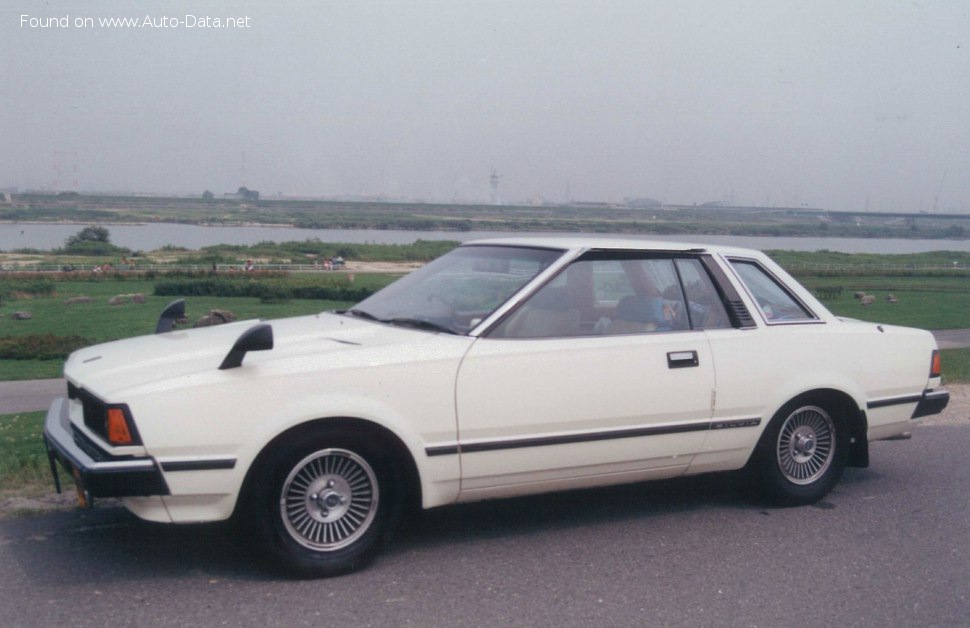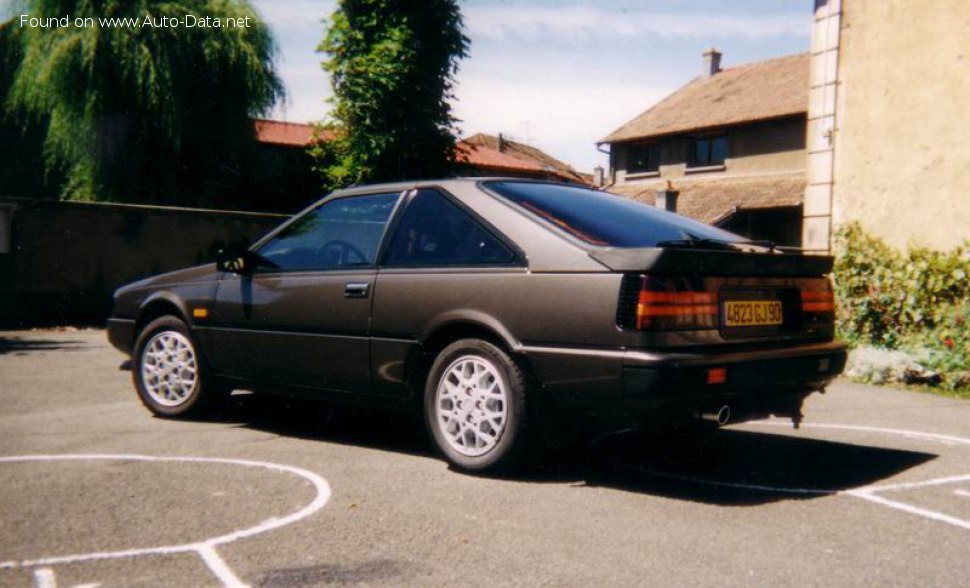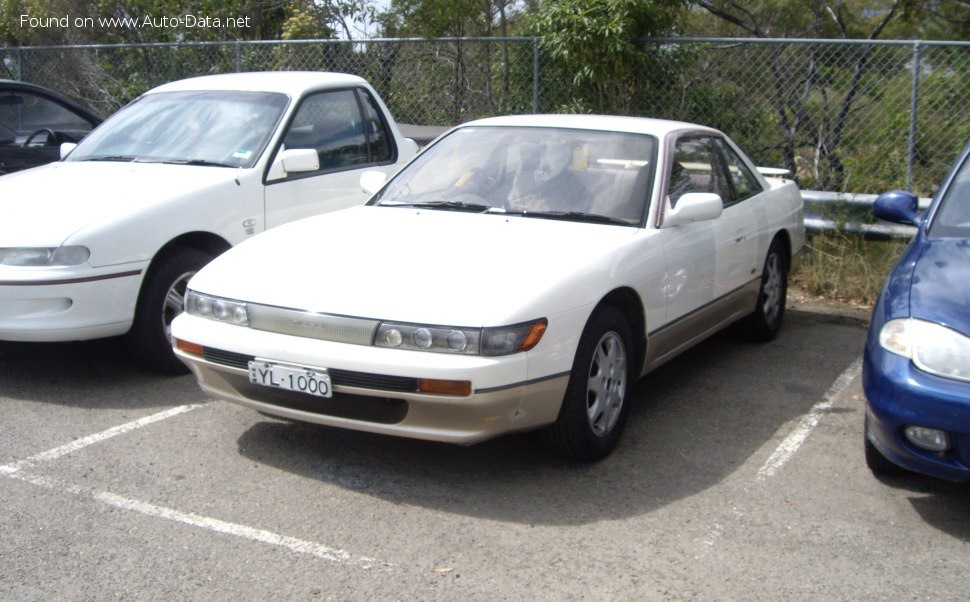
The Nissan Silvia (S13), specifically the 1.8T (175 Hp) Automatic variant, represents a significant chapter in Japanese automotive history. Produced from 1988 to 1990, this model occupied a mid-range position within the S13 lineup, offering a balance between performance and accessibility. While not officially sold in the United States as the Silvia, its chassis was utilized for the Nissan 240SX, though with different engine options. The S13, with its sleek design, turbocharged engine, and tunable chassis, quickly gained a devoted following, becoming a cornerstone of the Japanese Domestic Market (JDM) scene and a popular choice for enthusiasts worldwide, particularly for its drifting capabilities.
Powertrain & Engine Architecture
The heart of the 1.8T Automatic Silvia is the CA18DET engine. This 1.8-liter (1809 cc) inline-four cylinder engine is a key element of the car’s appeal. It features a Dual Overhead Camshaft (DOHC) valvetrain with four valves per cylinder, optimizing airflow and allowing for higher engine speeds. The “DET” designation signifies the inclusion of a turbocharger and intercooler, substantially increasing power output compared to naturally aspirated versions.
The CA18DET produces 175 horsepower at 6400 rpm and 226 Nm (166.69 lb-ft) of torque at 4000 rpm. This torque figure is particularly noteworthy for an engine of this displacement and era, providing strong mid-range acceleration. Fuel delivery is managed by a multi-port fuel injection system, ensuring precise fuel metering for optimal performance and efficiency. The engine is longitudinally mounted, contributing to the car’s balanced weight distribution.
Power is transmitted to the rear wheels through a 4-speed automatic transmission. This transmission, while not favored by performance purists, offered a more comfortable and convenient driving experience, broadening the Silvia’s appeal to a wider audience. The automatic transmission features standard torque converter technology, providing smooth shifts and ease of use in everyday driving conditions. The gear ratios are tuned for a balance of acceleration and fuel economy, prioritizing usability over outright performance.
Driving Characteristics
The 1.8T Automatic Silvia delivers a distinct driving experience compared to its manual transmission counterparts and higher-output siblings like the SR20DET-equipped models. The automatic transmission, while convenient, introduces a slight delay in response compared to a manual gearbox. This results in a less direct connection between the driver and the engine. However, the broad torque band of the CA18DET mitigates this somewhat, providing ample power for everyday driving and spirited acceleration.
The automatic transmission’s gear ratios are optimized for a balance of acceleration and fuel efficiency. First gear provides brisk off-the-line acceleration, while higher gears are geared for comfortable cruising. Compared to the manual transmission, the automatic version exhibits slightly slower acceleration times, but offers a more relaxed driving experience. The car’s rear-wheel-drive layout contributes to its balanced handling characteristics, allowing for predictable and engaging cornering. While not as nimble as a manual-equipped Silvia, the 1.8T Automatic still provides a rewarding driving experience.
Equipment & Trim Levels
The 1.8T Automatic Silvia typically came equipped with a reasonable level of standard features for its time. These included power windows, power steering, air conditioning, and a basic audio system. Interior upholstery was typically cloth, with a focus on durability and comfort. The dashboard layout was driver-focused, with clear instrumentation and ergonomically positioned controls.
Optional extras available for this trim included upgraded audio systems, alloy wheels, and a sunroof. Some models also featured optional leather upholstery and power seats. The trim level generally positioned itself as a step up from the base model, offering a more refined and comfortable interior without the added cost of the higher-performance SR20DET variants. The exterior styling remained consistent across most S13 models, with the exception of minor cosmetic differences depending on the specific trim package.
Chassis & Braking
The S13 Silvia’s chassis is a key component of its renowned handling characteristics. The front suspension utilizes a MacPherson strut design, providing a balance of ride comfort and handling precision. The rear suspension employs a multi-link setup with coil springs and telescopic shock absorbers, contributing to excellent wheel control and stability.
Braking duties are handled by ventilated discs at the front and solid discs at the rear. This configuration provides adequate stopping power for everyday driving and spirited performance. The braking system is hydraulically assisted, offering a firm and responsive pedal feel. The car rides on 195/60R15 tires mounted on 15-inch steel or alloy wheels, providing a good balance of grip and ride comfort. A stabilizer bar is fitted to both the front and rear suspension, further enhancing handling stability and reducing body roll during cornering.
Market Reception & Comparison
The Nissan Silvia (S13) 1.8T Automatic received generally positive reviews from automotive critics. It was praised for its stylish design, responsive engine, and engaging driving dynamics. However, some critics noted that the automatic transmission detracted slightly from the overall driving experience compared to the manual gearbox.
Compared to other trims in the S13 lineup, the 1.8T Automatic offered a more accessible and comfortable driving experience. The SR20DET-equipped models provided significantly more power and performance, but at a higher price point. The naturally aspirated models were more affordable but lacked the turbocharged punch of the 1.8T. In terms of fuel economy, the 1.8T Automatic offered a reasonable balance between performance and efficiency, achieving approximately 25-30 mpg in mixed driving conditions. Reliability was generally good, with the CA18DET engine proving to be a durable and dependable powerplant.
Technical Specifications
| Category | Specification |
| Brand | Nissan |
| Model | Silvia |
| Generation | Silvia (S13) |
| Engine Type | 1.8T (175 Hp) Automatic |
| Production Start | 1988 |
| Production End | 1990 |
| Powertrain Architecture | Internal Combustion Engine |
| Body Type | Coupe |
| Seats | 4 |
| Doors | 2 |
| Fuel Type | Petrol (Gasoline) |
| Power | 175 Hp @ 6400 rpm |
| Torque | 226 Nm @ 4000 rpm (166.69 lb.-ft. @ 4000 rpm) |
| Engine Layout | Front, Longitudinal |
| Engine Model/Code | CA18DET |
| Engine Displacement | 1809 cm3 (1.8 Liters / 110.39 cu. in.) |
| Number of Cylinders | 4 |
| Engine Configuration | Inline |
| Compression Ratio | 9.5:1 |
| Valves per Cylinder | 4 |
| Fuel Injection System | Multi-port manifold injection |
| Engine Aspiration | Turbocharger |
| Valvetrain | DOHC |
| Kerb Weight | 1160 kg (2557.36 lbs.) |
| Fuel Tank Capacity | 60 l (15.85 US gal) |
| Length | 4470 mm (175.98 in.) |
| Width | 1690 mm (66.54 in.) |
| Height | 1290 mm (50.79 in.) |
| Wheelbase | 2475 mm (97.44 in.) |
| Gearbox Type | 4-speed automatic transmission |
| Front Suspension | Spring Strut |
| Rear Suspension | Dependent, multi-link spring with telescopic shock absorbers |
| Front Brakes | Ventilated Discs |
| Rear Brakes | Disc |
| Tires Size | 195/60 R15 |
Legacy
The Nissan Silvia (S13) 1.8T Automatic, while often overshadowed by its more powerful SR20DET-equipped sibling, remains a respected and sought-after variant. The CA18DET engine, while not as widely known as the SR20DET, is a robust and reliable powerplant capable of handling moderate modifications. The automatic transmission, while not ideal for performance enthusiasts, provides a comfortable and accessible driving experience, making it a viable option for daily drivers and those seeking a more relaxed sports coupe.
In the used car market, the S13 Silvia (1.8T Automatic) commands a premium due to its rarity and iconic status. Well-maintained examples are highly sought after by collectors and enthusiasts. The car’s enduring appeal is a testament to its timeless design, engaging driving dynamics, and cultural significance. The S13 continues to be a popular platform for modification and customization, with a thriving aftermarket support network. Its legacy as a JDM icon is secure, ensuring its place in automotive history for years to come.