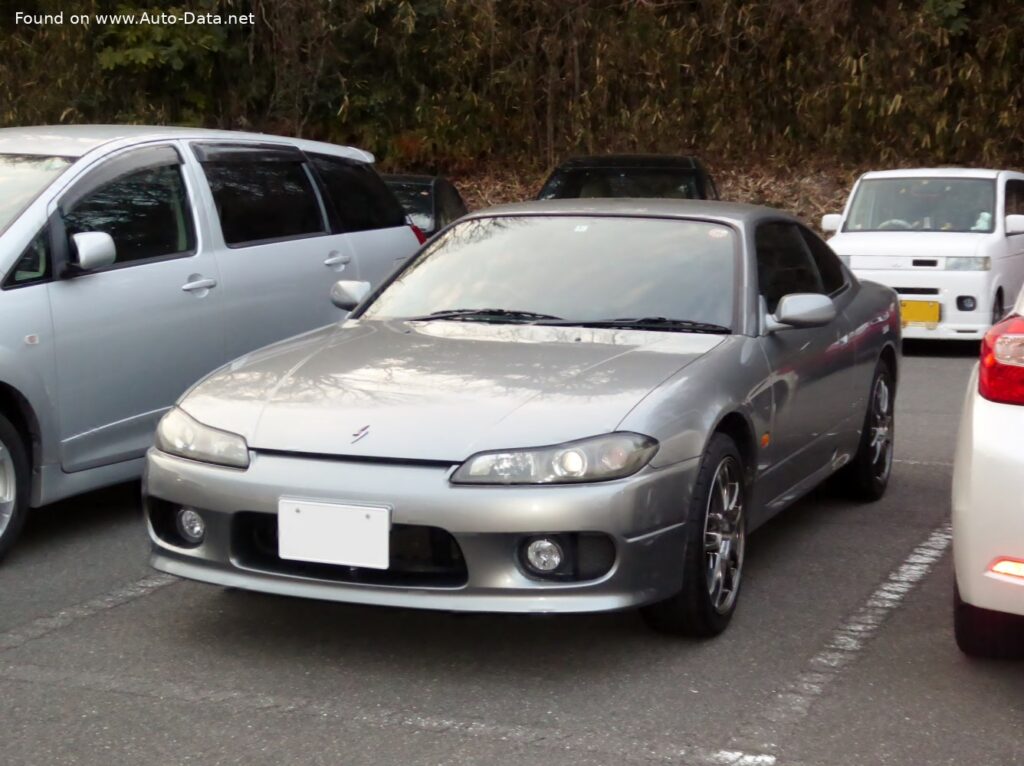
The Nissan Silvia (S15) represents the seventh and final generation of Nissan’s revered sports coupe lineage, produced from 1999 to 2002. While never officially sold in the United States, the Nissan Silvia (S15) carved out an indelible legacy as a quintessential Japanese Domestic Market (JDM) performance car, particularly celebrated for its balanced chassis, rear-wheel-drive architecture, and robust engine options. This detailed analysis focuses on the naturally aspirated 2.0 i 16V variant, a foundational model that offered a compelling blend of everyday usability and genuine sporting character within its primary markets, predominantly Japan, Australia, and New Zealand. It served as an accessible entry point into the Silvia family, upholding the model’s reputation for driver engagement and tunability, even without the potent turbocharger found in its more famous brethren.
The Silvia Series and the S15 Generation
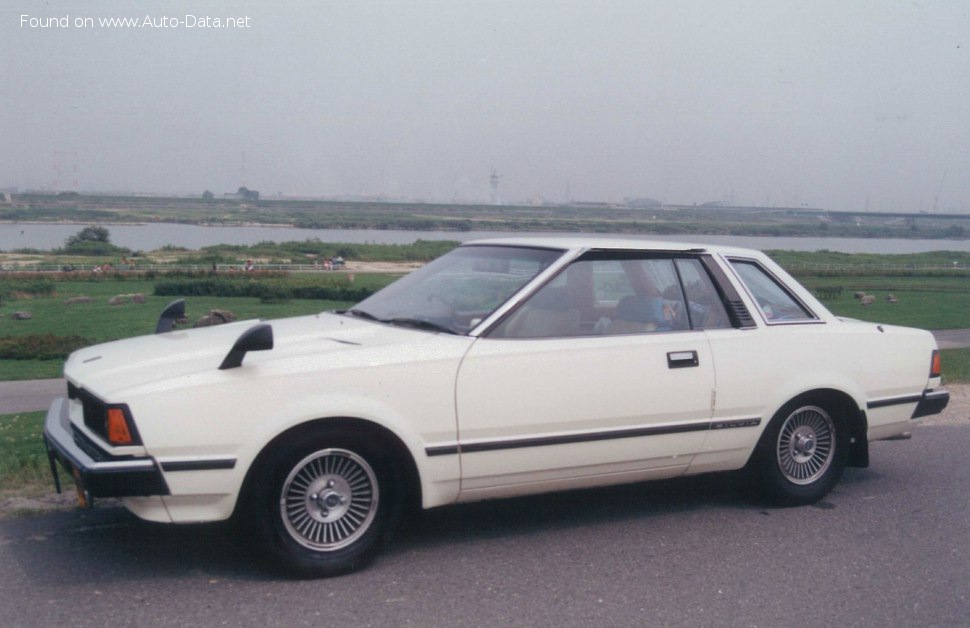
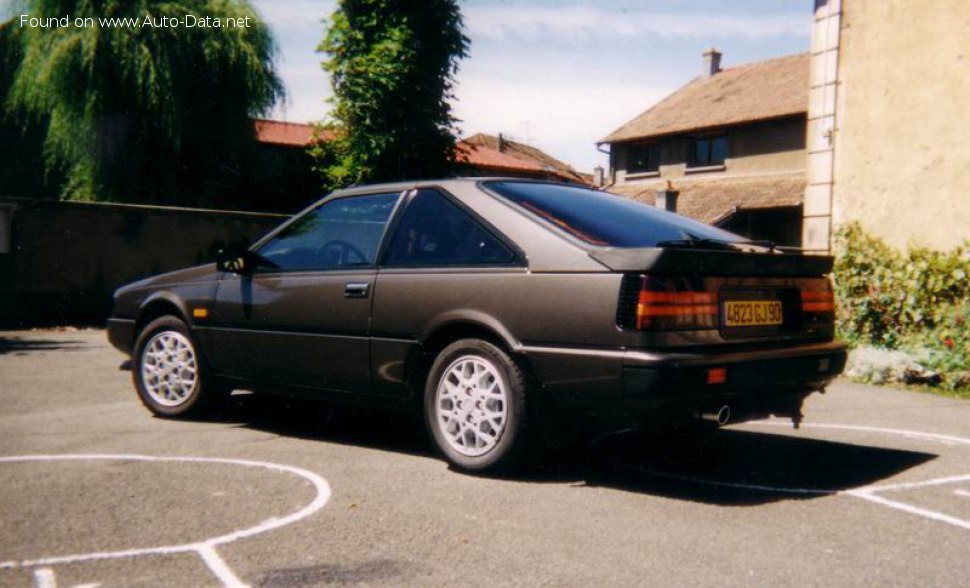
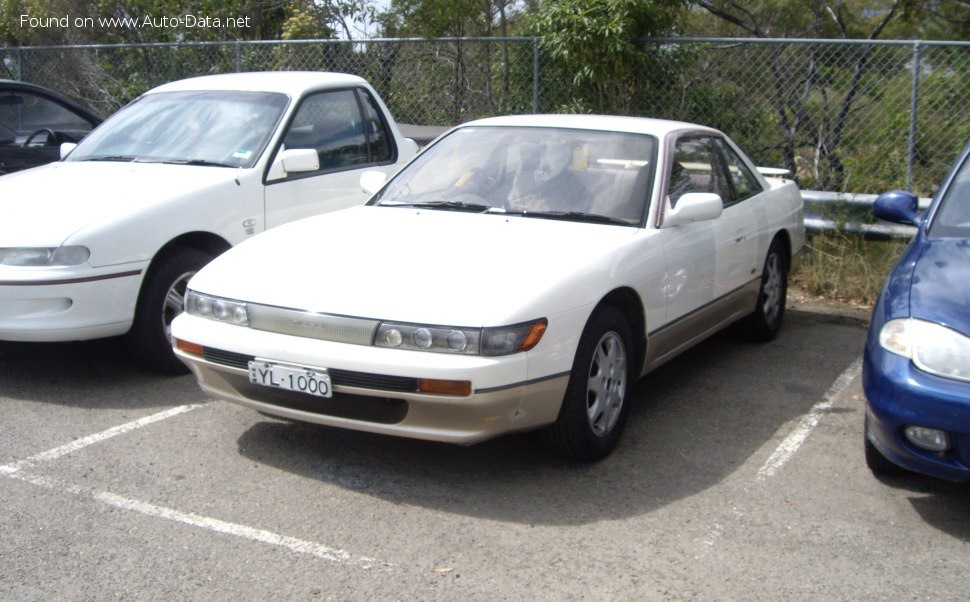
The Silvia series, which began its journey in the mid-1960s, evolved through several distinct generations, each contributing to its status as a desirable and attainable sports car. The S15 generation, launched at the cusp of the new millennium, brought a sharper, more aggressive design language and refined mechanics that ensured its place as a fitting swansong for the nameplate. For enthusiasts in regions where it was available, the S15 was a beloved choice, offering a direct competitor to other compact sports coupes of its era, such as the Honda Integra and Toyota Celica, albeit with a distinct rear-wheel-drive advantage that set it apart for driving purists.
Powertrain & Engine Architecture: The SR20DE
Under the hood of the Nissan Silvia (S15) 2.0 i 16V lies the venerable SR20DE engine. This 2.0-liter (1998 cm3 or 121.93 cubic inches) inline-four power plant is a naturally aspirated unit, featuring a Double Overhead Camshaft (DOHC) valvetrain with four valves per cylinder. It’s a testament to Nissan’s engineering prowess, known for its robust construction, reliability, and smooth power delivery. With a compression ratio of 9.5:1 and a multi-port fuel injection system, the SR20DE produces a respectable 165 horsepower at 6400 rpm. This grants it a power-per-liter output of 82.6 horsepower per liter, indicating an efficient and well-tuned engine for its time.
Torque figures for this variant stand at 192 Newton-meters (141.61 lb.-ft.) at 4800 rpm. The engine is mounted longitudinally at the front, driving the rear wheels, a classic sports car configuration that contributes significantly to the Silvia’s renowned handling characteristics. The SR20DE is known for its relatively simple design, making it easier to maintain and repair compared to more complex engines. The engine utilizes a timing chain rather than a timing belt, further contributing to its longevity and reducing maintenance requirements.
Transmission Details
The 2.0 i 16V variant was primarily equipped with a 5-speed manual transmission. This gearbox offered a direct and engaging driving experience, allowing drivers to fully exploit the engine’s powerband. While an automatic transmission was available in some markets, it was less common and generally considered less desirable by enthusiasts due to its impact on performance and driver involvement. The manual transmission featured a traditional rear-wheel-drive layout with a hydraulic clutch system.
Driving Characteristics
The Nissan Silvia (S15) 2.0 i 16V offered a lively and engaging driving experience. While not as brutally fast as the turbocharged S15 variants, the naturally aspirated model provided a more accessible and predictable power delivery. The 165 hp and 141.61 lb-ft of torque were sufficient for spirited driving on both public roads and track days. The car’s relatively light weight (approximately 2645.55 lbs or 1200 kg) contributed to its agile handling and responsive acceleration.
The 5-speed manual transmission allowed for precise gear selection, enabling drivers to keep the engine within its optimal powerband. The rear-wheel-drive configuration provided excellent balance and predictable handling, making the S15 a favorite among drifting enthusiasts. Compared to the turbocharged models, the 2.0 i 16V offered a more linear power curve, making it easier to control and less prone to oversteer. However, it lacked the outright acceleration and top-end power of its turbocharged siblings.
Equipment & Trim Levels
The 2.0 i 16V variant of the Nissan Silvia (S15) typically served as the base model, offering a good balance of features and affordability. Standard equipment generally included power windows, power steering, air conditioning, and a basic audio system. Interior upholstery was typically cloth, although leather options were available as upgrades. The dashboard layout was functional and driver-focused, with clearly marked gauges and easy-to-reach controls.
Optional extras included alloy wheels, a sunroof, upgraded audio systems, and various cosmetic enhancements. Higher trim levels, such as the Spec-R, added features like limited-slip differentials, upgraded suspension components, and more luxurious interior appointments. However, the 2.0 i 16V remained a popular choice for those who prioritized affordability and simplicity.
Chassis & Braking
The Nissan Silvia (S15) featured a robust chassis with independent suspension at all four corners. The front suspension utilized MacPherson struts, while the rear suspension employed a multi-link setup. This configuration provided excellent handling and ride comfort. The car’s relatively short wheelbase (99.41 inches or 2525 mm) contributed to its agile handling characteristics.
Braking duties were handled by ventilated discs at the front and solid discs at the rear. Anti-lock Braking System (ABS) was standard equipment, enhancing safety and control during hard braking. The hydraulic power steering system provided precise and responsive steering feel. The S15’s suspension tuning was geared towards providing a balance between comfort and performance, making it suitable for both daily driving and spirited weekend excursions.
Market Reception & Comparison
Critics generally praised the Nissan Silvia (S15) 2.0 i 16V for its engaging driving experience, balanced handling, and reliable engine. While some lamented the lack of a turbocharger, the naturally aspirated model was recognized as a capable and enjoyable sports coupe. It was often compared to other compact coupes of its era, such as the Honda Integra and Toyota Celica. However, the Silvia’s rear-wheel-drive configuration gave it a distinct advantage in terms of driving feel and drift potential.
Fuel economy was competitive for a performance-oriented coupe, with urban fuel consumption rated at approximately 19.6 US mpg (12 l/100 km). Reliability was generally good, with the SR20DE engine proving to be a durable and long-lasting powerplant. The S15’s relatively simple design and readily available parts contributed to its ease of maintenance and repair.
Technical Specifications: Nissan Silvia (S15) 2.0 i 16V (165 Hp)
| Category | Specification |
| General Information | |
| Brand | Nissan |
| Model | Silvia |
| Generation | Silvia (S15) |
| Type (Engine) | 2.0 i 16V (165 Hp) |
| Start of Production | 1999 year |
| End of Production | 2002 year |
| Powertrain Architecture | Internal Combustion engine |
| Body Type | Coupe |
| Seats | 4 |
| Doors | 2 |
| Performance Specs | |
| Fuel Consumption (Urban) | 19.6 US mpg (12 l/100 km) |
| Fuel Type | Petrol (Gasoline) |
| Maximum Speed | 130.49 mph (210 km/h) |
| Weight-to-Power Ratio | 7.3 kg/Hp (137.5 Hp/tonne) |
| Weight-to-Torque Ratio | 6.3 kg/Nm (160 Nm/tonne) |
| Engine Specs | |
| Power | 165 Hp @ 6400 rpm |
| Power per Liter | 82.6 Hp/l |
| Torque | 141.61 lb.-ft. (192 Nm) @ 4800 rpm |
| Engine Layout | Front, Longitudinal |
| Engine Model/Code | SR20DE |
| Engine Displacement | 2.0 liters (1998 cm3 / 121.93 cu. in.) |
| Number of Cylinders | 4 |
| Engine Configuration | Inline |
| Cylinder Bore | 3.39 in. (86 mm) |
| Piston Stroke | 3.39 in. (86 mm) |
| Compression Ratio | 9.5:1 |
| Number of Valves per Cylinder | 4 |
| Fuel Injection System | Multi-port manifold injection |
| Engine Aspiration | Naturally aspirated engine |
| Valvetrain | DOHC |
| Engine Oil Capacity | 3.59 US qt (3.4 l) |
| Space, Volume and Weights | |
| Kerb Weight | 2645.55 lbs (1200 kg) |
| Max. Weight | 3637.63 lbs (1650 kg) |
| Max Load | 992.08 lbs (450 kg) |
| Trunk (Boot) Space – Minimum | 8.48 cu. ft. (240 l) |
| Fuel Tank Capacity | 17.17 US gal (65 l) |
| Dimensions | |
| Length | 175 in. (4445 mm) |
| Width | 66.73 in. (1695 mm) |
| Height | 50.59 in. (1285 mm) |
| Wheelbase | 99.41 in. (2525 mm) |
| Front Track | 58.27 in. (1480 mm) |
| Rear (Back) Track | 57.87 in. (1470 mm) |
| Minimum Turning Circle | 32.15 ft. (9.8 m) |
| Drivetrain, Brakes and Suspension Specs | |
| Drivetrain Architecture | The Internal Combustion Engine (ICE) drives the rear wheels of the vehicle. |
| Drive Wheel | Rear wheel drive |
| Number of Gears and Type of Gearbox | 5 gears, manual transmission |
| Front Suspension | Coil spring |
| Rear Suspension | Coil spring |
| Front Brakes | Ventilated discs |
| Rear Brakes | Disc |
| Assisting Systems | ABS (Anti-lock braking system) |
| Power Steering | Hydraulic Steering |
| Tires Size | 205/55 R16 |
Legacy
The Nissan Silvia (S15), even in its naturally aspirated form, represents the pinnacle of a storied lineage. It’s remembered not just for its performance figures, but for its captivating design, engaging driving experience, and its enduring influence on car culture worldwide. Its legacy as a pure driver’s car, especially for those who appreciate the art of rear-wheel-drive dynamics, remains unchallenged. The SR20DE engine, while often overshadowed by its turbocharged counterpart, has proven to be remarkably durable and reliable, ensuring that many S15s continue to provide driving enjoyment decades after their initial production. The increasing age of these vehicles means that maintenance and repair are becoming more common, but the availability of aftermarket parts and a dedicated enthusiast community ensures that the S15 will remain a viable and desirable sports car for years to come.