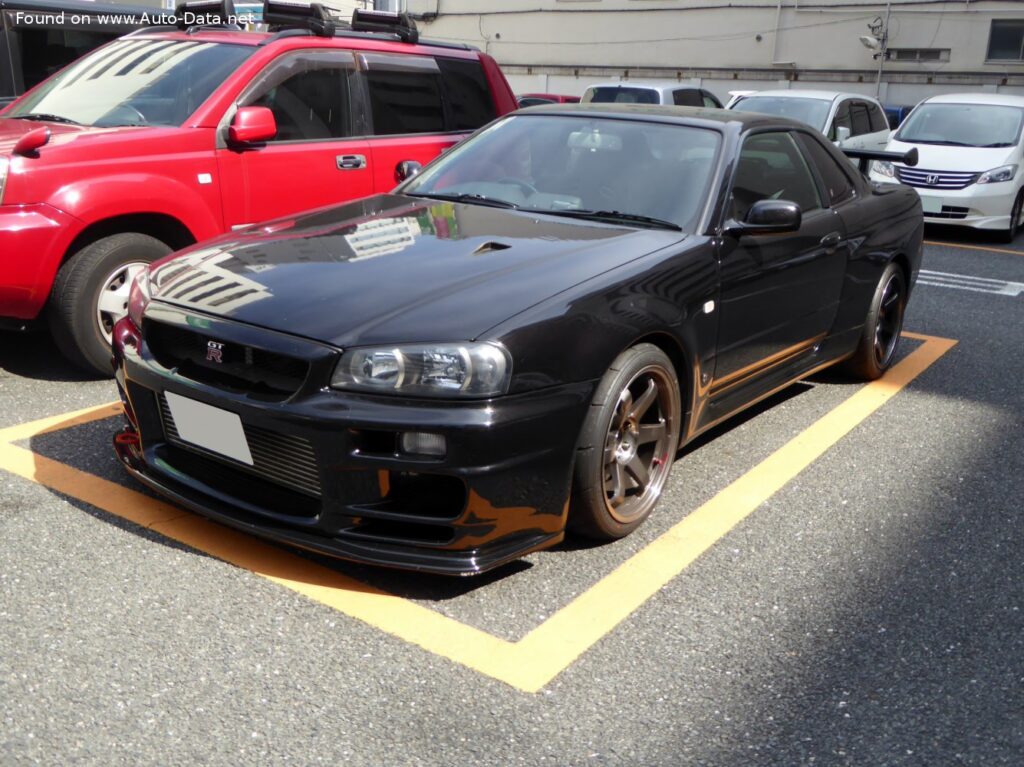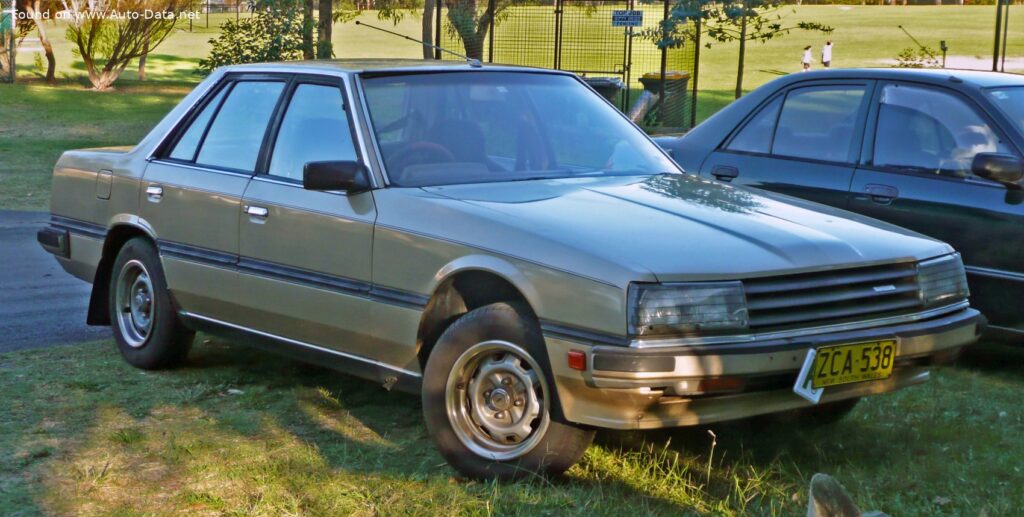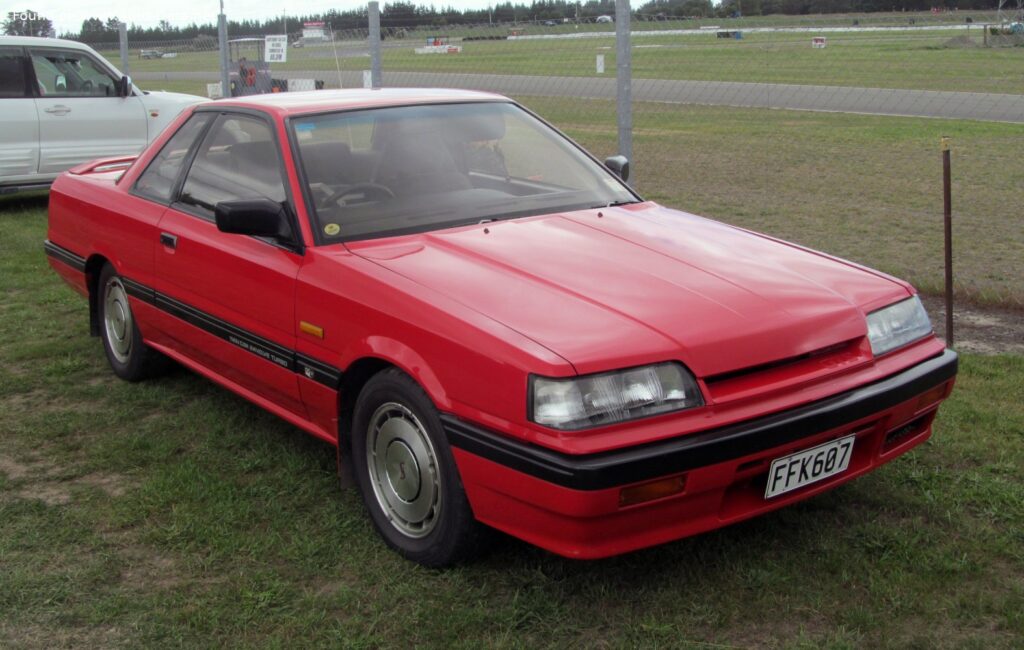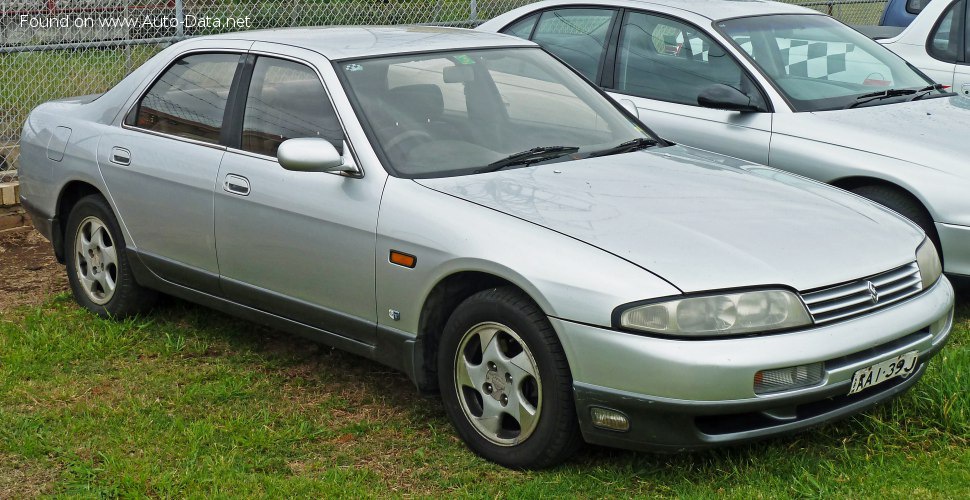
The Nissan Skyline IX (R33) 2.0 i GTS (125 Hp) represents a pivotal chapter in the celebrated history of the Nissan Skyline, a nameplate highly regarded by automotive enthusiasts globally. Produced between 1995 and 1998, the R33 generation marked a transition for the Skyline, moving from the angular styling of previous models to a smoother, more aerodynamically efficient design. While the R33 is often associated with its high-performance GT-R variant, the 2.0 i GTS sedan offered a more accessible and practical interpretation of the Skyline ethos, primarily serving the Japanese domestic market (JDM) as a reliable and comfortable mid-size vehicle.
Positioning and Role in the R33 Lineup
This particular variant, the 2.0 i GTS, was positioned as the entry-level offering within the R33 lineup. It struck a balance between performance, fuel efficiency, and the quality associated with the Skyline brand. Unlike its more powerful siblings – the GTS-4 with the RB25DET and the GT-R with the RB26DETT – the 2.0 i GTS focused on daily usability and economical operation, making it a popular choice for Japanese families and commuters. It featured a conventional, naturally aspirated internal combustion engine driving the rear wheels, a hallmark of the Skyline series, coupled with a five-speed manual transmission, providing an engaging yet straightforward driving experience.
Powertrain & Engine Architecture
At the heart of the Nissan Skyline IX (R33) 2.0 i GTS (125 Hp) lies the RB20E engine, a 2.0-liter (1998 cm3 or 121.93 cubic inches) inline-six cylinder unit. This engine is part of Nissan’s highly respected RB series, known for its smoothness and durability. The RB20E utilizes an overhead camshaft (OHC) valvetrain and a multi-port fuel injection system, delivering 125 horsepower at 5600 rpm and 172 Nm (126.86 lb-ft) of torque at 4400 rpm. This provided sufficient power for both city driving and highway cruising.
The RB20E was designed for efficiency and reliability, unlike the turbocharged RB25DET and RB26DETT engines found in higher-performance R33 models. Its natural aspiration resulted in a linear power delivery and reduced mechanical complexity, contributing to lower maintenance costs and improved fuel economy. The engine is front-longitudinally mounted, contributing to the car’s balanced weight distribution and traditional rear-wheel-drive dynamics. The compression ratio of 9.5:1 was typical for naturally aspirated engines of the era, balancing power with the ability to run on regular unleaded gasoline. The five-speed manual transmission, a Getrag-sourced unit, provided precise shifts and a direct connection to the engine.
Driving Characteristics
The 2.0 i GTS, with its 90 hp and manual transmission, offered a distinctly different driving experience compared to the more powerful R33 variants. While lacking the immediate acceleration of the turbocharged models, the RB20E provided a smooth and predictable power delivery. The five-speed manual transmission allowed drivers to effectively utilize the engine’s torque, making it enjoyable to drive on winding roads. The gear ratios were tuned for everyday usability, prioritizing fuel efficiency and comfortable cruising over outright performance. Compared to the heavier and more powerful GTS-4, the 2.0 i GTS felt lighter and more nimble, offering a more engaging driving experience for those who didn’t require the extra power.
Equipment & Trim Levels
The 2.0 i GTS was equipped with a range of standard features for its time. The interior typically featured cloth upholstery, a straightforward dashboard layout, and power windows. Power steering, utilizing a hydraulic rack-and-pinion system, was standard, providing precise steering feel. Safety features included an Anti-lock Braking System (ABS), a significant addition for cars in this segment during the mid-1990s. Optional extras included air conditioning, upgraded audio systems, and alloy wheels. The trim level was generally focused on functionality and durability, reflecting its position as the entry-level model in the R33 lineup.
Chassis & Braking
The R33 2.0 i GTS utilized a spring strut suspension setup at the front and coil springs at the rear, designed to provide a comfortable ride while maintaining competent handling. The suspension was tuned for everyday driving conditions, prioritizing comfort over aggressive cornering. Braking duties were handled by ventilated discs at the front and solid discs at the rear, offering reliable stopping power. The car rode on 185/70 R14 tires, emphasizing comfort and efficiency over ultimate grip. The chassis was a robust unibody construction, providing a solid foundation for the suspension and ensuring good structural rigidity.
Market Reception & Comparison
Critics generally viewed the Nissan Skyline IX (R33) 2.0 i GTS as a competent and reliable mid-size sedan. While it didn’t receive the same level of acclaim as the GT-R models, it was praised for its smooth engine, comfortable ride, and overall build quality. Compared to other trims in the R33 lineup, the 2.0 i GTS offered significantly better fuel economy. The RB20E engine was known for its longevity and relatively low maintenance costs. However, its performance was noticeably lower than the turbocharged variants. In terms of reliability, the RB20E proved to be a very durable engine, with many examples still running reliably today. Compared to competitors like the Toyota Mark II and Honda Accord, the Skyline offered a unique rear-wheel-drive experience and the prestige of the Skyline nameplate.
Technical Specifications
| Brand | Nissan |
| Model | Skyline |
| Generation | Skyline IX (R33) |
| Type (Engine) | 2.0 i GTS (125 Hp) |
| Start of Production | 1995 year |
| End of Production | 1998 year |
| Powertrain Architecture | Internal Combustion engine |
| Body Type | Sedan |
| Seats | 5 |
| Doors | 4 |
| Fuel Consumption (Combined) | 7.2 l/100 km (32.7 US mpg) |
| Fuel Type | Petrol (Gasoline) |
| Weight-to-Power Ratio | 10.2 kg/Hp (98.4 Hp/tonne) |
| Engine Specs | |
| Power | 125 Hp @ 5600 rpm |
| Torque | 172 Nm @ 4400 rpm (126.86 lb.-ft.) |
| Engine Layout | Front, Longitudinal |
| Engine Model/Code | RB20E |
| Engine Displacement | 1998 cm3 (2.0 liters / 121.93 cu. in.) |
| Number of Cylinders | 6 |
| Engine Configuration | Inline |
| Compression Ratio | 9.5:1 |
| Fuel Injection System | Multi-port manifold injection |
| Valvetrain | OHC |
| Drivetrain Architecture | Internal combustion engine drives the rear wheels. |
| Drive Wheel | Rear wheel drive |
| Number of Gears and Type of Gearbox | 5 gears, manual transmission |
Legacy
The Nissan Skyline IX (R33) 2.0 i GTS (125 Hp) has proven to be a remarkably reliable vehicle over the long term. The RB20E engine is known for its durability, and many examples have exceeded 200,000 miles with proper maintenance. In the used car market today, the R33 2.0 i GTS represents an affordable entry point into the world of Skylines. While it doesn’t command the same prices as the GT-R models, it offers a unique blend of style, reliability, and driving enjoyment. Its relative rarity outside of Japan has also contributed to its growing popularity among enthusiasts. The 2.0 i GTS, therefore, remains a testament to Nissan’s engineering prowess and a valuable piece of JDM history.