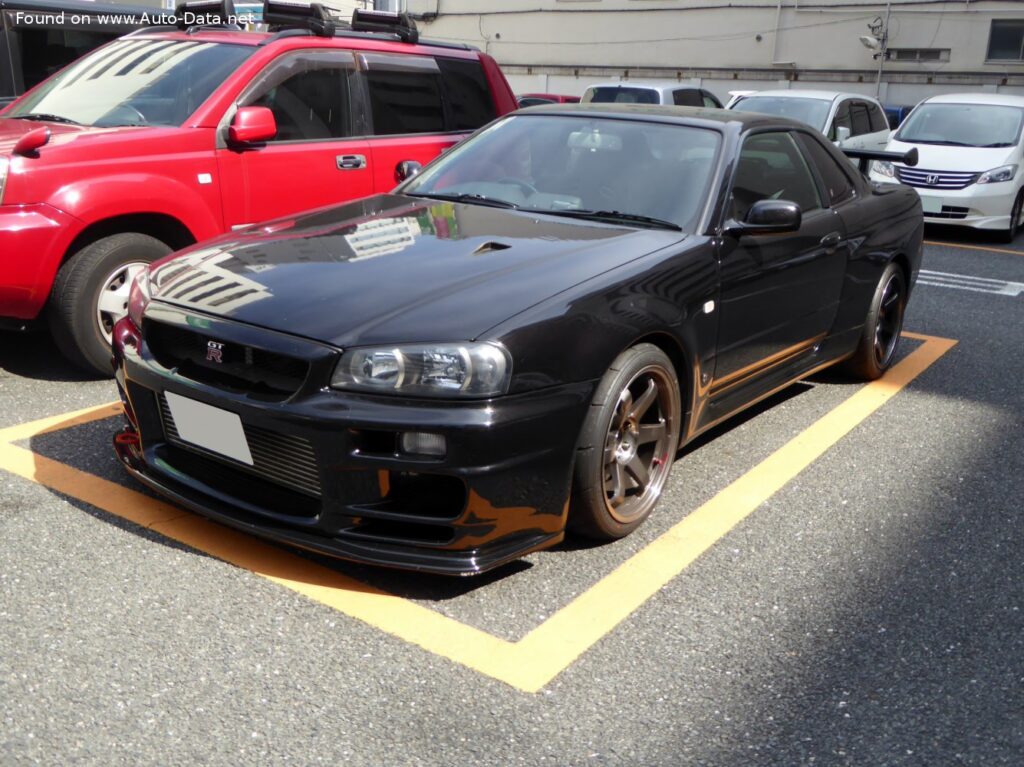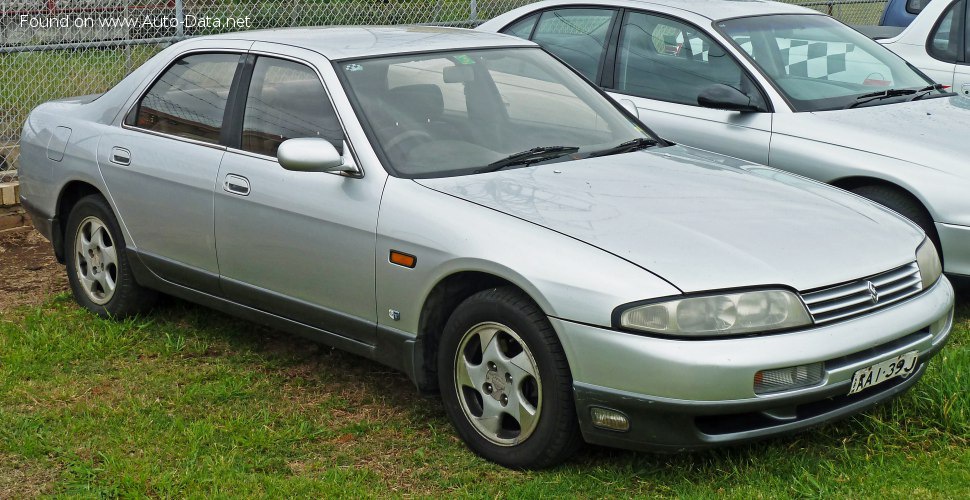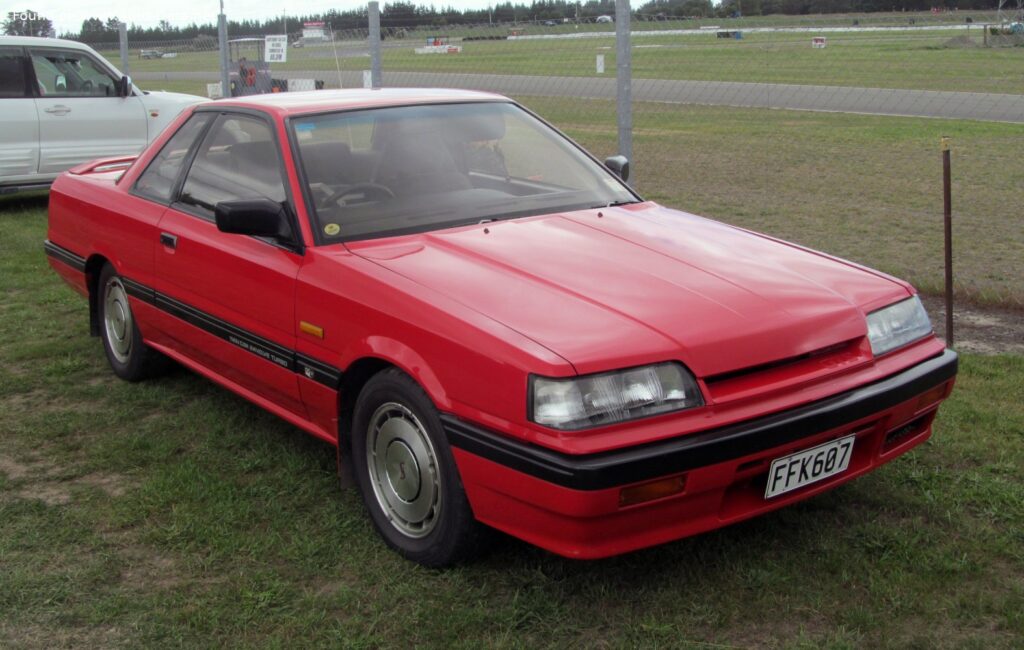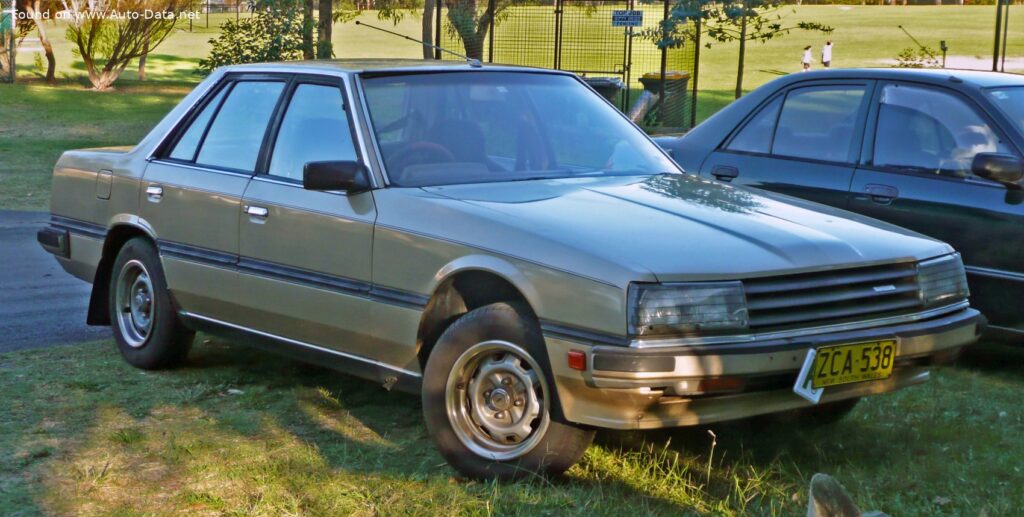
The Nissan Skyline (R30) represents the sixth generation of Nissan’s iconic Skyline model line, a nameplate celebrated for performance and innovation within the Japanese domestic market (JDM) and internationally. Produced from 1981 to 1985, the R30 generation showcased a shift towards angular, functional design, characteristic of the early 1980s automotive aesthetic. Though never officially sold in the United States, the Skyline R30 was instrumental in establishing the Skyline’s reputation as a versatile vehicle, ranging from practical sedans to performance-oriented coupes. The variant discussed here, the 2.0-liter sedan producing 130 horsepower, occupied the entry to mid-range position in the R30 lineup, offering a balance of affordability, everyday usability, and a taste of the sporting character that would come to define later Skylines. It was built on the R30 platform, also known internally as the D210.
The Evolution of the Nissan Skyline (R30)
Following the successful C210 (Kenmeri) generation, the R30 Skyline arrived during a period of rapid technological advancement and evolving design preferences. Nissan aimed to modernize the Skyline while preserving its core identity as a driver-focused vehicle. The R30 was offered in a diverse range of body styles – two-door coupes, four-door sedans, and five-door hatchbacks – demonstrating its adaptability to various market segments. The sedan, in particular, was a key component of the lineup, appealing to families and professionals seeking reliability, comfort, and a degree of driving enjoyment. This generation is remembered for its solid build quality and the widespread adoption of electronic fuel injection across many engine options, signaling a move towards improved efficiency and precision. The R30 also saw a significant increase in the use of independent suspension components compared to earlier Skylines.
Powertrain & Engine Architecture: The L20B
The Nissan Skyline (R30) 2.0-liter sedan featured the L20B engine, a naturally aspirated 2.0-liter inline-six cylinder gasoline (petrol) engine producing 130 horsepower. This engine was a mainstay in Nissan’s lineup during the early 1980s and was known for its durability and relatively simple design. The L20B utilized a single overhead camshaft (SOHC) valvetrain, operating with two valves per cylinder. Fuel delivery was managed by a Nissan Electronic Fuel Injection (EFI) system, a significant upgrade from the carburetors used in previous generations. This EFI system contributed to improved fuel economy and reduced emissions. The engine block was constructed from cast iron, while the cylinder head was made of aluminum alloy, contributing to a reasonable weight for its size.
The transmission paired with the L20B in this variant was a three-speed automatic transmission. This automatic was chosen to appeal to a broader audience prioritizing ease of use over outright performance. While not known for its sporty characteristics, the transmission provided smooth shifts and adequate performance for everyday driving. The gear ratios were optimized for fuel efficiency and comfortable cruising, rather than rapid acceleration. Compared to the five-speed manual transmission available on other R30 models, the automatic resulted in slightly slower acceleration times and a less engaging driving experience.
Driving Characteristics
The 130 horsepower and automatic transmission combination in the R30 Skyline sedan delivered a comfortable and predictable driving experience. Acceleration was adequate for merging onto highways and navigating city streets, but it wasn’t particularly brisk. The automatic transmission, while smooth, lacked the responsiveness of a manual gearbox. The engine produced a respectable amount of torque at lower RPMs, making it suitable for daily commuting. However, it lacked the high-end power of the turbocharged variants, such as the RS-X Turbo, which offered significantly more performance. The R30 sedan with the L20B and automatic transmission was geared towards drivers who valued reliability and ease of use over sporty handling and quick acceleration. Compared to the manual transmission versions, the automatic reduced driver involvement but increased convenience.
Equipment & Trim Levels
The 2.0-liter Skyline sedan typically came equipped with a standard set of features for its time. Interior upholstery was generally cloth, available in a range of colors. The dashboard layout was functional and straightforward, with clearly marked gauges for speed, fuel level, temperature, and oil pressure. Air conditioning was often an optional extra, as were power windows and a more advanced audio system. The base trim level offered a relatively spartan interior, while higher trim levels included features like upgraded upholstery, woodgrain trim, and a more comprehensive instrument cluster. The R30 sedan also featured a relatively spacious trunk, providing ample cargo capacity for everyday use. Safety features were limited by the standards of the era, typically including seatbelts and a robust chassis structure.
Chassis & Braking
The R30 Skyline sedan utilized a traditional body-on-frame construction, providing a robust and durable platform. The suspension system consisted of independent front suspension with MacPherson struts and a solid rear axle with leaf springs. This setup provided a comfortable ride quality, but it wasn’t particularly sporty. The braking system featured disc brakes on the front wheels and drum brakes on the rear wheels. This configuration was common for vehicles in this class during the early 1980s. The braking performance was adequate for normal driving conditions, but it lacked the stopping power of more advanced braking systems. A stabilizer bar was included on the front suspension to reduce body roll during cornering, improving handling stability.
Market Reception & Comparison
Critics generally viewed the 2.0-liter Skyline sedan as a competent and reliable vehicle, but not a particularly exciting one. It was praised for its build quality, comfortable ride, and fuel efficiency. However, it was often overshadowed by the more powerful and sporty variants, such as the RS-X Turbo. Compared to competitors like the Toyota Corona and Mazda Capella, the R30 Skyline offered a slightly more premium feel and a stronger association with performance, thanks to the Skyline’s heritage. Fuel economy was competitive for its time, averaging around 25-30 miles per gallon. Reliability was generally good, with the L20B engine proving to be a durable and long-lasting powerplant. The automatic transmission, while not as engaging as a manual, was known for its dependability.
Technical Specifications: Nissan Skyline (R30) 2.0 (130 Hp) Sedan
| Brand | Nissan |
| Model | Skyline |
| Generation | Skyline (R30) |
| Engine Type | 2.0L Inline-Six |
| Horsepower | 130 hp |
| Torque | 128 lb-ft |
| Fuel Type | Gasoline (Petrol) |
| Transmission | 3-Speed Automatic |
| Body Type | Sedan |
| Seating Capacity | 5 |
| Production Years | 1981-1985 |
| Engine Code | L20B |
| Valvetrain | SOHC (Single Overhead Cam) |
| Fuel System | Electronic Fuel Injection (EFI) |
| Front Suspension | MacPherson Strut |
| Rear Suspension | Leaf Spring |
| Front Brakes | Disc |
| Rear Brakes | Drum |
Legacy
The Nissan Skyline (R30) 2.0-liter sedan, while often overlooked in favor of its more potent siblings, remains a significant part of the Skyline’s history. Its robust engineering and reliable powertrain have ensured that many examples are still on the road today. In the used car market, these sedans are relatively affordable and represent a good entry point for enthusiasts interested in experiencing a classic JDM vehicle. The L20B engine is known for its longevity and relatively simple maintenance requirements. While not a high-performance machine, the R30 2.0-liter sedan offers a comfortable and dependable driving experience, embodying the spirit of a practical yet engaging Japanese automobile from the early 1980s. It serves as a reminder of the Skyline’s evolution and its enduring appeal to drivers seeking a blend of reliability, comfort, and understated style.