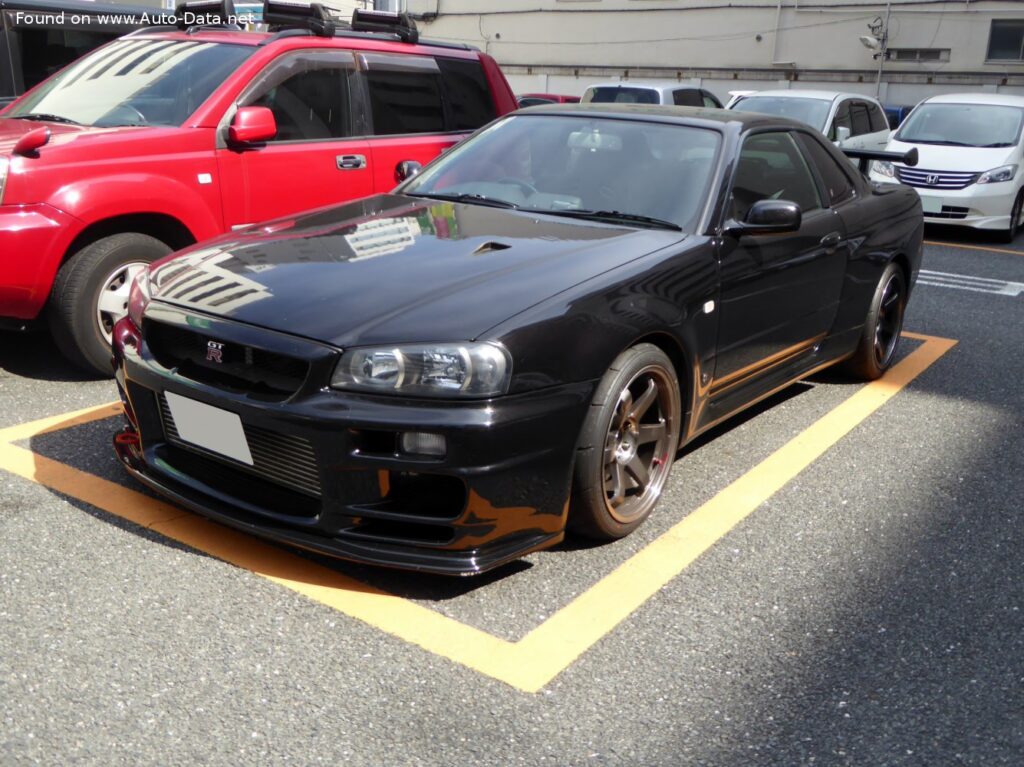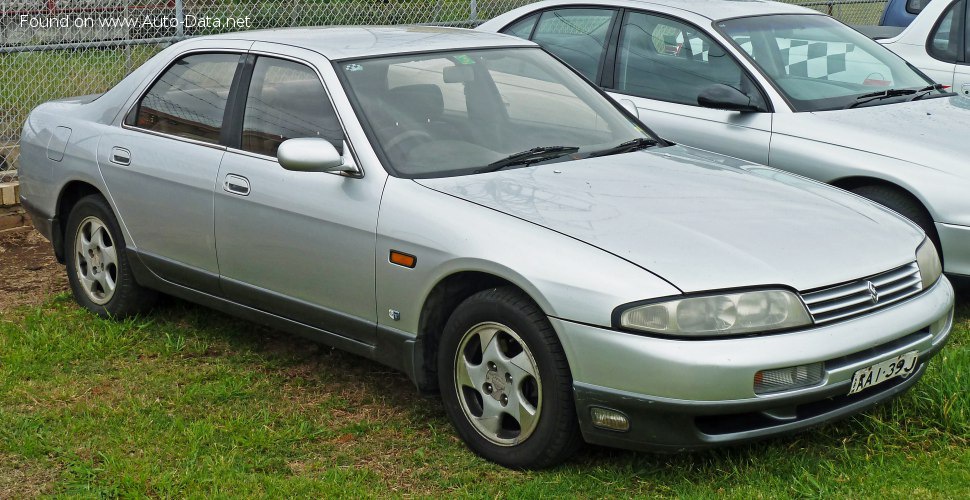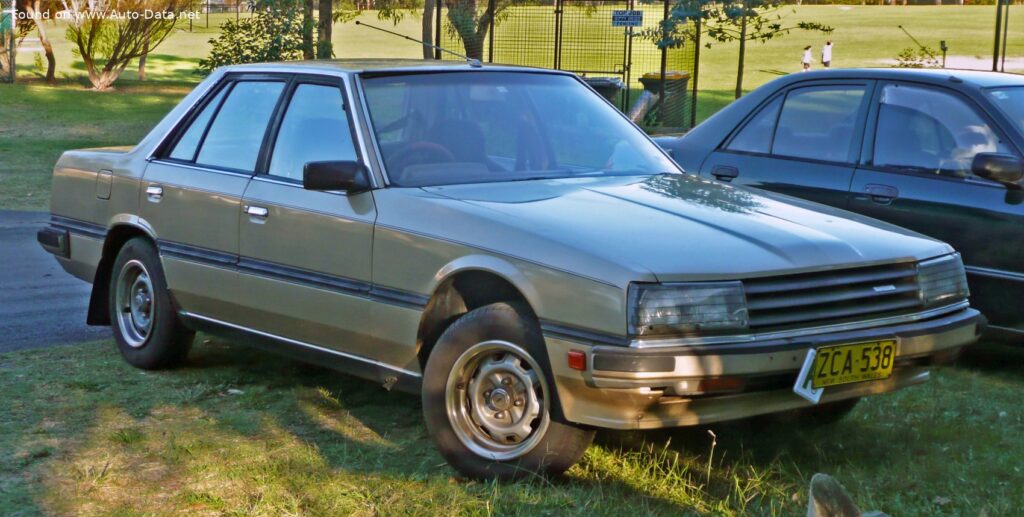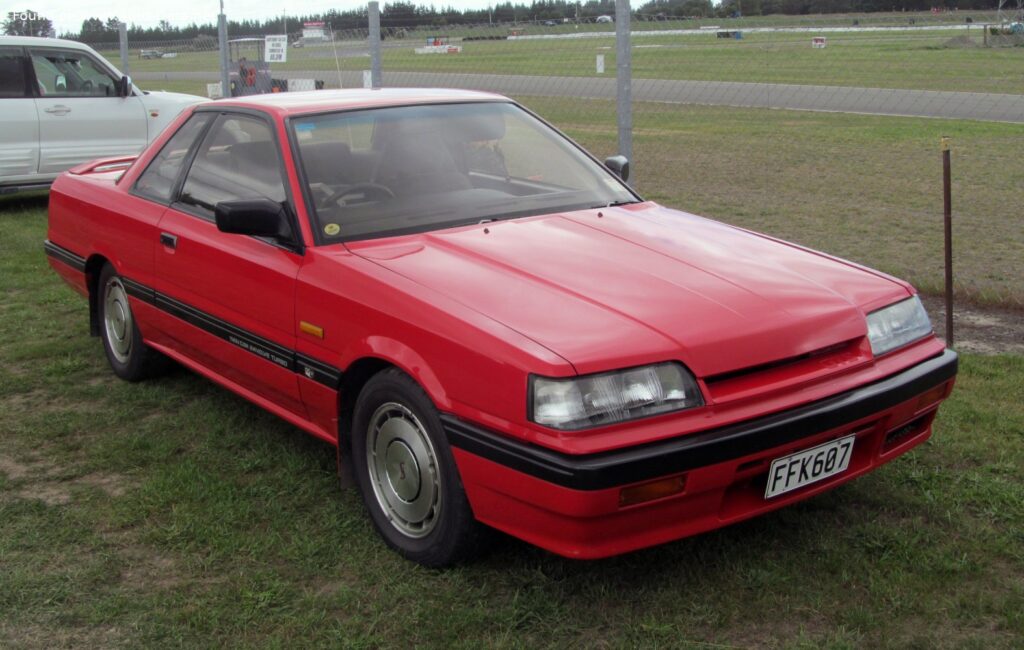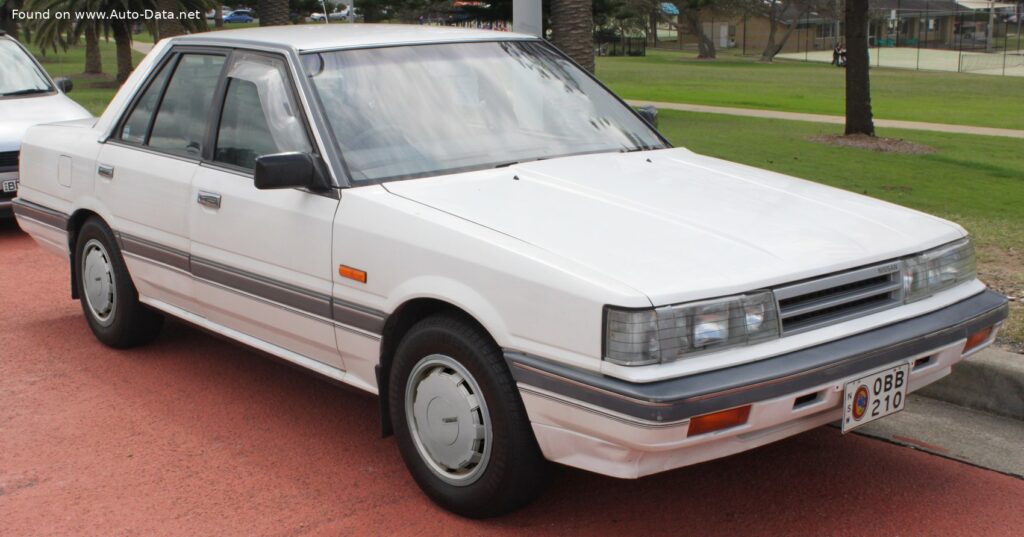
The Nissan Skyline is a nameplate synonymous with Japanese automotive performance and engineering prowess, a lineage that has captivated enthusiasts worldwide for decades. The seventh generation, known internally as the R31, marked a significant chapter in this illustrious history. Produced from 1985 to 1995, the Nissan Skyline VII (R31) represented a period of transition, moving away from some of the boxier aesthetics of its predecessors while laying groundwork for the legendary GT-R models that would follow. This particular variant, the 2.0 i R6 (125 Hp) sedan, was a cornerstone of the R31 lineup, offering a blend of practicality, understated performance, and the inherent quality expected from the Skyline badge.
Primarily marketed in Japan, Australia, and select Asian countries, the R31 generation was not officially imported into the United States. Consequently, its significance in the American automotive landscape is often understood through the lens of JDM (Japanese Domestic Market) imports and enthusiast culture, where it is appreciated for its robust inline-six engine architecture and rear-wheel-drive dynamics. While perhaps overshadowed by its more famous R32, R33, and R34 GT-R successors, the R31, especially in its more common sedan forms like the 2.0 i R6, played a crucial role in maintaining the Skyline’s reputation as a sophisticated and capable driver’s car in its primary markets. This article delves into the specifics of this classic model, examining its engineering, design, and enduring impact.
Powertrain & Engine Architecture
At the core of the Nissan Skyline VII (R31) 2.0 i R6 lies a naturally aspirated 2.0-liter (1998 cm³ or 121.93 cu. in.) inline-six gasoline engine. This powerplant, designated as an OHC (Overhead Camshaft) configuration with two valves per cylinder, was a testament to Nissan’s commitment to smooth, reliable, and characterful engines. The inline-six layout itself is celebrated for its inherent balance and refinement, qualities that were evident in the R31’s driving experience. This engine is commonly referred to as the RB20E.
The engine produced a respectable 125 horsepower at 5600 rpm, delivering a power-per-liter output of 62.6 Hp/l. Torque figures stood at 172 Nm (126.86 lb.-ft.) at a relatively accessible 4400 rpm, providing ample pulling power for daily driving and highway cruising. Fuel delivery was handled by a multi-port manifold injection system, a modern and efficient solution for its era, ensuring precise fuel metering and improved emissions compared to carbureted setups. With a compression ratio of 9.5:1, the engine was designed for optimal performance on standard gasoline.
Power from the longitudinal front-mounted engine was sent to the rear wheels via a 5-speed manual transmission, a popular choice for enthusiasts seeking direct control over the driving experience. A 4-speed automatic transmission was also available, and this is a key distinction for this variant. The automatic transmission, a Jatco unit, was chosen by many buyers seeking a more comfortable and convenient driving experience. It featured a traditional torque converter design and offered smooth, if not particularly sporty, gear changes. The R31 2.0 i R6 with the automatic transmission was positioned as the entry-level to mid-range offering in the R31 lineup, appealing to buyers prioritizing comfort and ease of use over outright performance. Compared to the manual transmission version, the automatic slightly reduced acceleration but offered a more relaxed driving experience. It also differed significantly from the higher-performance GT-R models, which featured turbocharged engines and more sophisticated transmissions.
Driving Characteristics
The 2.0 i R6 with the automatic transmission delivered a comfortable and predictable driving experience. The automatic transmission’s gear ratios were optimized for fuel efficiency and smooth cruising, rather than aggressive acceleration. First gear was relatively short, providing adequate launch power, while higher gears were spaced to keep engine speeds low at highway speeds. The automatic transmission’s shift points were calibrated to prioritize fuel economy and smoothness, resulting in a less engaging driving experience compared to the 5-speed manual. However, this made it an ideal choice for daily commuting and long-distance travel.
Compared to the manual transmission version, the automatic R31 2.0 i R6 felt slightly less responsive. The manual allowed for more driver control and quicker gear changes, resulting in better acceleration and a more connected feel. The automatic, while convenient, introduced a slight delay in response to throttle inputs. Compared to the more powerful 2.8-liter RB28DET engine found in some R31 variants, the 2.0 i R6 felt noticeably less potent. The RB28DET offered significantly more horsepower and torque, resulting in much quicker acceleration and a more exhilarating driving experience. However, the RB28DET also came with a higher price tag and increased maintenance requirements.
Equipment & Trim Levels
The 2.0 i R6 automatic sedan typically came equipped with a reasonable level of standard features for a vehicle of its era. Interior upholstery was generally cloth, available in a range of colors. The dashboard featured a straightforward layout with clear analog gauges displaying speed, tachometer, fuel level, and coolant temperature. Power windows and power steering were common features, enhancing convenience. Air conditioning was often included as standard equipment, particularly in warmer climates.
Optional extras available for this trim included upgraded audio systems, alloy wheels (often 15-inch), and a sunroof. Higher trim levels within the R31 range offered more luxurious features such as leather upholstery, woodgrain interior trim, and more advanced audio systems. However, the 2.0 i R6 automatic was generally positioned as a value-oriented option, focusing on providing essential features at an affordable price point.
Chassis & Braking
The R31 2.0 i R6 utilized a MacPherson strut front suspension and a semi-trailing arm rear suspension. This setup provided a good balance of ride comfort and handling. The suspension was tuned for a relatively soft ride, prioritizing comfort over outright sportiness. Stabilizer bars were fitted to both the front and rear axles to reduce body roll during cornering. The thickness of these stabilizer bars was typically modest, reflecting the car’s focus on comfort and everyday usability.
Braking duties were handled by ventilated disc brakes at the front and drum brakes at the rear. This configuration was common for vehicles in this price range during the 1980s. While adequate for normal driving conditions, the rear drum brakes offered less stopping power and fade resistance compared to disc brakes. Anti-lock Braking System (ABS) was available as an option, providing improved stopping performance and control, particularly on slippery surfaces. The steering system was a hydraulic power steering setup, offering ease of maneuverability with a reasonable amount of road feel.
Market Reception & Comparison
Critics generally viewed the R31 2.0 i R6 automatic as a competent and reliable sedan. It was praised for its comfortable ride, smooth engine, and practical interior. However, it was often criticized for its lack of outright performance compared to other Skyline variants and its competitors. Fuel economy was considered reasonable for a vehicle of its size and engine displacement, typically achieving around 22-26 mpg in mixed driving conditions.
Compared to the 2.0-liter turbocharged models, the 2.0 i R6 automatic offered significantly lower performance but also lower maintenance costs and improved reliability. The turbocharged engines required more frequent servicing and were more prone to mechanical issues. Compared to the 2.8-liter RB28DET, the 2.0 i R6 automatic was considerably less powerful but also more fuel-efficient and easier to maintain. The R31 2.0 i R6 automatic represented a sensible choice for buyers seeking a comfortable, reliable, and affordable sedan with the prestige of the Skyline name.
Technical Specifications
| Brand | Nissan |
| Model | Skyline |
| Generation | Skyline VII (R31) |
| Type (Engine) | 2.0 i R6 (125 Hp) |
| Start of Production | 1985 year |
| End of Production | 1995 year |
| Powertrain Architecture | Internal Combustion engine |
| Body Type | Sedan |
| Seats | 5 |
| Doors | 4 |
| Performance Specs | |
| Fuel Type | Petrol (Gasoline) |
| Maximum Speed | 118.06 mph (190 km/h) |
| Weight-to-Power Ratio | 9.6 kg/Hp, 104.2 Hp/tonne |
| Weight-to-Torque Ratio | 7 kg/Nm, 143.3 Nm/tonne |
| Engine Specs | |
| Power | 125 Hp @ 5600 rpm |
| Power per Liter | 62.6 Hp/l |
| Torque | 126.86 lb.-ft. (172 Nm) @ 4400 rpm |
| Engine Layout | Front, Longitudinal |
| Engine Displacement | 121.93 cu. in. (1998 cm³) |
| Number of Cylinders | 6 |
| Engine Configuration | Inline |
| Cylinder Bore | 3.07 in. (78 mm) |
| Piston Stroke | 2.74 in. (69.7 mm) |
| Compression Ratio | 9.5:1 |
| Number of Valves per Cylinder | 2 |
| Fuel Injection System | Multi-port manifold injection |
| Engine Aspiration | Naturally aspirated engine |
| Valvetrain | OHC |
| Space, Volume and Weights | |
| Kerb Weight | 2645.55 lbs (1200 kg) |
| Fuel Tank Capacity | 15.85 US gal (60 l) |
| Dimensions | |
| Length | 180.31 in. (4580 mm) |
| Width | 66.73 in. (1695 mm) |
| Height | 52.76 in. (1340 mm) |
| Wheelbase | 102.95 in. (2615 mm) |
| Front Track | 57.48 in. (1460 mm) |
| Rear (Back) Track | 57.48 in. (1460 mm) |
| Drivetrain, Brakes and Suspension Specs | |
| Drivetrain Architecture | The Internal combustion engine (ICE) drives the rear wheels of the vehicle. |
| Drive Wheel | Rear wheel drive |
| Number of Gears and Type of Gearbox | 4 gears, automatic transmission |
| Front Brakes | Ventilated discs |
| Rear Brakes | Disc |
| Assisting Systems | ABS (Anti-lock braking system) (Optional) |
| Power Steering | Hydraulic Steering |
| Tires Size | 205/60 HR15 |
Legacy
The Nissan Skyline VII (R31) 2.0 i R6 automatic powertrain is generally considered to be a reliable and durable unit. The RB20E engine, while not a high-performance powerplant, is known for its longevity and relatively simple maintenance requirements. The Jatco automatic transmission, while not as sporty as a manual, is also known for its robustness. Today, these vehicles are often found with high mileage but still running strong, a testament to Nissan’s engineering quality.
In the used car market, the R31 2.0 i R6 automatic is relatively affordable, making it an attractive option for enthusiasts seeking a classic Japanese sedan. Values have been steadily increasing in recent years as interest in JDM cars continues to grow. However, finding well-maintained examples can be challenging, as many vehicles have suffered from neglect or have been modified over the years. The R31 2.0 i R6 automatic remains a significant piece of Nissan’s history, representing a transitional period in the Skyline lineage and offering a unique blend of comfort, reliability, and understated style.