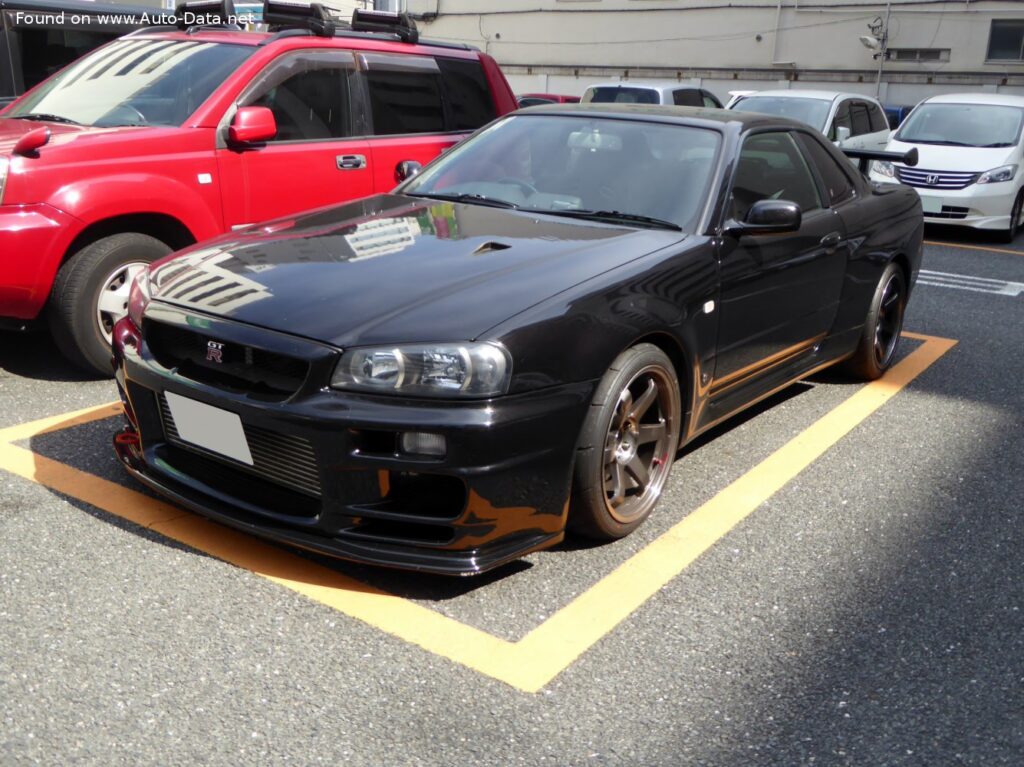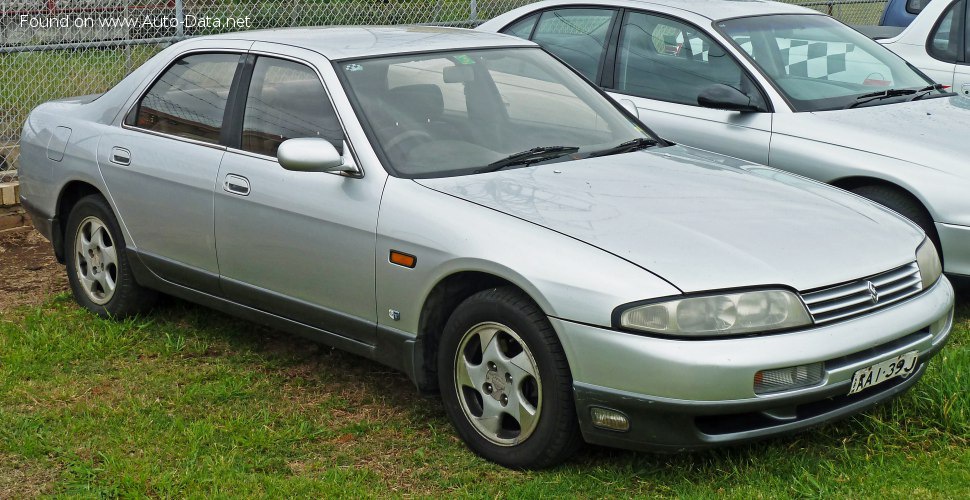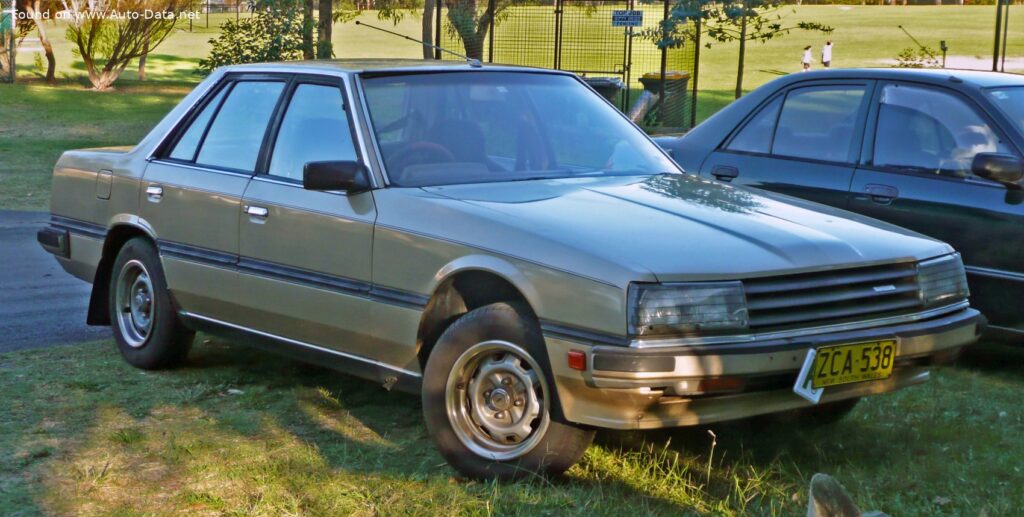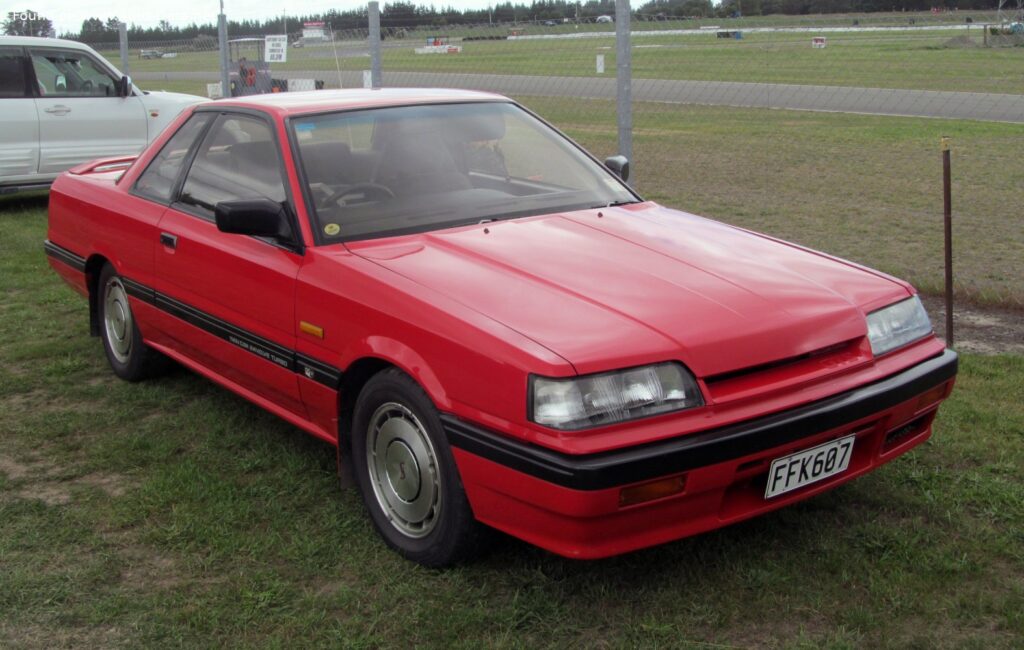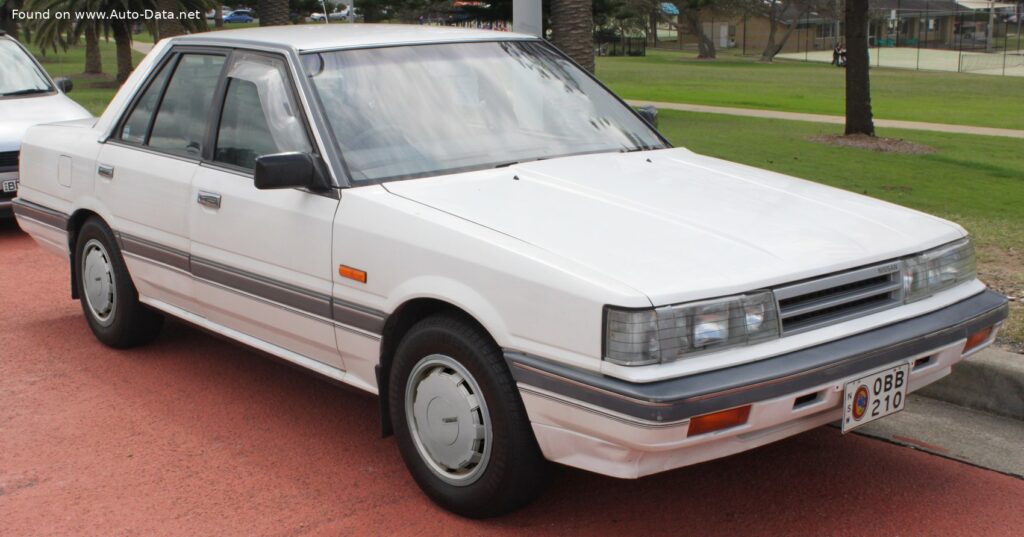
The Nissan Skyline VII (R31), produced from 1985 to 1995, represents a significant, though often overlooked, evolution in the Skyline lineage. This seventh-generation model introduced a more angular and contemporary design, reflecting the automotive trends of the mid-1980s. While never officially sold in the United States, the R31 played a vital role in key markets like Japan, Australia, and South Africa, serving as a technological proving ground for innovations that would later define the iconic R32 GT-R. This specific variant, the 2.0 i R6 24V Turbo 4WD (215 Hp) sedan, exemplifies the R31’s advanced engineering, pairing a potent turbocharged inline-six engine with a sophisticated all-wheel-drive system – a remarkably forward-thinking combination for its time.
The R31 Skyline: Positioning and Overview
The R31 generation marked a departure from the more conservative styling of previous Skylines, embracing a boxy aesthetic popular in the 1980s. Available in sedan, coupe, station wagon, and hardtop sedan body styles, the focus here is on the performance-oriented sedan. Crucially, the R31 was the first Skyline to feature the RB-series engine, a powerplant that would become synonymous with Nissan performance for decades. This 2.0 i Turbo 4WD variant occupied a mid-range performance position within the R31 lineup, offering a substantial step up from the naturally aspirated models while remaining more accessible than the higher-spec GTS-R models. It targeted drivers seeking a blend of everyday usability and spirited performance, particularly those living in regions with challenging weather conditions where all-wheel drive was a significant advantage.
Powertrain & Engine Architecture
The heart of this Nissan Skyline VII (R31) variant is the 2.0-liter (1998 cm³ or 121.93 cubic inches) RB20DET-R inline-six engine. This engine was a technological achievement for its era, boasting a 24-valve cylinder head (four valves per cylinder) and a turbocharger, producing 215 horsepower at 6400 rpm. Maximum torque of 265 Nm (195.45 lb-ft) was achieved at a relatively low 3200 rpm, delivering a strong and usable powerband. The engine featured a front, longitudinal layout, contributing to balanced handling. A multi-port fuel injection system ensured precise fuel delivery and efficiency. The 8.5:1 compression ratio was optimized for turbocharged performance.
The RB20DET-R utilized a cast iron block and an aluminum cylinder head, a common configuration for durability and weight reduction. The turbocharger was typically a Garrett T25 or similar, providing boost pressure to enhance power output. The engine’s valvetrain employed double overhead camshafts (DOHC), further contributing to its high-revving capability. The transmission paired with this engine was a 5-speed manual, although a 4-speed automatic was also available, though less common in this high-performance trim. The all-wheel-drive system was a viscous coupling type, distributing power between the front and rear axles as needed to maximize traction.
Driving Characteristics
The 2.0 i Turbo 4WD R31 sedan offered a distinct driving experience compared to its naturally aspirated or manual transmission counterparts. The turbocharger provided a noticeable surge of power in the mid-range, making overtaking and highway merging effortless. While not as raw or visceral as the manual transmission versions, the automatic transmission offered smooth and convenient gear changes, making it well-suited for daily driving. The all-wheel-drive system significantly enhanced traction, particularly on slippery surfaces, providing a confident and stable driving experience in all weather conditions. Compared to the higher-output GTS-R, this variant offered a more manageable power delivery, making it less prone to oversteer and easier to control for less experienced drivers. The gear ratios were tuned for a balance between acceleration and fuel economy, prioritizing usability over outright performance.
Equipment & Trim Levels
The 2.0 i Turbo 4WD R31 sedan typically came equipped with a range of features considered advanced for its time. Standard equipment often included power windows, power steering, central locking, and an AM/FM stereo. Higher trim levels offered options such as air conditioning, electric mirrors, and upgraded interior upholstery. The interior typically featured cloth seats, although leather options were available. The dashboard layout was functional and driver-focused, with clearly labeled gauges and controls. Optional extras included a sunroof, upgraded sound systems, and alloy wheels. The R31’s interior, while not luxurious by modern standards, was well-built and durable, reflecting Nissan’s commitment to quality.
Chassis & Braking
The R31 chassis utilized a MacPherson strut front suspension and a multi-link rear suspension, providing a comfortable yet controlled ride. Stabilizer bars were fitted to both the front and rear axles to reduce body roll during cornering. The braking system consisted of ventilated discs at the front and solid discs at the rear, providing adequate stopping power for a vehicle of its weight and performance. Anti-lock Braking System (ABS) was available as an option, enhancing safety by preventing wheel lockup during hard braking. The R31’s suspension tuning was geared towards providing a balance between comfort and handling, making it suitable for both daily commuting and spirited driving. The chassis rigidity was improved over previous Skylines, contributing to better handling and stability.
Market Reception & Comparison
The R31 2.0 i Turbo 4WD sedan received generally positive reviews from automotive critics. It was praised for its strong performance, advanced technology, and comfortable ride. However, some critics noted that the automatic transmission could feel slightly sluggish compared to the manual version. In terms of fuel economy, the R31 Turbo 4WD achieved around 22-25 mpg in mixed driving conditions, which was respectable for a turbocharged vehicle of its size and performance. Compared to other trims in the R31 lineup, the 2.0 i Turbo 4WD offered a compelling balance of performance, practicality, and affordability. It was often seen as a more sensible alternative to the more expensive and track-focused GTS-R. Competitors included the Toyota Mark II/Chaser/Cresta, Mazda 929 (Luce), and Mitsubishi Galant VR-4.
Technical Specifications
| Brand | Nissan |
| Model | Skyline VII (R31) |
| Type (Engine) | 2.0 i R6 24V Turbo 4WD (215 Hp) |
| Start of Production | 1985 year |
| End of Production | 1995 year |
| Powertrain Architecture | Internal Combustion engine |
| Body Type | Sedan |
| Seats | 5 |
| Doors | 4 |
| Performance Specs | |
| Fuel Type | Petrol (Gasoline) |
| Power | 215 Hp @ 6400 rpm |
| Power per Liter | 107.6 Hp/l |
| Torque | 265 Nm @ 3200 rpm (195.45 lb.-ft. @ 3200 rpm) |
| Weight-to-Power Ratio | 6 kg/Hp (13.23 lbs/Hp) |
| Weight-to-Torque Ratio | 4.9 kg/Nm (10.8 lbs/lb.-ft.) |
| Engine Specs | |
| Engine Layout | Front, Longitudinal |
| Engine Displacement | 1998 cm³ (121.93 cu. in.) |
| Number of Cylinders | 6 |
| Engine Configuration | Inline |
| Cylinder Bore | 78 mm (3.07 in.) |
| Piston Stroke | 69.7 mm (2.74 in.) |
| Compression Ratio | 8.5:1 |
| Number of Valves per Cylinder | 4 |
| Fuel Injection System | Multi-port manifold injection |
| Engine Aspiration | Turbocharger |
| Space, Volume and Weights | |
| Kerb Weight | 1290 kg (2843.96 lbs) |
| Fuel Tank Capacity | 60 l (15.85 US gal) |
| Dimensions | |
| Length | 4580 mm (180.31 in.) |
| Width | 1695 mm (66.73 in.) |
| Height | 1340 mm (52.76 in.) |
| Wheelbase | 2615 mm (102.95 in.) |
| Front Track | 1460 mm (57.48 in.) |
| Rear (Back) Track | 1460 mm (57.48 in.) |
| Drivetrain, Brakes and Suspension Specs | |
| Drive Wheel | All wheel drive (4×4) |
| Number of Gears and Type of Gearbox | 5 gears, manual transmission |
| Front Suspension | Independent (details not specified) |
| Rear Suspension | Independent (details not specified) |
| Front Brakes | Ventilated discs |
| Rear Brakes | Disc |
| Assisting Systems | ABS (Anti-lock Braking System) |
| Power Steering | Hydraulic Steering |
| Tires Size | 205/55 HR16 |
Legacy
The Nissan Skyline VII (R31) 2.0 i Turbo 4WD holds a respected, if understated, position among Skyline enthusiasts. While often overshadowed by its more famous siblings, it played a crucial role in the evolution of the Skyline and the development of Nissan’s performance technology. The RB20DET-R engine proved to be a robust and tunable powerplant, and the R31’s all-wheel-drive system laid the groundwork for the advanced systems found in later GT-R models. Today, well-maintained R31s are becoming increasingly collectible, particularly those with the RB20DET-R engine. Their relative affordability and robust engineering make them appealing to enthusiasts seeking a classic Japanese performance car. While not immune to the effects of age, the RB20DET-R is generally considered a reliable engine when properly maintained, and parts availability remains reasonable. The R31 stands as a testament to Nissan’s engineering prowess and its commitment to innovation, solidifying its place in automotive history.