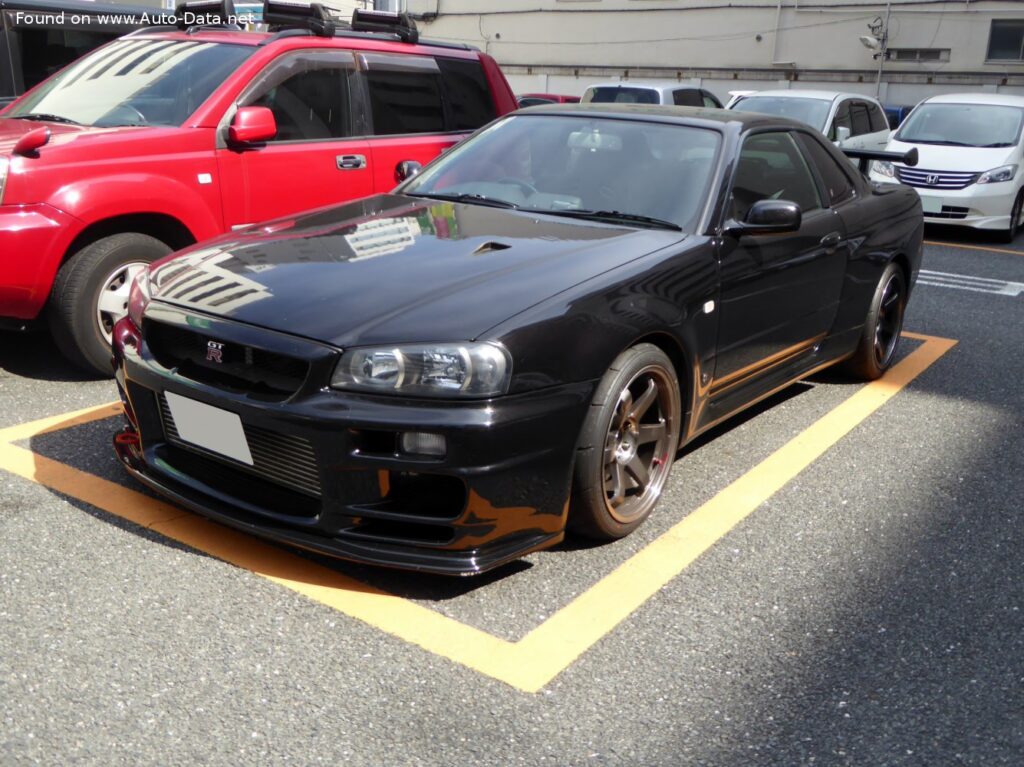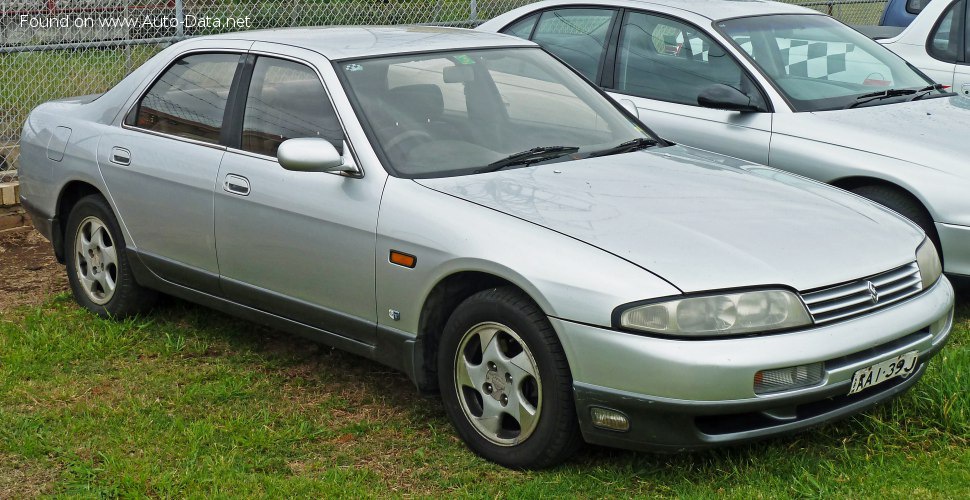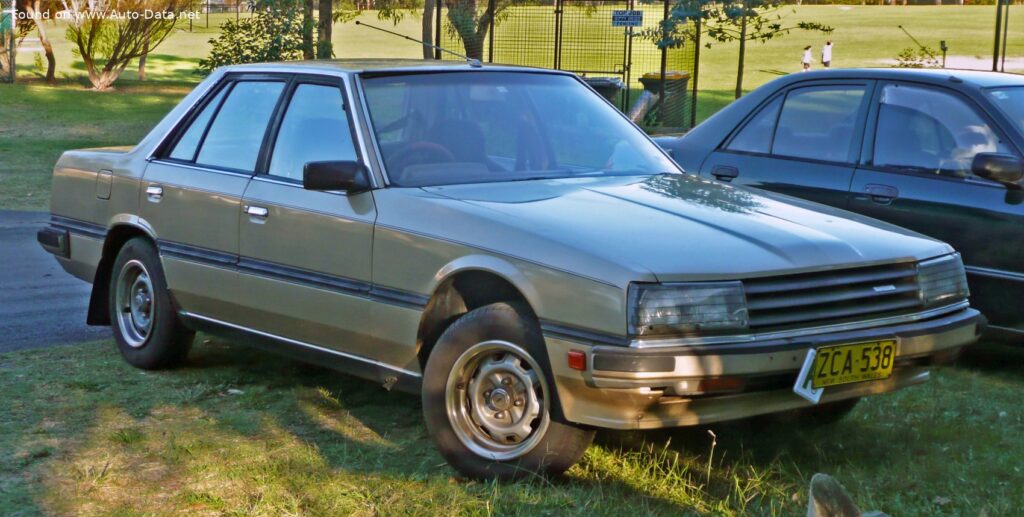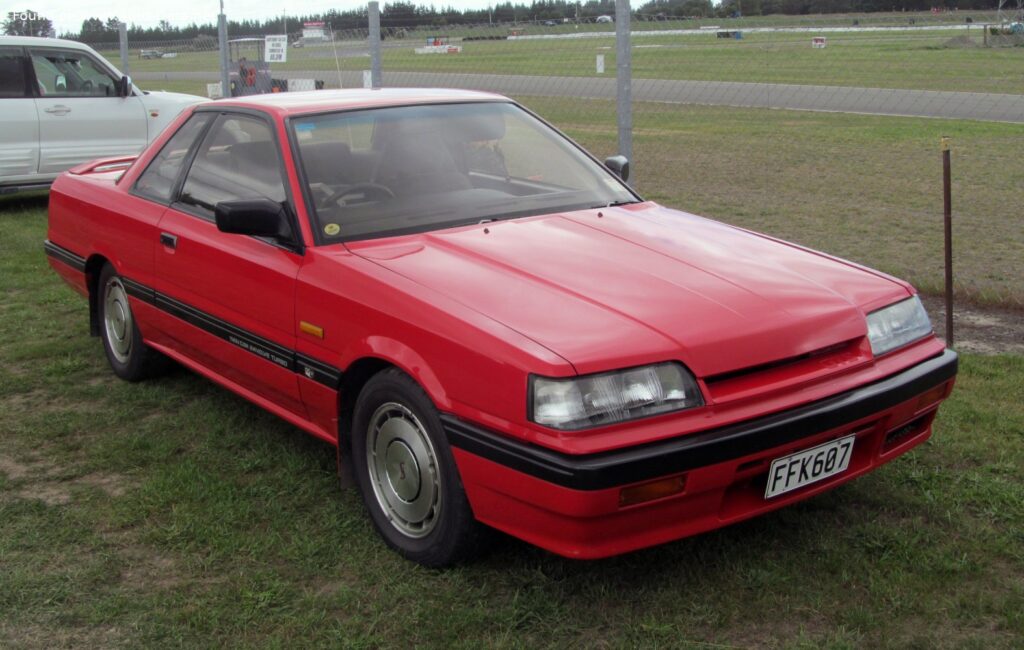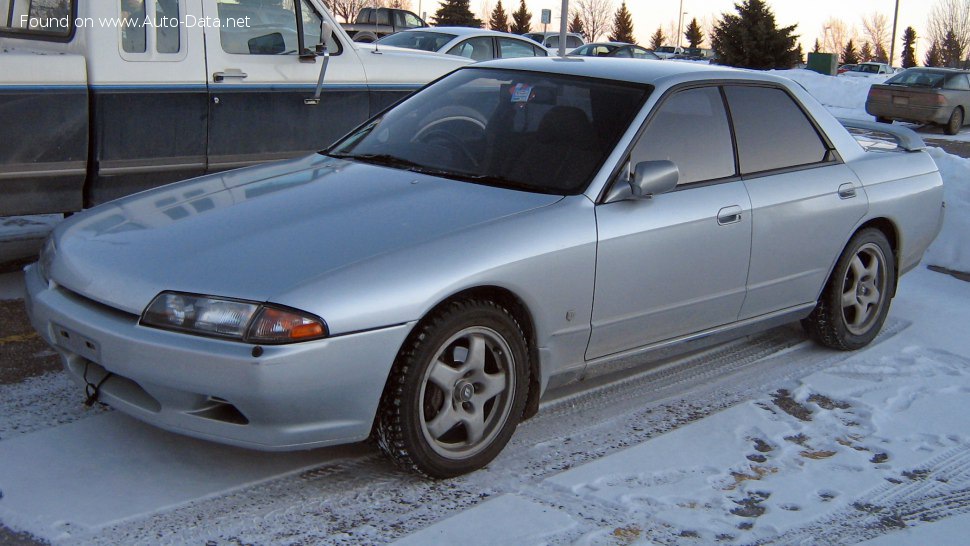
The Nissan Skyline VIII, known by its chassis code R32, is a significant generation in the history of the Nissan Skyline. Produced from 1989 to 1993, the R32 series represented a substantial advancement in design, technology, and performance for Nissan’s mid-size luxury and sports car line. While the R32 is most celebrated for the return of the GT-R, the standard models, such as the Nissan Skyline VIII (R32) 2.0 R6 24V (155 Hp) sedan, formed the core of the lineup, offering a compelling blend of usability and sporting intent to the Japanese domestic market (JDM).
The 2.0 R6 24V (155 Hp) Sedan: Positioning and Overview
This particular variant, the 2.0 R6 24V (155 Hp) sedan, occupied the entry to mid-level position within the R32 Skyline range. It served as a more accessible alternative to the higher-performance GT-R and GTS-4 models, offering a balance between affordability, comfort, and respectable performance. It was aimed at buyers who desired a stylish, well-equipped sedan with a sporting character, but didn’t necessarily require the outright speed or advanced all-wheel-drive system of its more expensive siblings. The R32 Skyline, in all its forms, has developed a global cult following due to its robust engineering, timeless aesthetics, and presence in motorsports and car culture, despite never being officially sold in the United States.
Powertrain & Engine Architecture
The heart of the Nissan Skyline VIII (R32) 2.0 R6 24V (155 Hp) sedan is the RB20DE engine. This 2.0-liter (1998 cc or 121.93 cubic inches) inline-six engine is a naturally aspirated, dual overhead camshaft (DOHC) unit with 24 valves (four per cylinder). The RB20DE was a cornerstone of Nissan’s engineering during this period, renowned for its smooth operation, durability, and a distinctive exhaust note.
The engine produced 155 horsepower at 6400 rpm, yielding 77.6 horsepower per liter. Torque was rated at 137.19 lb-ft (186 Nm) at 4400 rpm, providing a usable powerband for everyday driving. A compression ratio of 9.5:1 and a multi-port fuel injection system contributed to both efficiency and reliability. Power was transmitted to the rear wheels through a 5-speed manual transmission, offering an engaging driving experience. The engine block is cast iron, contributing to its robustness, while the cylinder head is aluminum alloy, helping to reduce weight. The valvetrain utilizes hydraulic valve lifters, reducing the need for frequent adjustments.
Driving Characteristics
The 2.0-liter RB20DE, paired with the 5-speed manual transmission, delivered a balanced driving experience. While not as exhilarating as the turbocharged engines found in the GT-R or GTS-4, it offered sufficient power for confident overtaking and enjoyable cruising. The gear ratios were tuned to prioritize acceleration in the mid-range, making it responsive in typical driving scenarios. Compared to the GT-R’s all-wheel-drive system, the rear-wheel-drive configuration of the 2.0-liter sedan provided a more traditional sports car feel, with a tendency towards oversteer if pushed to its limits. The lighter weight compared to the GT-R also contributed to a more nimble feel in corners. The 5-speed manual transmission offered precise shifts and a direct connection to the engine, enhancing driver involvement.
Equipment & Trim Levels
The Nissan Skyline VIII (R32) 2.0 R6 24V (155 Hp) sedan came standard with a respectable level of equipment for its time. Interior upholstery typically consisted of cloth seats, although optional leather upholstery was available. The dashboard featured a straightforward layout with analog gauges for speed, tachometer, fuel level, and coolant temperature. Power windows, power steering, and an AM/FM radio were standard features. Optional extras included air conditioning, a sunroof, upgraded audio systems, and alloy wheels. Higher trim levels within the 2.0-liter range offered additional features such as central locking, electric mirrors, and woodgrain interior trim. The overall interior design prioritized functionality and comfort, with a focus on providing a pleasant driving environment.
Chassis & Braking
The R32 Skyline sedan utilized a sophisticated suspension system designed for both comfort and handling. The front suspension employed a MacPherson strut and wishbone arrangement with a transverse stabilizer bar, while the rear featured a multi-link suspension, also with a stabilizer bar. This independent suspension setup provided excellent road holding and minimized body roll. The steering was a hydraulic power-assisted rack and pinion system, offering precise control and good feedback. Braking was handled by ventilated discs at the front and solid discs at the rear. An Anti-lock Braking System (ABS) was available as an option, enhancing safety by preventing wheel lockup during hard braking. The car rode on 205/55 R16 tires, providing a good balance of grip and ride comfort. The chassis was designed with a focus on rigidity, contributing to the car’s overall stability and handling characteristics.
Market Reception & Comparison
Critics generally praised the Nissan Skyline VIII (R32) 2.0 R6 24V (155 Hp) sedan for its refined engine, comfortable ride, and engaging handling. It was considered a well-rounded package that offered a good value for money. Compared to the GT-R, the 2.0-liter sedan was more fuel-efficient, with reported fuel economy figures around 24-28 mpg (combined). However, it lacked the GT-R’s blistering acceleration and all-weather capability. Compared to other 2.0-liter sedans of the era, such as the Toyota Mark II, the Skyline offered a more sporting driving experience and a more distinctive engine character. Reliability was generally good, although regular maintenance was essential to ensure the longevity of the RB20DE engine. The RB20DE was known to be a durable engine, but like all engines, it was susceptible to wear and tear over time, particularly if not properly maintained.
Technical Specifications
| Category | Specification |
| Brand | Nissan |
| Model | Skyline |
| Generation | Skyline VIII (R32) |
| Type (Engine) | 2.0 R6 24V (155 Hp) |
| Start of Production | 1989 |
| End of Production | 1993 |
| Powertrain Architecture | Internal Combustion engine |
| Body Type | Sedan |
| Seats | 5 |
| Doors | 4 |
| Fuel Type | Gasoline |
| Maximum Speed | 142.92 mph (230 km/h) |
| Weight-to-Power Ratio | 20.72 lbs/Hp (9.4 kg/Hp) |
| Engine Power | 155 Hp @ 6400 rpm |
| Power per Liter | 77.6 Hp/l |
| Engine Torque | 137.19 lb-ft @ 4400 rpm (186 Nm) |
| Engine Layout | Front, Longitudinal |
| Engine Model/Code | RB20DE |
| Engine Displacement | 2.0 liters (1998 cm3 / 121.93 cu. in.) |
| Number of Cylinders | 6 |
| Engine Configuration | Inline-6 |
| Cylinder Bore | 78 mm (3.07 in.) |
| Piston Stroke | 69.7 mm (2.74 in.) |
| Compression Ratio | 9.5:1 |
| Number of Valves per Cylinder | 4 |
| Fuel Injection System | Multi-port manifold injection |
| Engine Aspiration | Naturally aspirated |
| Valvetrain | DOHC |
| Curb Weight | 3196.7 lbs (1450 kg) |
| Fuel Tank Capacity | 15.85 US gal (60 l) |
| Length | 180.31 in. (4580 mm) |
| Width | 66.73 in. (1695 mm) |
| Height | 52.76 in. (1340 mm) |
| Wheelbase | 102.95 in. (2615 mm) |
| Front Track | 57.48 in. (1460 mm) |
| Rear Track | 57.48 in. (1460 mm) |
| Drivetrain | Rear-Wheel Drive |
| Transmission | 5-speed manual |
| Front Suspension | MacPherson Strut, Wishbone, Stabilizer Bar |
| Rear Suspension | Multi-link (Double Wishbone), Stabilizer Bar |
| Front Brakes | Ventilated Discs |
| Rear Brakes | Solid Discs |
| ABS | Optional |
| Steering | Rack and Pinion, Hydraulic Power Steering |
| Tires Size | 205/55 R16 |
Legacy
The Nissan Skyline VIII (R32) 2.0 R6 24V (155 Hp) sedan, while often overshadowed by its GT-R counterpart, remains a highly regarded vehicle among enthusiasts. The RB20DE engine is known for its durability and tunability, and many examples are still on the road today. In the used car market, R32 Skylines, including the 2.0-liter sedan, have seen increasing values in recent years, driven by their growing popularity and the increasing rarity of well-maintained examples. The R32 Skyline represents a pivotal moment in Nissan’s history, and the 2.0-liter sedan played a vital role in establishing the R32’s reputation as a true driver’s car, offering a compelling blend of performance, comfort, and style.