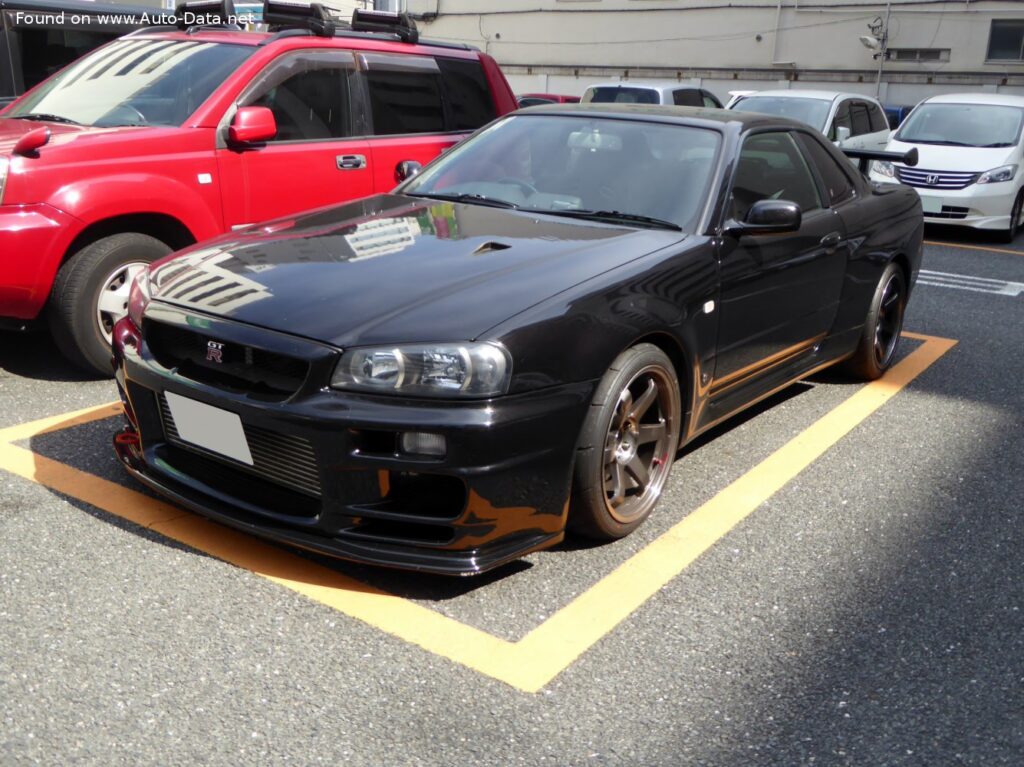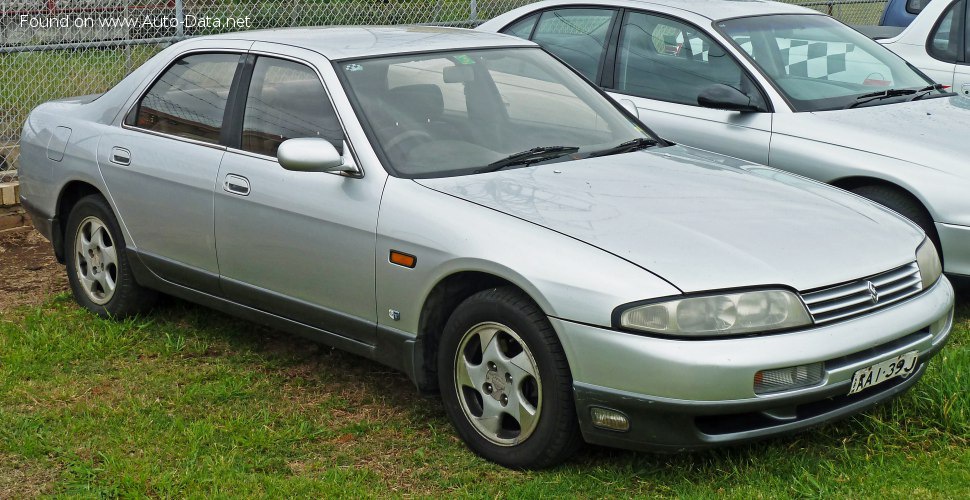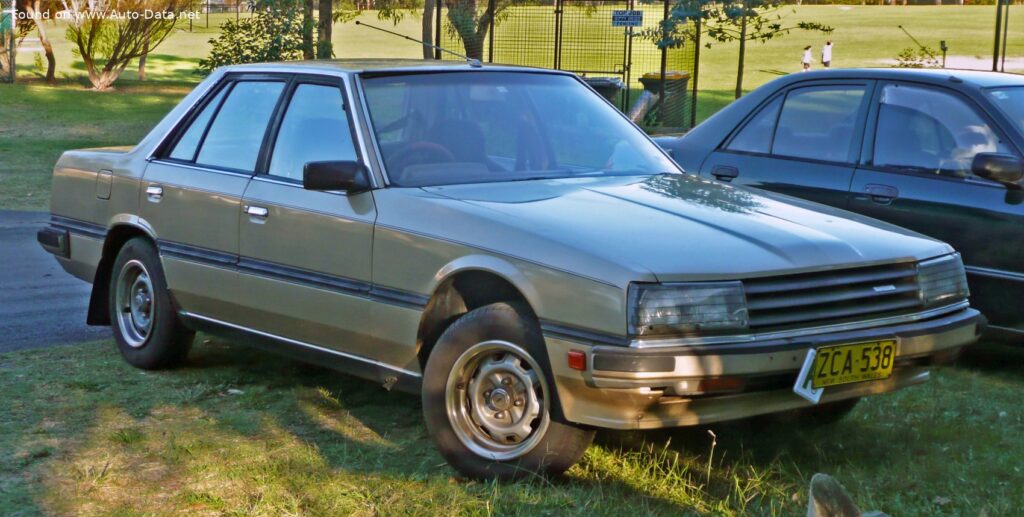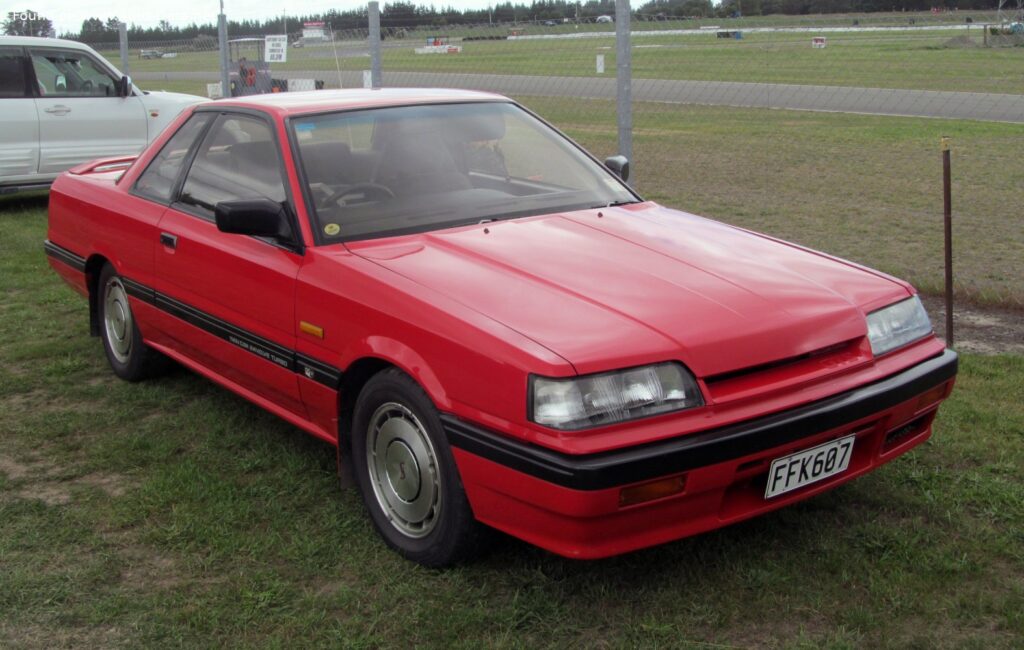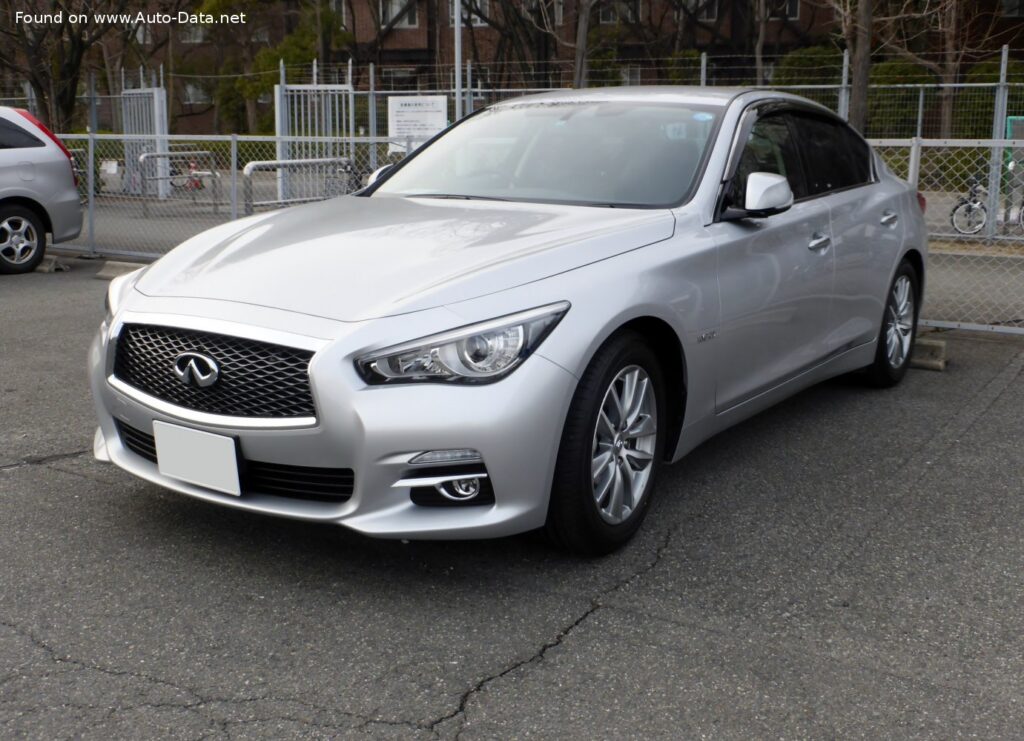
The Nissan Skyline XIII (HV37) represents a pivotal chapter in the storied history of Nissan’s iconic Skyline lineage, marking a significant embrace of advanced hybrid technology within a premium sports sedan package. Produced from February 2014 to 2017, this thirteenth generation Skyline, known internally by its HV37 chassis code, was a testament to Nissan’s engineering prowess, blending potent performance with impressive fuel efficiency. While internationally recognized as the Infiniti Q50 Hybrid in markets like North America and Europe, in its home market of Japan, it proudly carried the revered Skyline badge, continuing a legacy that stretches back decades. This iteration was specifically designed to appeal to a sophisticated clientele seeking a dynamic driving experience coupled with the environmental benefits and economic advantages of a full hybrid electric vehicle (FHEV) powertrain. It positioned itself as a modern, technologically advanced contender in the competitive luxury sedan segment, showcasing Nissan’s commitment to innovation and sustainable mobility without compromising on the performance expected from a Skyline.
Powertrain & Engine Architecture: The 3.5L V6 Hybrid System
At the core of the Nissan Skyline XIII (HV37)’s impressive capabilities lies a sophisticated FHEV powertrain architecture. The internal combustion engine is the renowned VQ35HR, a 3.5-liter V6 unit, longitudinally mounted at the front. This naturally aspirated engine, celebrated for its smooth power delivery and robust character, develops 306 horsepower at 6800 rpm and 258.15 lb-ft of torque at 5000 rpm. Featuring a DOHC (Dual Overhead Camshaft) valvetrain and multi-port manifold injection, the VQ35HR boasts a compression ratio of 10.6:1, contributing to its responsive nature. The VQ35HR engine family is known for its reliability and relatively straightforward maintenance, making it a popular choice for enthusiasts.
Complementing the V6 engine is an advanced electric motor, designated HM34. This motor, strategically positioned between the combustion engine and the 7-speed automatic transmission, adds an additional 68 horsepower at 1770-2000 rpm and a substantial 213.89 lb-ft of torque at a low 1770 rpm. The synergy between the gasoline engine and the electric motor results in a remarkable combined system output of 364 horsepower at 6500 rpm and an impressive 420.41 lb-ft of torque at just 2000 rpm. This substantial torque figure, available from low rpm, ensures brisk acceleration and effortless passing maneuvers.
Power is channeled to the rear wheels, upholding the Skyline’s traditional rear-wheel-drive dynamics. The FHEV system allows for operation in full electric mode at lower speeds or under light loads, seamlessly transitioning to a combined engine and electric motor drive for higher performance demands. The energy for the electric motor is stored in a 1.4 kWh Lithium-ion battery, cleverly located behind the back wall of the passenger cabin to optimize weight distribution. The 7-speed automatic transmission, a key component of the powertrain, is designed to handle the combined output of the engine and motor, offering smooth and responsive shifts. It’s a conventional automatic, not a continuously variable transmission (CVT), which was a deliberate choice to maintain a more engaging driving experience.
Driving Characteristics
The Nissan Skyline XIII (HV37) 3.5L V6 Automatic delivers a refined and surprisingly potent driving experience. The instant torque from the electric motor fills in gaps in the V6’s powerband, resulting in strong acceleration from a standstill and during overtaking. While not as overtly sporty as some of its competitors, the HV37 offers a comfortable and composed ride, making it well-suited for both daily commuting and longer journeys. Compared to the standard gasoline-powered Skyline models, the hybrid version provides a smoother and more effortless driving experience, particularly in urban environments where the electric motor can operate frequently.
The 7-speed automatic transmission is well-tuned, providing smooth and timely gear changes. However, it doesn’t offer the same level of driver control as a manual transmission or a dual-clutch gearbox. The gear ratios are optimized for both fuel efficiency and performance, with a focus on maximizing torque delivery at lower speeds. Compared to the higher-performance Skyline variants, such as those equipped with more powerful engines, the HV37 prioritizes refinement and efficiency over outright track performance. The rear-wheel-drive configuration contributes to a balanced and engaging driving experience, although it doesn’t offer the all-weather capability of an all-wheel-drive system.
Equipment & Trim Levels
The Nissan Skyline XIII (HV37) 3.5L Hybrid Automatic was generally well-equipped, reflecting its positioning as a premium luxury sedan. Standard features typically included leather upholstery, power-adjustable front seats, a premium audio system, a navigation system, and a suite of driver-assistance technologies such as lane departure warning, blind-spot monitoring, and adaptive cruise control. The interior design emphasized comfort and sophistication, with high-quality materials and a modern aesthetic.
Optional extras could include a sunroof, upgraded audio systems, and more advanced driver-assistance features. The trim levels varied slightly depending on the specific market, but generally offered a range of customization options to cater to individual preferences. The focus was on providing a luxurious and technologically advanced cabin experience, with a strong emphasis on comfort and convenience. The dashboard configuration was typically clean and modern, with a large central display screen controlling many of the vehicle’s functions.
Chassis & Braking
The HV37 generation Skyline benefits from a highly capable chassis designed for both comfort and dynamic handling. The front suspension employs a double wishbone setup, known for its precise control and ability to maintain optimal tire contact with the road. At the rear, an independent multi-link suspension system ensures excellent ride quality and stability. Braking performance is handled by ventilated discs on both the front and rear axles, providing strong, consistent stopping power. An Anti-lock Braking System (ABS) is standard, enhancing safety and control during emergency braking situations.
The steering is managed by a responsive rack and pinion system, offering direct feedback to the driver. The vehicle rides on 17-inch wheel rims, fitted with 225/55 R17 tires, striking a balance between ride comfort and grip. The HV37’s suspension tuning is geared towards providing a comfortable ride without sacrificing handling precision. The weight distribution is carefully optimized to enhance stability and cornering performance.
Market Reception & Comparison
Critics generally praised the Nissan Skyline XIII (HV37) 3.5L Hybrid Automatic for its smooth and refined driving experience, its impressive fuel economy, and its advanced technology. However, some reviewers noted that it lacked the outright sportiness of some of its competitors. Compared to the standard gasoline-powered Skyline models, the hybrid version offered superior fuel efficiency and a more relaxed driving experience. However, it also carried a higher price tag.
In terms of reliability, the VQ35HR engine has a generally good reputation, although regular maintenance is essential. The hybrid system components are also generally reliable, but can be more expensive to repair than traditional gasoline engine components. Fuel economy figures of 5.4 liters per 100 km (43.6 US mpg) were competitive for its class, making it an attractive option for environmentally conscious buyers. The HV37’s combination of performance, efficiency, and luxury made it a compelling alternative to other premium sports sedans.
Technical Specifications: Nissan Skyline XIII (HV37) 3.5 V6 (364 Hp) Hybrid Automatic
| Brand | Nissan |
| Model | Skyline |
| Generation | Skyline XIII (HV37) |
| Type (Engine) | 3.5 V6 (364 Hp) Hybrid Automatic |
| Start of production | February, 2014 |
| End of production | 2017 |
| Powertrain Architecture | FHEV (Full Hybrid Electric Vehicle) |
| Body type | Sedan |
| Seats | 5 |
| Doors | 4 |
| Fuel consumption (economy) – combined | 5.4 l/100 km (43.6 US mpg) |
| Fuel Type | Petrol (Gasoline) |
| Weight-to-power ratio | 4.8 kg/Hp (206.8 Hp/tonne) |
| Gross battery capacity | 1.4 kWh |
| Battery technology | Lithium-ion (Li-Ion) |
| Electric motor power | 68 Hp @ 1770-2000 rpm |
| System power | 364 Hp @ 6500 rpm |
| Power | 306 Hp @ 6800 rpm |
| Torque | 350 Nm (258.15 lb-ft) @ 5000 rpm |
| Engine Model/Code | VQ35HR |
| Engine displacement | 3498 cm3 (3.5 liters, 213.46 cu. in.) |
| Kerb Weight | 1760 kg (3880.14 lbs) |
| Length | 4790 mm (188.58 in.) |
| Width | 1820 mm (71.65 in.) |
Legacy
The Nissan Skyline XIII (HV37) holds a unique and significant place in automotive history, particularly within its primary market of Japan. The HV37 successfully modernized a legendary nameplate for a new era, proving that the spirit of the Skyline could thrive amidst changing automotive landscapes. Its production run from 2014 to 2017 might have been relatively short, but its influence on showcasing a high-performance, efficient hybrid in a revered nameplate remains a key part of its historical significance.
On the used car market, the HV37 Skyline generally commands a premium over the standard gasoline-powered models, reflecting its advanced technology and desirable features. The VQ35HR engine is known for its durability, but regular maintenance is crucial to ensure long-term reliability. The hybrid system components are generally reliable, but potential buyers should be aware of the possibility of higher repair costs if any issues arise. Overall, the Nissan Skyline XIII (HV37) 3.5L Hybrid Automatic remains a compelling option for buyers seeking a sophisticated, efficient, and thoroughly modern interpretation of a true automotive icon.