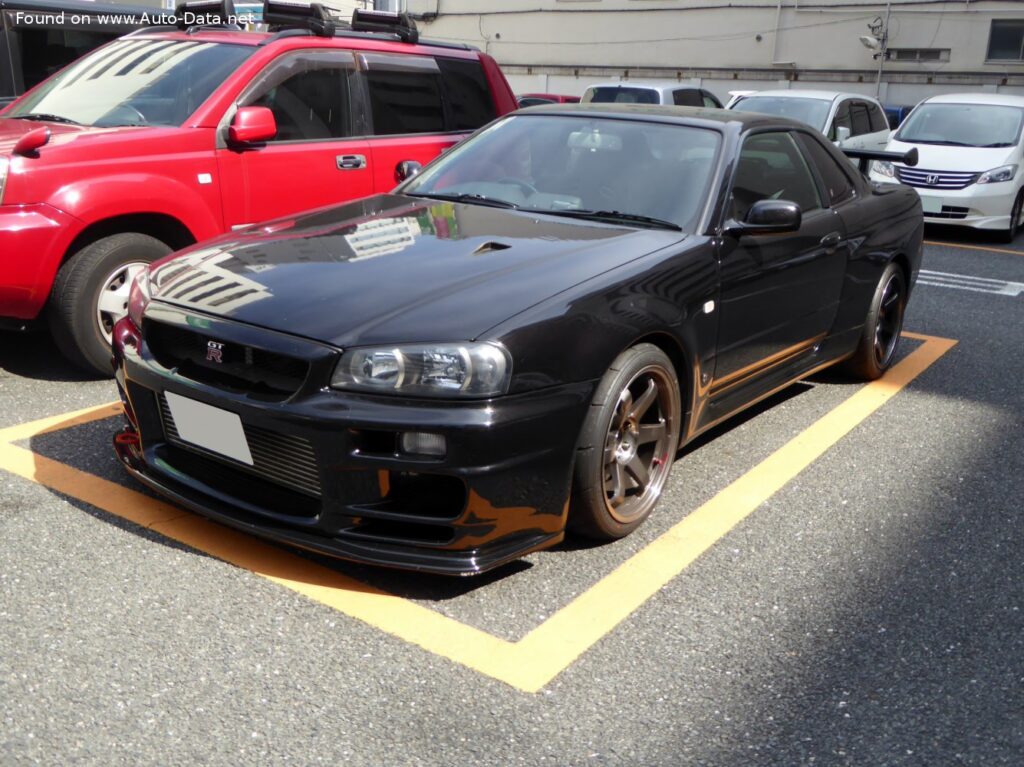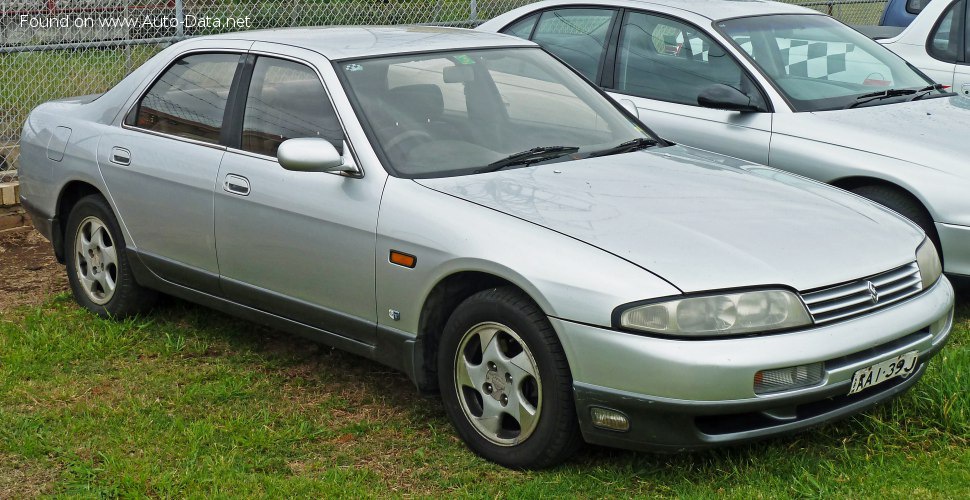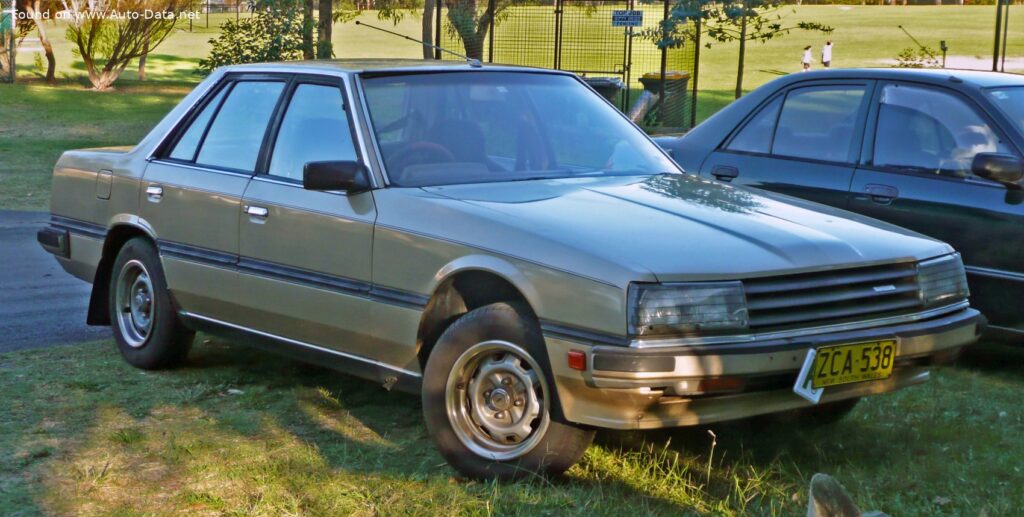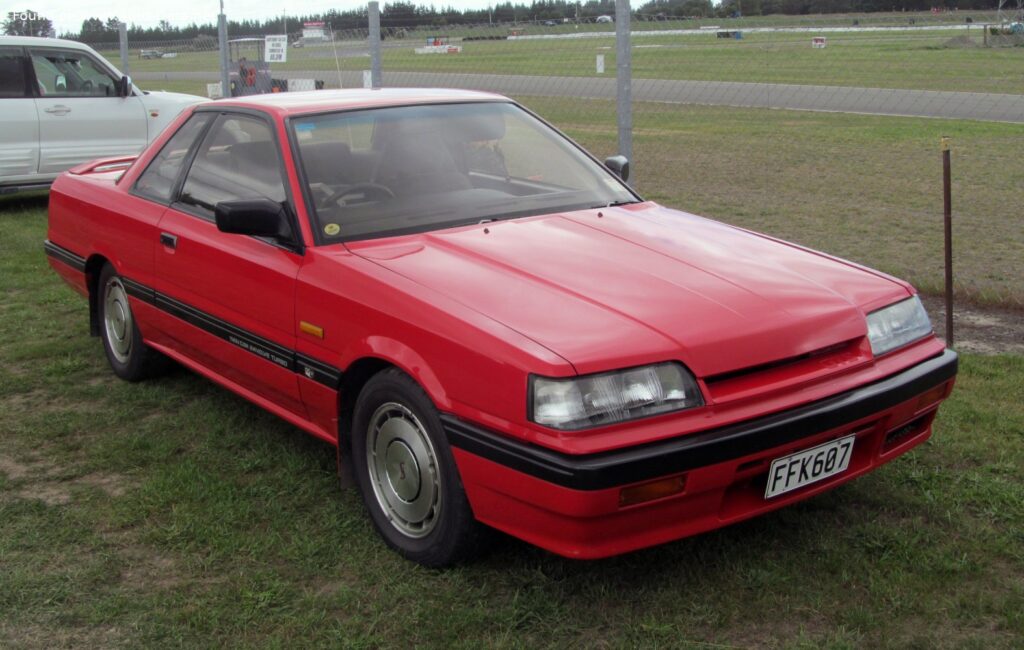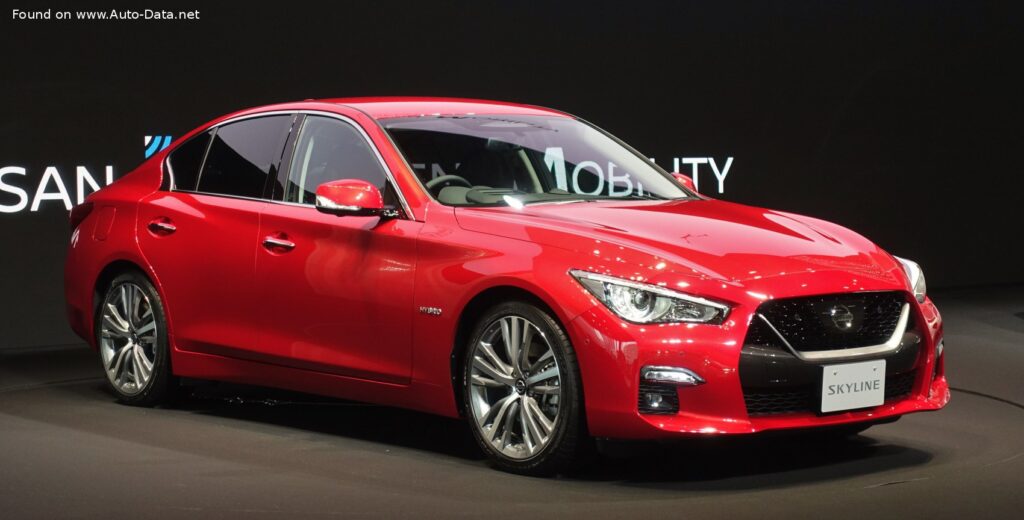
The Nissan Skyline XIII (HV37, facelift 2017) represents a significant evolution of Nissan’s iconic sports sedan, continuing a lineage steeped in performance and innovation. Introduced in December 2017 and produced through 2019, this iteration of the Skyline – known internationally as the Infiniti Q50 – features a 3.5-liter V6 hybrid powertrain coupled with an automatic transmission. This model was primarily marketed in Japan, serving as a premium offering within the mid-size luxury sedan segment. It aimed to blend the traditional Skyline driving experience with the benefits of modern hybrid technology, offering a compelling combination of power, efficiency, and refinement.
Powertrain & Engine Architecture
The heart of the Nissan Skyline XIII (HV37, facelift 2017) is its Full Hybrid Electric Vehicle (FHEV) powertrain. The internal combustion engine is Nissan’s well-regarded VQ35HR, a 3.5-liter naturally aspirated V6. This engine, characterized by its smooth power delivery and distinctive sound, utilizes a Double Overhead Camshaft (DOHC) valvetrain and multi-port fuel injection. It produces 306 horsepower at 6800 rpm and 258.15 lb-ft of torque at 5000 rpm. The engine is mounted longitudinally in the front of the vehicle, a configuration common for rear-wheel-drive performance cars.
Supplementing the V6 is a 68 horsepower (at 1770-2000 rpm) and 213.89 lb-ft of torque (at 1770 rpm) electric motor, positioned between the engine and the transmission. This electric motor provides instant torque, enhancing responsiveness and eliminating turbo lag. The combined system output reaches 364 horsepower at 6500 rpm and a substantial 420.41 lb-ft of torque at 2000 rpm. Power is delivered through a precise 7-speed automatic transmission to the rear wheels. The transmission is designed for smooth and efficient shifting, optimizing power delivery across the rev range.
The hybrid system allows the vehicle to operate on electric power alone, gasoline power alone, or a combination of both. A Lithium-ion (Li-Ion) battery pack stores the electrical energy. The system achieves a combined fuel economy of 34.1 US mpg, demonstrating Nissan’s commitment to efficiency.
Driving Characteristics
The Nissan Skyline XIII (HV37, facelift 2017) with the 3.5L V6 hybrid and automatic transmission delivers a refined and responsive driving experience. The electric motor’s instant torque provides brisk acceleration from a standstill, while the V6 engine contributes to strong mid-range and top-end power. Compared to manual transmission versions of the Skyline, the automatic offers greater convenience and ease of use, particularly in urban driving conditions. While a manual transmission might offer a more direct connection for driving enthusiasts, the 7-speed automatic provides quick and seamless gear changes, minimizing power loss.
The gear ratios are tuned to balance acceleration and fuel efficiency. The rear-wheel-drive layout contributes to a balanced chassis and predictable handling. The hybrid system’s integration is largely seamless, with transitions between electric and gasoline power occurring smoothly and unobtrusively. The overall driving experience is more refined and less raw than some of the higher-performance Skyline variants, prioritizing comfort and usability without sacrificing a sporty feel.
Equipment & Trim Levels
As a premium sedan, the Nissan Skyline XIII (HV37, facelift 2017) came equipped with a comprehensive suite of standard features. While specific trim levels and options varied, typical features included leather upholstery, automatic climate control, a premium audio system, and advanced infotainment systems with navigation. The interior design focused on driver engagement and passenger comfort, with high-quality materials and a well-appointed cabin.
Optional extras likely included features such as a sunroof, upgraded audio systems, advanced driver-assistance systems (ADAS) like adaptive cruise control and lane departure warning, and premium paint options. The facelifted 2017 model may have introduced updated interior trim options and enhanced infotainment features compared to earlier versions of the HV37.
Chassis & Braking
The Skyline HV37 utilizes a sophisticated chassis design to deliver a comfortable and engaging driving experience. The front suspension employs a double wishbone setup, known for its precise steering and excellent road holding. The rear suspension features an independent multi-link configuration, contributing to ride comfort and stability. This suspension setup is tuned to accommodate the vehicle’s weight and power, providing a balanced and controlled ride.
Braking duties are handled by ventilated disc brakes on all four wheels, providing consistent and reliable stopping power. An Anti-lock Braking System (ABS) is standard, enhancing safety and control during emergency braking situations. The vehicle rides on either 18-inch (225/50 R18) or 19-inch (245/40 R19) wheels, fitted with performance-oriented tires to maximize grip and handling. The relatively low ground clearance of 5.12 inches contributes to its sporty stance and aerodynamic efficiency.
Market Reception & Comparison
The Nissan Skyline XIII (HV37, facelift 2017) received generally positive reviews, particularly for its blend of performance, efficiency, and refinement. Critics praised the smooth power delivery of the V6 hybrid powertrain and the seamless integration of the electric motor. The automatic transmission was noted for its quick and precise shifts. However, some reviewers pointed out that the hybrid system added weight, slightly diminishing the car’s overall agility compared to lighter, non-hybrid Skyline variants.
Compared to other trims in the Skyline lineup, such as those with the V6 engine alone, the HV37 offered improved fuel economy and lower emissions. It also provided a unique driving experience with the added benefit of electric motor torque. Compared to competitors like the Toyota Crown and Lexus IS, the Skyline HV37 offered a distinctive blend of Japanese engineering and sporty styling. Its fuel economy was competitive within its class, and its reliability was generally considered to be good, consistent with Nissan’s reputation.
Technical Specifications
| Brand | Nissan |
| Model | Skyline |
| Generation | Skyline XIII (HV37, facelift 2017) |
| Type (Engine) | 3.5 V6 (364 Hp) Hybrid Automatic |
| Start of production | December, 2017 year |
| End of production | 2019 year |
| Powertrain Architecture | FHEV (Full Hybrid Electric Vehicle) |
| Body type | Sedan |
| Seats | 5 |
| Doors | 4 |
| Fuel consumption (economy) – combined | 34.1 US mpg (6.9 l/100 km) |
| Fuel Type | Petrol (Gasoline) |
| Weight-to-power ratio | 5.1 kg/Hp, 197.8 Hp/tonne |
| Weight-to-torque ratio | 3.2 kg/Nm, 309.8 Nm/tonne |
| Battery technology | Lithium-ion (Li-Ion) |
| Electric motor power | 68 Hp @ 1770-2000 rpm |
| Electric motor Torque | 213.89 lb.-ft. @ 1770 rpm (290 Nm) |
| Electric motor location | Between the combustion engine and the transmission |
| System power | 364 Hp @ 6500 rpm |
| System torque | 420.41 lb.-ft. @ 2000 rpm (570 Nm) |
| Internal combustion engine Power | 306 Hp @ 6800 rpm |
| Power per liter | 87.5 Hp/l |
| Internal combustion engine Torque | 258.15 lb.-ft. @ 5000 rpm (350 Nm) |
| Engine layout | Front, Longitudinal |
| Engine Model/Code | VQ35HR |
| Engine displacement | 3.5 l (3498 cm3, 213.46 cu. in.) |
| Number of cylinders | 6 |
| Engine configuration | V-engine |
| Cylinder Bore | 3.76 in. (95.5 mm) |
| Piston Stroke | 3.2 in. (81.4 mm) |
| Compression ratio | 10.6:1 |
| Number of valves per cylinder | 4 |
| Fuel injection system | Multi-port manifold injection |
| Engine aspiration | Naturally aspirated engine |
| Valvetrain | DOHC |
| Engine oil capacity | 5.18 US qt (4.9 l) |
| Coolant capacity | 10.36 US qt (9.8 l) |
| Kerb Weight | 4056.51 lbs. (1840 kg) |
| Max. weight | 4662.78 lbs. (2115 kg) |
| Max load | 606.27 lbs. (275 kg) |
| Fuel tank capacity | 18.49 US gal (70 l) |
| Length | 189.37 in. (4810 mm) |
| Width | 71.65 in. (1820 mm) |
| Height | 56.69 in. (1440 mm) |
| Wheelbase | 112.2 in. (2850 mm) |
| Front track | 60.43 – 60.83 in. (1535-1545 mm) |
| Rear (Back) track | 61.42 – 61.81 in. (1560-1570 mm) |
| Ride height (ground clearance) | 5.12 in. (130 mm) |
| Minimum turning circle (turning diameter) | 36.75 ft. (11.2 m) |
| Drivetrain Architecture | The Internal combustion engine (ICE) and electric motor drive the rear wheels of the car with the ability to work in full electric or mixed mode. |
| Drive wheel | Rear wheel drive |
| Number of gears and type of gearbox | 7 gears, automatic transmission |
| Front suspension | Double wishbone |
| Rear suspension | Independent multi-link suspension |
| Front brakes | Ventilated discs |
| Rear brakes | Ventilated discs |
| Assisting systems | ABS (Anti-lock braking system) |
| Steering type | Steering rack and pinion |
| Power steering | Electric Steering |
| Tires size | 225/50 R18; 245/40 R19 |
| Wheel rims size | 18; 19 |
Legacy
The Nissan Skyline XIII (HV37, facelift 2017) represents a significant step in the Skyline’s evolution, demonstrating Nissan’s commitment to hybrid technology and its ability to blend performance with efficiency. The VQ35HR engine, known for its reliability, continues to be a robust and durable powerplant. The hybrid system, while complex, has proven to be relatively reliable in real-world use.
On the used car market, the HV37 Skyline is generally well-regarded, commanding a premium over non-hybrid versions due to its fuel efficiency and unique driving experience. Regular maintenance, including fluid changes and inspection of the hybrid system components, is crucial for long-term reliability. The Skyline’s enduring appeal and its reputation for quality ensure that the HV37 remains a desirable option for enthusiasts and buyers seeking a sophisticated and technologically advanced sports sedan.