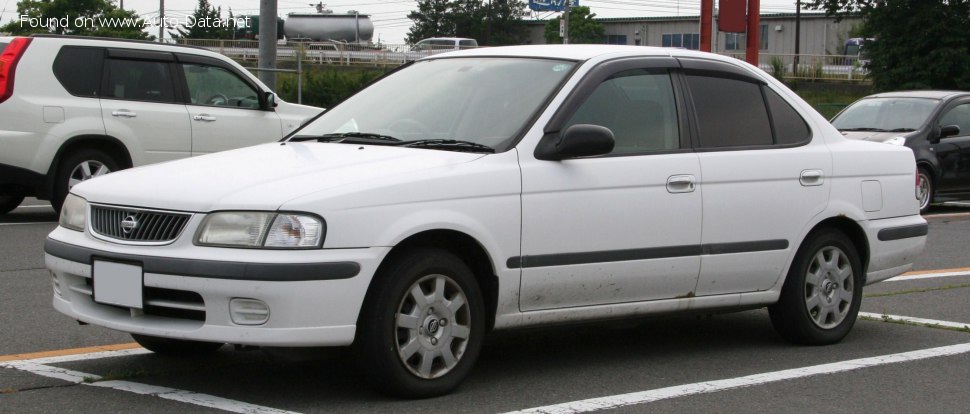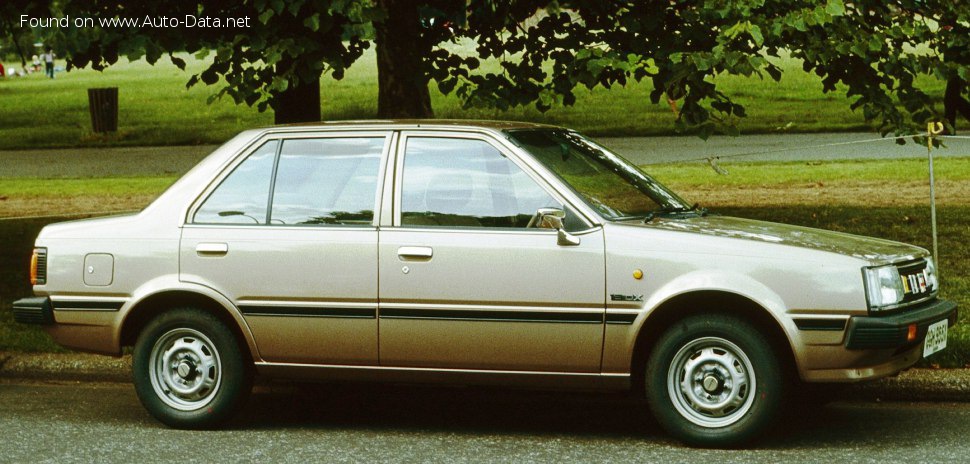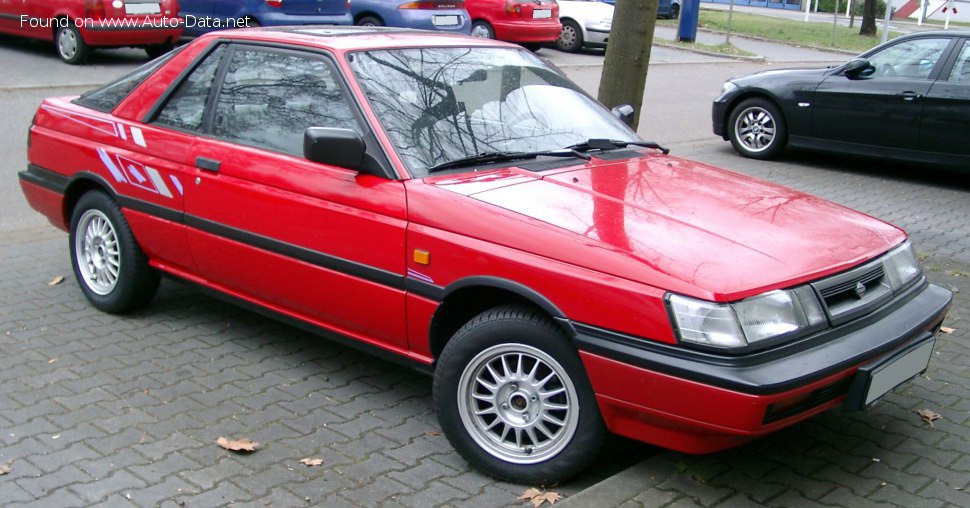
The Nissan Sunny II Coupe (B12), produced from 1988 to 1991, represents a significant iteration in Nissan’s globally successful Sunny lineage. Renowned for its practicality, fuel efficiency, and robust engineering, the Sunny series was a cornerstone of Nissan’s compact car offerings in numerous international markets. While the “Sunny” nameplate may be less familiar to American consumers, this generation was largely identical to the Nissan Sentra sold in the United States and Canada, where it established a strong presence in the competitive compact segment.
The Nissan Sunny II Coupe (B12): A Global Compact
The B12 generation marked a design evolution for the Sunny, transitioning to a more contemporary and aerodynamic aesthetic compared to its predecessors. The coupe variant, the subject of this article, provided a sportier, yet still practical, alternative to the more common sedan and hatchback body styles. It aimed to attract younger buyers or those seeking a more personal vehicle without compromising the inherent reliability and affordability associated with the Sunny/Sentra name.
Engine & Performance
The Nissan Sunny II Coupe (B12) featured a 1.6-liter, 12-valve internal combustion engine producing 90 horsepower. This powertrain was typical for compact cars of the era, balancing performance with economy and durability. As a naturally aspirated engine, it relied on atmospheric pressure for air intake, a cost-effective and reliable approach.
The 90 horsepower output was sufficient for daily commuting, highway cruising, and urban driving. The 12-valve cylinder head (typically two intake, one exhaust valves per cylinder) offered improved breathing and combustion efficiency over older 8-valve designs, without the added complexity of a 16-valve setup. This resulted in smoother power delivery and better fuel economy, key selling points for compact vehicles in the late 1980s and early 1990s.
The engine was designed for longevity and ease of maintenance, contributing to the Sunny’s reputation for reliability. Its straightforward mechanicals meant repairs were generally less complex and more affordable. The front-wheel-drive architecture, standard for the B12, provided predictable handling and efficient packaging, maximizing interior space. While precise acceleration figures are unavailable, a 0-60 mph time in the low teens would be consistent with its market segment at the time.
Design & Features
The Nissan Sunny II Coupe (B12) reflected the late 1980s design trend: a shift from the boxy aesthetics of the early 80s to smoother, more aerodynamic forms. The B12 coupe featured a distinctive, wedge-like profile. Its compact dimensions and relatively short wheelbase made it nimble in urban environments, while the coupe body style offered a sportier visual appeal compared to the sedan and wagon versions.
The exterior design was clean and uncluttered, with flush-mounted headlights and a seamlessly integrated grille. Large glass areas provided good visibility. Depending on trim level and market, features could include alloy wheels, body-colored bumpers, and a rear spoiler. The B12 Sunny Coupe’s design aimed for a balance of youthful appeal and mature practicality, avoiding aggressive styling in favor of a universally acceptable aesthetic.
The interior prioritized ergonomics and functionality. While not luxurious, the materials were durable, and the layout was intuitive. Standard features included a basic AM/FM radio, manual windows and door locks, and a simple heating and ventilation system. Higher trims might offer air conditioning, power windows, and a cassette player. Safety features, typical for the late 80s, primarily consisted of three-point seatbelts for outboard occupants. Anti-lock brakes (ABS) were a rare and expensive option, usually reserved for premium models or later production runs. The coupe’s interior prioritized front passenger comfort while still offering adequate rear seating, embodying the versatility of the compact car.
Technical Specifications: Nissan Sunny II Coupe (B12) 1.6 i 12V (90 Hp)
| Attribute | Specification |
| Brand | Nissan |
| Model | Sunny |
| Generation | Sunny II Coupe (B12) |
| Engine Type | 1.6 i 12V (90 Hp) |
| Start of Production | 1988 |
| End of Production | 1991 |
| Powertrain Architecture | Internal Combustion Engine |
| Body Type | Coupe |
| Fuel Type | Petrol (Gasoline) |
| Power | 90 Hp |
| Engine Aspiration | Naturally Aspirated |
| Drivetrain | Front-Wheel Drive |
The Nissan Sunny II Coupe (B12), alongside its sedan and hatchback counterparts, played a vital role in Nissan’s global strategy during the late 1980s and early 1990s. In markets outside North America, the Sunny maintained its reputation as a reliable, economical, and practical compact car, competing with models like the Toyota Corolla, Honda Civic, Mazda 323, Opel Kadett/Vauxhall Astra, and Volkswagen Golf.
In North America, marketed as the Nissan Sentra, the B12 generation was particularly successful, reinforcing Nissan’s image as a producer of dependable and value-oriented vehicles. The Sentra coupe offered a sportier alternative to the sedan, attracting buyers who desired a more personal car without sacrificing the Sentra’s core strengths. While not a performance vehicle, its light weight and nimble handling made it enjoyable to drive. The 1.6-liter engine was known for its robustness and fuel efficiency, crucial factors for buyers in this segment.
The B12 Sunny/Sentra generation is remembered for its strong build quality and longevity. Many examples remained reliably operational well into the 21st century, a testament to Nissan’s engineering during that era. Its impact was felt in consistent sales and its contribution to Nissan’s market share in the compact segment. It wasn’t a revolutionary vehicle, but an evolutionary one, refining the formula of the affordable, reliable compact car that Nissan had perfected over decades.
Today, the Nissan Sunny II Coupe (B12) is considered a classic example of late 1980s Japanese automotive engineering. It represents an era where simplicity, durability, and value were paramount in the compact car market. While not as highly sought after as some sports cars of the period, its legacy lies in its widespread availability, unwavering reliability, and significant contribution to establishing Nissan as a global leader in the compact car segment. It remains a prime example of a car that successfully blended practicality with a touch of sporty design for the everyday driver.