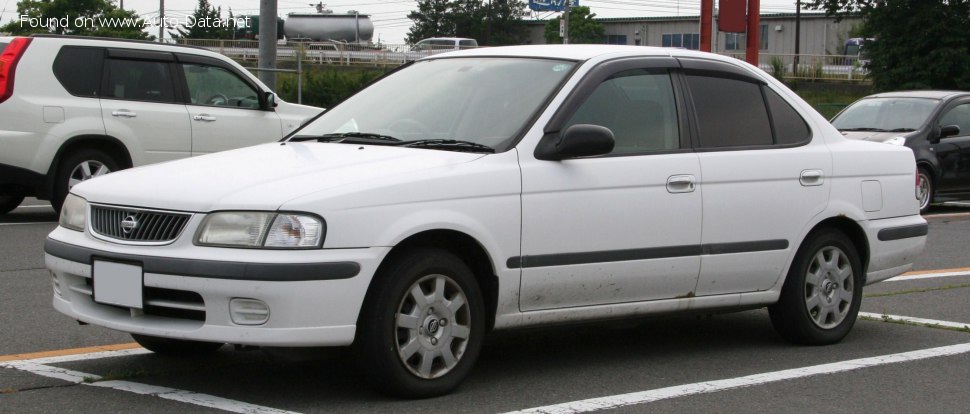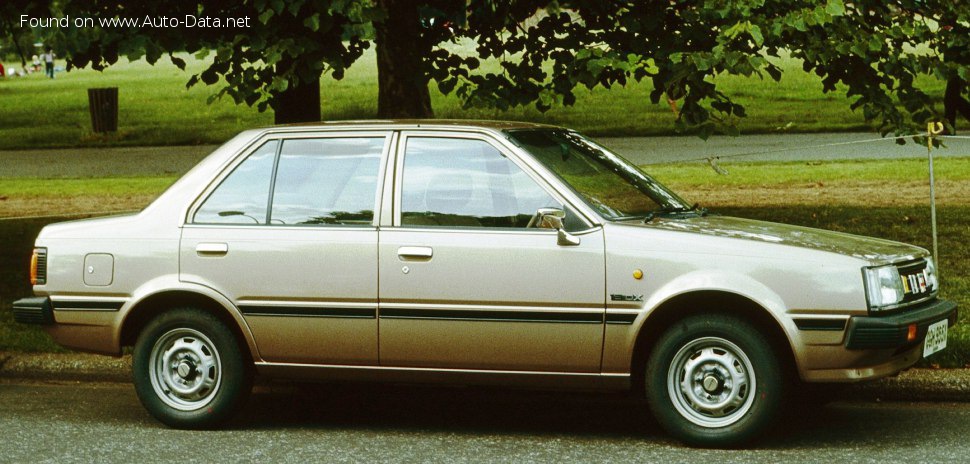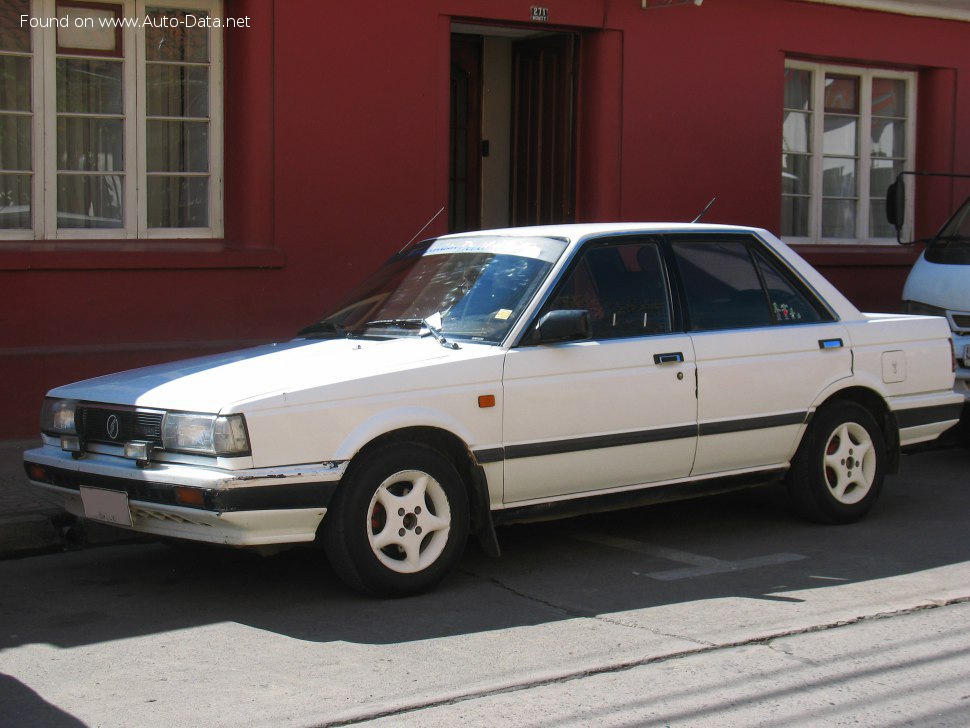
The Nissan Sunny II GA15DE (B12) represents a pivotal model in Nissan’s long-running Sunny line, produced from 1986 to 1989. This compact sedan, known as the Nissan Sentra in North America, was designed to meet the growing demand for reliable, fuel-efficient transportation. The 1.6 i variant, powered by the GA15DE engine producing 73 horsepower, exemplifies the B12 generation’s focus on practicality and robust engineering, becoming a popular choice for families and commuters alike.
Nissan Sunny II GA15DE (B12): A Detailed Overview
The B12 generation marked a stylistic evolution for the Sunny, moving away from the angular designs of previous models towards a more aerodynamic and contemporary aesthetic. Developed for a global market, it successfully blended affordability, low running costs, and Nissan’s increasing reputation for build quality. The 1.6 i model specifically targeted buyers seeking a dependable and economical family vehicle, offering a comfortable ride and predictable handling.
Engine & Performance: The GA15DE Powertrain
The heart of the Nissan Sunny II GA15DE (B12) 1.6 i is the GA15DE 1.6-liter inline-four gasoline engine. This 1,497 cc engine is part of Nissan’s GA engine family, renowned for its durability, efficiency, and longevity. The “DE” designation signifies “Dual Overhead Camshaft, Electronic Fuel Injection,” a significant advancement for a mass-market compact car in the mid-1980s. Electronic fuel injection replaced older carburetor systems, providing superior fuel atomization, precise fuel delivery, and resulting in improved fuel economy, reduced emissions, and consistent performance regardless of altitude or temperature.
Producing 73 horsepower, the GA15DE prioritized dependable performance over outright speed. The naturally aspirated engine delivered smooth, linear power, making the Sunny II easy to drive in both urban and highway conditions. While specific torque figures aren’t readily available, the engine was optimized for low-RPM power, enhancing drivability and minimizing the need for frequent gear changes. The engine’s simplicity and widespread use within the Nissan lineup ensured straightforward maintenance and readily available parts, contributing to its overall cost-effectiveness.
Drivetrain and Handling
The Nissan Sunny II GA15DE (B12) utilizes a front-wheel-drive (FWD) layout, which was becoming standard for compact cars in the 1980s. FWD offered efficient packaging, maximizing interior space within a small exterior footprint. Integrating the engine, transmission, and final drive at the front allowed for a spacious cabin and a flat floor, enhancing passenger comfort. FWD also provided improved traction in adverse weather conditions, a benefit in regions experiencing snow or rain.
The suspension system likely featured MacPherson struts at the front and either a torsion beam or a multi-link arrangement at the rear, typical for the era. This setup provided a comfortable ride, absorbing road imperfections while maintaining predictable handling. Light, often power-assisted, steering and the car’s compact dimensions made it easy to maneuver in city environments, reinforcing its reputation as a user-friendly vehicle.
Design & Features of the B12 Sunny
The Nissan Sunny II GA15DE (B12) sedan’s design reflected the pragmatic approach of Japanese compact cars in the late 1980s. Its four-door sedan body style offered a balance of passenger comfort and cargo capacity. The exterior styling was clean, functional, and understated, moving away from boxier designs towards a more rounded aesthetic. Aerodynamics were prioritized for fuel efficiency and reduced wind noise, without relying on excessive styling flourishes. Large windows and thin pillars maximized outward visibility, enhancing safety and convenience.
The interior was designed for practicality and durability. Despite being a compact car, the cabin comfortably accommodated five passengers thanks to the efficient FWD packaging. Materials were chosen for their hard-wearing qualities, capable of withstanding daily use. The dashboard layout was ergonomic, with controls easily accessible. Instrumentation was clear and concise, providing essential information without clutter. Standard features included heating, ventilation, and an AM/FM radio, with higher trims offering options like power windows, central locking, and air conditioning.
Safety and Practicality
Safety in the 1980s focused on passive measures. The Nissan Sunny II featured a robust body structure designed to absorb impact forces and standard three-point seatbelts. While advanced features like anti-lock brakes and airbags were not yet common in this segment, the B12 met prevailing safety standards. The four doors facilitated easy access, and the trunk provided ample cargo space, solidifying its role as a practical family vehicle. Its compact size also made parking and maneuvering in congested areas easier.
Technical Specifications: Nissan Sunny II GA15DE (B12) 1.6 i
| Engine Type | 1.6L Inline-4 Gasoline |
| Engine Code | GA15DE |
| Displacement | 1,497 cc (91.3 cu in) |
| Horsepower | 73 hp (54 kW) |
| Fuel System | Electronic Fuel Injection |
| Transmission | 5-Speed Manual or 3-Speed Automatic |
| Drivetrain | Front-Wheel Drive |
| Curb Weight | Approximately 2,100 lbs (953 kg) |
| Wheelbase | 98.4 in (2,500 mm) |
| Length | 173.2 in (4,400 mm) |
| Width | 66.1 in (1,680 mm) |
| Height | 56.7 in (1,440 mm) |
The Nissan Sunny II GA15DE (B12) remains a testament to Nissan’s commitment to producing reliable and affordable transportation. Its blend of practicality, efficiency, and durability cemented its position as a popular choice for drivers worldwide, particularly in markets where it was sold as the Nissan Sentra. The B12 generation represents a significant chapter in the Sunny’s history, showcasing Nissan’s ability to deliver a no-frills, highly functional vehicle that met the needs of a broad range of consumers.