The Nissan Sunny II (N13) 1.6 GTI 16V: Nissan’s Hot Hatch Contender
Nissan Sunny II (N13) 1.6 GTI 16V: An Overview
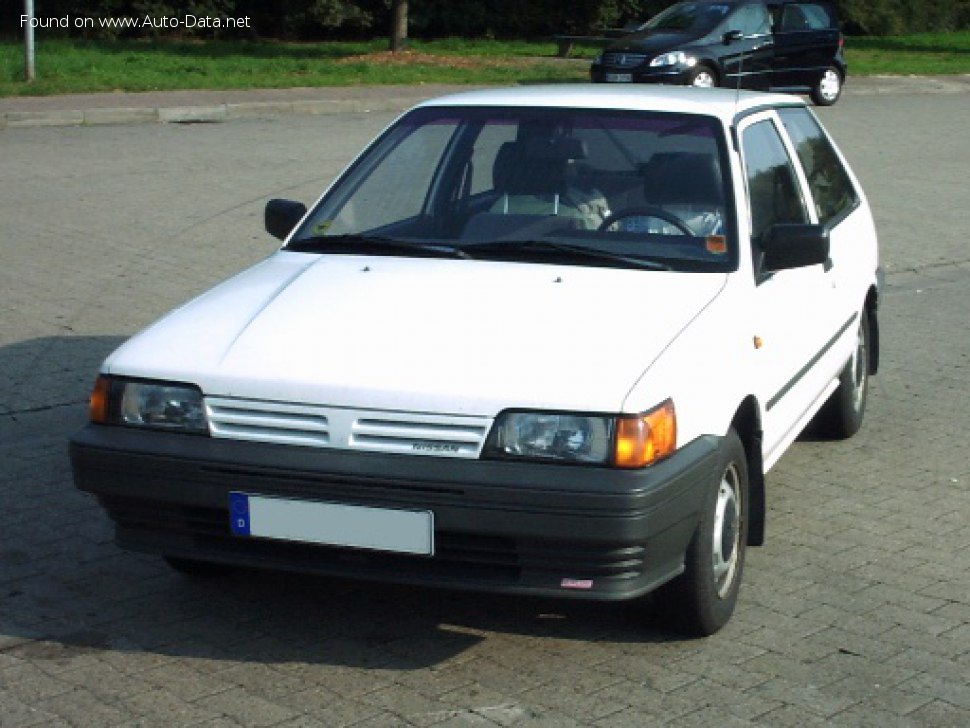
The Nissan Sunny II (N13), also known as the Nissan Pulsar in Japan and other markets, was a compact car produced by Nissan from 1986 to 1991. Representing a significant evolution from its predecessor, the N13 embraced a more modern, rounded, and aerodynamic design. While available in various body styles – sedan, coupe, and station wagon – it was the hatchback versions that allowed Nissan to compete in the growing European hot hatch market. The Nissan Sunny 1.6 GTI 16V, introduced in 1987 and manufactured through 1989, was the performance flagship of this endeavor, engineered to challenge established rivals like the Volkswagen Golf GTI, Peugeot 205 GTI, and Ford Escort XR3i.
Engine & Performance: The CA16DE Powerplant
The heart of the Nissan Sunny GTI’s performance was the CA16DE engine. This 1.6-liter (1598 cc) inline-four-cylinder engine was notable for its advanced design. It featured a dual overhead camshaft (DOHC) configuration with four valves per cylinder – a 16-valve setup relatively uncommon in mainstream compact cars of the late 1980s. This multi-valve design improved engine breathing, particularly at higher RPMs, contributing to a responsive and powerful top end. Fuel delivery was handled by Nissan’s ECCS (Electronic Concentrated Control System), a multi-point electronic fuel injection system that enhanced performance, fuel efficiency, and throttle response.
The CA16DE produced 110 horsepower (81 kW; 108 bhp) at 6,400 rpm and 98 lb-ft (133 Nm) of torque at 5,200 rpm. Power was delivered exclusively to the front wheels through a crisp-shifting five-speed manual transmission. This combination allowed the Sunny GTI to accelerate from 0 to 62 mph (100 km/h) in approximately 9.0 seconds and reach a top speed of around 118 mph (190 km/h), making it a competitive performer against its European rivals. The engine was praised for its smoothness, reliability, and willingness to rev.
Chassis and Handling Enhancements
To complement the CA16DE engine, Nissan made significant chassis upgrades for the GTI variant. While standard Sunny models prioritized comfort, the GTI’s suspension was retuned for improved handling. The car retained a fully independent suspension – MacPherson struts at the front and a parallel link system at the rear. The parallel link rear suspension offered better wheel control than the torsion beam setups common in contemporary cars.
Specific GTI enhancements included stiffer springs, upgraded dampers, and thicker anti-roll bars. These modifications reduced body roll, sharpened steering response, and improved road feel. Braking performance was also improved with ventilated disc brakes at the front and solid discs at the rear, providing consistent stopping power.
Design & Features
The Nissan Sunny 1.6 GTI 16V distinguished itself visually with a subtle but effective aerodynamic body kit. This included a deeper front bumper with integrated fog lights, sculpted side skirts, a redesigned rear bumper, and a tailgate-mounted spoiler. These elements enhanced the car’s appearance and contributed to improved aerodynamic stability. The exterior was completed with 14-inch alloy wheels and discreet GTI and 16V badging.
Inside, the GTI featured ergonomically designed sports seats with enhanced side bolsters, a three-spoke leather-wrapped steering wheel, and a comprehensive instrument cluster with a prominent tachometer. While not as minimalist as some competitors, the Sunny GTI offered a well-equipped and driver-focused interior.
Technical Specifications: Nissan Sunny 1.6 GTI 16V (N13)
| Feature | Specification |
| Model | Nissan Sunny 1.6 GTI 16V (N13) |
| Production Years | 1987-1989 |
| Engine Code | CA16DE |
| Engine Type | Inline-four, DOHC 16-valve |
| Displacement | 1.6 liters (1598 cc) |
| Fuel System | ECCS Multi-point Electronic Fuel Injection |
| Aspiration | Naturally Aspirated |
| Max Power | 110 hp (81 kW; 108 bhp) at 6,400 rpm |
| Max Torque | 98 lb-ft (133 Nm) at 5,200 rpm |
| Drivetrain | Front-Wheel Drive (FWD) |
| Transmission | 5-speed Manual |
| 0-62 mph (0-100 km/h) | Approx. 9.0 seconds |
| Top Speed | Approx. 118 mph (190 km/h) |
| Front Suspension | MacPherson Struts |
| Rear Suspension | Parallel Link System |
| Front Brakes | Ventilated Discs |
| Rear Brakes | Solid Discs |
| Wheels | 14-inch Alloy |
Legacy and Market Impact
The Nissan Sunny 1.6 GTI 16V emerged during the golden age of hot hatchbacks. While not as widely recognized as some European competitors, particularly in markets where it wasn’t officially sold, it made a significant impact in Europe. The Sunny GTI offered a compelling alternative, leveraging Nissan’s reputation for engineering and reliability. It provided a blend of performance, dependability, and reasonable running costs.
The Sunny GTI enhanced Nissan’s image, demonstrating the brand’s ability to produce engaging performance vehicles. It showcased Nissan’s understanding of the European market’s demands. Today, the Sunny GTI is remembered by enthusiasts as a well-engineered, engaging, and often-underrated gem from the late 1980s hot hatch scene, a testament to Nissan’s global engineering capabilities and ambition.