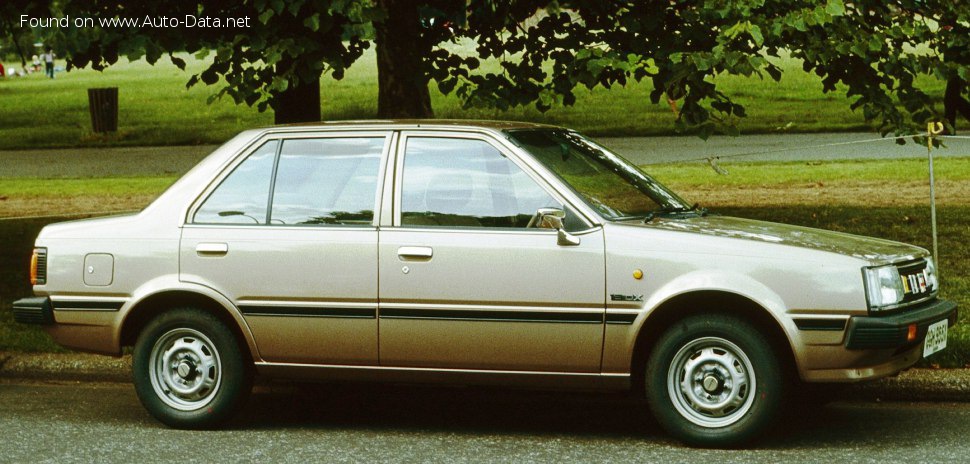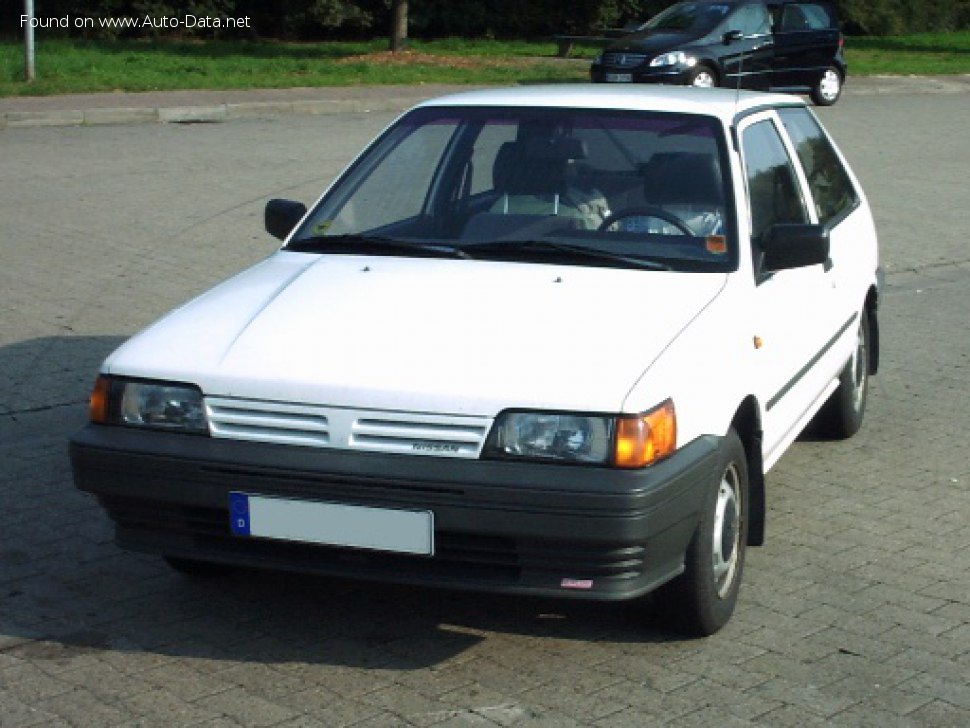
The Nissan Sunny, a nameplate historically associated with reliability, economy, and practicality in numerous international markets, occasionally surprised the automotive world with performance-oriented variants. Among these, the Nissan Sunny II Hatchback (N13) 1.8 GTI 16V stands out as a compelling example from the late 1980s and early 1990s. Produced from 1989 to 1991, this iteration of the N13 generation represented Nissan’s foray into the “hot hatch” segment, primarily in Europe, Asia, and Australia. While the Sunny was known as the Sentra in North America, the 1.8 GTI 16V was a specialty model offering a blend of usability and performance that appealed to a dedicated enthusiast base. This article explores the engineering, design, performance, and market impact of this often-underestimated compact performance machine.
The Nissan Sunny II Hatchback (N13) 1.8 GTI 16V
The Nissan Sunny II Hatchback (N13) 1.8 GTI 16V represents a unique chapter in the Sunny/Sentra lineage. The N13 generation, launched in 1986, was a significant redesign, offering improved aerodynamics and a more modern aesthetic compared to its predecessors. The GTI variant, however, was a deliberate attempt to inject excitement into the Sunny lineup, targeting drivers seeking a more engaging driving experience. It occupied a competitive space within the burgeoning hot hatch market, appealing to those who desired a practical, affordable, and fun-to-drive vehicle.
Engine & Performance
The heart of the Nissan Sunny II Hatchback (N13) 1.8 GTI 16V is its 1.8-liter, 16-valve gasoline engine. This naturally aspirated engine delivered a robust 125 horsepower, a significant output for a compact car of its era. Nissan focused on creating a responsive and engaging powertrain, optimizing the engine for immediate throttle response and a broad, usable powerband. This made it suitable for both urban driving and spirited backroad excursions.
The multi-valve cylinder head, with four valves per cylinder, was a key feature, improving engine breathing and volumetric efficiency. This allowed for higher airflow at higher RPM, resulting in a willing and eager engine. The power was typically channeled through a precise manual transmission, providing direct driver engagement and control. This powertrain combination resulted in brisk acceleration and nimble handling, allowing the Sunny GTI to compete effectively with European and Japanese rivals. The car’s relatively light curb weight further enhanced its power-to-weight ratio. The engine offered a commendable balance of performance and reliability, ensuring a thrilling yet practical driving experience. The naturally aspirated design provided a smooth, linear power delivery, avoiding the turbo lag sometimes associated with forced induction.
Design & Features
The design of the Nissan Sunny II Hatchback (N13) 1.8 GTI 16V reflected the automotive aesthetics of the late 1980s, blending functional design with a subtly sporty stance. The N13 generation adopted a more aerodynamic and rounded profile, retaining a certain honest charm. As a hatchback, it offered the practicality of a versatile cargo area accessible via a large rear liftgate.
To differentiate the GTI variant, Nissan incorporated several design enhancements. These included a sportier front bumper with integrated fog lights, subtle side skirts, and a rear spoiler for both aesthetics and aerodynamic stability. Unique alloy wheels, often multi-spoke, filled the wheel arches, emphasizing performance and improving handling. A slightly lowered suspension completed the exterior transformation, giving the GTI a more purposeful stance.
Inside, the GTI featured sport seats with bolstered sides for better lateral support, a leather-wrapped steering wheel and shift knob, and unique trim accents. Despite its sporty aspirations, the Sunny GTI retained the practicality, ergonomics, and build quality expected of a Nissan. Safety features, typical for the era, focused on passive safety through structural integrity, seatbelts, and visibility.
Technical Specifications
| Attribute | Specification |
| Brand | Nissan |
| Model | Sunny |
| Generation | Sunny II Hatchback (N13) |
| Type (Engine) | 1.8 GTI 16V (125 Hp) |
| Start of Production | 1989 |
| End of Production | 1991 |
| Powertrain Architecture | Internal Combustion engine |
| Body type | Hatchback |
| Fuel Type | Petrol (Gasoline) |
| Power | 125 Hp |
| Engine Aspiration | Naturally aspirated engine |
Legacy & Market Impact
The Nissan Sunny II Hatchback (N13) 1.8 GTI 16V emerged during a golden age for hot hatches, competing with models like the Volkswagen Golf GTI, Peugeot 205 GTI, Honda Civic Si, and Ford Escort XR3i/RS Turbo. While not as universally recognized in North America, it established a strong reputation in Europe, Australia, and Japan.
Nissan’s offering presented a blend of Japanese reliability, robust performance, and a more understated aesthetic. This appealed to buyers who valued durability and a subtle demeanor. The N13 GTI enhanced Nissan’s image as a manufacturer capable of producing engaging driver’s cars, extending beyond its reputation for practical family transportation. It appealed to those seeking a vehicle for spirited weekend driving and practical daily commuting.
Its legacy is that of a well-engineered, reliable, and fun hot hatch. Its relative rarity and pure driving experience have made it a cherished classic among enthusiasts, particularly those interested in JDM performance cars. It helped solidify the hot hatch concept, demonstrating that performance, practicality, and affordability could be combined in a compact form factor. For many, the Sunny GTI represented an accessible entry point into performance motoring, offering a tactile and engaging driving experience increasingly rare in modern vehicles. The 1.8 GTI 16V stands as a testament to Nissan’s commitment to performance engineering and driver engagement during a pivotal era for automotive enthusiasts.