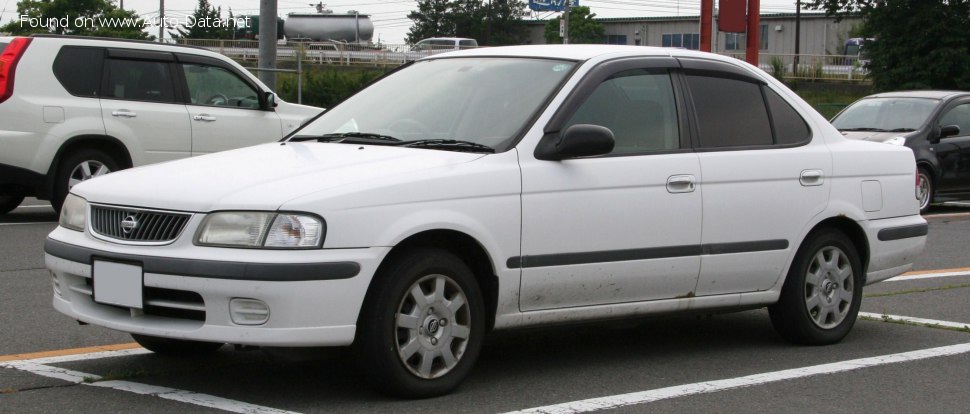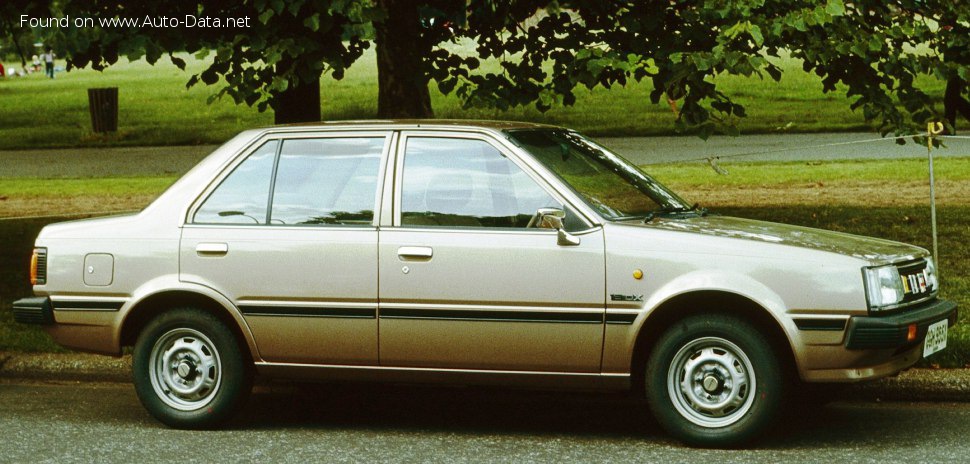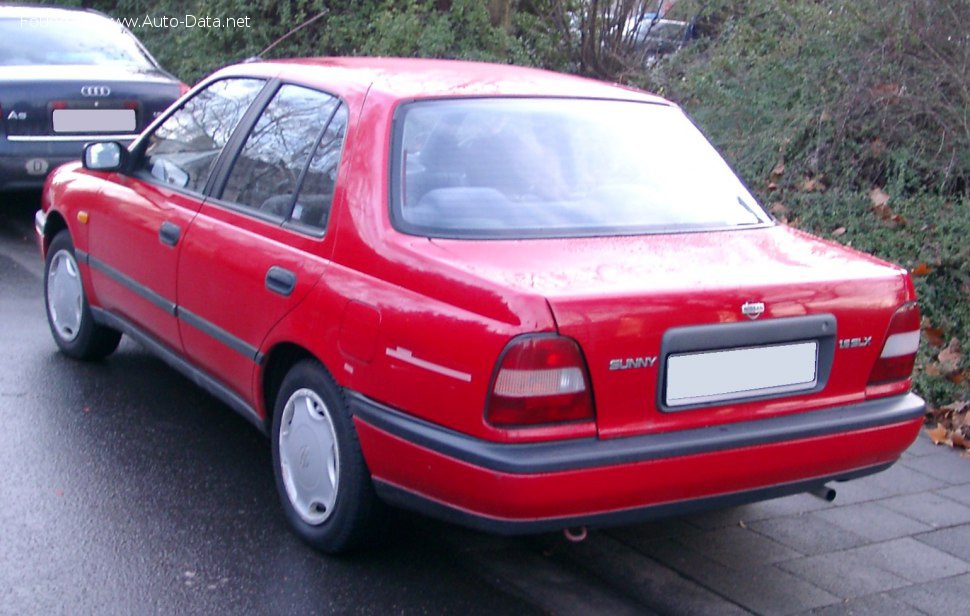
The Nissan Sunny III (N14) 2.0 D (75 Hp) is a compact sedan that held a prominent position in various global markets, notably Europe and Asia, during the early 1990s. As part of the long-running Nissan Sunny nameplate, the N14 generation signified a key development in Nissan’s compact car strategy. This specific diesel variant, producing 75 horsepower, exemplifies the era’s emphasis on durable, economical diesel powertrains designed for everyday usability and efficiency.
Nissan Sunny III (N14): A Global Compact
Launched in 1990 as the successor to the N13 generation, the Nissan Sunny III, internally designated N14, was engineered to compete within the highly contested C-segment. It aimed to deliver a practical and dependable transportation solution. The 2.0 D (75 Hp) version was specifically tailored for markets where diesel fuel was common and economy was a primary concern for buyers. Unlike many of its counterparts sold in North America, which typically featured gasoline engines, this diesel model demonstrated Nissan’s dedication to offering a diverse range of powertrain options to meet regional demands. Its straightforward engineering, coupled with Nissan’s established reputation for durability, made it a popular choice for both families and commercial fleet operators.
Engine & Performance
The Nissan Sunny III (N14) 2.0 D (75 Hp) is powered by the robust CD20 diesel engine. This naturally aspirated, inline four-cylinder engine has a displacement of 1.974 liters (120.46 cubic inches), generating 75 horsepower at 4800 rpm. Torque output is rated at 132 Nm (97.36 lb-ft) at 2800 rpm, prioritizing strong low-end pulling power over high-speed performance. This characteristic is typical of naturally aspirated diesel engines from this period, which focused on fuel efficiency and longevity rather than rapid acceleration.
The CD20 engine utilizes a pre-combustion chamber injection system, a prevalent technology for diesel engines of the time, known for reducing combustion noise and harshness compared to later direct injection systems. Its overhead camshaft (OHC) valvetrain with two valves per cylinder further contributes to its simplicity and reliability. The compression ratio of 22.2:1 is indicative of its diesel operation, ensuring efficient fuel ignition.
Paired with a 5-speed manual transmission, the powertrain delivers power to the front wheels, a standard configuration for compact cars of its class. While not designed for performance, its acceleration figures reflect its utilitarian purpose: an estimated 0 to 60 mph time of 14.6 seconds, with a top speed of approximately 99.42 mph (160 km/h). These figures demonstrate its suitability for both highway cruising and city driving, though without any sporting aspirations. Fuel economy was a key strength, with a combined consumption rating of 38.6 US mpg (6.1 l/100 km), making it an economical choice for daily commutes and longer journeys.
Design & Features
The Nissan Sunny III (N14) features a conventional, yet aerodynamic design for its era. This variant is a 4-door sedan, accommodating five passengers. Its design language is clean and functional, avoiding excessive styling in favor of practicality and ease of manufacturing. The vehicle’s dimensions – a length of 166.54 inches (4230 mm), a width of 66.54 inches (1690 mm), and a height of 54.92 inches (1395 mm) – place it firmly within the compact sedan segment, offering maneuverability in urban environments while providing sufficient interior space.
The N14 generation represented an improvement in overall build quality and interior ergonomics compared to its predecessors. While luxury features might have been optional or limited to higher trim levels, the focus remained on durability and user-friendliness. Trunk (boot) space is a respectable 15.54 cubic feet (440 liters), providing ample room for luggage or groceries, a significant selling point for family buyers. The fuel tank capacity of 13.21 US gallons (50 liters), combined with its excellent fuel economy, ensures a substantial driving range.
The Sunny III’s chassis is straightforward but effective. The front suspension utilizes a wishbone design, providing a balance of comfort and handling stability. The rear suspension employs a spring strut system, a cost-effective and space-efficient solution for compact front-wheel-drive vehicles. Braking is handled by ventilated discs at the front and drum brakes at the rear. The inclusion of ABS (Anti-lock Braking System) was a notable safety feature for the early 1990s, demonstrating Nissan’s commitment to enhancing occupant safety even in its more economical models. A hydraulic power steering system, based on a rack and pinion setup, provides predictable and relatively light steering effort, crucial for city driving.
Technical Specifications
| Category | Specification |
| Brand | Nissan |
| Model | Sunny |
| Generation | Sunny III (N14) |
| Type (Engine) | 2.0 D (75 Hp) |
| Production Start | 1990 |
| Production End | 1995 |
| Powertrain Architecture | Internal Combustion Engine |
| Body Type | Sedan |
| Seats | 5 |
| Doors | 4 |
| Fuel Consumption (Combined) | 6.1 l/100 km |
| Fuel Consumption (Combined) | 38.6 US mpg / 46.3 UK mpg |
| Fuel Type | Diesel |
| Acceleration 0-60 mph | 14.6 sec |
| Acceleration 0-100 km/h | 15.4 sec |
| Maximum Speed | 160 km/h |
| Maximum Speed | 99.42 mph |
| Power | 75 Hp @ 4800 rpm |
| Torque | 132 Nm @ 2800 rpm |
| Torque | 97.36 lb-ft @ 2800 rpm |
| Engine Displacement | 1974 cm3 |
| Engine Displacement | 120.46 cu. in. |
| Kerb Weight | 1005 kg |
| Kerb Weight | 2215.65 lbs |
| Trunk (Boot) Space – Minimum | 440 l |
| Trunk (Boot) Space – Minimum | 15.54 cu. ft. |
| Fuel Tank Capacity | 50 l |
| Fuel Tank Capacity | 13.21 US gal / 11 UK gal |
| Length | 4230 mm |
| Length | 166.54 in. |
| Width | 1690 mm |
| Width | 66.54 in. |
Legacy and Market Impact
The Nissan Sunny III (N14) 2.0 D (75 Hp) established a significant presence, particularly in European and Asian markets, as a reliable and economical compact sedan. Its legacy is rooted in its reputation as a dependable, no-frills vehicle. In an era before widespread adoption of complex electronics and advanced driver-assistance systems, the N14 represented a straightforward approach to motoring: offering solid mechanicals, good fuel efficiency, and a practical cabin.
In its primary markets, the Nissan Sunny III faced competition from models like the Volkswagen Golf, Opel Astra, Ford Escort, Toyota Corolla, and Honda Civic. While some rivals offered more engaging driving dynamics or refined interiors, the Sunny stood out for its robust diesel engine, appealing to buyers prioritizing low running costs and long-term durability. Its CD20 engine gained a reputation for exceptional hardiness and high mileage capability with proper maintenance.
The historical significance of the Nissan Sunny III (N14) lies in its embodiment of the compact car ideal of the early 1990s. It excelled at providing accessible, efficient, and reliable transportation. It wasn’t designed for excitement but to serve as a trustworthy family car or fleet vehicle. Its modest power and emphasis on fuel economy made it a sensible choice during a period of growing environmental concerns and fluctuating fuel prices. The N14, particularly its diesel variants, contributed to Nissan’s strong market presence outside of North America, solidifying its image as a manufacturer of globally competitive vehicles. While not as iconic as some sports cars or luxury sedans, the Nissan Sunny III (N14) 2.0 D (75 Hp) remains a testament to practical engineering and enduring reliability.