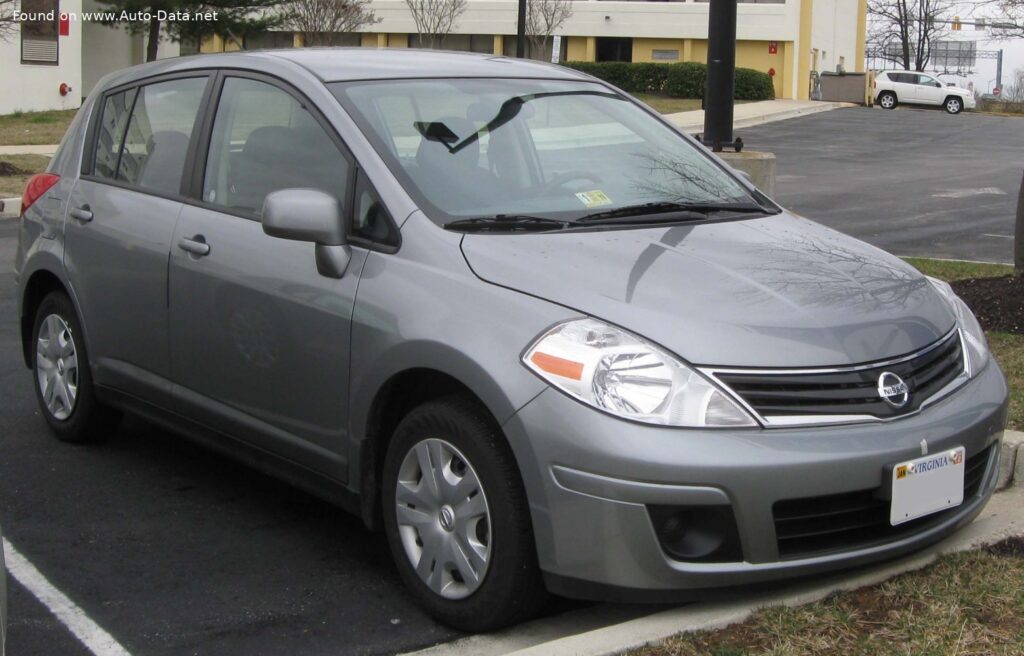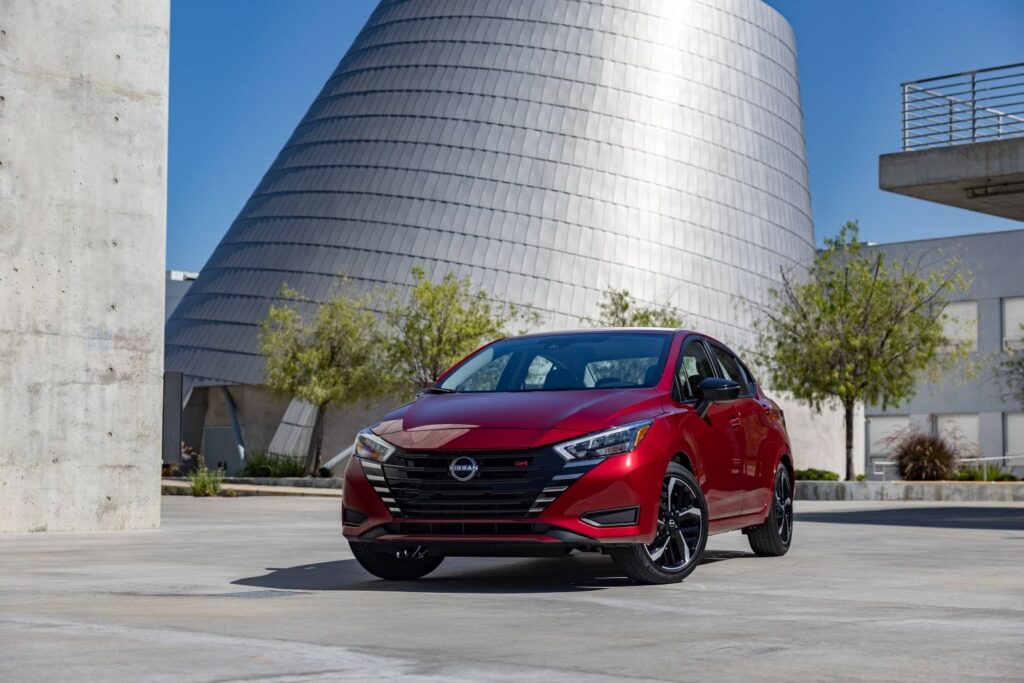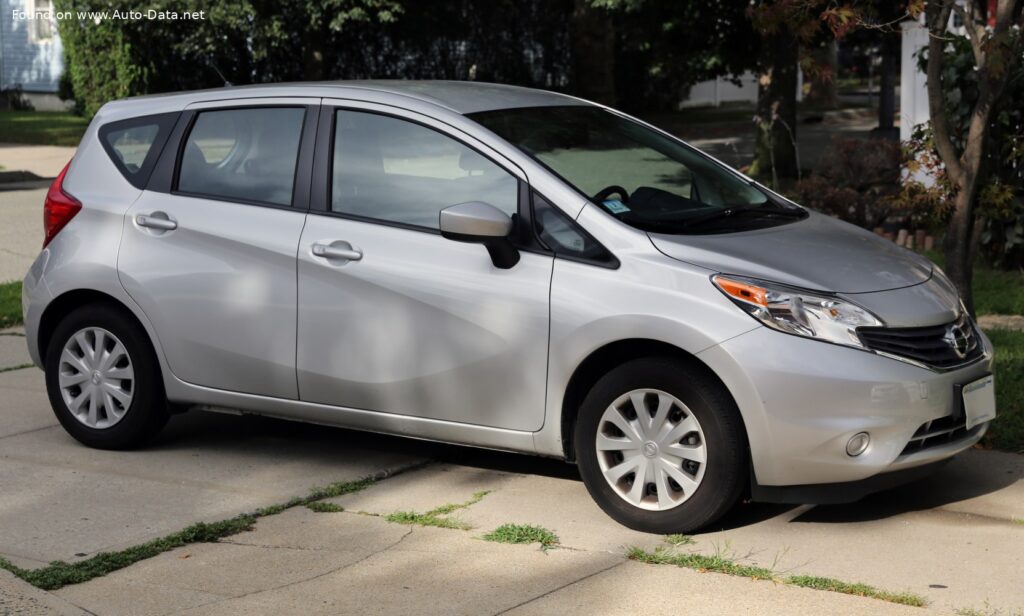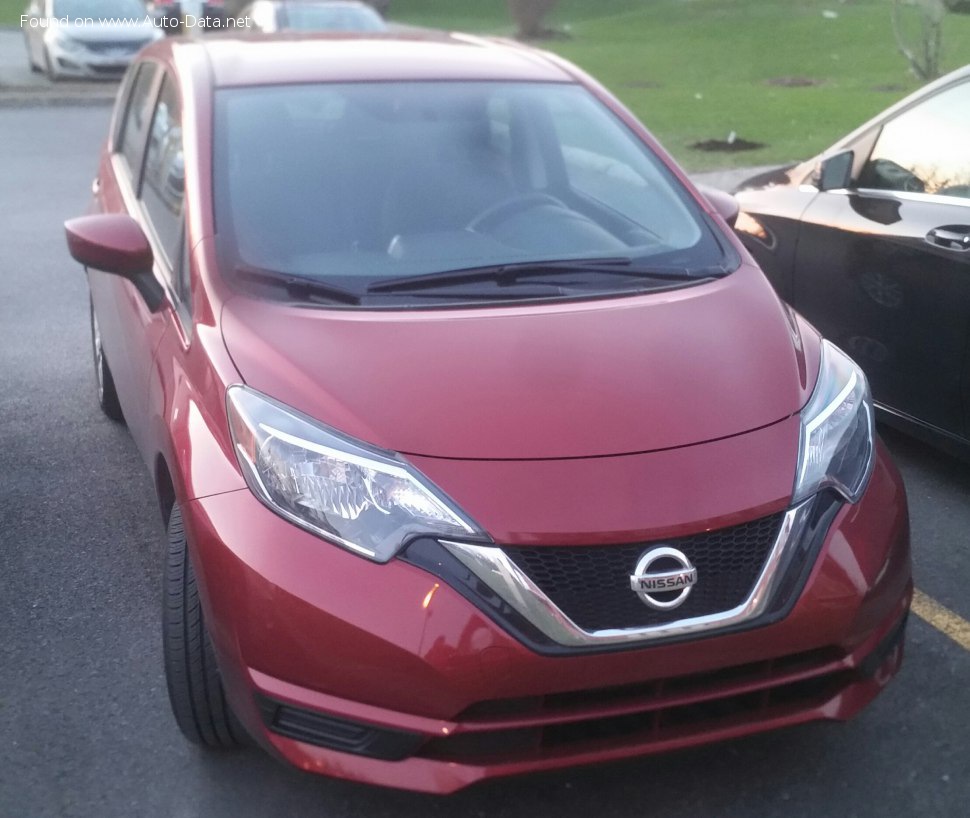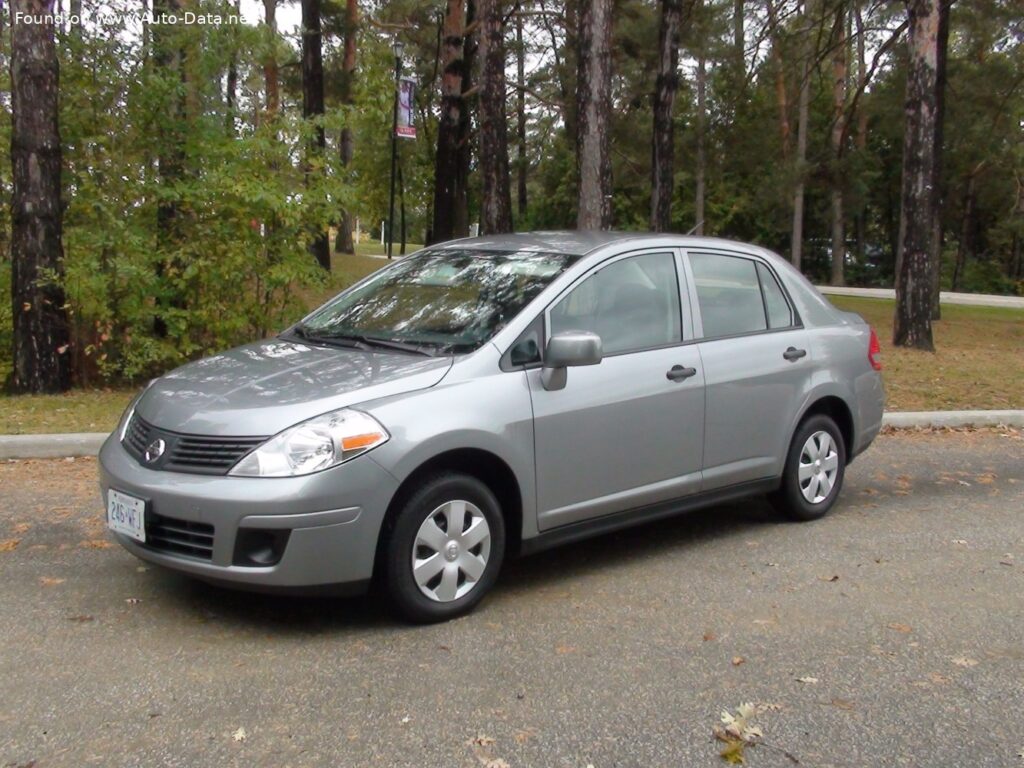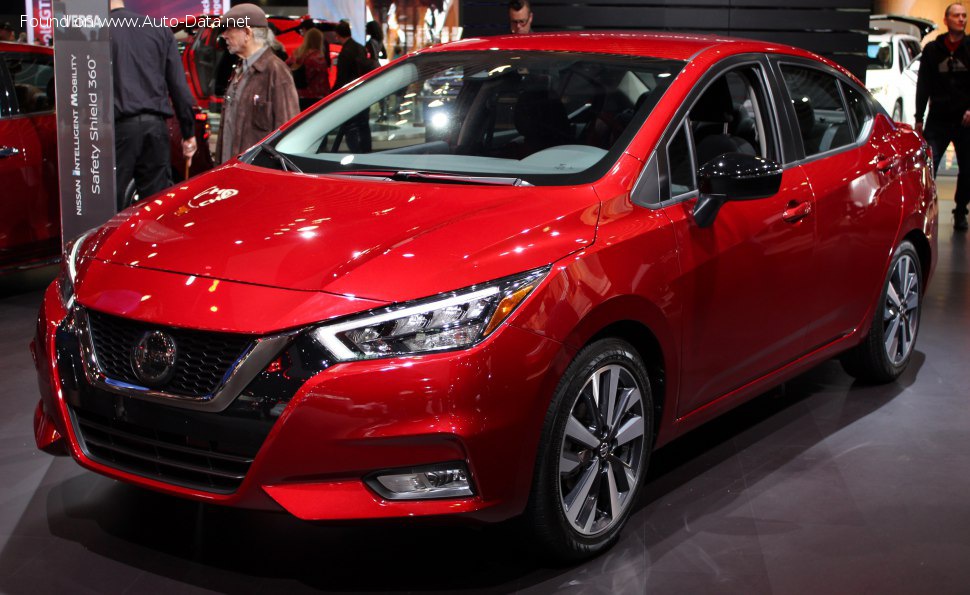
The Nissan Versa III, produced from August 2019 to October 2022, represents the third generation of Nissan’s subcompact sedan. Primarily marketed as an affordable and fuel-efficient option, the Versa III aimed to provide value in a competitive segment. While not sold in all global markets, it was a key model for Nissan in North America, positioned as an entry-level vehicle appealing to first-time buyers and those seeking economical transportation. The Versa III underwent significant changes from its predecessor, focusing on improved styling, enhanced interior space, and the inclusion of more standard safety features. This generation of the Versa aimed to address previous criticisms regarding its dated design and basic interior, offering a more modern and competitive package.
Nissan Versa III 1.6i (122 Hp): Overview
The Versa III 1.6i, equipped with the HR16DE engine producing 122 horsepower, was a mainstay of the lineup. This model focused on balancing fuel economy with adequate performance for daily commuting and urban driving. The Versa III competed with other subcompact sedans like the Honda Fit, Toyota Yaris, and Hyundai Accent, offering a compelling combination of price, features, and efficiency. The vehicle’s design prioritized practicality and affordability, making it a popular choice for budget-conscious consumers.
Engine & Performance
The heart of the Nissan Versa III 1.6i is the HR16DE 1.6-liter inline-four cylinder engine. This naturally aspirated engine delivers 122 horsepower at 6000 rpm and 155 Nm (114.32 lb.-ft.) of torque at 4400 rpm. The engine utilizes multi-port fuel injection and a Double Overhead Camshaft (DOHC) valvetrain with Continuously Variable Valve Timing Control System (CVTCS) to optimize performance and fuel efficiency. The engine’s power output, while not exceptionally high, provides sufficient acceleration for typical driving conditions. The Versa III was available with a 5-speed manual transmission, allowing drivers to have more control over gear selection. The weight-to-power ratio of 9.7 kg/Hp (103.5 Hp/tonne) and weight-to-torque ratio of 7.6 kg/Nm (131.5 Nm/tonne) contribute to a reasonably responsive driving experience. Fuel economy figures are respectable, with combined fuel consumption rated at 7.8 l/100 km (30.2 US mpg, 36.2 UK mpg, 12.8 km/l). Urban driving yields 8.7 l/100 km (27 US mpg, 32.5 UK mpg, 11.5 km/l), while extra-urban driving achieves 6.7 l/100 km (35.1 US mpg, 42.2 UK mpg, 14.9 km/l).
Design & Features
The Nissan Versa III adopted a more contemporary design language compared to its predecessors. The body style is a traditional four-door sedan, offering seating for five passengers. The exterior design features a prominent V-Motion grille, a signature Nissan styling cue, and swept-back headlights. The vehicle’s dimensions are 4496 mm (177.01 in.) in length, 1740 mm (68.5 in.) in width, and 1455 mm (57.28 in.) in height, with a wheelbase of 2619 mm (103.11 in.). The interior of the Versa III was redesigned to offer more passenger space and improved comfort. Standard features included air conditioning, power windows and locks, and a basic audio system. Higher trim levels offered features such as a touchscreen infotainment system, Apple CarPlay and Android Auto compatibility, and advanced driver-assistance systems (ADAS) like automatic emergency braking and lane departure warning. Safety features were a key focus, with the inclusion of ABS (Anti-lock Braking System) as standard equipment. The suspension consists of an independent coil spring setup at the front and a torsion beam at the rear, providing a comfortable ride quality. The Versa III rides on 195/65 R15 tires mounted on 6.5J x 15 inch wheel rims.
Technical Specifications
| Brand | Nissan |
| Model | Versa |
| Generation | Versa III |
| Type (Engine) | 1.6i (122 Hp) |
| Start of production | August, 2019 |
| End of production | October, 2022 |
| Powertrain Architecture | Internal Combustion engine |
| Body type | Sedan |
| Seats | 5 |
| Doors | 4 |
| Fuel consumption (economy) – urban | 8.7 l/100 km (27 US mpg, 32.5 UK mpg, 11.5 km/l) |
| Fuel consumption (economy) – extra urban | 6.7 l/100 km (35.1 US mpg, 42.2 UK mpg, 14.9 km/l) |
| Fuel consumption (economy) – combined | 7.8 l/100 km (30.2 US mpg, 36.2 UK mpg, 12.8 km/l) |
| Fuel Type | Petrol (Gasoline) |
| Weight-to-power ratio | 9.7 kg/Hp, 103.5 Hp/tonne |
| Weight-to-torque ratio | 7.6 kg/Nm, 131.5 Nm/tonne |
| Power | 122 Hp @ 6000 rpm |
| Power per litre | 76.4 Hp/l |
| Torque | 155 Nm @ 4400 rpm (114.32 lb.-ft. @ 4400 rpm) |
| Engine layout | Front, Transverse |
| Engine Model/Code | HR16DE |
| Engine displacement | 1597 cm3 (97.45 cu. in.) |
| Number of cylinders | 4 |
| Engine configuration | Inline |
| Number of valves per cylinder | 4 |
| Fuel injection system | Multi-port manifold injection |
| Engine aspiration | Naturally aspirated engine |
| Valvetrain | DOHC, CVTCS |
| Engine oil capacity | 4.1 l (4.33 US qt | 3.61 UK qt) |
| Coolant | 5.8 l (6.13 US qt | 5.1 UK qt) |
| Kerb Weight | 1179 kg (2599.25 lbs.) |
| Length | 4496 mm (177.01 in.) |
| Width | 1740 mm (68.5 in.) |
| Height | 1455 mm (57.28 in.) |
| Wheelbase | 2619 mm (103.11 in.) |
| Front track | 1519 mm (59.8 in.) |
| Rear (Back) track | 1529 mm (60.2 in.) |
| Drag coefficient (Cd) | 0.32 |
| Drivetrain Architecture | The Internal combustion engine (ICE) drives the front wheels of the vehicle. |
| Drive wheel | Front wheel drive |
| Number of gears and type of gearbox | 5 gears, manual transmission |
| Front suspension | Independent coil spring |
| Rear suspension | Torsion |
| Front brakes | Ventilated discs |
| Rear brakes | Drum |
| Assisting systems | ABS (Anti-lock braking system) |
| Steering type | Steering rack and pinion |
| Power steering | Electric Steering |
| Tires size | 195/65 R15 |
| Wheel rims size | 6.5J x 15 |
The Nissan Versa III 1.6i (122 Hp) offered a practical and affordable transportation solution for consumers seeking a fuel-efficient and reliable subcompact sedan. Its improvements in design, features, and safety made it a competitive option in its segment, particularly in the North American market.