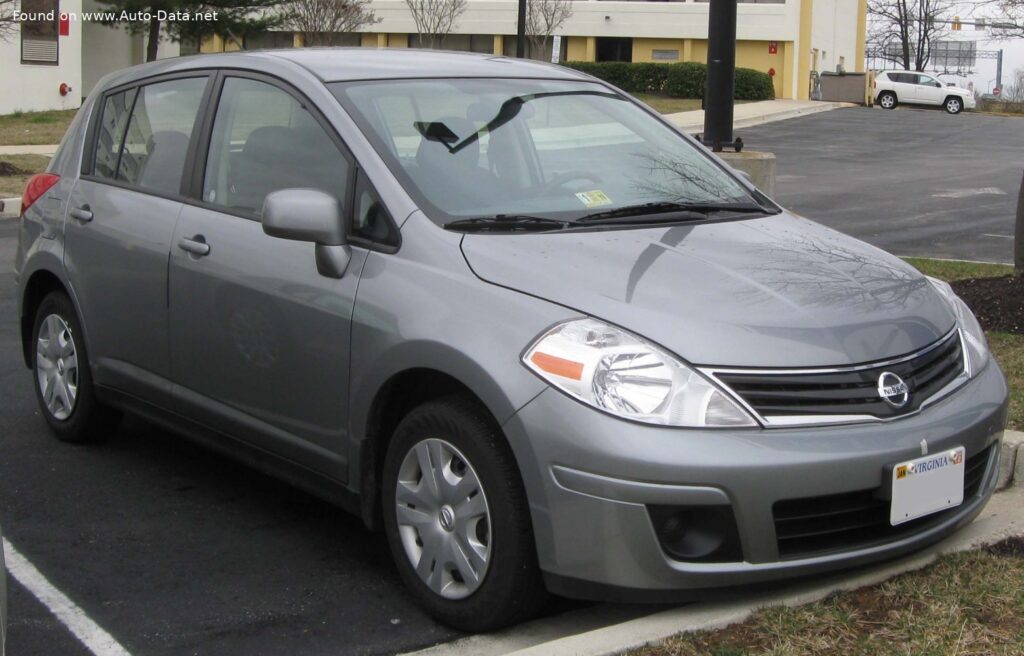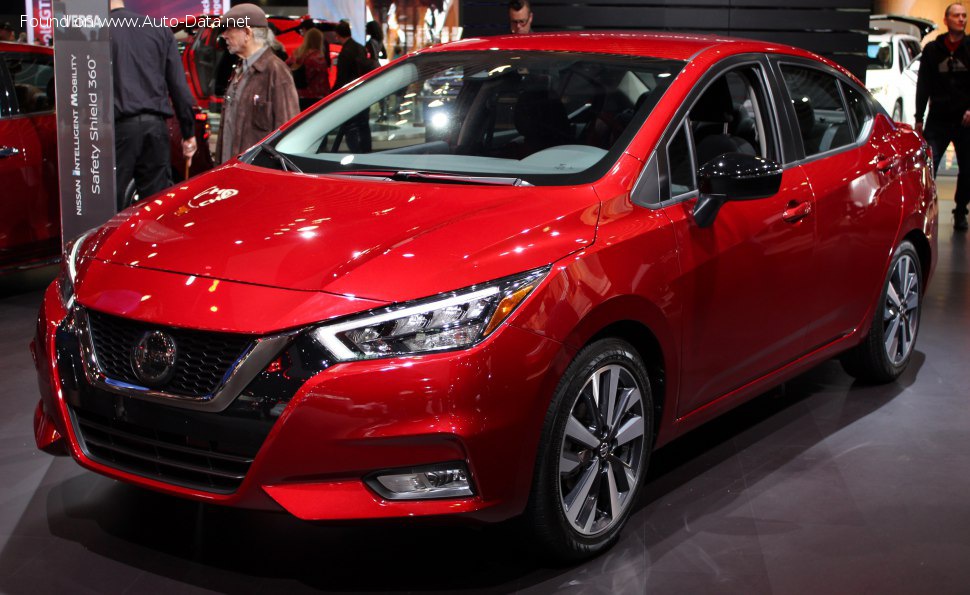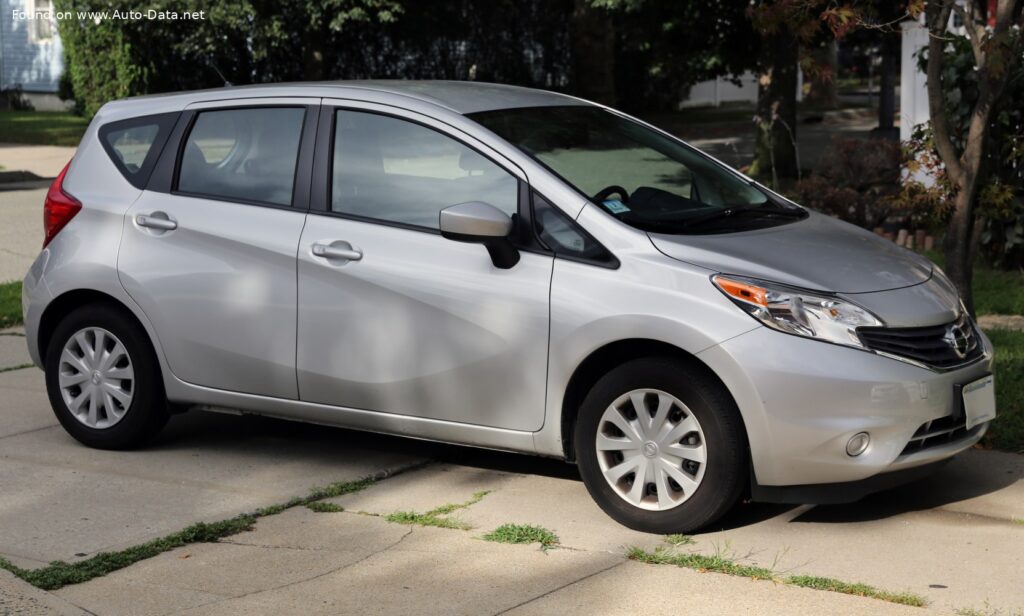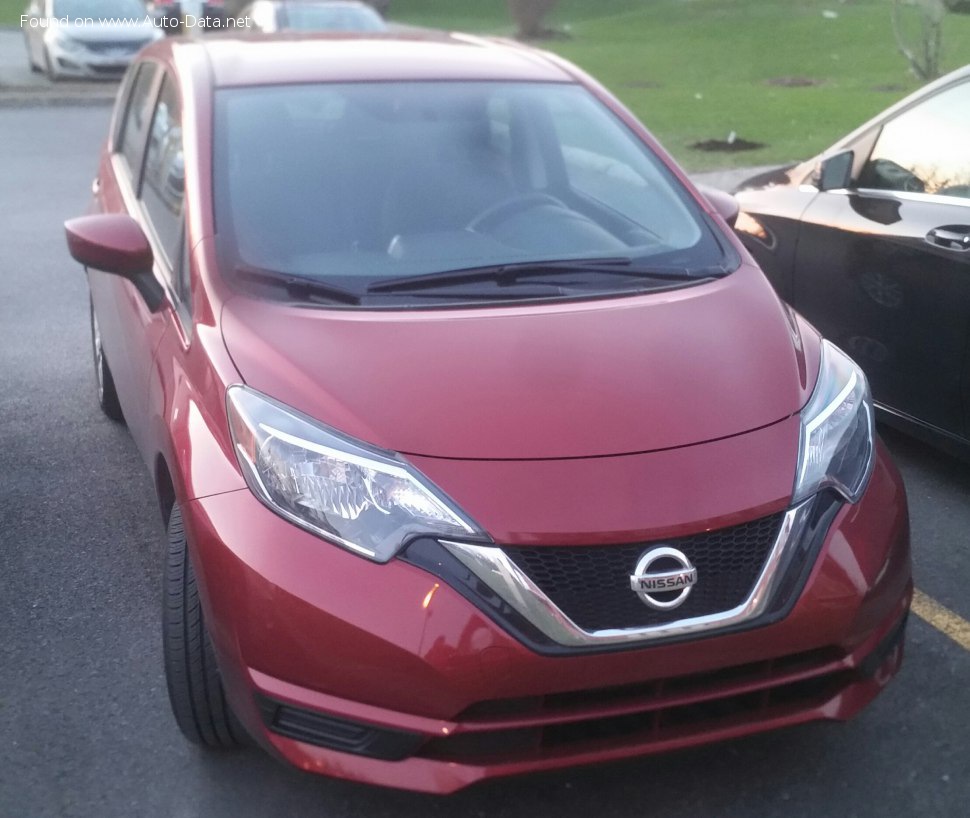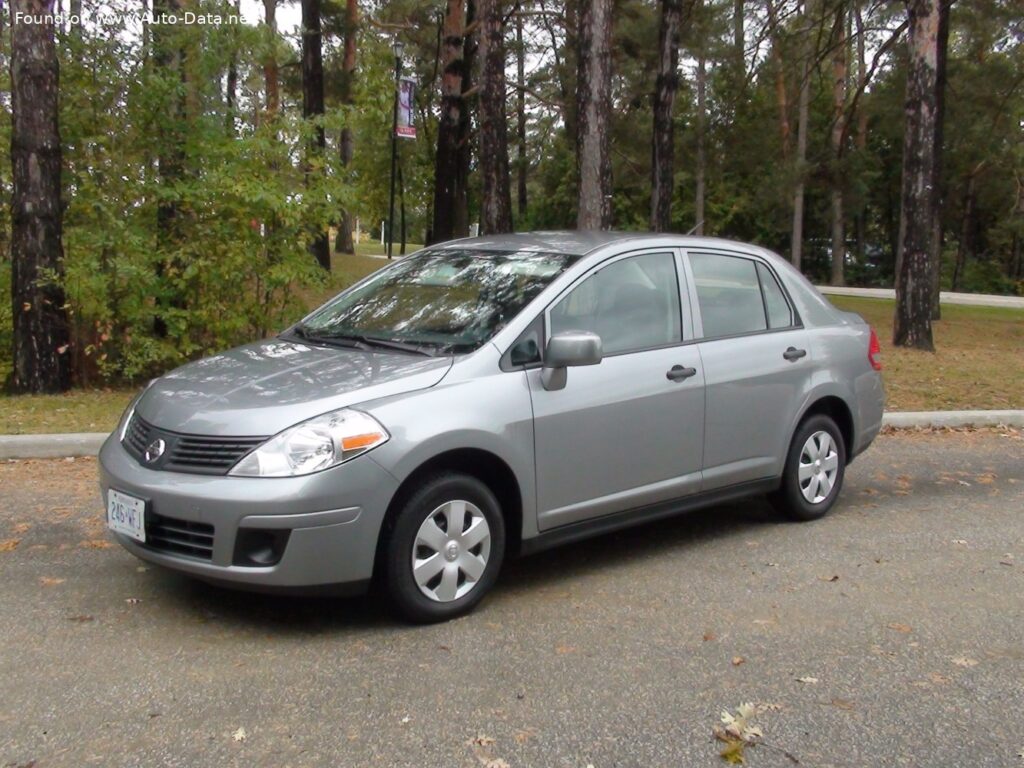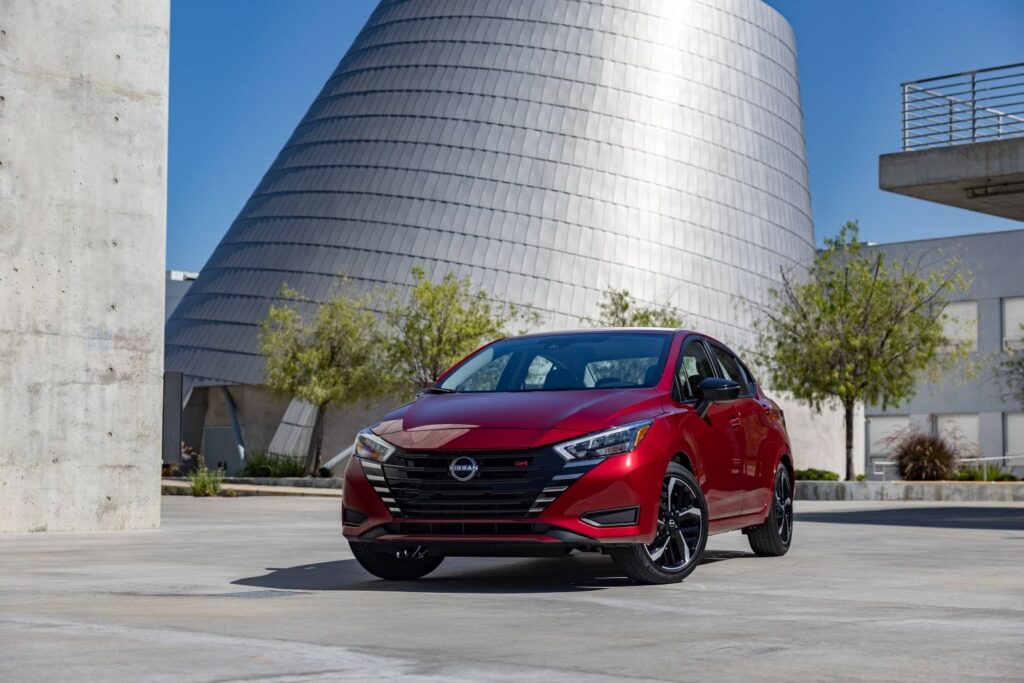
The Nissan Versa, in its third generation and refreshed for 2022, represents Nissan’s entry-level offering in the subcompact sedan segment within the United States market. While the Versa nameplate has appeared in various forms globally, the Versa III, particularly the 2022 facelift, is specifically tailored for North American consumers seeking an affordable and fuel-efficient vehicle. This iteration builds upon the success of the previous generation, focusing on improved styling, enhanced technology, and a continued commitment to value. The Versa competes with other subcompacts like the Kia Rio, Hyundai Accent, and Mitsubishi Mirage.
Nissan Versa III (Facelift 2022): An Overview
The 2022 Nissan Versa facelift maintains the core principles of its predecessor – affordability, practicality, and fuel economy – while introducing subtle yet impactful design updates and technological enhancements. The vehicle is positioned as a sensible choice for first-time buyers, commuters, or those needing a reliable and economical second car. The facelift primarily involves revisions to the front fascia, including a redesigned grille, headlights, and bumper, giving the Versa a more modern and assertive appearance. The interior also receives minor updates to materials and trim.
Engine & Performance
Powering the 2022 Nissan Versa is a 1.6-liter inline-four cylinder engine, designated the HR16DE. This naturally aspirated engine produces 122 horsepower at 6,300 rpm and 155 Newton-meters (114.32 lb.-ft.) of torque at 4,000 rpm. While not designed for outright performance, the engine provides adequate power for everyday driving situations. The Versa boasts a weight-to-power ratio of 9.7 kg/Hp, translating to 103.5 Hp/tonne, and a weight-to-torque ratio of 7.6 kg/Nm, or 131.5 Nm/tonne. The engine features multi-port fuel injection and a double overhead camshaft (DOHC) valvetrain with Continuously Variable Valve Timing Control System (CVTCS). A five-speed manual transmission is standard, offering drivers a traditional driving experience. Fuel economy is a key strength, with EPA estimates of 30.2 US mpg combined (7.8 l/100 km), 27 US mpg (8.7 l/100 km) in city driving, and 35.1 US mpg (6.7 l/100 km) on the highway. The Versa meets stringent emission standards, classified as Tier 3-Bin30 (EPA) / LEV3-SULE.
Design & Features
The 2022 Nissan Versa is a four-door sedan with a relatively compact footprint. It seats five passengers comfortably, offering a practical and functional interior space. The trunk provides 416 liters (14.69 cubic feet) of cargo capacity, sufficient for everyday needs. The exterior design, updated with the facelift, features a more prominent V-Motion grille, redesigned headlights, and a revised front bumper. The vehicle’s dimensions are 4496 mm (177.01 inches) in length, 1740 mm (68.5 inches) in width, and 1455 mm (57.28 inches) in height, with a wheelbase of 2619 mm (103.11 inches). Safety features are a priority, and the Versa typically includes standard equipment such as Anti-lock Braking System (ABS), and multiple airbags. The vehicle’s drag coefficient is rated at 0.32, contributing to its fuel efficiency. The Versa’s interior focuses on practicality and ease of use, with a straightforward dashboard layout and user-friendly controls. Available features, depending on trim level, may include a touchscreen infotainment system, Bluetooth connectivity, and smartphone integration.
Technical Specifications
| Brand | Nissan |
| Model | Versa |
| Generation | Versa III (facelift 2022) |
| Type (Engine) | 1.6 (122 Hp) |
| Start of production | October, 2022 |
| Powertrain Architecture | Internal Combustion engine |
| Body type | Sedan |
| Seats | 5 |
| Doors | 4 |
| Fuel consumption (economy) – urban (EPA) | 8.7 l/100 km (27 US mpg) |
| Fuel consumption (economy) – extra urban (EPA) | 6.7 l/100 km (35.1 US mpg) |
| Fuel consumption (economy) – combined (EPA) | 7.8 l/100 km (30.2 US mpg) |
| Fuel Type | Petrol (Gasoline) |
| Emission standard | Tier 3-Bin30 (EPA) / LEV3-SULE |
| Weight-to-power ratio | 9.7 kg/Hp |
| Weight-to-torque ratio | 7.6 kg/Nm |
| Power | 122 Hp @ 6300 rpm |
| Torque | 155 Nm @ 4000 rpm (114.32 lb.-ft. @ 4000 rpm) |
| Maximum engine speed | 6500 rpm |
| Engine layout | Front, Transverse |
| Engine Model/Code | HR16DE |
| Engine displacement | 1598 cm3 (97.52 cu. in.) |
| Number of cylinders | 4 |
| Engine configuration | Inline |
| Cylinder Bore | 78 mm (3.07 in.) |
| Piston Stroke | 83.6 mm (3.29 in.) |
| Compression ratio | 10.4:1 |
| Number of valves per cylinder | 4 |
| Fuel injection system | Multi-port manifold injection |
| Engine aspiration | Naturally aspirated engine |
| Valvetrain | DOHC, CVTCS |
| Engine oil capacity | 3.8 l (4.02 US qt | 3.34 UK qt) |
| Coolant | 5.8 l (6.13 US qt | 5.1 UK qt) |
| Kerb Weight | 1179 kg (2599.25 lbs.) |
| Max. weight | 1570 kg (3461.26 lbs.) |
| Max load | 391 kg (862.01 lbs.) |
| Trunk (boot) space – minimum | 416 l (14.69 cu. ft.) |
| Fuel tank capacity | 41 l (10.83 US gal | 9.02 UK gal) |
| Length | 4496 mm (177.01 in.) |
| Width | 1740 mm (68.5 in.) |
| Height | 1455 mm (57.28 in.) |
| Wheelbase | 2619 mm (103.11 in.) |
| Front track | 1519 mm (59.8 in.) |
| Rear (Back) track | 1529 mm (60.2 in.) |
| Drag coefficient (Cd) | 0.32 |
| Minimum turning circle (turning diameter) | 10.6 m (34.78 ft.) |
| Drivetrain Architecture | Front wheel drive |
| Number of gears and type of gearbox | 5 gears, manual transmission |
| Front suspension | Independent coil spring, Transverse stabilizer |
| Rear suspension | Torsion |
| Front brakes | Ventilated discs, 254.51×22.1 mm |
| Rear brakes | Drum, 203.2 mm |
| Assisting systems | ABS (Anti-lock braking system) |
| Steering type | Steering rack and pinion |
| Power steering | Electric Steering |
| Tires size | 195/65 R15; 205/55 R16 |
| Wheel rims size | 6.5J x 15; 6.0J x 16 |