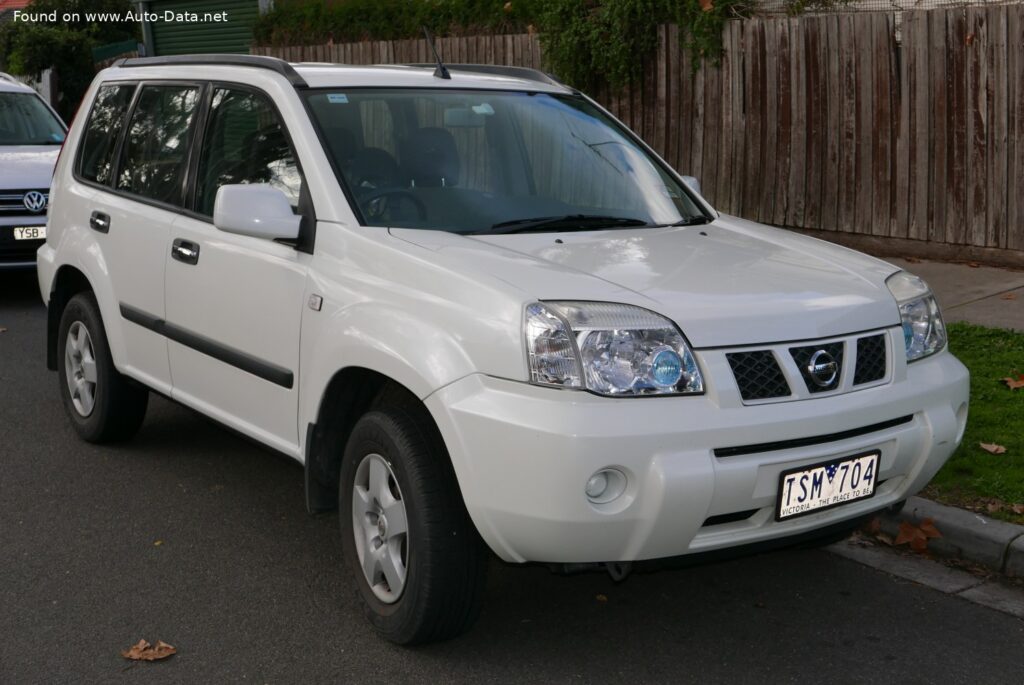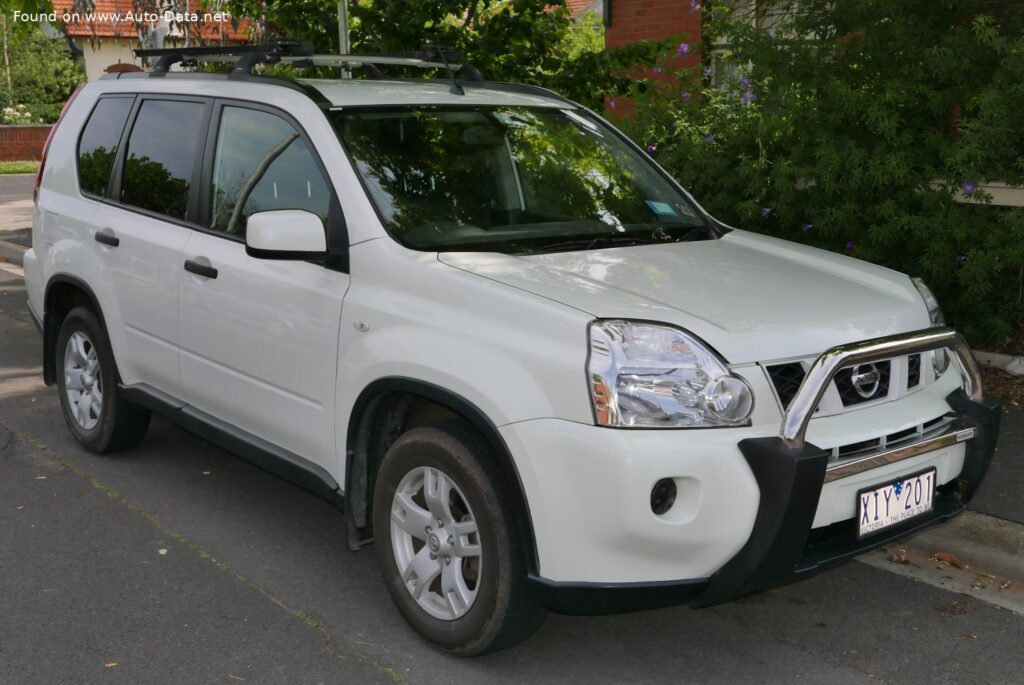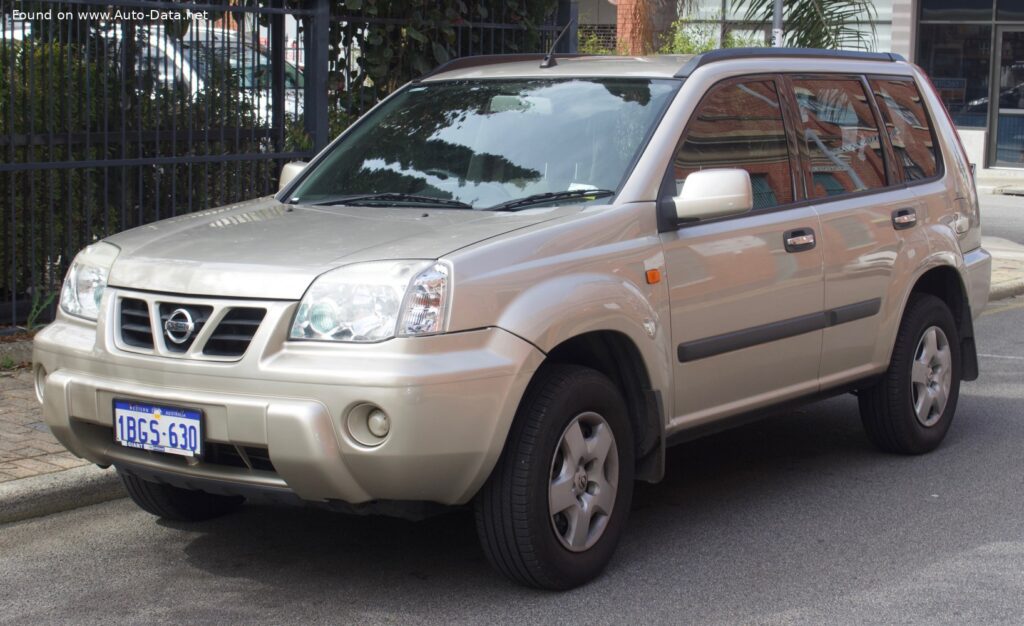
The Nissan X-Trail I (T30), produced from 2001 to 2003, represents Nissan’s initial foray into the compact SUV market, primarily aimed at the European consumer. While not initially sold in the United States, the X-Trail filled a growing niche for versatile, all-wheel-drive vehicles offering a blend of practicality and off-road capability. This first generation established the X-Trail as a competitor to vehicles like the Honda CR-V and Toyota RAV4, though with a more rugged aesthetic and a focus on robust four-wheel-drive systems. The T30 X-Trail was a significant model for Nissan, expanding their global reach and demonstrating their commitment to the burgeoning SUV segment.
Nissan X-Trail I (T30) 2.2 dCi: An Overview
The X-Trail I (T30) 2.2 dCi 4×4 is a five-door, five-seat SUV powered by a 2.2-liter turbocharged diesel engine. This particular variant, equipped with a manual transmission and all-wheel drive, was a popular choice in Europe due to its fuel efficiency and all-weather capability. The T30 generation X-Trail distinguished itself with its relatively boxy styling, emphasizing interior space and practicality. It was designed to appeal to buyers seeking a vehicle suitable for both daily commuting and weekend adventures.
Engine & Performance
The heart of the X-Trail I (T30) 2.2 dCi 4×4 is the YD22ETi 2.2-liter inline-four cylinder diesel engine. This engine produces 114 horsepower at 4000 rpm and 270 Nm (199.14 lb.-ft.) of torque at 2000 rpm. While not a performance-oriented vehicle, the diesel engine provides adequate power for everyday driving and towing. The turbocharger and intercooler enhance performance and efficiency. The engine features a diesel commonrail fuel injection system and a double overhead camshaft (DOHC) valvetrain. Acceleration from 0 to 100 km/h (0-62 mph) takes 13.7 seconds, with a top speed of 165 km/h (102.53 mph). The engine’s fuel consumption is rated at 7.2 l/100 km (32.7 US mpg) combined, with 9.2 l/100 km (25.6 US mpg) in urban settings and 6.0 l/100 km (39.2 US mpg) on the open road. The engine has a compression ratio of 18:1 and requires 5.4 liters (5.71 US quarts) of engine oil.
Design & Features
The Nissan X-Trail I (T30) boasts a functional and utilitarian design. Its five-door SUV body style provides easy access for passengers and cargo. The interior is designed with practicality in mind, offering comfortable seating for five adults. A key feature of the X-Trail is its spacious cargo area, which ranges from 410 liters (14.48 cu. ft.) with the rear seats up to 1841 liters (65.01 cu. ft.) with the rear seats folded down. The vehicle’s all-wheel-drive system, coupled with its independent suspension (McPherson struts at the front and a multi-link setup at the rear), provides good handling and stability on various road surfaces. Safety features for the time included ABS (Anti-lock Braking System) and ventilated disc brakes on all four wheels. The X-Trail also offers a respectable towing capacity, with a maximum braked trailer load of 2000 kg (4409.25 lbs). The vehicle’s dimensions are 4510 mm (177.56 in) in length, 1765 mm (69.49 in) in width, and 1675 mm (65.94 in) in height.
Technical Specifications
| Brand | Nissan |
| Model | X-Trail |
| Generation | X-Trail I (T30) |
| Type (Engine) | 2.2 dCi (114 Hp) 4×4 |
| Start of production | 2001 |
| End of production | 2003 |
| Powertrain Architecture | Internal Combustion engine |
| Body type | SUV |
| Seats | 5 |
| Doors | 5 |
| Fuel consumption (urban) | 9.2 l/100 km (25.6 US mpg) |
| Fuel consumption (extra urban) | 6 l/100 km (39.2 US mpg) |
| Fuel consumption (combined) | 7.2 l/100 km (32.7 US mpg) |
| CO2 emissions | 190 g/km |
| Fuel Type | Diesel |
| Acceleration 0 – 100 km/h | 13.7 sec |
| Acceleration 0 – 62 mph | 13.7 sec |
| Acceleration 0 – 60 mph | 13 sec |
| Maximum speed | 165 km/h (102.53 mph) |
| Emission standard | Euro 3 |
| Weight-to-power ratio | 13.5 kg/Hp |
| Weight-to-torque ratio | 5.7 kg/Nm |
| Power | 114 Hp @ 4000 rpm |
| Torque | 270 Nm @ 2000 rpm (199.14 lb.-ft. @ 2000 rpm) |
| Engine layout | Front, Transverse |
| Engine Model/Code | YD22ETi |
| Engine displacement | 2184 cm3 (133.28 cu. in.) |
| Number of cylinders | 4 |
| Engine configuration | Inline |
| Cylinder Bore | 86 mm (3.39 in.) |
| Piston Stroke | 94 mm (3.7 in.) |
| Compression ratio | 18:1 |
| Number of valves per cylinder | 4 |
| Fuel injection system | Diesel Commonrail |
| Engine aspiration | Turbocharger, Intercooler |
| Valvetrain | DOHC |
| Engine oil capacity | 5.4 l (5.71 US qt | 4.75 UK qt) |
| Coolant | 10 l (10.57 US qt | 8.8 UK qt) |
| Kerb Weight | 1534 kg (3381.89 lbs.) |
| Max. weight | 2050 kg (4519.48 lbs.) |
| Max load | 516 kg (1137.59 lbs.) |
| Trunk (boot) space – minimum | 410 l (14.48 cu. ft.) |
| Trunk (boot) space – maximum | 1841 l (65.01 cu. ft.) |
| Fuel tank capacity | 60 l (15.85 US gal | 13.2 UK gal) |
| Max. roof load | 100 kg (220.46 lbs.) |
| Permitted trailer load with brakes (12%) | 2000 kg (4409.25 lbs.) |
| Permitted trailer load without brakes | 750 kg (1653.47 lbs.) |
| Length | 4510 mm (177.56 in.) |
| Width | 1765 mm (69.49 in.) |
| Height | 1675 mm (65.94 in.) |
| Wheelbase | 2625 mm (103.35 in.) |
| Front track | 1530 mm (60.24 in.) |
| Rear (Back) track | 1530 mm (60.24 in.) |
| Minimum turning circle (turning diameter) | 11 m (36.09 ft.) |
| Drive wheel | All wheel drive (4×4) |
| Number of gears and type of gearbox | 6 gears, manual transmission |
| Front suspension | Independent, type McPherson with coil spring and anti-roll bar |
| Rear suspension | Independent multi-link suspension, Coil spring |
| Front brakes | Ventilated discs |
| Rear brakes | Ventilated discs |
| Assisting systems | ABS (Anti-lock braking system) |
| Steering type | Steering rack and pinion |
| Power steering | Hydraulic Steering |
| Tires size | 215/70 R15 |
| Wheel rims size | 15 |
The Nissan X-Trail I (T30) 2.2 dCi 4×4, while not a groundbreaking vehicle, provided a solid foundation for the X-Trail lineage. Its blend of practicality, fuel efficiency, and all-wheel-drive capability made it a popular choice in its target market, and it paved the way for the more refined and technologically advanced generations that followed.