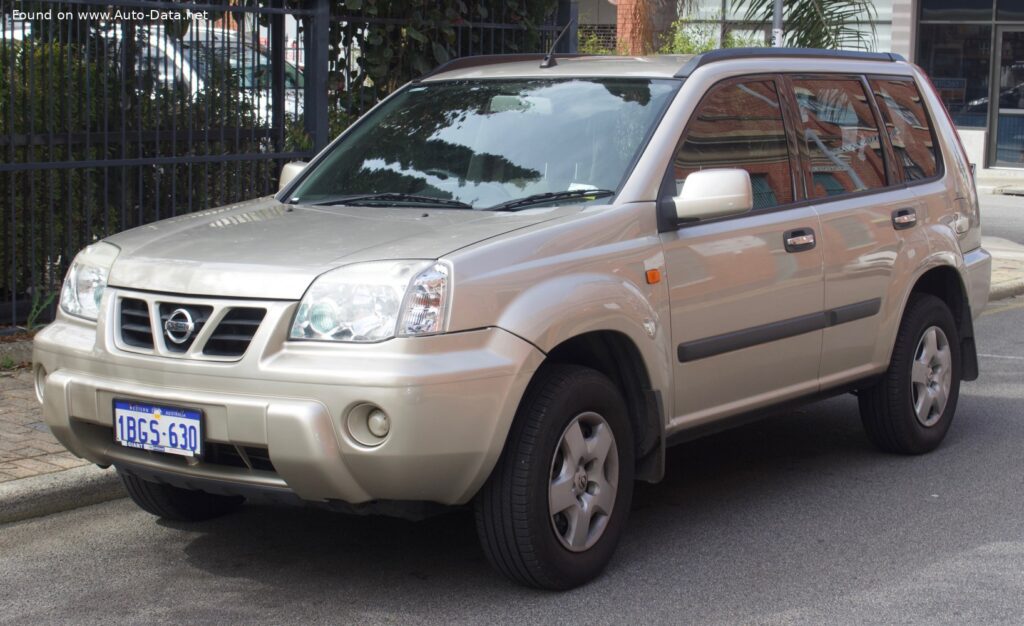
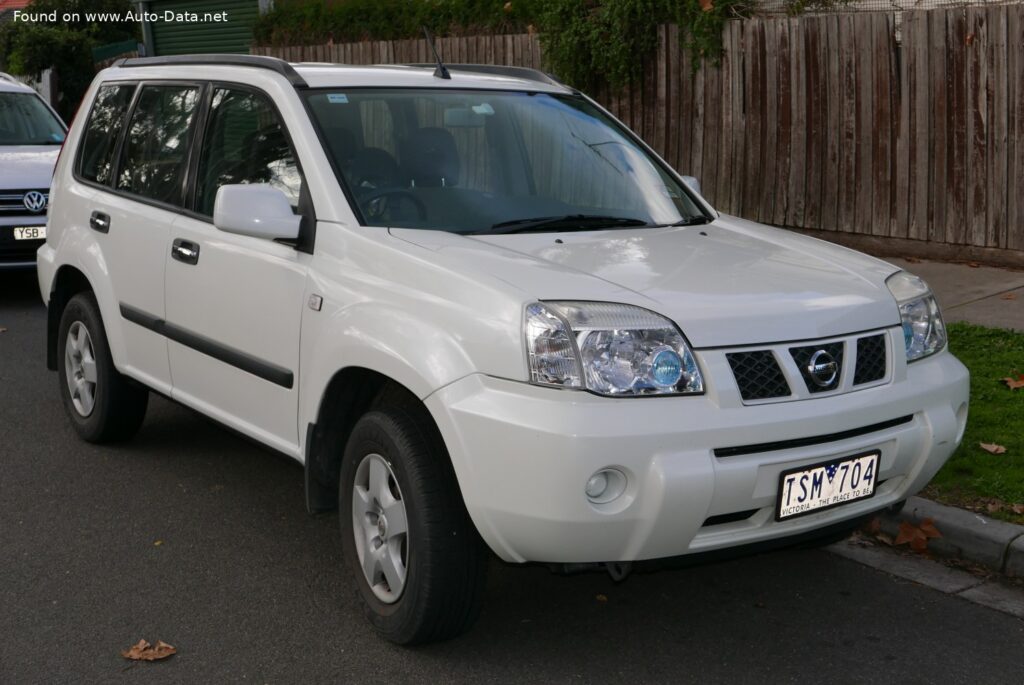
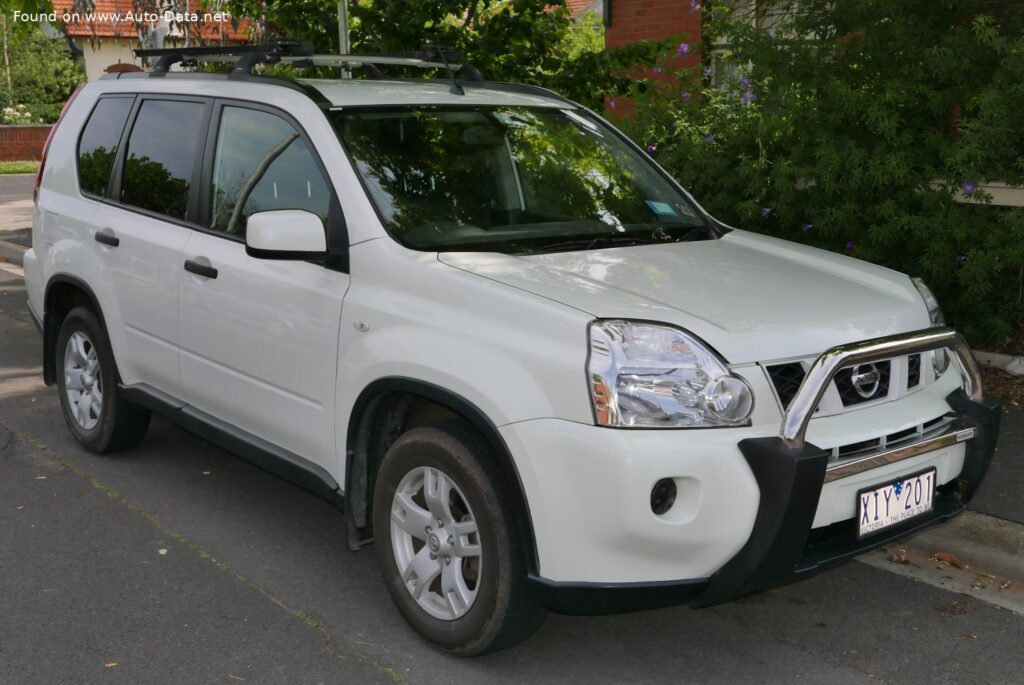
The Nissan X-Trail III (T32), produced from 2016 to 2017, represents the third generation of Nissan’s popular compact SUV. Positioned as a family-focused vehicle, the X-Trail T32 aimed to provide a blend of practicality, comfort, and all-weather capability. While not initially sold in the United States, the X-Trail is a significant model in Europe, Asia, and other international markets, competing with vehicles like the Kia Sportage, Hyundai Tucson, and Volkswagen Tiguan. This generation marked a substantial evolution in design and technology compared to its predecessors, offering improved fuel efficiency and a more refined driving experience.
Nissan X-Trail III (T32) 2.0 dCi: An Overview
The T32 generation X-Trail was a key model for Nissan, embodying the company’s commitment to crossover SUVs. It built upon the success of previous X-Trail models, offering a more sophisticated and versatile package. The 2.0 dCi variant, equipped with a turbocharged diesel engine, was a popular choice in European markets due to its balance of performance and fuel economy. The X-Trail’s focus remained on providing a practical and comfortable vehicle for families, with a spacious interior and a range of features designed to enhance everyday usability.
Engine & Performance
The heart of the X-Trail III (T32) 2.0 dCi is a 1995cc inline-four cylinder diesel engine, designated the M9R. This engine produces 177 horsepower at 3750 rpm and 380 Nm (280.27 lb.-ft.) of torque at 2000 rpm. The engine utilizes a diesel commonrail fuel injection system and a turbocharger with an intercooler to optimize performance and efficiency. Power is delivered to all four wheels via a six-speed manual transmission, providing a responsive and engaging driving experience. Acceleration from 0 to 100 km/h (0-62 mph) takes 9.4 seconds, while 0-60 mph is achieved in 8.9 seconds. The vehicle boasts a maximum speed of 204 km/h (126.76 mph). The engine’s power-to-weight ratio is 8.7 kg/Hp, and the torque-to-weight ratio is 4.1 kg/Nm, contributing to its respectable performance.
Design & Features
The Nissan X-Trail III (T32) features a modern and robust SUV design. Its body style is a five-door SUV with seating for five passengers. The exterior design incorporates Nissan’s then-current design language, with a prominent V-motion grille and sculpted body lines. Inside, the X-Trail offers a spacious and comfortable cabin with a focus on practicality. Key features include a generous trunk space ranging from 550 liters (19.42 cu. ft.) with the rear seats up to 1982 liters (69.99 cu. ft.) with the seats folded down. Safety features, crucial for a family vehicle, include ABS (Anti-lock Braking System) and a robust chassis designed for occupant protection. The vehicle’s dimensions are 4640 mm (182.68 in.) in length, 1820 mm (71.65 in.) in width, and 1715 mm (67.52 in.) in height. Ground clearance is a respectable 210 mm (8.27 in.), enhancing its off-road capability. The X-Trail also offers a maximum roof load of 100 kg (220.46 lbs.) and a permitted trailer load of up to 2000 kg (4409.25 lbs) with brakes.
Technical Specifications
| Brand | Nissan |
| Model | X-Trail |
| Generation | X-Trail III (T32) |
| Type (Engine) | 2.0 dCi (177 Hp) 4×4 |
| Start of production | 2016 |
| End of production | 2017 |
| Powertrain Architecture | Internal Combustion engine |
| Body type | SUV |
| Seats | 5 |
| Doors | 5 |
| Fuel consumption (urban) | 6.3-6.7 l/100 km (37.3 – 35.1 US mpg) |
| Fuel consumption (extra urban) | 5.3-5.2 l/100 km (44.4 – 45.2 US mpg) |
| Fuel consumption (combined) | 5.6-5.8 l/100 km (42 – 40.6 US mpg) |
| CO2 emissions | 149-153 g/km |
| Fuel Type | Diesel |
| Acceleration 0 – 100 km/h | 9.4 sec |
| Acceleration 0 – 62 mph | 9.4 sec |
| Acceleration 0 – 60 mph | 8.9 sec |
| Maximum speed | 204 km/h (126.76 mph) |
| Emission standard | Euro 6 |
| Weight-to-power ratio | 8.7 kg/Hp |
| Weight-to-torque ratio | 4.1 kg/Nm |
| Power | 177 Hp @ 3750 rpm |
| Torque | 380 Nm @ 2000 rpm (280.27 lb.-ft. @ 2000 rpm) |
| Engine layout | Front, Transverse |
| Engine Model/Code | M9R |
| Engine displacement | 1995 cm3 (121.74 cu. in.) |
| Number of cylinders | 4 |
| Engine configuration | Inline |
| Cylinder Bore | 84 mm (3.31 in.) |
| Piston Stroke | 90 mm (3.54 in.) |
| Number of valves per cylinder | 4 |
| Fuel injection system | Diesel Commonrail |
| Engine aspiration | Turbocharger, Intercooler |
| Valvetrain | DOHC |
| Engine oil capacity | 7.4 l (7.82 US qt | 6.51 UK qt) |
| Coolant | 7.7 l (8.14 US qt | 6.78 UK qt) |
| Kerb Weight | 1540-1600 kg (3395.12 – 3527.4 lbs.) |
| Max. weight | 2190 kg (4828.12 lbs.) |
| Max load | 590-650 kg (1300.73 – 1433 lbs.) |
| Trunk (boot) space – minimum | 550 l (19.42 cu. ft.) |
| Trunk (boot) space – maximum | 1982 l (69.99 cu. ft.) |
| Fuel tank capacity | 60 l (15.85 US gal | 13.2 UK gal) |
| Max. roof load | 100 kg (220.46 lbs.) |
| Permitted trailer load with brakes (12%) | 2000 kg (4409.25 lbs.) |
| Permitted trailer load without brakes | 750 kg (1653.47 lbs.) |
| Permitted towbar download | 100 kg (220.46 lbs.) |
| Length | 4640 mm (182.68 in.) |
| Width | 1820 mm (71.65 in.) |
| Height | 1715 mm (67.52 in.) |
| Wheelbase | 2705 mm (106.5 in.) |
| Front track | 1575-1585 mm (62.01 – 62.4 in.) |
| Rear (Back) track | 1575-1585 mm (62.01 – 62.4 in.) |
| Ride height (ground clearance) | 210 mm (8.27 in.) |
| Minimum turning circle (turning diameter) | 11.2 m (36.75 ft.) |
| Drivetrain Architecture | All wheel drive (4×4). ICE drives front wheels, rear wheels engaged via clutch. |
| Number of gears and type of gearbox | 6 gears, manual transmission |
| Front suspension | Independent type McPherson |
| Rear suspension | Independent multi-link suspension |
| Front brakes | Ventilated discs |
| Rear brakes | Disc |
| Tires size | 225/65 R17; 225/55 R19 |
| Wheel rims size | 7.0J x 17; 7.0J x 19 |