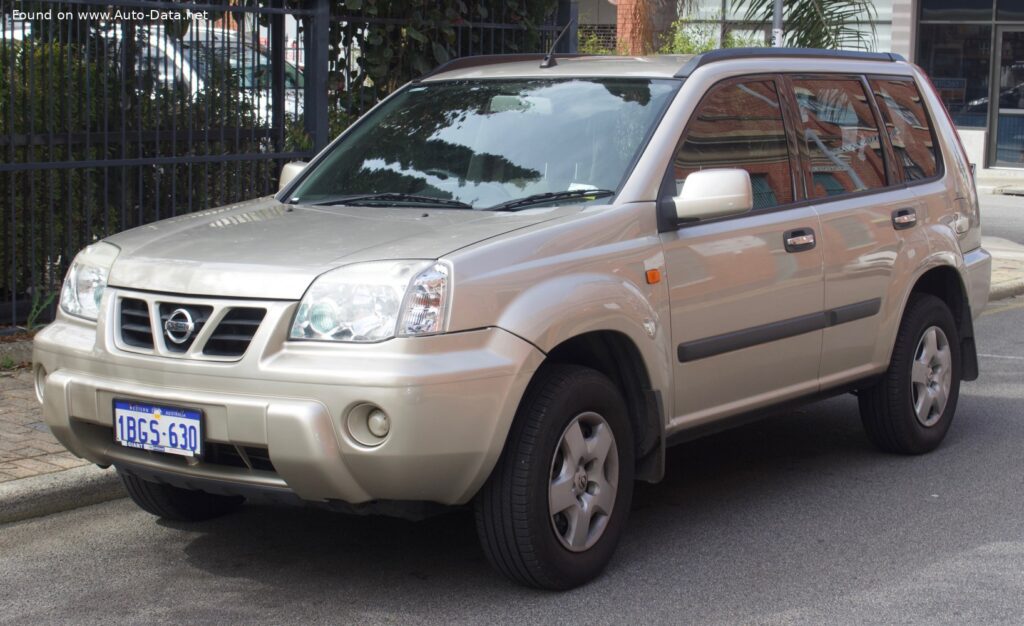
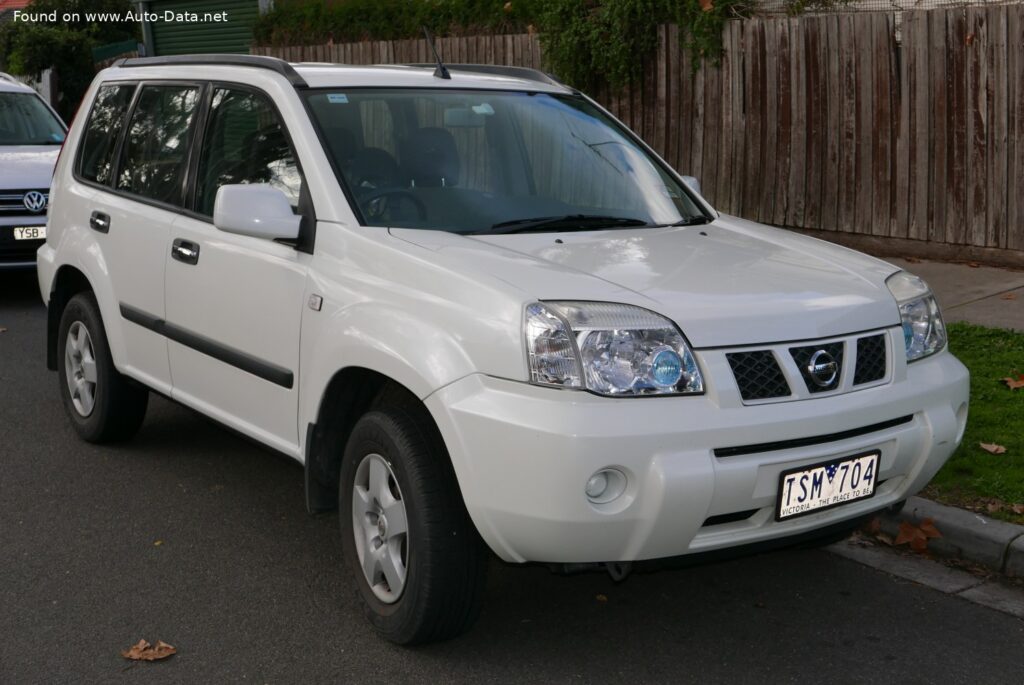
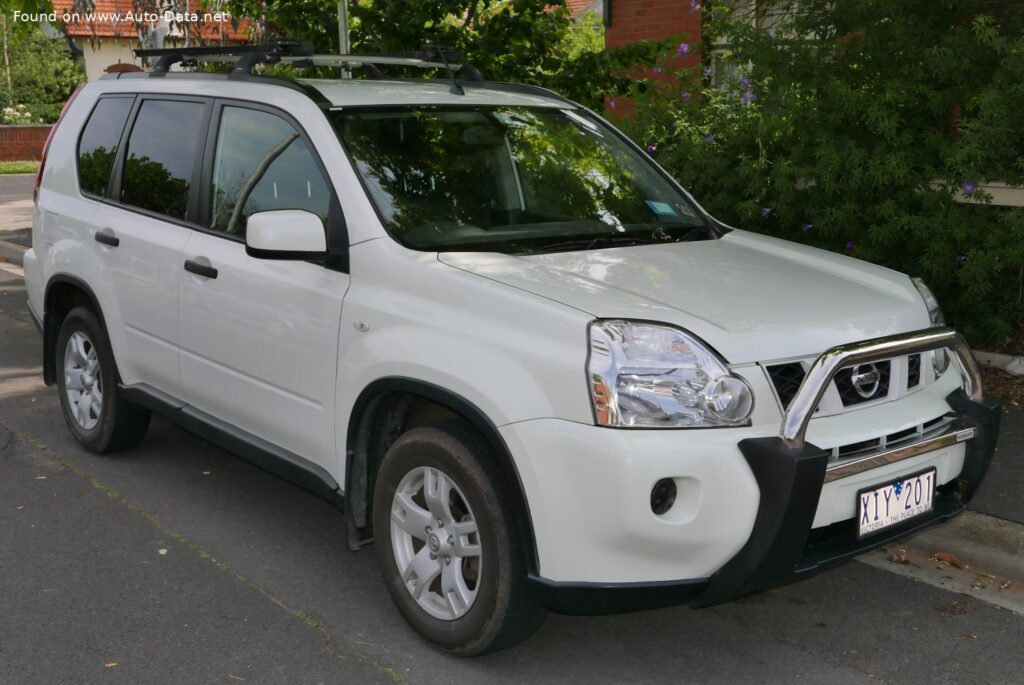
The Nissan X-Trail III (T32), produced from 2016 to 2017, represents the third generation of Nissan’s popular compact SUV. Designed primarily for the European market, the X-Trail T32 offered a blend of practicality, technology, and all-wheel-drive capability. It competed with vehicles like the Kia Sportage, Hyundai Tucson, and Volkswagen Tiguan, offering a compelling alternative with its focus on fuel efficiency and spaciousness. This generation marked a significant step forward in terms of refinement and features compared to its predecessors, aiming to appeal to families and drivers seeking a versatile vehicle for both urban and rural environments.
Nissan X-Trail III (T32) 2.0 dCi: An Overview
The 2.0 dCi variant, equipped with a 177 horsepower diesel engine and Xtronic continuously variable transmission (CVT), was a key offering within the T32 lineup. This configuration prioritized fuel economy and smooth driving experience, making it a popular choice for long-distance travel. The X-Trail’s all-wheel-drive system provided enhanced traction and stability in various weather conditions, further broadening its appeal. The T32 generation also introduced updated styling and a more modern interior, solidifying the X-Trail’s position as a competitive player in the compact SUV segment.
Engine & Performance
The heart of the X-Trail III (T32) 2.0 dCi is a 1995cc inline-four cylinder diesel engine, designated the M9R. This engine produces 177 horsepower at 3750 rpm and a substantial 380 Nm (280.27 lb.-ft.) of torque at 2000 rpm. The use of a turbocharger and intercooler contributes to both power output and efficiency. Power delivery is managed through Nissan’s Xtronic CVT, offering seamless acceleration and optimized fuel consumption. Acceleration from 0 to 100 km/h (0-62 mph) takes approximately 10 seconds, while the 0-60 mph sprint is achieved in 9.5 seconds. The vehicle boasts a maximum speed of 196 km/h (121.79 mph). The engine meets Euro 6 emission standards, reflecting Nissan’s commitment to reducing environmental impact. The weight-to-power ratio is 9 kg/Hp, and the weight-to-torque ratio is 4.2 kg/Nm, indicating a good balance between power and vehicle mass.
Design & Features
The Nissan X-Trail III (T32) features a contemporary SUV design with a focus on practicality and aesthetics. Its five-door body style and five-seat configuration provide ample space for passengers and cargo. The exterior design incorporates Nissan’s signature design cues, including the V-motion grille and distinctive headlights. Inside, the X-Trail offers a comfortable and well-equipped cabin with a focus on user-friendliness. Key features include a spacious trunk with a minimum capacity of 550 liters (19.42 cu. ft.) expanding to 1982 liters (69.99 cu. ft.) with the rear seats folded down. Safety features, typical for its time, include ABS (Anti-lock Braking System) and a robust chassis designed for occupant protection. The vehicle’s ride height of 210 mm (8.27 in.) provides good ground clearance for navigating varied terrain. Approach, departure, and ramp-over angles of 18°, 27°, and 20° respectively, further enhance its off-road capability. The X-Trail also offers a maximum roof load capacity of 100 kg (220.46 lbs.) and a permitted trailer load of up to 1650 kg (3637.63 lbs) with brakes.
Technical Specifications
| Brand | Nissan |
| Model | X-Trail |
| Generation | X-Trail III (T32) |
| Type (Engine) | 2.0 dCi (177 Hp) 4×4 Xtronic |
| Start of production | 2016 |
| End of production | 2017 |
| Powertrain Architecture | Internal Combustion engine |
| Body type | SUV |
| Seats | 5 |
| Doors | 5 |
| Fuel consumption (urban) | 6.6-6.7 l/100 km (35.6 – 35.1 US mpg) |
| Fuel consumption (extra urban) | 5.6-5.8 l/100 km (42 – 40.6 US mpg) |
| Fuel consumption (combined) | 6.0-6.1 l/100 km (39.2 – 38.6 US mpg) |
| CO2 emissions | 158-162 g/km |
| Fuel Type | Diesel |
| Acceleration 0 – 100 km/h | 10 sec |
| Acceleration 0 – 62 mph | 10 sec |
| Acceleration 0 – 60 mph | 9.5 sec |
| Maximum speed | 196 km/h (121.79 mph) |
| Emission standard | Euro 6 |
| Weight-to-power ratio | 9 kg/Hp |
| Weight-to-torque ratio | 4.2 kg/Nm |
| Power | 177 Hp @ 3750 rpm |
| Torque | 380 Nm @ 2000 rpm (280.27 lb.-ft. @ 2000 rpm) |
| Engine layout | Front, Transverse |
| Engine Model/Code | M9R |
| Engine displacement | 1995 cm3 (121.74 cu. in.) |
| Number of cylinders | 4 |
| Engine configuration | Inline |
| Cylinder Bore | 84 mm (3.31 in.) |
| Piston Stroke | 90 mm (3.54 in.) |
| Number of valves per cylinder | 4 |
| Fuel injection system | Diesel Commonrail |
| Engine aspiration | Turbocharger, Intercooler |
| Valvetrain | DOHC |
| Engine oil capacity | 7.4 l (7.82 US qt | 6.51 UK qt) |
| Coolant | 7.9 l (8.35 US qt | 6.95 UK qt) |
| Kerb Weight | 1590 kg (3505.35 lbs.) |
| Max. weight | 2240 kg (4938.35 lbs.) |
| Max load | 650 kg (1433 lbs.) |
| Trunk (boot) space – minimum | 550 l (19.42 cu. ft.) |
| Trunk (boot) space – maximum | 1982 l (69.99 cu. ft.) |
| Fuel tank capacity | 60 l (15.85 US gal | 13.2 UK gal) |
| Max. roof load | 100 kg (220.46 lbs.) |
| Permitted trailer load with brakes (12%) | 1650 kg (3637.63 lbs.) |
| Permitted trailer load without brakes | 750 kg (1653.47 lbs.) |
| Permitted towbar download | 75 kg (165.35 lbs.) |
| Length | 4640 mm (182.68 in.) |
| Width | 1820 mm (71.65 in.) |
| Height | 1715 mm (67.52 in.) |
| Wheelbase | 2705 mm (106.5 in.) |
| Front track | 1575-1585 mm (62.01 – 62.4 in.) |
| Rear (Back) track | 1575-1585 mm (62.01 – 62.4 in.) |
| Ride height (ground clearance) | 210 mm (8.27 in.) |
| Minimum turning circle (turning diameter) | 11.2 m (36.75 ft.) |
| Drivetrain Architecture | All wheel drive (4×4). ICE drives front wheels, rear wheels engaged via clutch. |
| Number of gears and type of gearbox | automatic transmission Xtronic |
The Nissan X-Trail III (T32) 2.0 dCi 4×4 Xtronic offered a compelling package for buyers seeking a practical, efficient, and capable compact SUV. Its blend of diesel power, all-wheel-drive capability, and spacious interior made it a popular choice in the European market.