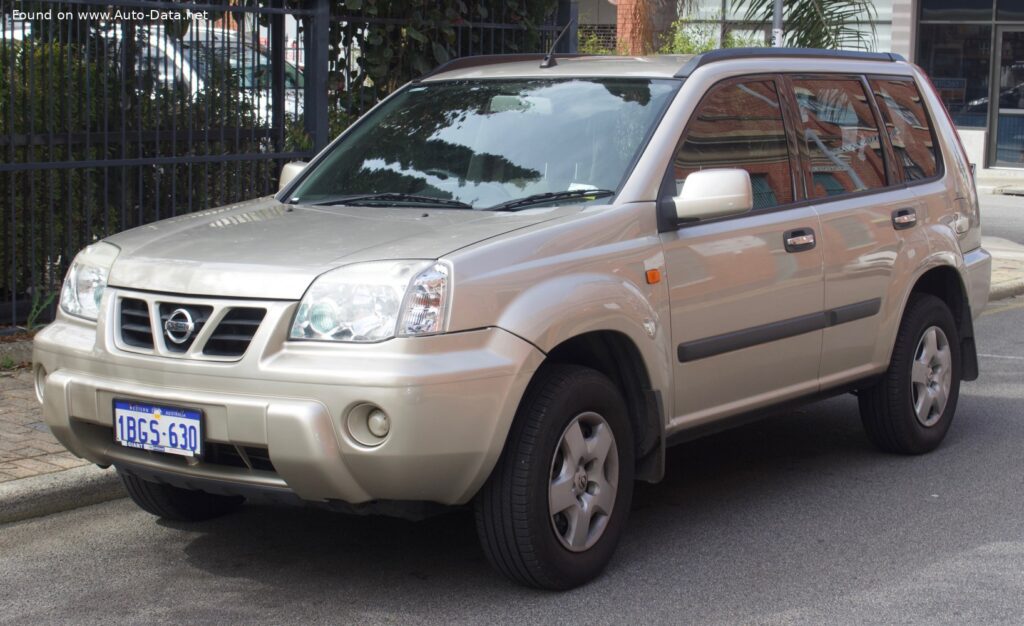
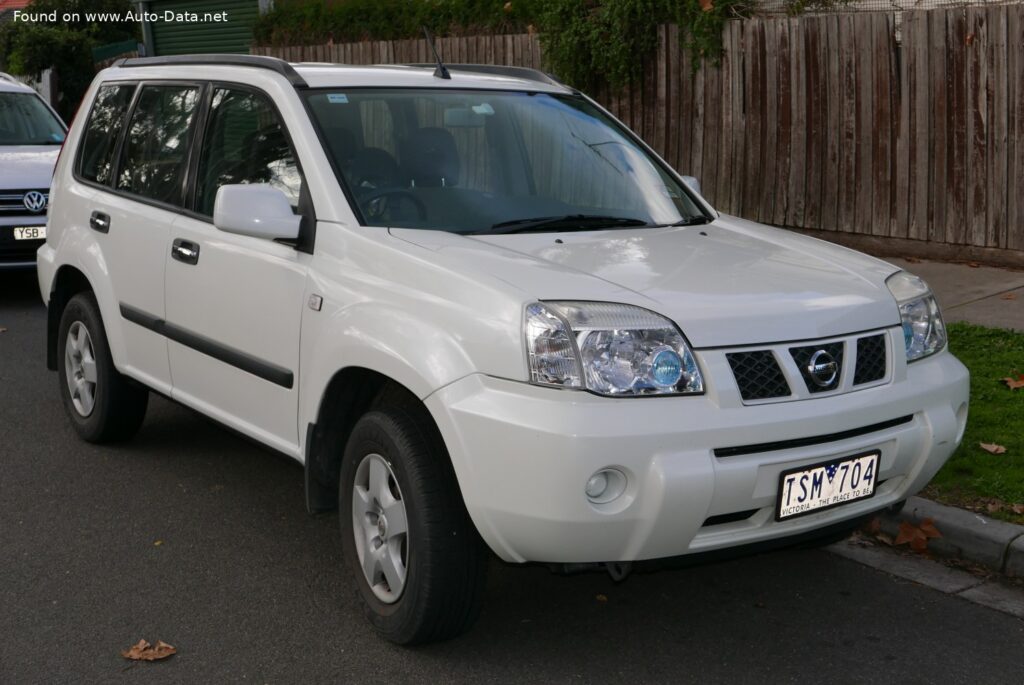
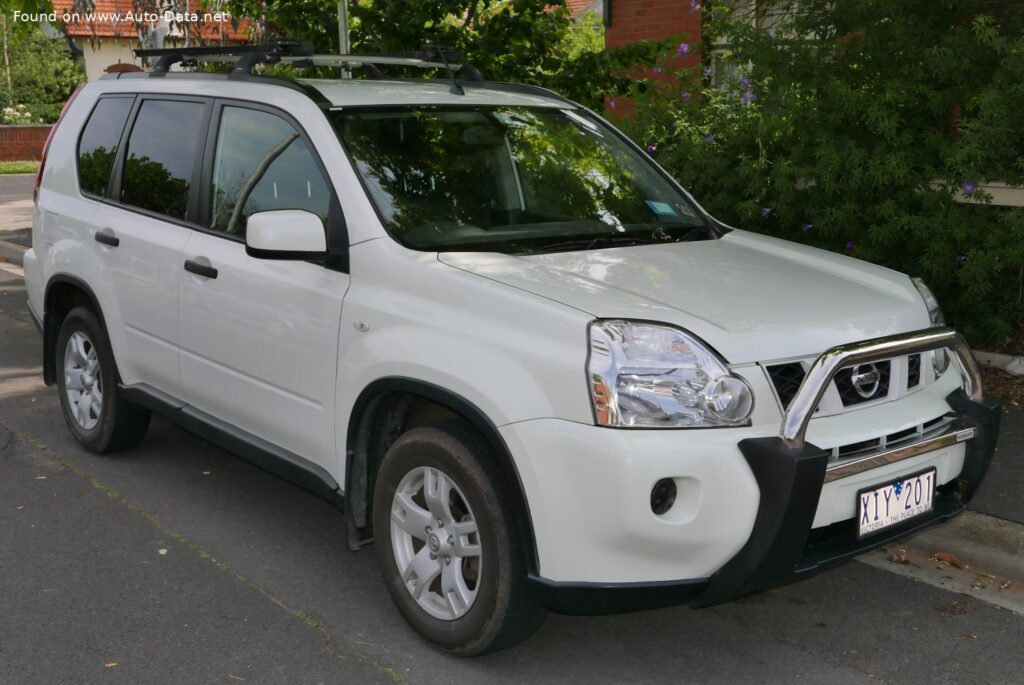
The Nissan X-Trail III (T32), produced between 2014 and 2017, represents the third generation of Nissan’s popular compact SUV. Designed primarily for the European and Asian markets, the X-Trail T32 offered a blend of practicality, fuel efficiency, and available all-wheel drive, making it a competitive choice in the crowded crossover segment. While not directly sold in the United States during this generation, it’s a significant model in understanding Nissan’s global SUV strategy. The 2.0i variant, equipped with a 144 horsepower engine, was a common offering, balancing performance with reasonable running costs.
Nissan X-Trail III (T32) 2.0i: An Overview
The T32 generation X-Trail marked a significant evolution in design and technology compared to its predecessors. It moved away from the more utilitarian aesthetic of earlier models towards a more contemporary and refined appearance. The 2.0i model specifically targeted buyers seeking a versatile family vehicle with a focus on everyday usability. It offered a five-seat configuration and a practical cargo area, making it well-suited for both urban commuting and weekend adventures. The X-Trail’s appeal lay in its combination of SUV capability with the fuel economy expected of a smaller vehicle.
Engine & Performance
The heart of the X-Trail III 2.0i is the MR20DD 2.0-liter inline-four cylinder gasoline engine. This naturally aspirated engine produces 144 horsepower at 6000 rpm and 200 Nm (147.51 lb.-ft.) of torque at 4400 rpm. While not a performance-oriented engine, it provides adequate power for typical driving conditions. The engine features direct fuel injection, contributing to improved fuel efficiency and reduced emissions. The power-to-weight ratio of 10.4 kg/Hp and torque-to-weight ratio of 7.5 kg/Nm reflect the vehicle’s balanced characteristics. Acceleration from 0 to 100 km/h (0-62 mph) takes 11.1 seconds, and 0-60 mph is achieved in approximately 10.5 seconds. The X-Trail 2.0i has a maximum speed of 183 km/h (113.71 mph). The engine is paired with a 6-speed manual transmission, delivering power to the front wheels in this configuration. Fuel economy is rated at 8.3 l/100 km (28.3 US mpg) combined, with 11.2 l/100 km (21 US mpg) in urban settings and 6.6 l/100 km (35.6 US mpg) on the extra-urban cycle. CO2 emissions are rated at 197 g/km, meeting Euro 4 emission standards.
Design & Features
The Nissan X-Trail III (T32) is a five-door SUV with a practical and functional design. Its exterior styling features a prominent front grille, sculpted headlights, and a robust overall appearance. The vehicle’s dimensions are 4640 mm (182.68 in) in length, 1820 mm (71.65 in) in width, and 1710 mm (67.32 in) in height, with a wheelbase of 2705 mm (106.5 in). The interior is designed with family use in mind, offering comfortable seating for five passengers. The trunk (boot) space is a generous 550 liters (19.42 cu. ft.) with the rear seats up, expanding to 1405 liters (49.62 cu. ft.) when the seats are folded down. Standard features included ABS (Anti-lock Braking System), ventilated disc brakes on all wheels, electric power steering, and a McPherson strut front suspension paired with an independent multi-link rear suspension. The X-Trail also boasts a ride height of 209 mm (8.23 in), providing good ground clearance for navigating varied terrain. A drag coefficient of 0.35 contributes to aerodynamic efficiency. The vehicle’s turning circle is 11.2 meters (36.75 ft).
Technical Specifications
| Brand | Nissan |
| Model | X-Trail |
| Generation | X-Trail III (T32) |
| Type (Engine) | 2.0i (144 Hp) |
| Start of production | 2014 |
| End of production | 2017 |
| Powertrain Architecture | Internal Combustion engine |
| Body type | SUV |
| Seats | 5 |
| Doors | 5 |
| Fuel consumption (urban) | 11.2 l/100 km (21 US mpg) |
| Fuel consumption (extra urban) | 6.6 l/100 km (35.6 US mpg) |
| Fuel consumption (combined) | 8.3 l/100 km (28.3 US mpg) |
| CO2 emissions | 197 g/km |
| Fuel Type | Petrol (Gasoline) |
| Acceleration 0 – 100 km/h | 11.1 sec |
| Acceleration 0 – 62 mph | 11.1 sec |
| Acceleration 0 – 60 mph | 10.5 sec |
| Maximum speed | 183 km/h (113.71 mph) |
| Emission standard | Euro 4 |
| Weight-to-power ratio | 10.4 kg/Hp |
| Weight-to-torque ratio | 7.5 kg/Nm |
| Power | 144 Hp @ 6000 rpm |
| Torque | 200 Nm @ 4400 rpm (147.51 lb.-ft. @ 4400 rpm) |
| Engine layout | Front, Transverse |
| Engine Model/Code | MR20DD |
| Engine displacement | 1997 cm3 (121.86 cu. in.) |
| Number of cylinders | 4 |
| Engine configuration | Inline |
| Number of valves per cylinder | 4 |
| Fuel injection system | Direct injection |
| Engine oil capacity | 3.8 l (4.02 US qt | 3.34 UK qt) |
| Coolant capacity | 7.2 l (7.61 US qt | 6.34 UK qt) |
| Kerb Weight | 1491 kg (3287.09 lbs.) |
| Max. weight | 1930 kg (4254.92 lbs.) |
| Max load | 439 kg (967.83 lbs.) |
| Trunk (boot) space – minimum | 550 l (19.42 cu. ft.) |
| Trunk (boot) space – maximum | 1405 l (49.62 cu. ft.) |
| Fuel tank capacity | 60 l (15.85 US gal | 13.2 UK gal) |
| Max. roof load | 100 kg (220.46 lbs.) |
| Permitted trailer load with brakes (12%) | 1500 kg (3306.93 lbs.) |
| Permitted trailer load without brakes | 750 kg (1653.47 lbs.) |
| Length | 4640 mm (182.68 in.) |
| Width | 1820 mm (71.65 in.) |
| Height | 1710 mm (67.32 in.) |
| Wheelbase | 2705 mm (106.5 in.) |
| Front track | 1575 mm (62.01 in.) |
| Rear track | 1575 mm (62.01 in.) |
| Ride height (ground clearance) | 209 mm (8.23 in.) |
| Drag coefficient (Cd) | 0.35 |
| Minimum turning circle | 11.2 m (36.75 ft.) |
| Drivetrain | Front wheel drive |
| Number of gears | 6 |
| Gearbox type | Manual transmission |
| Front suspension | Independent, McPherson with coil spring and anti-roll bar |
| Rear suspension | Independent multi-link with stabilizer |
| Front brakes | Ventilated discs |
| Rear brakes | Ventilated discs |
| Tire size | 225/65 R17 |
| Wheel rims size | 17 |
The Nissan X-Trail III (T32) 2.0i offered a compelling package for buyers seeking a practical and efficient compact SUV. While not a high-performance vehicle, its reliability, spacious interior, and reasonable running costs made it a popular choice in its target markets.