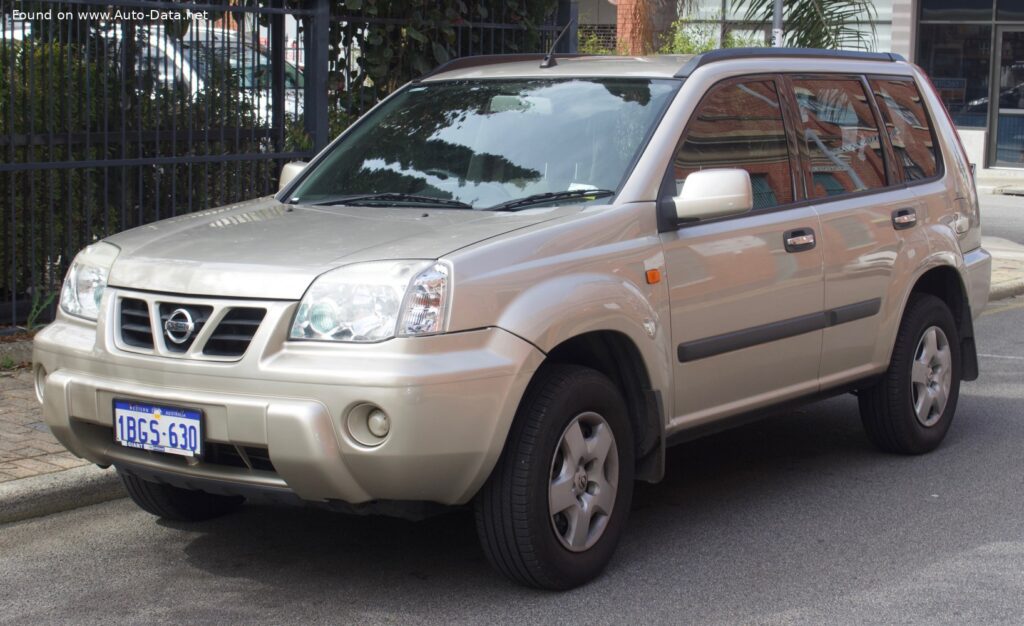
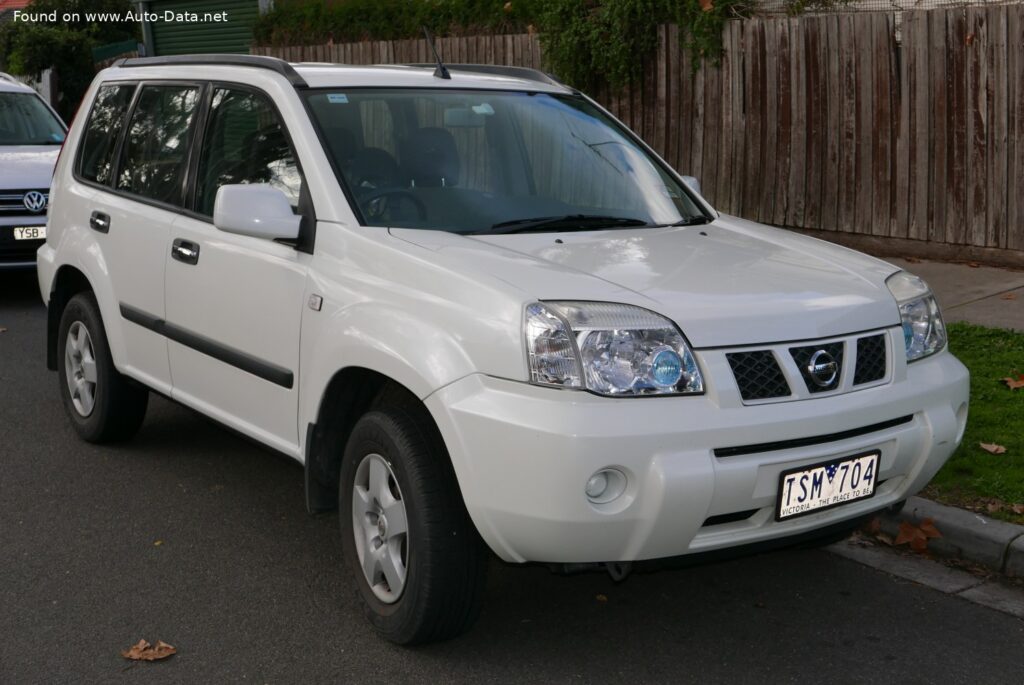
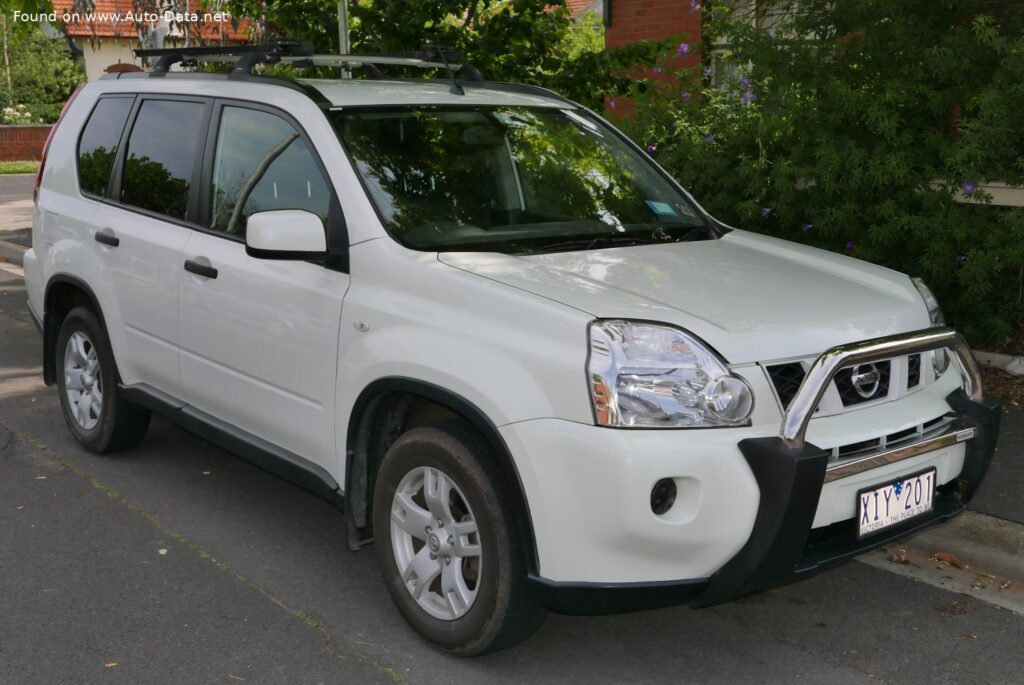
The Nissan X-Trail III (T32), produced from 2014 to 2017, represents the third generation of Nissan’s popular compact SUV. Positioned as a family-focused vehicle, the T32 X-Trail offered a compelling blend of practicality, space, and affordability. While not initially sold in the United States, the X-Trail is a significant model in Europe, Asia, and other global markets, competing with vehicles like the Honda CR-V, Toyota RAV4, and Hyundai Tucson. The 2.0i variant, equipped with a 144 horsepower engine and offering seven-seat configuration, was a popular choice for families needing extra passenger capacity.
Nissan X-Trail III (T32) 2.0i: Overview
The T32 generation marked a substantial evolution for the X-Trail, moving away from the more rugged, body-on-frame construction of its predecessors to a more comfortable and refined unibody platform. This shift aimed to broaden the X-Trail’s appeal, attracting buyers seeking a versatile SUV for everyday use. The 2.0i model specifically targeted buyers looking for a balance between fuel efficiency and adequate performance for daily commuting and family trips. The availability of a seven-seat option further enhanced its practicality, making it a viable alternative to larger, more expensive SUVs.
Engine & Performance
The Nissan X-Trail III (T32) 2.0i is powered by the MR20DD 2.0-liter inline-four cylinder gasoline engine. This naturally aspirated engine produces 144 horsepower at 6000 rpm and 200 Nm (147.51 lb.-ft.) of torque at 4400 rpm. The engine features direct fuel injection, contributing to improved fuel economy and responsiveness. Power is delivered to the front wheels via a six-speed manual transmission. Acceleration from 0 to 100 km/h (0-62 mph) takes 11.1 seconds, while 0 to 60 mph is achieved in approximately 10.5 seconds. The vehicle has a maximum speed of 183 km/h (113.71 mph). The engine’s power-to-weight ratio is 10.7 kg/Hp, and the torque-to-weight ratio is 7.7 kg/Nm. While not a performance-oriented vehicle, the 2.0i engine provides sufficient power for typical driving conditions and offers reasonable fuel economy.
Design & Features
The X-Trail III (T32) features a contemporary SUV design, characterized by its rounded edges, prominent wheel arches, and a relatively high ride height of 209 mm (8.23 in). The vehicle’s dimensions are 4640 mm (182.68 in) in length, 1820 mm (71.65 in) in width, and 1710 mm (67.32 in) in height, with a wheelbase of 2705 mm (106.5 in). The five-door body style and optional seven-seat configuration provide ample space for passengers and cargo. The interior is designed with practicality in mind, featuring durable materials and a user-friendly layout. Key features include ABS (Anti-lock braking system), ventilated disc brakes on all wheels, electric power steering, and a comfortable suspension system – independent McPherson struts at the front and an independent multi-link setup at the rear. The trunk offers a minimum of 135 liters (4.77 cu. ft.) of space with all seats in use, expanding to a substantial 1310 liters (46.26 cu. ft.) with the rear seats folded down. The X-Trail also boasts a fuel tank capacity of 60 liters (15.85 US gal).
Technical Specifications
| Brand | Nissan |
| Model | X-Trail |
| Generation | X-Trail III (T32) |
| Type (Engine) | 2.0i (144 Hp) 7 Seat |
| Start of production | 2014 |
| End of production | 2017 |
| Powertrain Architecture | Internal Combustion engine |
| Body type | SUV |
| Seats | 7 |
| Doors | 5 |
| Fuel consumption (urban) | 11.2 l/100 km (21 US mpg, 25.2 UK mpg, 8.9 km/l) |
| Fuel consumption (extra urban) | 6.6 l/100 km (35.6 US mpg, 42.8 UK mpg, 15.2 km/l) |
| Fuel consumption (combined) | 8.3 l/100 km (28.3 US mpg, 34 UK mpg, 12 km/l) |
| CO2 emissions | 197 g/km |
| Fuel Type | Petrol (Gasoline) |
| Acceleration 0 – 100 km/h | 11.1 sec |
| Acceleration 0 – 62 mph | 11.1 sec |
| Acceleration 0 – 60 mph | 10.5 sec |
| Maximum speed | 183 km/h (113.71 mph) |
| Emission standard | Euro 4 |
| Weight-to-power ratio | 10.7 kg/Hp |
| Weight-to-torque ratio | 7.7 kg/Nm |
| Power | 144 Hp @ 6000 rpm |
| Torque | 200 Nm @ 4400 rpm (147.51 lb.-ft. @ 4400 rpm) |
| Engine layout | Front, Transverse |
| Engine Model/Code | MR20DD |
| Engine displacement | 1997 cm3 (121.86 cu. in.) |
| Number of cylinders | 4 |
| Engine configuration | Inline |
| Number of valves per cylinder | 4 |
| Fuel injection system | Direct injection |
| Engine oil capacity | 3.8 l (4.02 US qt | 3.34 UK qt) |
| Coolant capacity | 7.2 l (7.61 US qt | 6.34 UK qt) |
| Kerb Weight | 1539 kg (3392.91 lbs.) |
| Max. weight | 2130 kg (4695.85 lbs.) |
| Max load | 591 kg (1302.93 lbs.) |
| Trunk (boot) space – minimum | 135 l (4.77 cu. ft.) |
| Trunk (boot) space – maximum | 1310 l (46.26 cu. ft.) |
| Fuel tank capacity | 60 l (15.85 US gal | 13.2 UK gal) |
| Max. roof load | 100 kg (220.46 lbs.) |
| Permitted trailer load with brakes (12%) | 1500 kg (3306.93 lbs.) |
| Permitted trailer load without brakes | 750 kg (1653.47 lbs.) |
| Length | 4640 mm (182.68 in.) |
| Width | 1820 mm (71.65 in.) |
| Height | 1710 mm (67.32 in.) |
| Wheelbase | 2705 mm (106.5 in.) |
| Front track | 1575 mm (62.01 in.) |
| Rear track | 1575 mm (62.01 in.) |
| Front overhang | 940 mm (37.01 in.) |
| Rear overhang | 995 mm (39.17 in.) |
| Ride height (ground clearance) | 209 mm (8.23 in.) |
| Drag coefficient (Cd) | 0.35 |
| Minimum turning circle | 11.2 m (36.75 ft.) |
| Approach angle | 17.2° |
| Departure angle | 25° |
| Ramp-over angle | 18.8° |
| Drivetrain | Front wheel drive |
| Number of gears | 6 |
| Gearbox type | Manual transmission |
| Front suspension | Independent, McPherson with coil spring and anti-roll bar |
| Rear suspension | Independent multi-link with stabilizer |
| Front brakes | Ventilated discs |
| Rear brakes | Ventilated discs |
| Tires size | 225/65 R17 |
| Wheel rims size | 17 |
The Nissan X-Trail III (T32) 2.0i offered a practical and versatile option for families seeking a comfortable and reliable SUV. Its blend of space, affordability, and reasonable fuel economy made it a popular choice in its target markets.