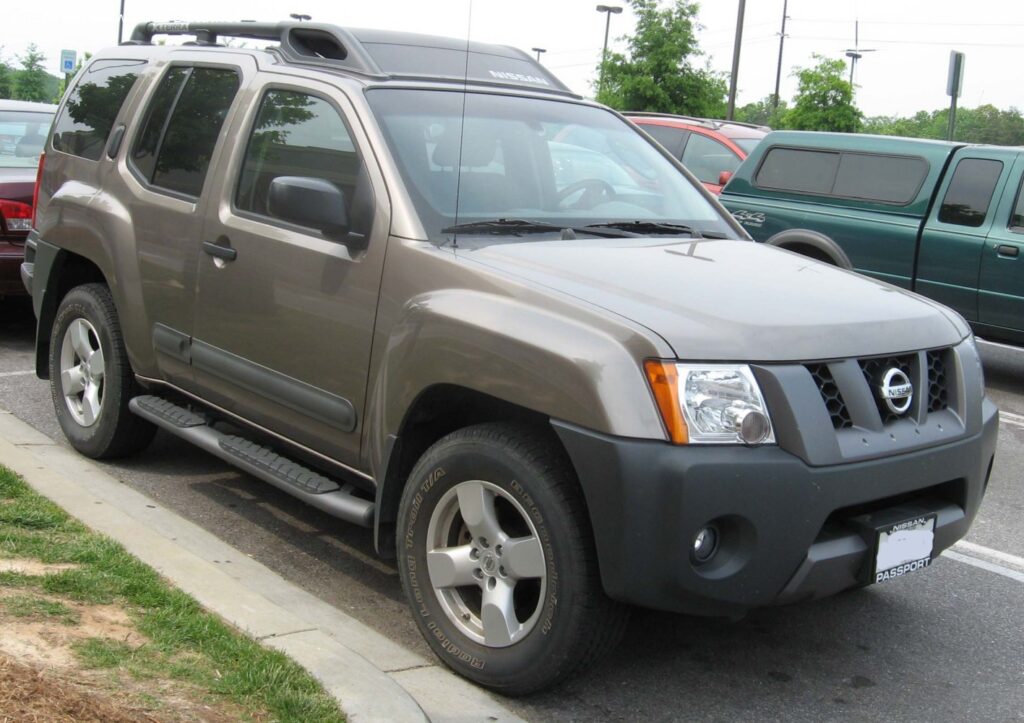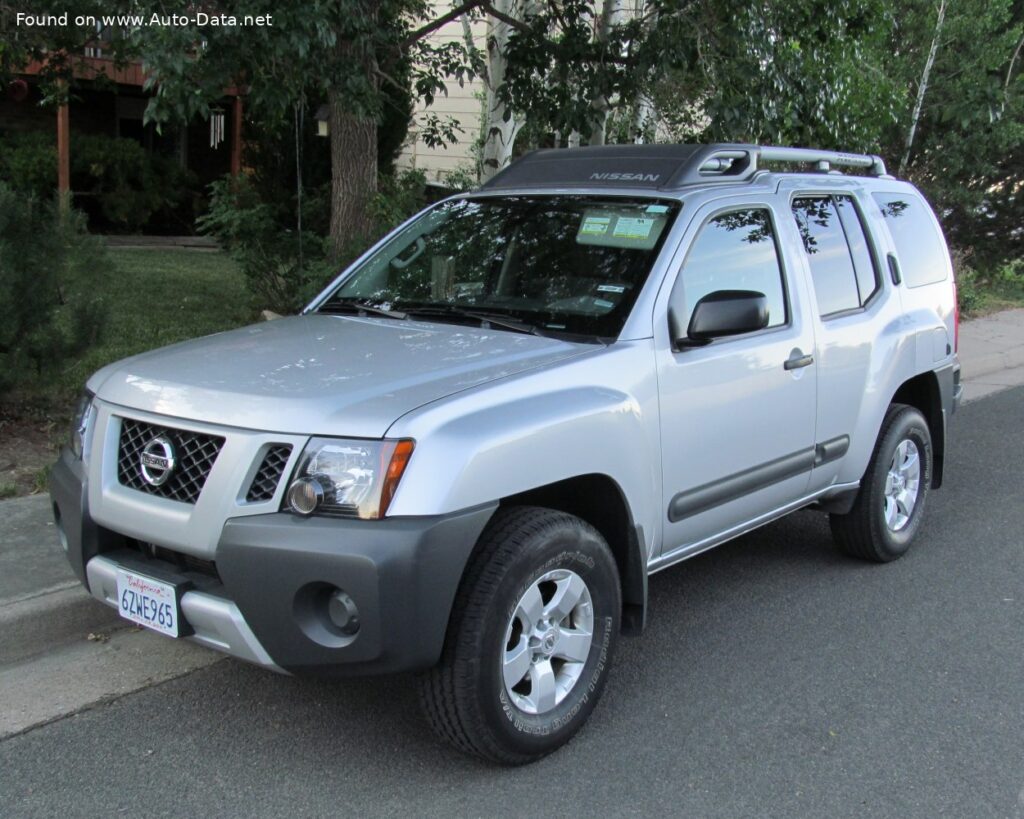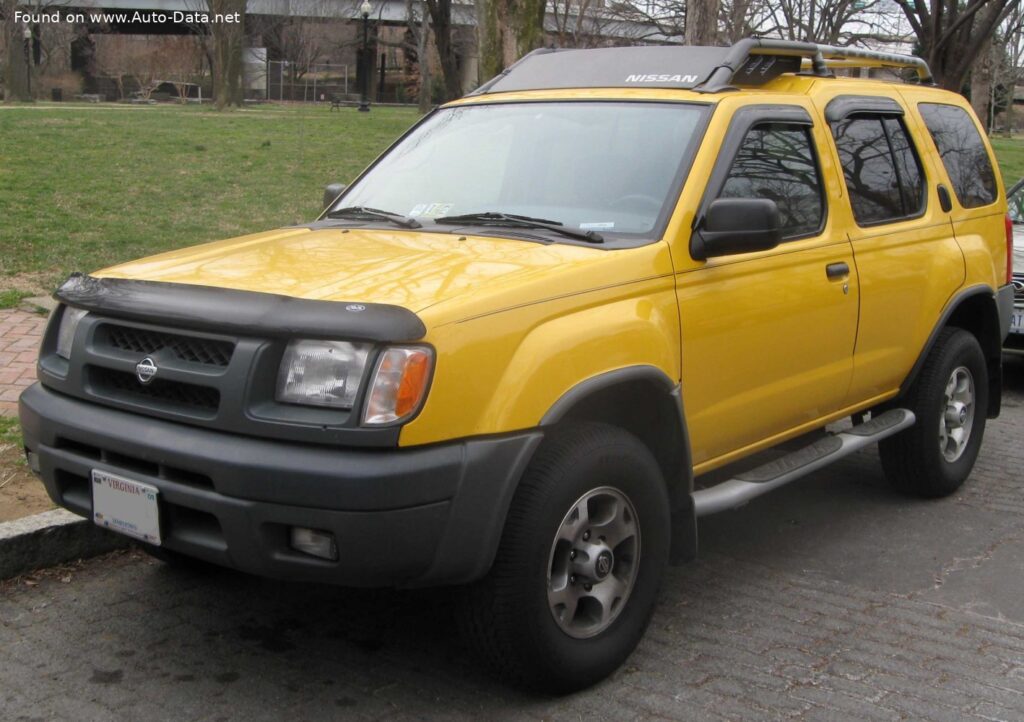
The Nissan Xterra I 2.4 i 16V (145 Hp) 2WD, produced from 2000 to 2001, represents Nissan’s initial foray into the mid-size SUV market. While not widely sold in North America during its brief production run, the Xterra was primarily aimed at the European and Asian markets, offering a rugged, body-on-frame SUV alternative. It served as a more affordable and utilitarian option compared to established competitors, focusing on practicality and off-road capability within its segment. This model is significant as the first generation of a vehicle that would later gain a strong following for its robust construction and adventurous spirit.
Nissan Xterra I: Overview and Market Positioning
The Xterra I was designed to appeal to buyers seeking a versatile vehicle capable of both daily commuting and weekend adventures. Its body-on-frame construction, a hallmark of traditional SUVs, provided durability and a higher towing capacity. The 2.4-liter engine, while not exceptionally powerful, offered a balance of fuel efficiency and adequate performance for its intended use. The rear-wheel-drive configuration of this specific variant was common in many international markets, prioritizing simplicity and cost-effectiveness. The Xterra I filled a niche for those needing a capable SUV without the expense or complexity of more luxurious or technologically advanced models.
Engine & Performance
Powering the Nissan Xterra I 2.4 i 16V 2WD is the KA24DE inline-four cylinder engine, displacing 2.4 liters (2389 cm3 or 145.79 cu. in.). This naturally aspirated engine produces 145 horsepower at 5200 rpm and 309 Nm (227.91 lb.-ft.) of torque at 4000 rpm. The engine features a multi-port fuel injection system and an overhead camshaft (OHC) valvetrain with four valves per cylinder. The power-to-weight ratio is 11.2 kg/Hp, translating to 89.5 Hp/tonne, while the torque-to-weight ratio is 5.2 kg/Nm, or 190.7 Nm/tonne. The engine’s longitudinal front-mount layout contributes to a balanced weight distribution. The Xterra I achieves a maximum speed of 165 km/h (102.53 mph). Fuel economy is rated at 12.4 l/100 km (19 US mpg, 22.8 UK mpg, 8.1 km/l) in urban driving and 9.8 l/100 km (24 US mpg, 28.8 UK mpg, 10.2 km/l) in extra-urban conditions. Power is delivered to the rear wheels through a 5-speed manual transmission.
Design & Features
The Nissan Xterra I is a five-door SUV with seating for five passengers. Its design is characterized by a boxy, utilitarian aesthetic typical of SUVs from the early 2000s. The body-on-frame construction provides a robust feel and contributes to its off-road capability. The interior is functional and focused on practicality, with durable materials designed to withstand regular use. Key features include ventilated front disc brakes and drum brakes in the rear, complemented by an Anti-lock Braking System (ABS) for enhanced safety. The steering system utilizes a hydraulic rack and pinion setup for precise control. The Xterra I offers a generous amount of cargo space, ranging from 1260 liters (44.5 cu. ft.) with the rear seats up to 1857 liters (65.58 cu. ft.) with the rear seats folded down. The vehicle rides on 235/70 R15 tires, providing a balance of on-road comfort and off-road traction.
Technical Specifications
| Brand | Nissan |
| Model | Xterra |
| Generation | Xterra I |
| Type (Engine) | 2.4 i 16V (145 Hp) 2WD |
| Start of production | 2000 |
| End of production | 2001 |
| Powertrain Architecture | Internal Combustion engine |
| Body type | SUV |
| Seats | 5 |
| Doors | 5 |
| Fuel consumption (urban) | 12.4 l/100 km (19 US mpg, 22.8 UK mpg) |
| Fuel consumption (extra urban) | 9.8 l/100 km (24 US mpg, 28.8 UK mpg) |
| Fuel Type | Petrol (Gasoline) |
| Maximum speed | 165 km/h (102.53 mph) |
| Weight-to-power ratio | 11.2 kg/Hp |
| Power | 145 Hp @ 5200 rpm |
| Torque | 309 Nm @ 4000 rpm (227.91 lb.-ft. @ 4000 rpm) |
| Engine layout | Front, Longitudinal |
| Engine Model/Code | KA24DE |
| Engine displacement | 2389 cm3 (145.79 cu. in.) |
| Number of cylinders | 4 |
| Engine configuration | Inline |
| Cylinder Bore | 89 mm (3.5 in.) |
| Piston Stroke | 96 mm (3.78 in.) |
| Compression ratio | 9.2:1 |
| Number of valves per cylinder | 4 |
| Fuel injection system | Multi-port manifold injection |
| Engine aspiration | Naturally aspirated |
| Valvetrain | OHC |
| Engine oil capacity | 3.5 l (3.7 US qt | 3.08 UK qt) |
| Coolant capacity | 7.3 l (7.71 US qt | 6.42 UK qt) |
| Kerb Weight | 1620 kg (3571.49 lbs.) |
| Trunk (boot) space (min) | 1260 l (44.5 cu. ft.) |
| Trunk (boot) space (max) | 1857 l (65.58 cu. ft.) |
| Fuel tank capacity | 60 l (15.85 US gal | 13.2 UK gal) |
| Length | 4522 mm (178.03 in.) |
| Width | 1788 mm (70.39 in.) |
| Height | 1763 mm (69.41 in.) |
| Wheelbase | 2650 mm (104.33 in.) |
| Front track | 1524 mm (60 in.) |
| Rear track | 1506 mm (59.29 in.) |
| Drivetrain | Rear wheel drive |
| Number of gears | 5 |
| Gearbox type | Manual transmission |
| Front suspension | Double wishbone |
| Rear suspension | Leaf spring |
| Front brakes | Ventilated discs |
| Rear brakes | Drum |
| Assisting systems | ABS (Anti-lock braking system) |
| Steering type | Steering rack and pinion |
| Power steering | Hydraulic |
| Tires size | 235/70 R15 |
The Nissan Xterra I 2.4 i 16V 2WD, despite its short production run, laid the foundation for a successful SUV lineage. It offered a practical and affordable option for buyers seeking a rugged vehicle capable of handling both on-road and off-road challenges, particularly in markets where rear-wheel-drive SUVs were prevalent.