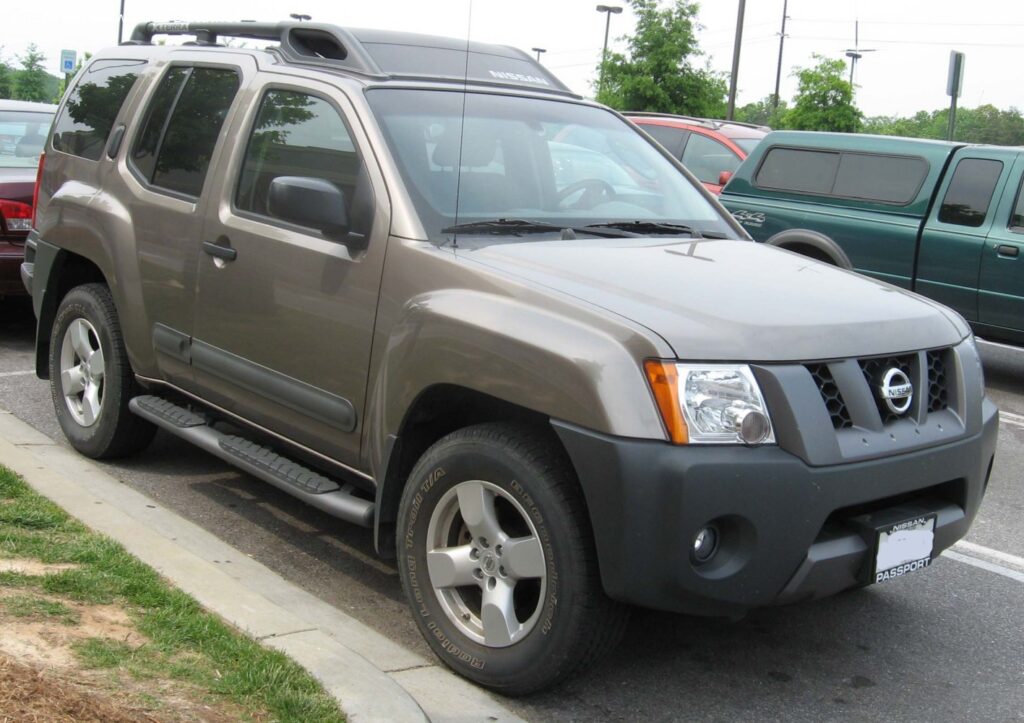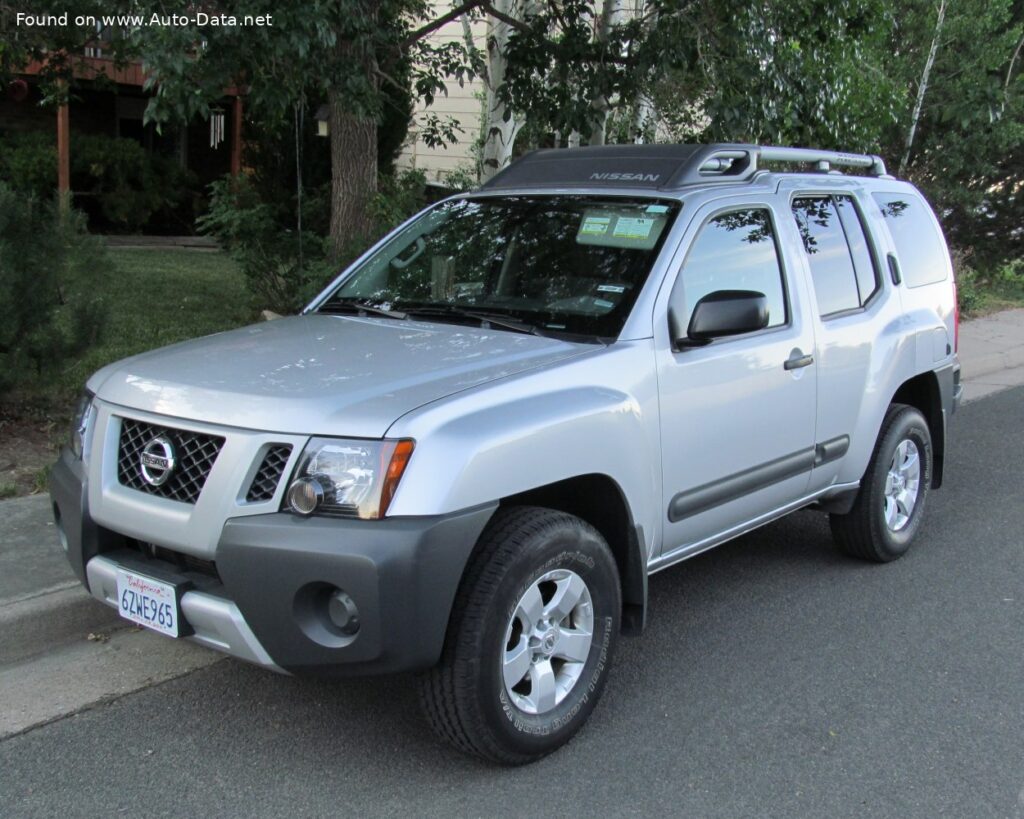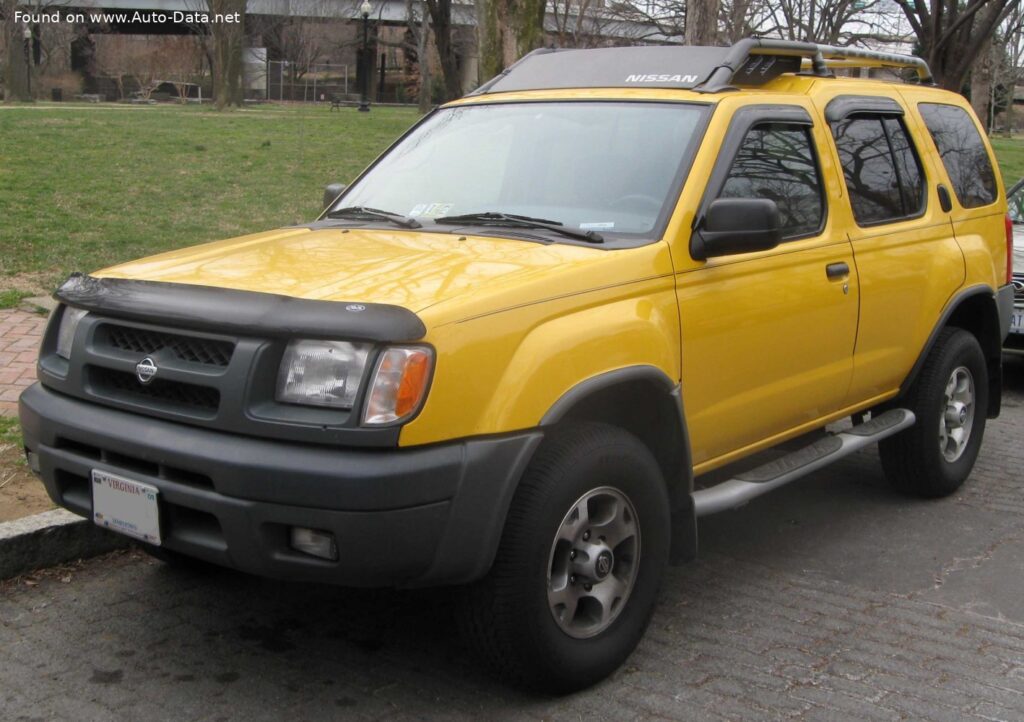
The Nissan Xterra, specifically the first generation (Xterra I) produced between 2000 and 2001, represented Nissan’s entry into the burgeoning mid-size SUV market. Designed primarily for North America, the Xterra aimed to provide a rugged, body-on-frame SUV with off-road capability at a competitive price point. It quickly gained popularity among outdoor enthusiasts and families seeking a versatile vehicle. While not initially sold in Europe or Asia, the Xterra filled a niche for buyers desiring a more utilitarian and adventurous SUV compared to the increasingly car-based crossovers emerging at the time. The Xterra I was a direct response to the success of the Jeep Cherokee and Toyota 4Runner, offering a similar blend of practicality and off-road prowess.
Nissan Xterra I: A Detailed Overview
The Xterra I distinguished itself with its robust construction and straightforward design. It was built on a modified Nissan Frontier pickup truck chassis, providing a strong foundation for both on-road comfort and off-road durability. The vehicle’s styling was intentionally rugged, reflecting its intended use. The first generation Xterra was only produced for two model years before undergoing a significant redesign, making these early models particularly sought after by collectors and enthusiasts.
Engine & Performance
The primary engine offered in the 2000-2001 Nissan Xterra I was the VG33E 3.3-liter V6 engine. This naturally aspirated engine produced 170 horsepower at 4800 rpm and 271 Nm (199.88 lb.-ft.) of torque at 2800 rpm. While not a powerhouse by modern standards, the VG33E provided adequate power for everyday driving and moderate off-road excursions. The engine featured a multi-port fuel injection system and an overhead camshaft (OHC) valvetrain. The engine’s longitudinal front-engine layout contributed to a balanced weight distribution. The Xterra I was equipped with a 4-speed automatic transmission, channeling power to all four wheels via a 4×4 drivetrain. This combination resulted in a 0 to 60 mph time of around 9.5 seconds and a top speed of 192 km/h (119.3 mph). The weight-to-power ratio of 10.5 kg/Hp and a weight-to-torque ratio of 6.6 kg/Nm indicated a reasonably efficient powertrain for its time. Fuel economy was rated at 14.7 l/100 km (16 US mpg) in urban conditions and 13 l/100 km (18.1 US mpg) on the highway.
Design & Features
The Nissan Xterra I was a five-door SUV with seating for five passengers. Its body-on-frame construction provided a sturdy and durable platform. The exterior design was characterized by its boxy shape, prominent fender flares, and a relatively high ground clearance. These features contributed to its rugged appearance and off-road capability. Inside, the Xterra I offered a functional and utilitarian interior. While not luxurious, it provided comfortable seating and ample cargo space. The rear seats could be folded down to expand the cargo area from a minimum of 1260 liters (44.5 cu. ft.) to a maximum of 1857 liters (65.58 cu. ft.). Standard safety features for the time included an Anti-lock Braking System (ABS) and hydraulic power steering. The Xterra’s suspension consisted of a double wishbone setup in the front and a leaf spring configuration in the rear, providing a balance between ride comfort and off-road performance. The vehicle rode on 15-inch wheels with 235/70 R15 tires.
Technical Specifications
| Brand | Nissan |
| Model | Xterra |
| Generation | Xterra I |
| Type (Engine) | 3.3 i V6 (170 Hp) 4WD Automatic |
| Start of production | 2000 |
| End of production | 2001 |
| Powertrain Architecture | Internal Combustion engine |
| Body type | SUV |
| Seats | 5 |
| Doors | 5 |
| Fuel consumption (urban) | 14.7 l/100 km (16 US mpg, 19.2 UK mpg) |
| Fuel consumption (extra urban) | 13 l/100 km (18.1 US mpg, 21.7 UK mpg) |
| Fuel Type | Petrol (Gasoline) |
| Maximum speed | 192 km/h (119.3 mph) |
| Weight-to-power ratio | 10.5 kg/Hp |
| Weight-to-torque ratio | 6.6 kg/Nm |
| Power | 170 Hp @ 4800 rpm |
| Torque | 271 Nm @ 2800 rpm (199.88 lb.-ft. @ 2800 rpm) |
| Engine layout | Front, Longitudinal |
| Engine Model/Code | VG33E |
| Engine displacement | 3275 cm3 (199.85 cu. in.) |
| Number of cylinders | 6 |
| Engine configuration | V-engine |
| Cylinder Bore | 91.5 mm (3.6 in.) |
| Piston Stroke | 83 mm (3.27 in.) |
| Compression ratio | 8.9:1 |
| Number of valves per cylinder | 2 |
| Fuel injection system | Multi-port manifold injection |
| Engine aspiration | Naturally aspirated engine |
| Valvetrain | OHC |
| Engine oil capacity | 3.3 l (3.49 US qt | 2.9 UK qt) |
| Coolant capacity | 10.95 l (11.57 US qt | 9.63 UK qt) |
| Kerb Weight | 1780 kg (3924.23 lbs.) |
| Trunk (boot) space – minimum | 1260 l (44.5 cu. ft.) |
| Trunk (boot) space – maximum | 1857 l (65.58 cu. ft.) |
| Fuel tank capacity | 73 l (19.28 US gal | 16.06 UK gal) |
| Length | 4520 mm (177.95 in.) |
| Width | 1790 mm (70.47 in.) |
| Height | 1860 mm (73.23 in.) |
| Wheelbase | 2650 mm (104.33 in.) |
| Front track | 1525 mm (60.04 in.) |
| Rear (Back) track | 1505 mm (59.25 in.) |
| Drive wheel | All wheel drive (4×4) |
| Number of gears and type of gearbox | 4 gears, automatic transmission |
| Front suspension | Double wishbone |
| Rear suspension | Leaf spring |
| Front brakes | Ventilated discs |
| Rear brakes | Drum |
| Assisting systems | ABS (Anti-lock braking system) |
| Power steering | Hydraulic Steering |
| Tires size | 235/70 R15 |
| Wheel rims size | 15 |
The Nissan Xterra I, despite its short production run, established a strong foundation for the model line. It offered a compelling combination of affordability, durability, and off-road capability, making it a popular choice for those seeking a rugged and versatile SUV. While later generations would evolve with more refined features and modern technology, the Xterra I remains a significant vehicle in Nissan’s history, representing a commitment to providing practical and adventurous vehicles to the North American market.