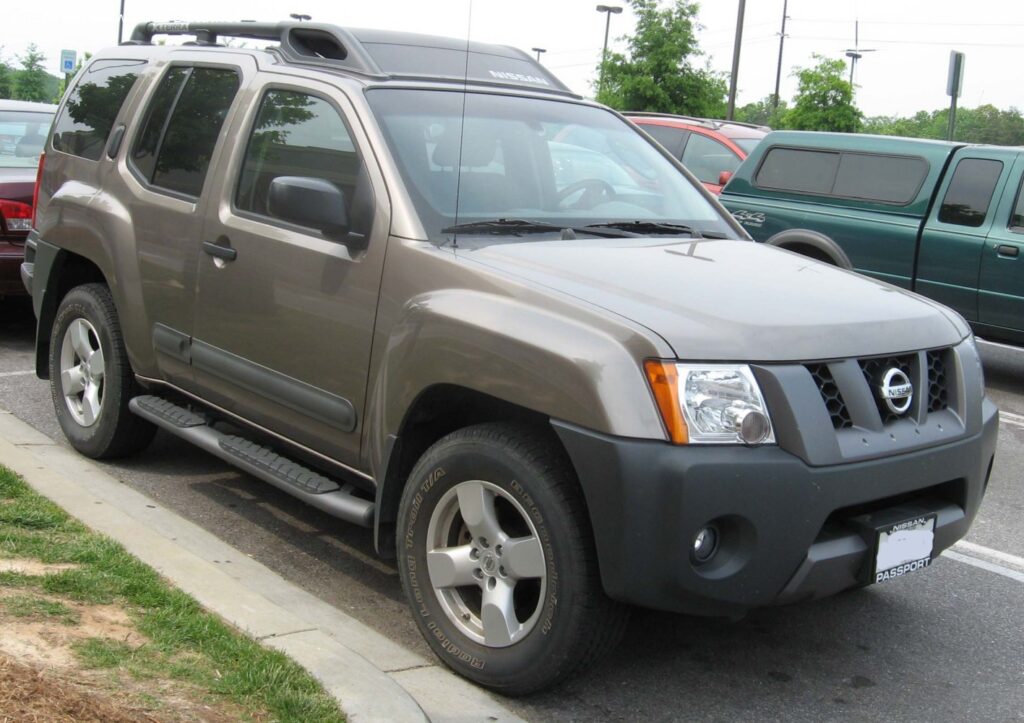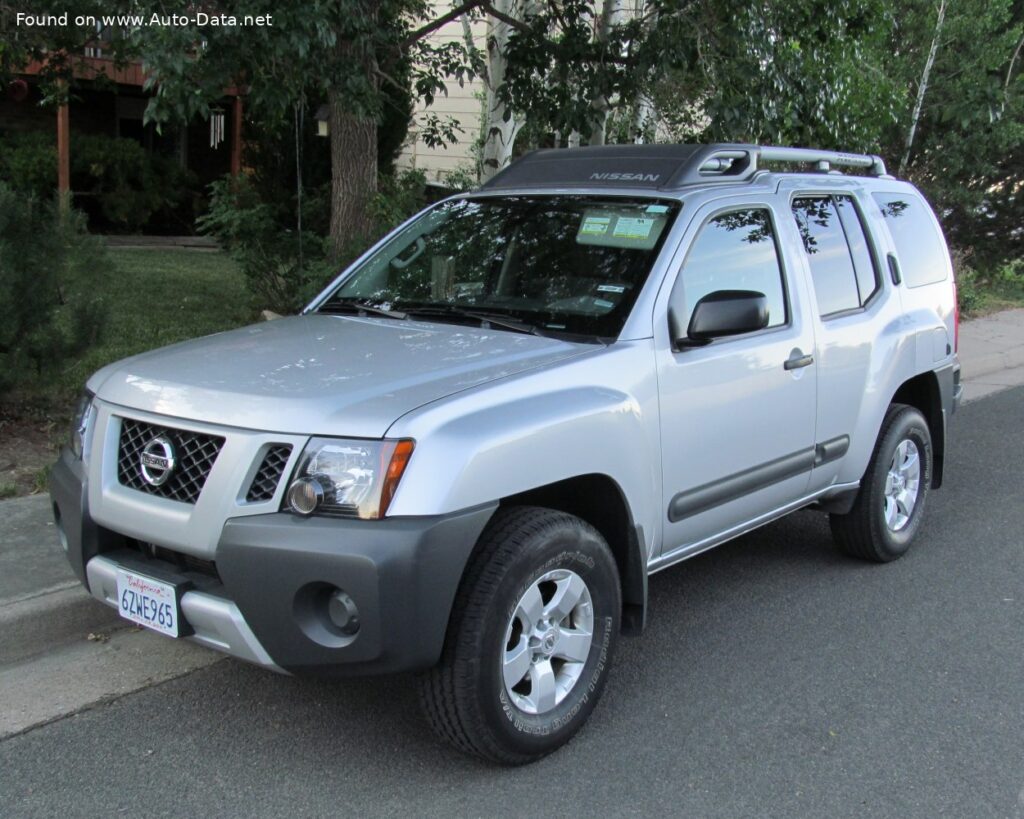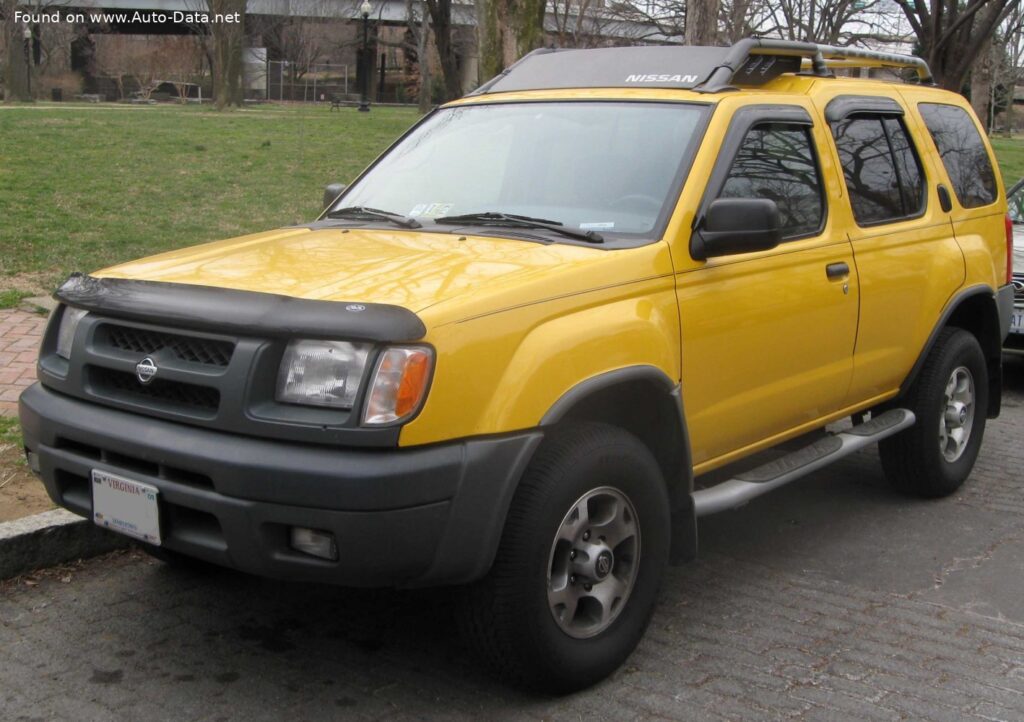
The Nissan Xterra, particularly the first generation (2002-2004) model, represented Nissan’s entry into the burgeoning mid-size SUV market in North America. Designed as a rugged, body-on-frame vehicle, the Xterra aimed to provide a more affordable and utilitarian alternative to established competitors like the Jeep Cherokee and Toyota 4Runner. While not initially a high-volume seller, the Xterra carved out a niche for itself among buyers seeking a capable off-road vehicle with ample cargo space and a relatively accessible price point. The Xterra I, powered by the 3.3-liter V6 engine, offered a blend of practicality and performance that appealed to outdoor enthusiasts and families alike.
Nissan Xterra I: A Detailed Overview
The first-generation Xterra, produced from 2002 to 2004, was built on the Nissan Frontier pickup truck platform, sharing many of its mechanical components. This foundation provided the Xterra with robust durability and off-road capability. The vehicle was marketed towards active lifestyles, emphasizing its ability to handle both daily commutes and weekend adventures. Unlike many contemporary SUVs that were transitioning to unibody construction, the Xterra retained a traditional body-on-frame design, contributing to its rugged character and towing capacity. It was primarily sold in North America, with limited availability in other markets.
Engine & Performance
The heart of the Nissan Xterra I 3.3i is the VG33E 3.3-liter V6 engine. This naturally aspirated powerplant produces 210 horsepower at 4800 rpm and 313 Nm (230.86 lb.-ft.) of torque at 2800 rpm. The engine features a multi-port fuel injection system and an overhead camshaft (OHC) valvetrain. Power is delivered to all four wheels via a four-speed automatic transmission and a part-time four-wheel-drive system. The drivetrain architecture utilizes a permanent rear-wheel drive setup, with the front wheels engaging as needed through an electrically or mechanically operated clutch. This configuration provides enhanced traction in various conditions. The Xterra I achieves a maximum speed of 210 km/h (130.49 mph). The weight-to-power ratio is 9 kg/Hp, and the weight-to-torque ratio is 6.1 kg/Nm, indicating a reasonable balance between power and weight for its class. The engine’s power-to-litre ratio is 64.1 Hp/l.
Design & Features
The Nissan Xterra I is a five-door SUV with seating for five passengers. Its boxy, utilitarian design prioritizes functionality over sleek aesthetics. The vehicle’s high ground clearance and short overhangs contribute to its off-road prowess. Key design features include a prominent roof rack, large headlights, and a relatively simple interior layout. Inside, the Xterra offers a spacious cabin with ample headroom and legroom. The rear seats can be folded down to create a large cargo area, with a minimum capacity of 1260 liters (44.5 cu. ft.) and a maximum capacity of 1857 liters (65.58 cu. ft.) with the rear seats folded. Safety features for the era included Anti-lock Braking System (ABS) and hydraulic power steering. While not equipped with the advanced safety technologies found in modern vehicles, the Xterra’s robust construction and available ABS provided a reasonable level of protection for its time. The Xterra’s interior was designed for durability and ease of cleaning, reflecting its target audience’s active lifestyles.
Technical Specifications
| Brand | Nissan |
| Model | Xterra |
| Generation | Xterra I |
| Type (Engine) | 3.3 i V6 (210 Hp) 4WD Automatic |
| Start of production | 2002 |
| End of production | 2004 |
| Powertrain Architecture | Internal Combustion engine |
| Body type | SUV |
| Seats | 5 |
| Doors | 5 |
| Fuel consumption (urban) | 15.7 l/100 km (15 US mpg, 18 UK mpg, 6.4 km/l) |
| Fuel consumption (extra urban) | 13.1 l/100 km (18 US mpg, 21.6 UK mpg, 7.6 km/l) |
| Fuel Type | Petrol (Gasoline) |
| Maximum speed | 210 km/h (130.49 mph) |
| Weight-to-power ratio | 9 kg/Hp |
| Weight-to-torque ratio | 6.1 kg/Nm |
| Power | 210 Hp @ 4800 rpm |
| Torque | 313 Nm @ 2800 rpm (230.86 lb.-ft. @ 2800 rpm) |
| Engine layout | Front, Longitudinal |
| Engine Model/Code | VG33E |
| Engine displacement | 3275 cm3 (199.85 cu. in.) |
| Number of cylinders | 6 |
| Engine configuration | V-engine |
| Cylinder Bore | 91.5 mm (3.6 in.) |
| Piston Stroke | 83 mm (3.27 in.) |
| Number of valves per cylinder | 2 |
| Fuel injection system | Multi-port manifold injection |
| Engine oil capacity | 3.3 l (3.49 US qt | 2.9 UK qt) |
| Coolant capacity | 10.95 l (11.57 US qt | 9.63 UK qt) |
| Kerb Weight | 1900 kg (4188.78 lbs.) |
| Trunk (boot) space – minimum | 1260 l (44.5 cu. ft.) |
| Trunk (boot) space – maximum | 1857 l (65.58 cu. ft.) |
| Fuel tank capacity | 73 l (19.28 US gal | 16.06 UK gal) |
| Length | 4520 mm (177.95 in.) |
| Width | 1790 mm (70.47 in.) |
| Height | 1860 mm (73.23 in.) |
| Wheelbase | 2650 mm (104.33 in.) |
| Front track | 1525 mm (60.04 in.) |
| Rear track | 1505 mm (59.25 in.) |
| Drivetrain Architecture | All wheel drive (4×4) |
| Number of gears | 4 |
| Gearbox type | Automatic transmission |
| Front suspension | Double wishbone |
| Rear suspension | Leaf spring |
| Front brakes | Ventilated discs |
| Rear brakes | Drum |
| Assisting systems | ABS (Anti-lock braking system) |
| Power steering | Hydraulic Steering |
| Tires size | 235/70 R15 |
| Wheel rims size | 15 |
The Nissan Xterra I, despite its relatively short production run, established a loyal following and laid the groundwork for subsequent generations. Its combination of rugged capability, spacious interior, and affordable price point made it a compelling choice for buyers seeking a versatile and dependable SUV.