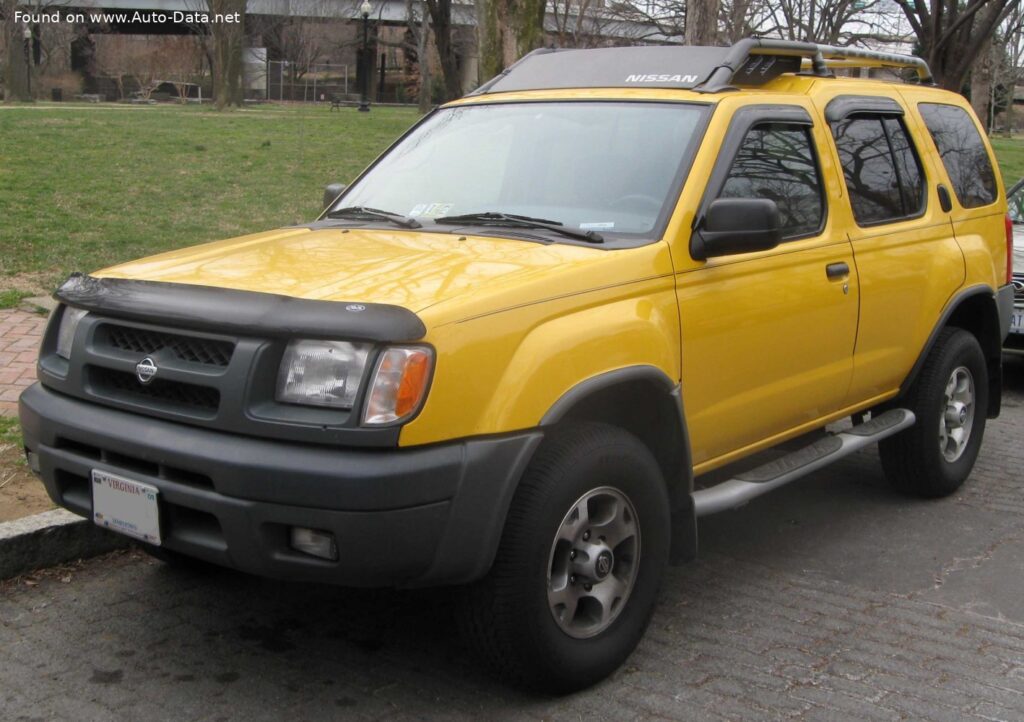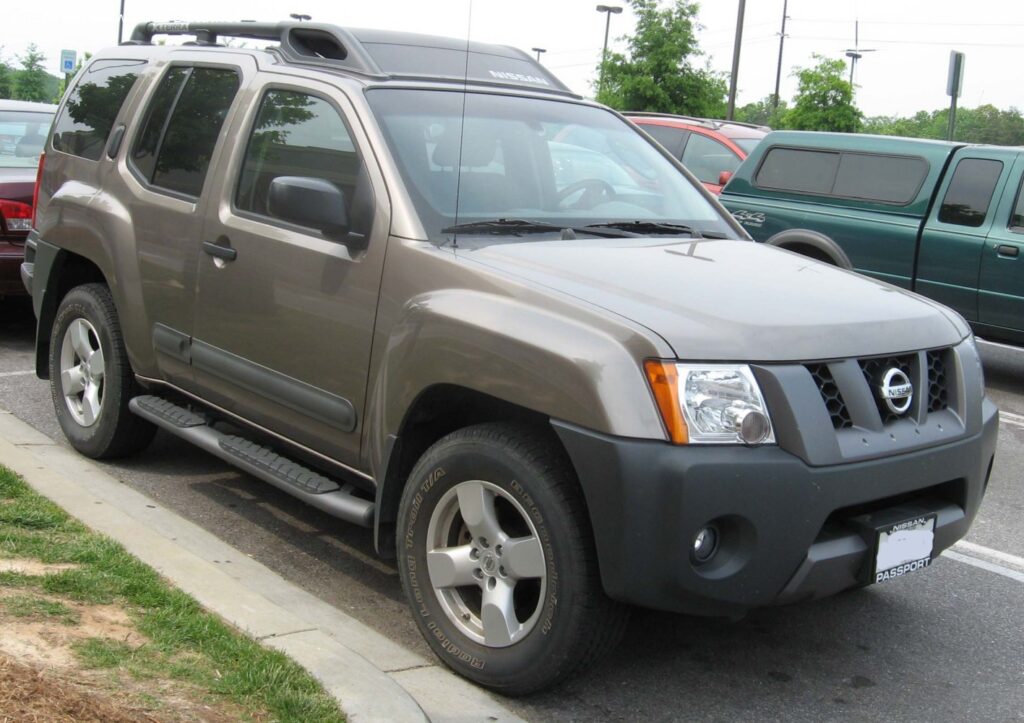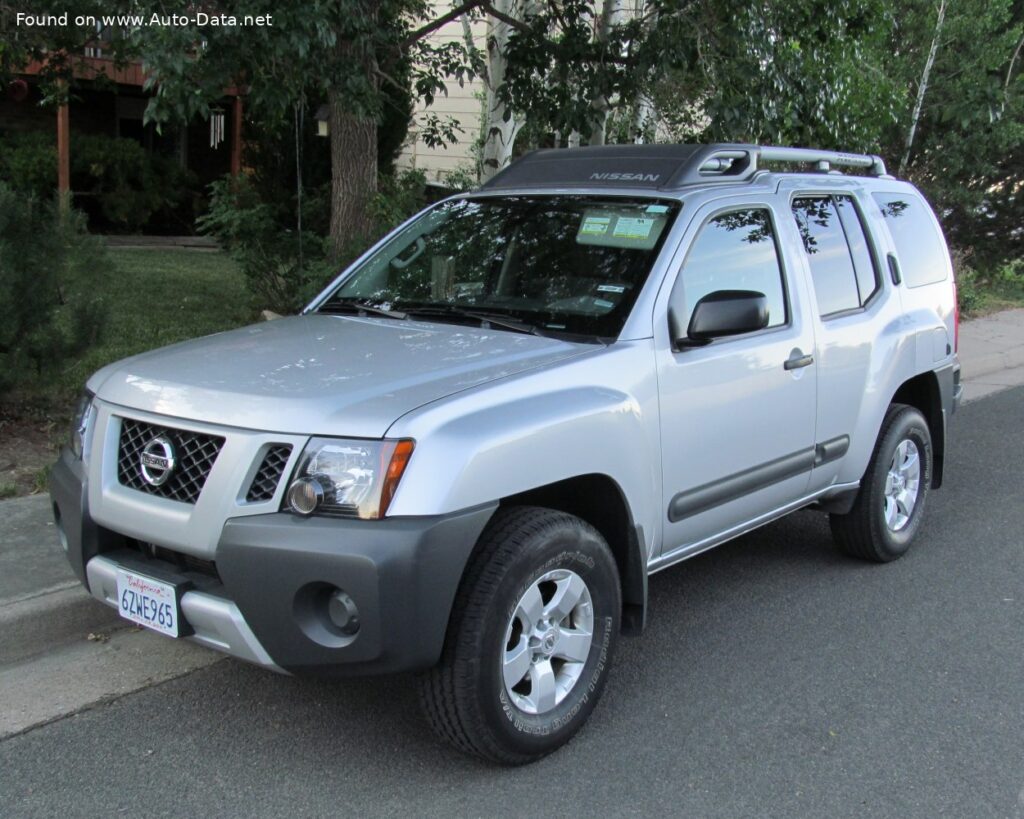
The Nissan Xterra II, particularly the facelifted version introduced in 2008, represents a significant iteration of Nissan’s mid-size SUV offering. Primarily marketed in North America and select international markets, the Xterra carved a niche for itself as a rugged, body-on-frame SUV geared towards active lifestyles and off-road enthusiasts. Positioned below the larger Pathfinder, the Xterra offered a more affordable and utilitarian alternative, emphasizing capability and practicality over luxury. The 2008 facelift brought updated styling, improved interior features, and refinements to the proven 4.0-liter V6 engine, solidifying its appeal within the competitive SUV segment.
Nissan Xterra II (2008-2015): A Detailed Overview
The Xterra II, spanning the 2008 to 2015 model years, built upon the foundation laid by the original Xterra, introduced in 2000. The facelift in 2008 was more than cosmetic; it represented a commitment to enhancing the vehicle’s overall appeal and functionality. While not a high-volume seller compared to some of its competitors, the Xterra cultivated a loyal following due to its robust construction, capable four-wheel-drive system, and relatively accessible price point. It served as a compelling option for those seeking a vehicle that could handle both daily commuting and weekend adventures.
Engine & Performance
At the heart of the 2008-2015 Nissan Xterra II lies the VQ40DE 4.0-liter V6 engine. This naturally aspirated powerplant delivers 261 horsepower at 5600 rpm and 381 Nm (281.01 lb-ft) of torque at 4000 rpm. The engine’s robust design and relatively simple architecture contribute to its reliability and longevity. Power is sent to the wheels through either a 6-speed manual transmission or a 5-speed automatic transmission (depending on the model year and trim level). The Xterra’s standard drivetrain is a part-time four-wheel-drive system, featuring electronically controlled engagement and a low-range gear for enhanced off-road capability. The weight-to-power ratio of 7.6 kg/Hp (132 Hp/tonne) and weight-to-torque ratio of 5.2 kg/Nm (192.7 Nm/tonne) contribute to respectable acceleration and towing capacity. Fuel economy, however, is a compromise, with combined figures averaging 13.8 l/100 km (17 US mpg, 20.5 UK mpg, 7.2 km/l). The Xterra meets LEV2-ULEV emission standards.
Design & Features
The Nissan Xterra II maintains the rugged, utilitarian aesthetic of its predecessor, but with a more refined and contemporary appearance thanks to the 2008 facelift. The body-on-frame construction provides a solid and durable platform, ideal for off-road driving and hauling. The Xterra is a five-door SUV with seating for five passengers. Key design features include a prominent front grille, large headlights, and a relatively boxy profile that maximizes interior space. The rear door swings outward to the side, a design choice that, while practical for loading cargo, is less common in modern SUVs. Inside, the Xterra offers a functional and durable interior, with a focus on practicality rather than luxury. Features include comfortable seating, a straightforward dashboard layout, and ample storage space. Later models incorporated features such as a navigation system, upgraded audio systems, and improved safety technologies, including ABS (Anti-lock braking system). Trunk space is generous, ranging from 745 liters (26.31 cu. ft.) with the rear seats up to 1860 liters (65.69 cu. ft.) with the rear seats folded down. The Xterra boasts a fuel tank capacity of 80 liters (21.13 US gal, 17.6 UK gal) and a permitted trailer load with brakes of 2268 kg (5000.08 lbs).
Technical Specifications
| Brand | Nissan |
| Model | Xterra |
| Generation | Xterra II (facelift 2008) |
| Type (Engine) | 4.0 V6 (261 Hp) 4×4 |
| Start of production | 2008 |
| End of production | 2015 |
| Powertrain Architecture | Internal Combustion engine |
| Body type | SUV |
| Seats | 5 |
| Doors | 5 |
| Fuel consumption (urban) | 14.7 l/100 km (16 US mpg, 19.2 UK mpg, 6.8 km/l) |
| Fuel consumption (extra urban) | 11.8 l/100 km (19.9 US mpg, 23.9 UK mpg, 8.5 km/l) |
| Fuel consumption (combined) | 13.8 l/100 km (17 US mpg, 20.5 UK mpg, 7.2 km/l) |
| Fuel Type | Petrol (Gasoline) |
| Emission standard | LEV2-ULEV |
| Weight-to-power ratio | 7.6 kg/Hp (132 Hp/tonne) |
| Weight-to-torque ratio | 5.2 kg/Nm (192.7 Nm/tonne) |
| Power | 261 Hp @ 5600 rpm |
| Power per litre | 66 Hp/l |
| Torque | 381 Nm @ 4000 rpm (281.01 lb.-ft. @ 4000 rpm) |
| Engine layout | Front, Longitudinal |
| Engine Model/Code | VQ40DE |
| Engine displacement | 3954 cm3 (241.29 cu. in.) |
| Number of cylinders | 6 |
| Engine configuration | V-engine |
| Cylinder Bore | 95.5 mm (3.76 in.) |
| Piston Stroke | 92 mm (3.62 in.) |
| Compression ratio | 9.7:1 |
| Number of valves per cylinder | 4 |
| Fuel injection system | Multi-port manifold injection |
| Engine aspiration | Naturally aspirated engine |
| Valvetrain | DOHC |
| Engine oil capacity | 5.1 l (5.39 US qt | 4.49 UK qt) |
| Coolant | 10.2 l (10.78 US qt | 8.97 UK qt) |
| Kerb Weight | 1977-2002 kg (4358.54 – 4413.65 lbs.) |
| Trunk (boot) space – minimum | 745 l (26.31 cu. ft.) |
| Trunk (boot) space – maximum | 1860 l (65.69 cu. ft.) |
| Fuel tank capacity | 80 l (21.13 US gal | 17.6 UK gal) |
| Permitted trailer load with brakes (12%) | 2268 kg (5000.08 lbs.) |
| Length | 4539 mm (178.7 in.) |
| Width | 1849 mm (72.8 in.) |
| Height | 1902 mm (74.88 in.) |
| Wheelbase | 2700 mm (106.3 in.) |
| Front track | 1570 mm (61.81 in.) |
| Rear (Back) track | 1570 mm (61.81 in.) |
| Ride height (ground clearance) | 208-241 mm (8.19 – 9.49 in.) |
| Approach angle | 30.5-33.2° |
| Departure angle | 27.3-29.4° |
| Ramp-over (brakeover) angle | 22.9-24.6° |
| Drivetrain Architecture | ICE drives rear wheels, front wheels engaged via clutch |
| Drive wheel | All wheel drive (4×4) |
| Number of gears and type of gearbox | 6 gears, manual transmission |
| Front suspension | Double wishbone, Transverse stabilizer |
| Rear suspension | Rigid axle suspension, Transverse stabilizer, Leaf spring |
| Front brakes | Ventilated discs |
| Rear brakes | Ventilated discs |
| Assisting systems | ABS (Anti-lock braking system) |
| Steering type | Steering rack and pinion |
| Power steering | Hydraulic Steering |
| Tires size | 265/70 R16; 265/75 R16 |
| Wheel rims size | 7J x 16 |