
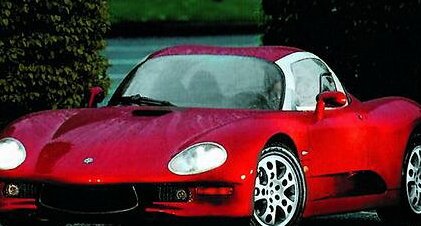
The O.S.C.A. 2500 GT 2.5 i 16V was a limited-production, high-performance coupe manufactured by O.S.C.A. (Officine Specializzate Costruzione Automobili) in 1999. Representing a late chapter in the storied history of the marque, this model aimed to recapture the spirit of O.S.C.A.’s earlier successes in motorsport with a modern, albeit small-volume, grand tourer. Production was extremely limited, making it a rare and sought-after vehicle among collectors. The 2500 GT was built upon a custom chassis and featured a distinctive, classically styled body, intended to evoke the Italian sports cars of the 1960s.
Technical Specifications
| Brand | O.S.C.A. |
| Model | 2500 GT |
| Generation | 2500 GT |
| Type (Engine) | 2.5 i 16V (190 Hp) |
| Start of production | 1999 |
| End of production | 1999 |
| Powertrain Architecture | Internal Combustion engine |
| Body type | Coupe |
| Seats | 2 |
| Doors | 2 |
| Fuel consumption (urban) | 13 l/100 km (18.1 US mpg, 21.7 UK mpg, 7.7 km/l) |
| Fuel consumption (extra urban) | 7 l/100 km (33.6 US mpg, 40.4 UK mpg, 14.3 km/l) |
| Fuel Type | Petrol (Gasoline) |
| Acceleration 0 – 100 km/h | 6 sec |
| Acceleration 0 – 62 mph | 6 sec |
| Acceleration 0 – 60 mph | 5.7 sec |
| Maximum speed | 220 km/h (136.7 mph) |
| Weight-to-power ratio | 3.6 kg/Hp, 279.4 Hp/tonne |
| Weight-to-torque ratio | 2.9 kg/Nm, 345.6 Nm/tonne |
| Power | 190 Hp @ 6000 rpm |
| Power per litre | 77.3 Hp/l |
| Torque | 235 Nm @ 2800 rpm (173.33 lb.-ft. @ 2800 rpm) |
| Engine layout | Middle, Longitudinal |
| Engine displacement | 2457 cm3 (149.94 cu. in.) |
| Number of cylinders | 4 |
| Engine configuration | Boxer |
| Cylinder Bore | 99.5 mm (3.92 in.) |
| Piston Stroke | 79 mm (3.11 in.) |
| Compression ratio | 9.5:1 |
| Number of valves per cylinder | 4 |
| Fuel injection system | Multi-port manifold injection |
| Engine aspiration | Naturally aspirated engine |
| Valvetrain | DOHC |
| Kerb Weight | 680 kg (1499.14 lbs.) |
| Fuel tank capacity | 80 l (21.13 US gal, 17.6 UK gal) |
| Length | 4090 mm (161.02 in.) |
| Width | 1760 mm (69.29 in.) |
| Height | 1150 mm (45.28 in.) |
| Wheelbase | 2350 mm (92.52 in.) |
| Front track | 1540 mm (60.63 in.) |
| Rear track | 1540 mm (60.63 in.) |
| Drivetrain Architecture | Rear wheel drive |
| Drive wheel | Rear wheel drive |
| Number of gears and type of gearbox | 5 gears, manual transmission |
| Front suspension | Wishbone |
| Rear suspension | Wishbone |
| Front brakes | Ventilated discs |
| Rear brakes | Disc |
| Assisting systems | ABS (Anti-lock braking system) |
| Steering type | Steering rack and pinion |
| Power steering | Hydraulic Steering |
| Tires size | 225/50 R16 |
Powertrain & Engine Architecture
The heart of the O.S.C.A. 2500 GT 2.5 i 16V is a 2.5-liter, naturally aspirated, four-cylinder boxer engine. This engine configuration, relatively uncommon, provides a low center of gravity, contributing to the car’s handling balance. The engine utilizes a multi-port fuel injection system and a double overhead camshaft (DOHC) valvetrain, allowing for precise control of the intake and exhaust valves. The engine produced 190 horsepower at 6000 rpm and 235 Nm (173.33 lb-ft) of torque at 2800 rpm. The engine’s mid-mounted, longitudinal layout further enhances weight distribution. The car was exclusively offered with a five-speed manual transmission, designed to provide a direct and engaging driving experience.
Driving Characteristics
The 2500 GT’s driving experience is defined by its lightweight construction and responsive engine. The combination of the boxer engine and rear-wheel drive delivers a balanced and engaging feel. Acceleration to 60 mph was achieved in approximately 5.7 seconds, and the car could reach a top speed of 136.7 mph. The manual transmission, while requiring driver involvement, allowed for precise control over the engine’s power. The relatively short wheelbase and well-tuned suspension contributed to nimble handling, making the 2500 GT a rewarding car to drive on winding roads. Compared to potential higher-output variants (had they existed), this configuration prioritized balance and driver engagement over outright speed.
Equipment & Trim Levels
Given the limited production run and bespoke nature of the 2500 GT, trim levels were minimal. The interior was focused on providing a sporty and functional environment. Standard features included leather upholstery, a three-spoke steering wheel, and basic instrumentation. Air conditioning and a modern audio system were often optional extras. The emphasis was on lightweight materials and a driver-focused layout. The interior design was classic Italian, prioritizing simplicity and elegance over excessive features.
Chassis & Braking
The O.S.C.A. 2500 GT utilized a custom-built chassis designed for rigidity and lightness. The suspension employed wishbone setups at both the front and rear, providing a balance between comfort and handling. Braking duties were handled by ventilated discs at the front and solid discs at the rear, coupled with an anti-lock braking system (ABS) for enhanced safety. The car’s relatively low weight contributed to its braking performance. The steering system was a rack and pinion setup with hydraulic power assistance, providing precise and responsive steering feel.
Market Reception & Comparison
The O.S.C.A. 2500 GT 2.5 i 16V was never intended for mass-market appeal. Its limited production and high price point positioned it as a niche vehicle for discerning collectors and enthusiasts. Reviews at the time praised the car’s handling, engine responsiveness, and overall driving experience. However, some critics noted the relatively spartan interior and lack of modern conveniences. Compared to contemporary sports cars from larger manufacturers, the 2500 GT offered a more exclusive and focused driving experience, albeit at a premium price. Fuel economy, while not a primary concern for the target audience, was reasonable for a performance car of its era.
Legacy
The O.S.C.A. 2500 GT 2.5 i 16V represents a fascinating footnote in automotive history. As one of the last models produced by O.S.C.A., it embodies the brand’s commitment to building high-performance, driver-focused sports cars. The engine, while not known for widespread reliability issues, requires diligent maintenance due to its complex design and limited parts availability. Today, the 2500 GT is a highly collectible vehicle, prized for its rarity, performance, and historical significance. Values have steadily increased in recent years, reflecting its status as a desirable classic car. The powertrain, while demanding, continues to provide an engaging driving experience for those willing to invest in its upkeep.
