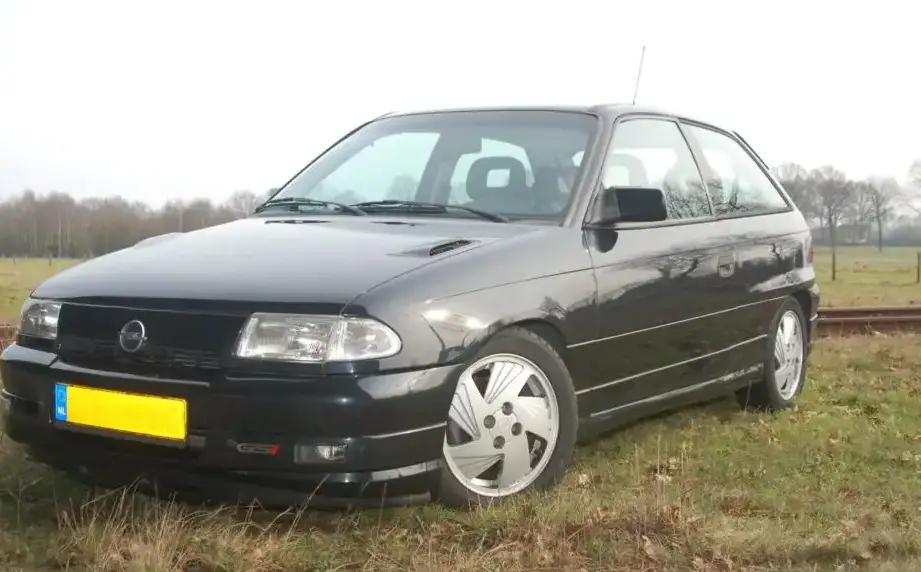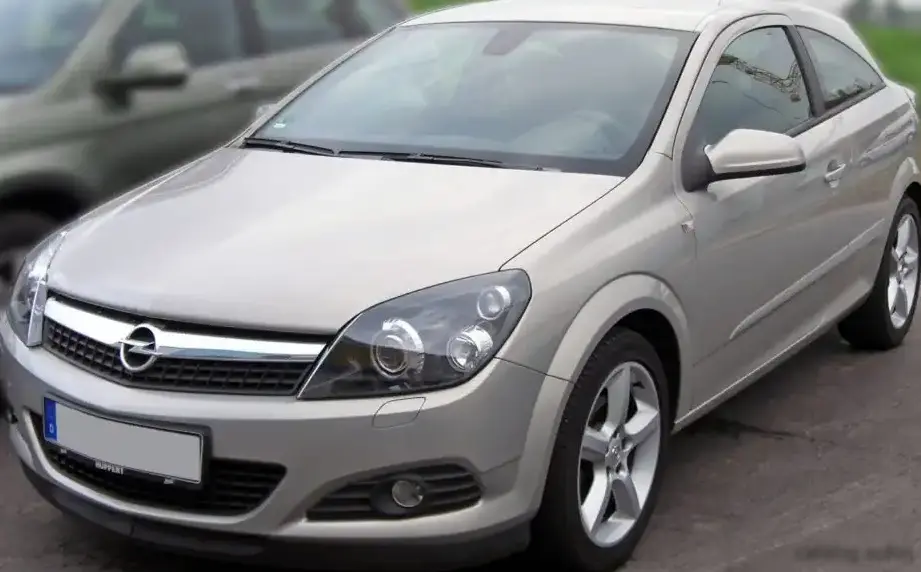
The Opel Astra H GTC (facelift, produced from 2007 to 2010) 1.8 ECOTEC variant, generating 140 horsepower, represented a mid-range offering within the Astra H GTC lineup. Positioned between the base 1.6-liter models and the performance-oriented OPC (Vauxhall/Opel Performance Centre) versions, it aimed to balance fuel efficiency with respectable performance for the European market. This three-door hatchback, part of the Astra H generation (2004-2010) built on the GM Delta platform, was a popular choice for buyers seeking a stylish and practical compact car. The facelift introduced in 2007 brought revised styling cues, improved interior materials, and updated engine options, enhancing the Astra’s overall appeal.
Technical Specifications
| Brand | Opel |
| Model | Astra |
| Generation | Astra H GTC (facelift 2007) |
| Type (Engine) | 1.8 ECOTEC (140 Hp) |
| Start of production | 2007 |
| End of production | 2010 |
| Powertrain Architecture | Internal Combustion engine |
| Body type | Hatchback |
| Seats | 5 |
| Doors | 3 |
| Fuel consumption (urban) | 9.9-10.1 l/100 km (23.8 – 23.3 US mpg) |
| Fuel consumption (extra urban) | 5.8-6 l/100 km (40.6 – 39.2 US mpg) |
| Fuel consumption (combined) | 7.3-7.5 l/100 km (32.2 – 31.4 US mpg) |
| CO2 emissions | 175-180 g/km |
| Fuel Type | Petrol (Gasoline) |
| Acceleration 0 – 100 km/h | 10.1 sec |
| Acceleration 0 – 62 mph | 10.1 sec |
| Acceleration 0 – 60 mph | 9.6 sec |
| Maximum speed | 210 km/h (130.49 mph) |
| Emission standard | Euro 4 |
| Weight-to-power ratio | 8.6 kg/Hp |
| Weight-to-torque ratio | 6.9 kg/Nm |
| Power | 140 Hp @ 6300 rpm |
| Torque | 175 Nm @ 3800 rpm (129.07 lb.-ft. @ 3800 rpm) |
| Engine layout | Front, Transverse |
| Engine Model/Code | Z18XER |
| Engine displacement | 1796 cm3 (109.6 cu. in.) |
| Number of cylinders | 4 |
| Engine configuration | Inline |
| Cylinder Bore | 80.5 mm (3.17 in.) |
| Piston Stroke | 88.2 mm (3.47 in.) |
| Compression ratio | 10.5:1 |
| Number of valves per cylinder | 4 |
| Fuel injection system | Multi-port manifold injection |
| Engine aspiration | Naturally aspirated |
| Valvetrain | DOHC |
| Engine oil capacity | 4.5 l (4.76 US qt | 3.96 UK qt) |
| Coolant capacity | 6.1 l (6.45 US qt | 5.37 UK qt) |
| Kerb Weight | 1210 kg (2667.59 lbs.) |
| Max. weight | 1760 kg (3880.14 lbs.) |
| Max load | 550 kg (1212.54 lbs.) |
| Trunk (boot) space – minimum | 340 l (12.01 cu. ft.) |
| Trunk (boot) space – maximum | 1070 l (37.79 cu. ft.) |
| Fuel tank capacity | 52 l (13.74 US gal | 11.44 UK gal) |
| Max. roof load | 75 kg (165.35 lbs.) |
| Permitted trailer load (braked) | 1300 kg (2866.01 lbs.) |
| Permitted trailer load (unbraked) | 630 kg (1388.91 lbs.) |
| Length | 4290 mm (168.9 in.) |
| Width | 1753 mm (69.02 in.) |
| Width with mirrors folded | 1804 mm (71.02 in.) |
| Width including mirrors | 2033 mm (80.04 in.) |
| Height | 1435 mm (56.5 in.) |
| Wheelbase | 2614 mm (102.91 in.) |
| Front track | 1488 mm (58.58 in.) |
| Rear track | 1488 mm (58.58 in.) |
| Front overhang | 910 mm (35.83 in.) |
| Rear overhang | 766 mm (30.16 in.) |
| Turning circle | 11.2 m (36.75 ft.) |
| Drivetrain | Front wheel drive |
| Number of gears | 5 |
| Gearbox type | Manual transmission |
| Front suspension | Independent, McPherson with coil spring and anti-roll bar |
| Rear suspension | Torsion beam |
| Front brakes | Ventilated discs |
| Rear brakes | Discs |
| Assisting systems | ABS (Anti-lock braking system) |
| Steering type | Steering rack and pinion |
| Power steering | Electric |
| Tires size | 205/55 R16; 225/45 R17; 225/40 R18 |
| Wheel rims size | 6.5J x 16; 7J x 17; 7.5J x 18 |
Powertrain & Engine Architecture
The 1.8-liter ECOTEC engine, designated Z18XER, was a naturally aspirated, inline-four cylinder gasoline engine. It featured multi-port fuel injection and a double overhead camshaft (DOHC) valvetrain with four valves per cylinder. This configuration allowed for efficient combustion and a relatively broad powerband. The engine’s 10.5:1 compression ratio contributed to its performance, while the ECOTEC designation signified Opel’s efforts to improve fuel efficiency. The engine produced 140 horsepower at 6300 rpm and 175 Nm (129 lb-ft) of torque at 3800 rpm. The engine was paired with a five-speed manual transmission, which was the most common configuration. While an automatic transmission was offered in some markets, it was less frequently selected with this engine due to its impact on performance and fuel economy. The Z18XER was known for its relative reliability, although timing chain wear could become an issue on higher-mileage examples.
Driving Characteristics
The Astra H GTC 1.8 ECOTEC with the five-speed manual transmission offered a reasonably engaging driving experience. Acceleration from 0 to 60 mph took approximately 9.6 seconds, and top speed was around 130 mph. While not a sports car, the engine provided sufficient power for everyday driving and overtaking maneuvers. The five-speed gearbox was well-matched to the engine’s characteristics, offering smooth shifts and a usable gear ratio spread. Compared to the more powerful OPC models, the 1.8 ECOTEC prioritized fuel economy and ease of driving. Against the lower-powered 1.6-liter variants, the 1.8 offered a noticeable performance improvement, making it a more appealing option for drivers who frequently traveled on highways or carried passengers. The torsion beam rear suspension provided a comfortable ride, but didn’t offer the same level of handling precision as the independent rear suspension found on some higher-spec Astra models.
Equipment & Trim Levels
The 1.8 ECOTEC GTC typically came equipped with features such as air conditioning, power windows, central locking, and an integrated audio system. Higher trim levels added options like alloy wheels, fog lights, a multi-function steering wheel, and upgraded interior trim. Safety features included ABS, front airbags, and seatbelt pretensioners. The interior generally featured cloth upholstery, although leather options were available. The GTC’s three-door configuration emphasized a sportier aesthetic, and the interior design was functional and relatively modern for its time. Optional extras included a panoramic sunroof, parking sensors, and a navigation system.
Chassis & Braking
The Astra H GTC utilized an independent McPherson strut suspension setup at the front, providing good handling and ride comfort. The rear suspension employed a torsion beam, which was a cost-effective solution that offered a reasonable balance between comfort and handling. The braking system consisted of ventilated discs at the front and solid discs at the rear, providing adequate stopping power for the vehicle’s weight and performance. ABS (Anti-lock Braking System) was standard, enhancing safety during emergency braking situations. Steering was rack and pinion with electric power assistance, offering a light and precise feel.
Market Reception & Comparison
The Astra H GTC 1.8 ECOTEC was generally well-received by automotive critics as a practical and stylish hatchback. It was praised for its comfortable ride, decent performance, and relatively low running costs. However, some reviewers noted that the interior plastics could feel somewhat low-rent compared to some competitors. Compared to rivals like the Volkswagen Golf and Ford Focus, the Astra H GTC offered a competitive package in terms of price, features, and fuel economy. The 1.8-liter engine provided a good compromise between performance and efficiency, making it a popular choice for buyers who didn’t require the outright speed of the OPC models. Fuel economy figures of around 32-38 mpg combined were typical, making it a relatively economical option for daily commuting.
Legacy
The Opel Astra H GTC 1.8 ECOTEC has proven to be a relatively reliable vehicle in the used car market. The Z18XER engine is generally durable, although regular maintenance, including oil changes and timing chain inspection, is crucial. Common issues include occasional sensor failures and wear and tear on suspension components. Today, these Astras represent an affordable and practical option for buyers seeking a compact hatchback. Their stylish design and decent fuel economy continue to appeal to a wide range of drivers. While not a collector’s item, well-maintained examples are still relatively common on the roads, demonstrating the Astra H GTC’s enduring popularity.