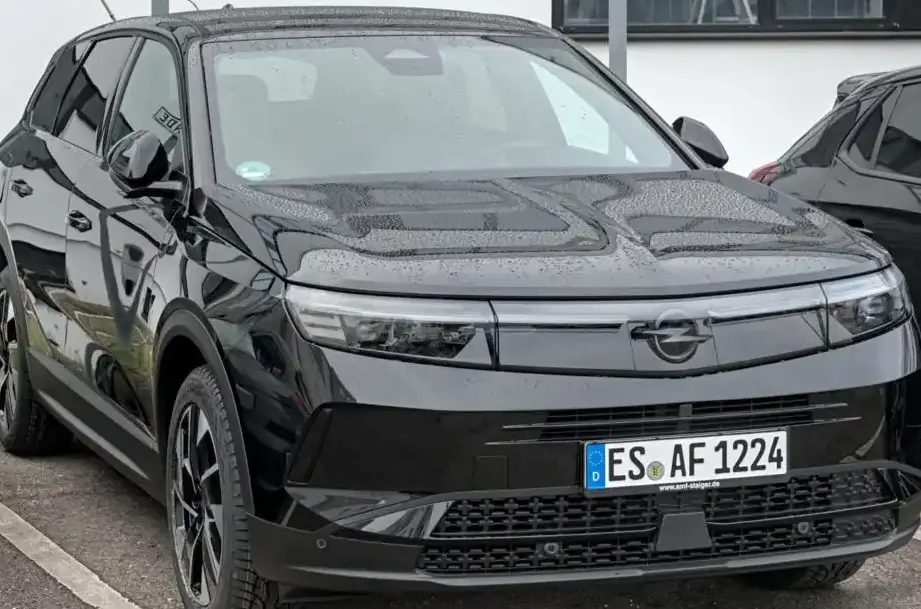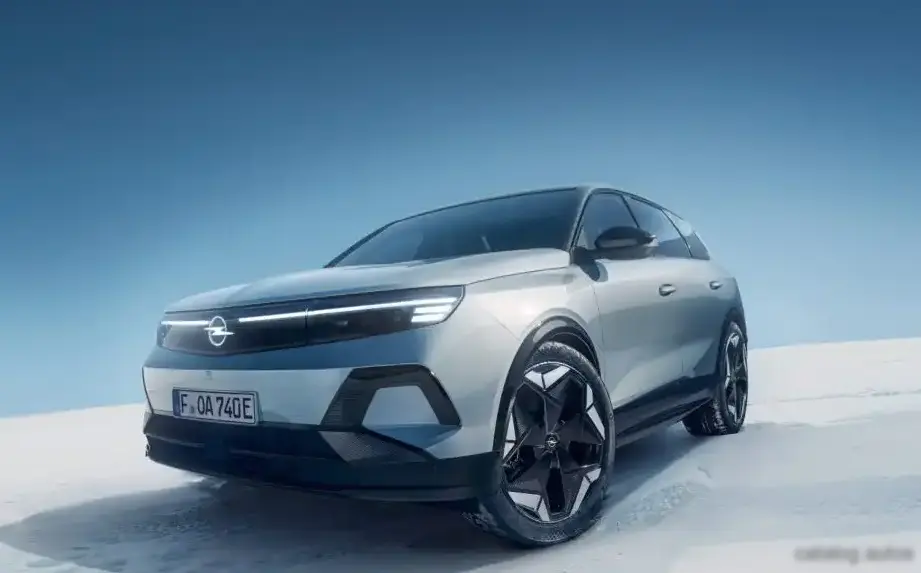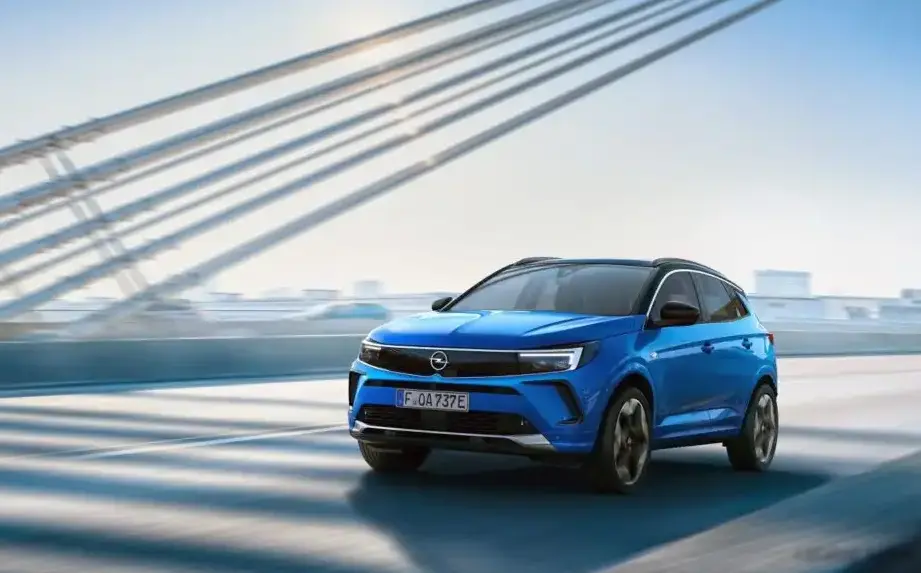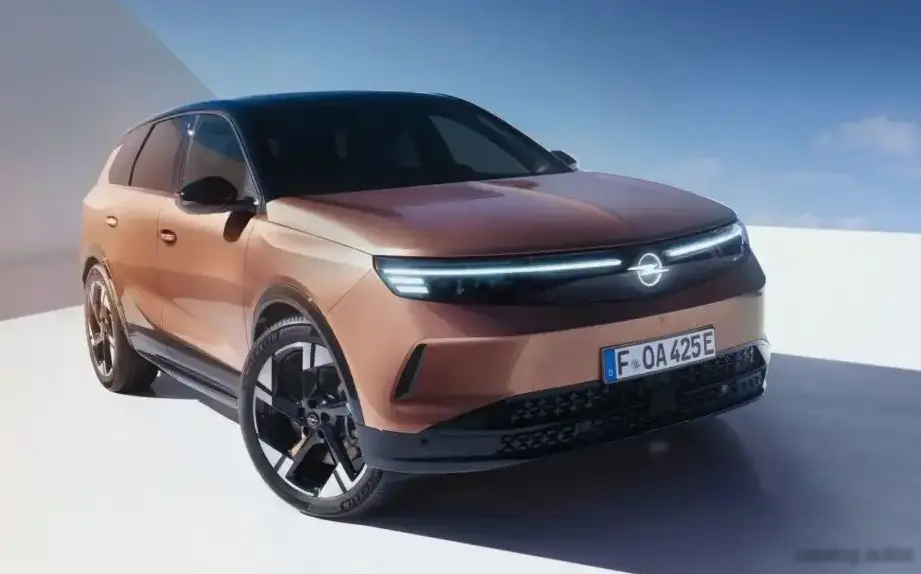
The Opel Grandland B 1.2 Turbo (145 hp) Hybrid eDCT represents a significant step in Opel’s compact SUV offerings, launched in April 2025. Positioned as a mid-range option within the Grandland B lineup, this variant combines a turbocharged three-cylinder gasoline engine with a 48-volt mild hybrid system and a dual-clutch transmission (eDCT) to deliver a balance of performance and fuel efficiency. It’s designed to appeal to buyers seeking a practical, modern SUV with reduced emissions and improved economy, particularly in urban driving conditions. The Grandland B itself is built on the Stellantis EMP2 platform, shared with other Peugeot and Citroën models, and represents Opel’s continued push towards electrification and advanced powertrain technologies.
Technical Specifications
| Brand | Opel |
| Model | Grandland |
| Generation | Grandland B |
| Type (Engine) | 1.2 Turbo (145 Hp) Hybrid eDCT |
| Start of production | April, 2025 |
| Powertrain Architecture | MHEV (Mild Hybrid Electric Vehicle) |
| Body type | SUV |
| Seats | 5 |
| Doors | 5 |
| Fuel consumption at Low speed (WLTP) | 5.1-5.3 l/100 km (46.1 – 44.4 US mpg) |
| Fuel consumption at Medium speed (WLTP) | 5.1-5.3 l/100 km (46.1 – 44.4 US mpg) |
| Fuel consumption at high speed (WLTP) | 4.8-4.9 l/100 km (49 – 48 US mpg) |
| Fuel consumption at very high speed (WLTP) | 6.4-6.6 l/100 km (36.8 – 35.6 US mpg) |
| Combined fuel consumption (WLTP) | 5.5-5.6 l/100 km (42.8 – 42 US mpg) |
| CO2 emissions (WLTP) | 124-128 g/km |
| Fuel Type | Petrol (Gasoline) |
| Acceleration 0 – 100 km/h | 10.2 sec |
| Acceleration 0 – 62 mph | 10.2 sec |
| Acceleration 0 – 60 mph | 9.7 sec |
| Maximum speed | 202 km/h (125.52 mph) |
| Emission standard | Euro 6e-bis |
| Weight-to-power ratio | 11 kg/Hp |
| Weight-to-torque ratio | 7 kg/Nm |
| Battery voltage | 48 V |
| Battery technology | Lithium-ion (Li-Ion) |
| Electric motor power | 21 Hp @ 4264 rpm |
| Electric motor location | Integrated into the transmission |
| Electric motor type | Synchronous |
| System power | 145 Hp |
| Engine Power | 136 Hp @ 5500 rpm |
| Torque | 230 Nm @ 1750 rpm (169.64 lb.-ft. @ 1750 rpm) |
| Engine layout | Front, Transverse |
| Engine Model/Code | HN09 |
| Engine displacement | 1199 cm3 (73.17 cu. in.) |
| Number of cylinders | 3 |
| Engine configuration | Inline |
| Number of valves per cylinder | 4 |
| Fuel injection system | Direct injection |
| Engine aspiration | Turbocharger, Intercooler |
| Valvetrain | DOHC, VVT |
| Engine oil capacity | 3.5 l (3.7 US qt | 3.08 UK qt) |
| Kerb Weight | 1600 kg (3527.4 lbs.) |
| Max. weight | 2170 kg (4784.03 lbs.) |
| Max load | 570 kg (1256.63 lbs.) |
| Trunk (boot) space – minimum | 550 l (19.42 cu. ft.) |
| Trunk (boot) space – maximum | 1645 l (58.09 cu. ft.) |
| Fuel tank capacity | 55 l (14.53 US gal | 12.1 UK gal) |
| Max. roof load | 80 kg (176.37 lbs.) |
| Permitted trailer load with brakes (12%) | 1100 kg (2425.08 lbs.) |
| Permitted trailer load without brakes | 750 kg (1653.47 lbs.) |
| Permitted towbar download | 80 kg (176.37 lbs.) |
| Length | 4650 mm (183.07 in.) |
| Width | 1905 mm (75 in.) |
| Width with mirrors folded | 1934 mm (76.14 in.) |
| Width including mirrors | 2103 mm (82.8 in.) |
| Height | 1667 mm (65.63 in.) |
| Wheelbase | 2795 mm (110.04 in.) |
| Front track | 1610-1624 mm (63.39 – 63.94 in.) |
| Rear (Back) track | 1589-1614 mm (62.56 – 63.54 in.) |
| Front overhang | 962 mm (37.87 in.) |
| Rear overhang | 894 mm (35.2 in.) |
| Minimum turning circle | 10.93 m (35.86 ft.) |
| Drive wheel | Front wheel drive |
| Number of gears and type of gearbox | 6 gears, automatic transmission eDCT |
| Front brakes | Ventilated discs |
| Rear brakes | Ventilated discs |
| Tires size | 225/55 R19; 235/55 R19; 235/50 R20 |
| Wheel rims size | 19; 20 |
Powertrain & Engine Architecture
At the heart of the Grandland B 1.2 Turbo Hybrid eDCT lies the HN09 engine, a 1.2-liter turbocharged three-cylinder gasoline engine. This engine produces 136 horsepower at 5500 rpm and 230 Nm (169.64 lb-ft) of torque at 1750 rpm. Direct fuel injection and a turbocharger with intercooler contribute to its efficiency and responsiveness. The engine utilizes a Double Overhead Camshaft (DOHC) valvetrain with Variable Valve Timing (VVT) for optimized performance across the rev range. The ‘Hybrid’ aspect comes from a 48-volt mild hybrid system, incorporating a small electric motor integrated into the transmission. This system provides a power boost of 21 hp and assists during acceleration, allowing for smoother starts and reduced engine load. The eDCT (efficient Dual-Clutch Transmission) is a six-speed automatic, chosen for its quick shifts and contribution to fuel economy. The mild hybrid system allows for regenerative braking, capturing energy during deceleration to recharge the 48V battery.
Driving Characteristics
The 145 hp combined output of the 1.2 Turbo Hybrid eDCT delivers adequate performance for everyday driving. Acceleration from 0-60 mph takes approximately 9.7 seconds, and top speed is rated at 125.52 mph. While not a particularly sporty setup, the eDCT provides responsive gear changes, and the electric motor assist helps to fill in torque gaps at lower speeds. Compared to higher-output Grandland B variants, such as those with more powerful gasoline engines, this version prioritizes fuel efficiency over outright speed. The gear ratios are tuned for economy, meaning the engine can feel slightly strained during aggressive acceleration or when fully loaded. However, in typical urban and highway driving, the powertrain offers a comfortable and refined experience.
Equipment & Trim Levels
The Grandland B 1.2 Turbo Hybrid eDCT typically comes with a good level of standard equipment. This generally includes features like a touchscreen infotainment system with Apple CarPlay and Android Auto compatibility, automatic climate control, a suite of driver-assistance systems (such as lane departure warning and automatic emergency braking), and LED headlights. Interior upholstery is usually cloth, with options for leather upgrades. Trim levels vary by market, but commonly available options include alloy wheels, a panoramic sunroof, and a premium sound system. The specific trim level dictates the availability of features like adaptive cruise control, heated seats, and a rear-view camera.
Chassis & Braking
The Grandland B utilizes a conventional front-wheel-drive layout with a MacPherson strut front suspension and a multi-link rear suspension. This setup provides a good balance of ride comfort and handling. The 1.2 Turbo Hybrid eDCT variant typically features ventilated disc brakes on all four wheels, providing adequate stopping power. Anti-lock Braking System (ABS) is standard, along with Electronic Stability Control (ESC). Stabilizer bars are fitted to both the front and rear axles to reduce body roll during cornering. The suspension tuning is geared towards comfort, prioritizing a smooth ride over sporty handling.
Market Reception & Comparison
The Opel Grandland B 1.2 Turbo Hybrid eDCT has been generally well-received by automotive critics as a practical and efficient SUV. Its fuel economy figures of 42.8-42 US mpg combined are competitive within its segment. Compared to the more powerful gasoline-only Grandland B variants, the hybrid model offers improved fuel efficiency, particularly in urban driving. However, some reviewers have noted that the mild hybrid system doesn’t provide a dramatic improvement in performance. Compared to diesel-powered Grandland B models, the 1.2 Turbo Hybrid offers lower CO2 emissions and a smoother, quieter driving experience, but may not match the diesel’s long-distance fuel economy.
Legacy
The Opel Grandland B 1.2 Turbo Hybrid eDCT represents a key step in Opel’s transition towards electrified powertrains. While it’s still relatively early in its lifecycle, the 48-volt mild hybrid system is expected to prove reliable. The eDCT transmission, while complex, has a good track record in other Stellantis vehicles. On the used car market, this variant is likely to appeal to buyers seeking a fuel-efficient and well-equipped SUV with a modern powertrain. Its long-term value will depend on maintenance history and overall condition, but the combination of practicality, efficiency, and technology should ensure continued demand.