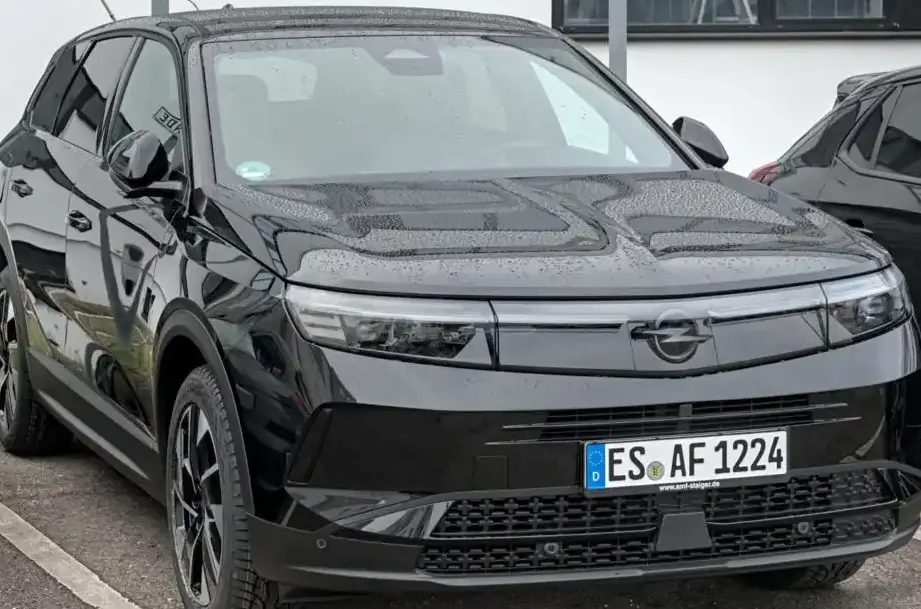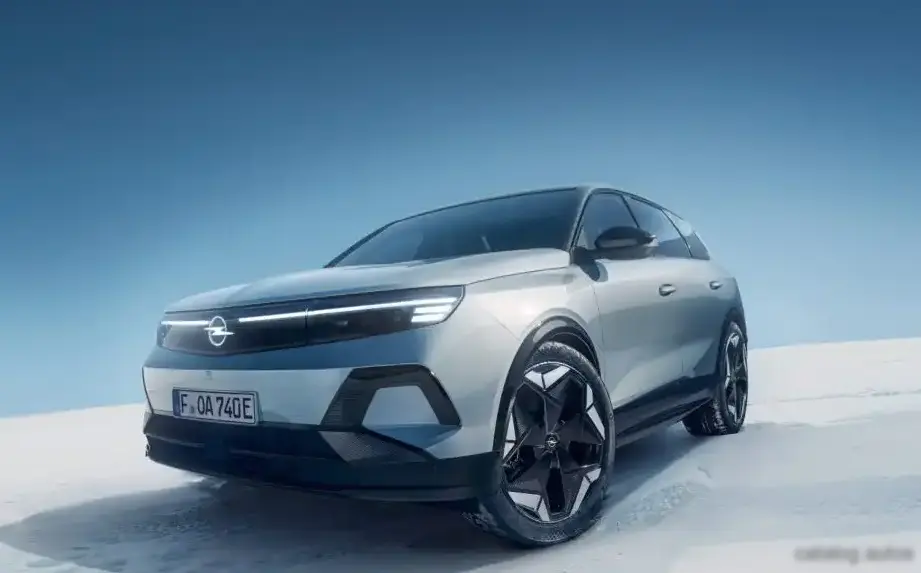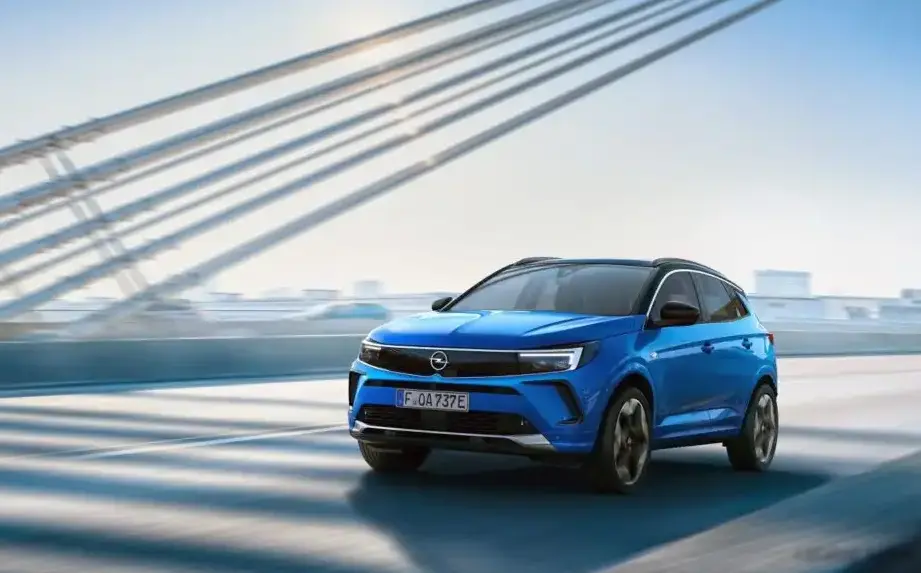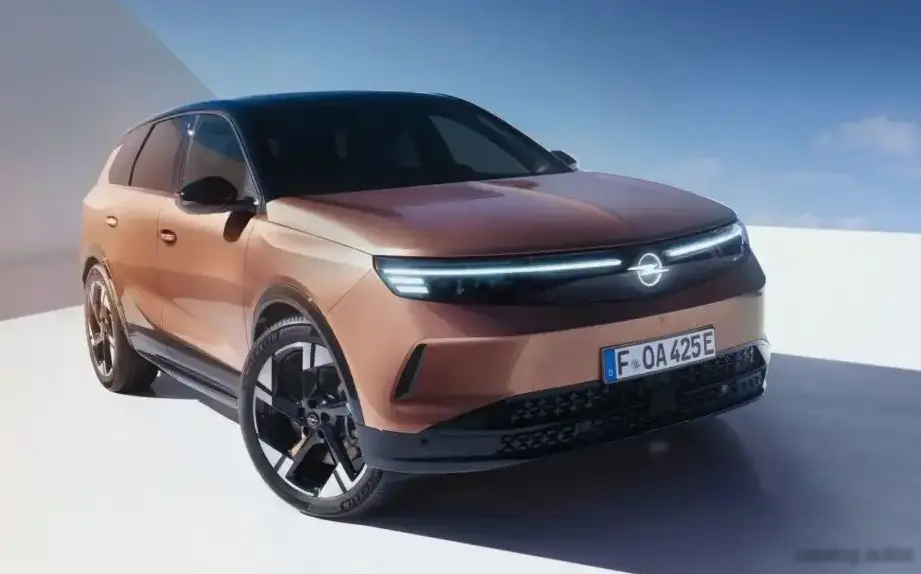
The Opel Grandland B 82 kWh Electric, launched in October 2024, represents Opel’s entry into the fully electric SUV market. Positioned as a mainstream offering within the Grandland B range, it aims to provide a practical and efficient electric vehicle option for families and commuters. Production continued until July 2025. This variant is built on the Stellantis EMP2 platform, shared with other Peugeot and Citroën models, and is primarily targeted at the European market, though its availability may vary depending on regional regulations and demand. The Grandland B Electric is a significant step for Opel, showcasing their commitment to electrification and modern automotive technology.
Technical Specifications
| Brand | Opel |
| Model | Grandland |
| Generation | Grandland B |
| Type (Engine) | 82 kWh (213 Hp) Electric |
| Start of production | October, 2024 |
| End of production | July, 2025 |
| Powertrain Architecture | BEV (Electric Vehicle) |
| Body type | SUV |
| Seats | 5 |
| Doors | 5 |
| Fuel Type | Electricity |
| Acceleration 0 – 100 km/h | 9 sec |
| Acceleration 0 – 62 mph | 9 sec |
| Acceleration 0 – 60 mph | 8.6 sec |
| Maximum speed | 170 km/h (105.63 mph) |
| Weight-to-power ratio | 9.6 kg/Hp, 104.2 Hp/tonne |
| Weight-to-torque ratio | 5.9 kg/Nm, 168.7 Nm/tonne |
| Net (usable) battery capacity | 82 kWh |
| Battery technology | Lithium-ion (Li-Ion) |
| Battery location | Below the floor |
| All-electric range (WLTP) | 564-585 km (350.45 – 363.5 mi) |
| Average Energy consumption (WLTP) | 17.7-18.5 kWh/100 km (28.49 – 29.77 kWh/100 mi) |
| MPGe | 118 – 113 |
| km/kWh | 5.6 – 5.4 |
| mi/kWh | 3.5 – 3.4 |
| Electric motor power | 213 Hp @ 3935-14000 rpm |
| Electric motor Torque | 345 Nm @ 250-4370 rpm (254.46 lb.-ft. @ 250-4370 rpm) |
| Electric motor model/code | ZK03 |
| Electric motor location | Front axle, Transverse |
| Electric motor type | Synchronous |
| System power | 213 Hp |
| System torque | 345 Nm (254.46 lb.-ft.) |
| Kerb Weight | 2045 kg (4508.45 lbs.) |
| Max. weight | 2700 kg (5952.48 lbs.) |
| Max load | 655 kg (1444.03 lbs.) |
| Trunk (boot) space – minimum | 550 l (19.42 cu. ft.) |
| Trunk (boot) space – maximum | 1645 l (58.09 cu. ft.) |
| Max. roof load | 80 kg (176.37 lbs.) |
| Permitted trailer load with brakes (12%) | 1200 kg (2645.55 lbs.) |
| Permitted trailer load without brakes | 750 kg (1653.47 lbs.) |
| Permitted towbar download | 80 kg (176.37 lbs.) |
| Length | 4650 mm (183.07 in.) |
| Width | 1905 mm (75 in.) |
| Width with mirrors folded | 1934 mm (76.14 in.) |
| Width including mirrors | 2103 mm (82.8 in.) |
| Height | 1665-1667 mm (65.55 – 65.63 in.) |
| Wheelbase | 2795 mm (110.04 in.) |
| Front track | 1610-1624 mm (63.39 – 63.94 in.) |
| Rear (Back) track | 1598-1614 mm (62.91 – 63.54 in.) |
| Front overhang | 962 mm (37.87 in.) |
| Rear overhang | 894 mm (35.2 in.) |
| Minimum turning circle | 10.93 m (35.86 ft.) |
| Drivetrain Architecture | One electric motor drives the front wheels. |
| Drive wheel | Front wheel drive |
| Number of gears | 1 |
| Type of gearbox | automatic transmission |
| Front brakes | Ventilated discs |
| Rear brakes | Disc |
| Assisting systems | ABS (Anti-lock braking system) |
| Steering type | Steering rack and pinion |
| Power steering | Electric Steering |
| Tires size | 225/55 R19; 235/55 R19; 235/50 R20 |
| Wheel rims size | 19; 20 |
Powertrain & Engine Architecture
The Opel Grandland B 82 kWh Electric utilizes a single synchronous electric motor, designated ZK03, positioned transversely on the front axle. This motor produces 213 horsepower and 345 Nm (254.46 lb.-ft.) of torque. Power is delivered through a single-speed automatic transmission, characteristic of most battery electric vehicles (BEVs). The heart of the system is the 82 kWh lithium-ion battery pack, located under the vehicle floor to optimize weight distribution and lower the center of gravity. The battery supports fast charging capabilities, allowing for a significant range boost in a relatively short period when connected to a compatible DC fast charger. The vehicle’s electronic control unit (ECU) manages the power flow between the battery, motor, and other vehicle systems, optimizing efficiency and performance.
Driving Characteristics
The Grandland B Electric offers a smooth and quiet driving experience, typical of electric vehicles. Acceleration from 0 to 100 km/h (0-62 mph) takes approximately 9 seconds. While not exceptionally quick, the instant torque delivery of the electric motor provides responsive acceleration in everyday driving situations. The single-speed transmission means there are no gear changes, contributing to the seamless power delivery. Compared to potential internal combustion engine (ICE) variants of the Grandland B, the electric version prioritizes efficiency and refinement over outright performance. The front-wheel-drive configuration provides adequate traction in most conditions, but may exhibit some torque steer under hard acceleration.
Equipment & Trim Levels
The Grandland B 82 kWh Electric typically comes well-equipped as standard. Features generally include a touchscreen infotainment system with Apple CarPlay and Android Auto compatibility, digital instrument cluster, automatic climate control, and a suite of advanced driver-assistance systems (ADAS) such as lane departure warning, automatic emergency braking, and adaptive cruise control. Interior upholstery is typically cloth or a combination of cloth and synthetic leather. Optional extras may include a panoramic sunroof, premium audio system, heated seats, and upgraded trim materials. Specific trim levels and available options varied depending on the market.
Chassis & Braking
The Grandland B Electric utilizes a conventional MacPherson strut front suspension and a multi-link rear suspension, tuned to provide a comfortable ride while maintaining reasonable handling characteristics. Front brakes are ventilated discs, while rear brakes are solid discs. The electric powertrain’s regenerative braking system helps to recapture energy during deceleration, increasing efficiency and reducing wear on the conventional braking system. The vehicle is equipped with an Anti-lock Braking System (ABS) and Electronic Stability Control (ESC) as standard safety features.
Market Reception & Comparison
The Opel Grandland B Electric was generally well-received by automotive critics, who praised its comfortable ride, spacious interior, and competitive range. Compared to other electric SUVs in its class, such as the Hyundai Kona Electric or the Kia Niro EV, the Grandland B Electric offered a comparable range and feature set. Fuel economy, expressed as energy consumption, ranged from 17.7 to 18.5 kWh per 100 kilometers (28.49 to 29.77 kWh per 100 miles). Reliability reports are still emerging, but early indications suggest that the electric powertrain is proving to be reliable.
Legacy
The Opel Grandland B 82 kWh Electric represents a crucial step in Opel’s transition to an all-electric future. The longevity of the battery pack and the electric motor are key factors in the vehicle’s long-term reliability. As with all EVs, battery degradation over time is a consideration, but Opel offers a battery warranty to provide peace of mind to owners. On the used car market, the Grandland B Electric is expected to hold its value reasonably well, particularly as demand for electric vehicles continues to grow. The vehicle’s relatively short production run (2024-2025) may also contribute to its collectibility in the future.