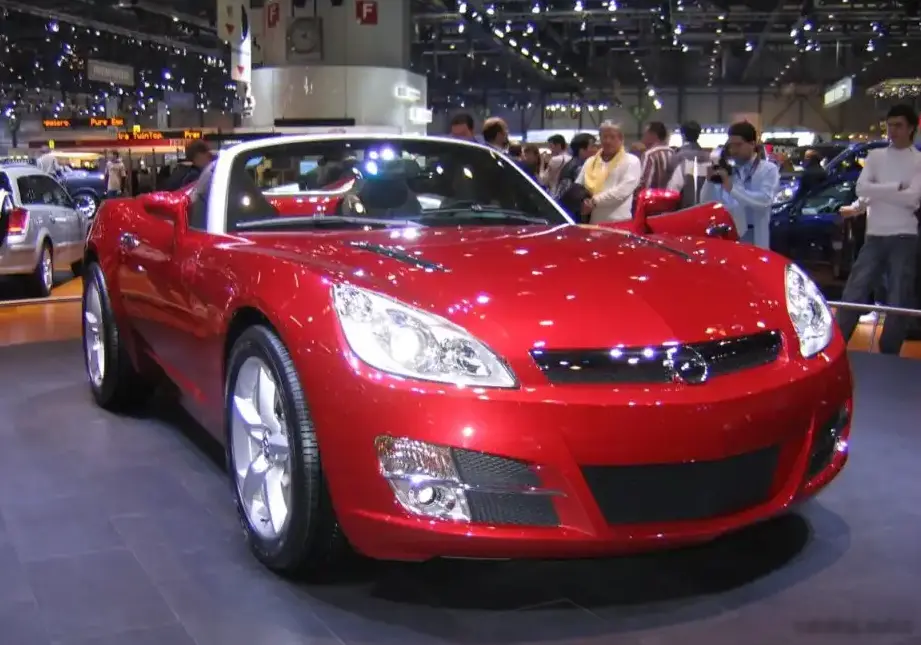
The Opel GT II 2.0 GT, produced between 2006 and 2009, represented a modern interpretation of the classic Opel GT, aiming to recapture some of the spirit of the original while offering contemporary performance and styling. Positioned as the flagship variant of the GT II range, it was a two-seat, rear-wheel drive roadster designed to appeal to enthusiasts seeking a sporty and engaging driving experience. The GT II was based on the GM Kappa platform, shared with vehicles like the Pontiac Solstice and Saturn Sky, but distinguished itself with its unique European styling and a focus on a more refined driving character. This particular 2.0 GT model, boasting 264 horsepower, sat at the top of the GT II lineup, offering a significant performance upgrade over the base models.
Technical Specifications
| Brand | Opel |
| Model | GT |
| Generation | GT II |
| Type (Engine) | 2.0 GT (264 Hp) |
| Start of production | 2006 |
| End of production | 2009 |
| Powertrain Architecture | Internal Combustion engine |
| Body type | Cabriolet |
| Seats | 2 |
| Doors | 2 |
| Fuel consumption (urban) | 13 l/100 km (18.1 US mpg, 21.7 UK mpg, 7.7 km/l) |
| Fuel consumption (extra urban) | 6.9 l/100 km (34.1 US mpg, 40.9 UK mpg, 14.5 km/l) |
| Fuel consumption (combined) | 9.2 l/100 km (25.6 US mpg, 30.7 UK mpg, 10.9 km/l) |
| CO2 emissions | 218 g/km |
| Fuel Type | Petrol (Gasoline) |
| Acceleration 0 – 100 km/h | 5.7 sec |
| Acceleration 0 – 62 mph | 5.7 sec |
| Acceleration 0 – 60 mph | 5.4 sec |
| Maximum speed | 230 km/h (142.92 mph) |
| Emission standard | Euro 4 |
| Weight-to-power ratio | 5.3 kg/Hp, 187.8 Hp/tonne |
| Weight-to-torque ratio | 4 kg/Nm, 251.1 Nm/tonne |
| Power | 264 Hp @ 5300 rpm |
| Power per litre | 132.1 Hp/l |
| Torque | 353 Nm @ 2000 rpm (260.36 lb.-ft. @ 2000 rpm) |
| Engine Model/Code | Z20NHH |
| Engine displacement | 1998 cm3 (121.93 cu. in.) |
| Number of cylinders | 4 |
| Engine configuration | Inline |
| Cylinder Bore | 86 mm (3.39 in.) |
| Piston Stroke | 86 mm (3.39 in.) |
| Compression ratio | 9.2:1 |
| Number of valves per cylinder | 4 |
| Fuel injection system | Multi-port manifold injection |
| Engine aspiration | Turbocharger, Intercooler |
| Valvetrain | DOHC |
| Engine oil capacity | 4.8 l (5.07 US qt | 4.22 UK qt) |
| Coolant | 9 l (9.51 US qt | 7.92 UK qt) |
| Kerb Weight | 1406 kg (3099.7 lbs.) |
| Trunk (boot) space – minimum | 147 l (5.19 cu. ft.) |
| Fuel tank capacity | 52 l (13.74 US gal | 11.44 UK gal) |
| Length | 4100 mm (161.42 in.) |
| Width | 1813 mm (71.38 in.) |
| Height | 1274 mm (50.16 in.) |
| Wheelbase | 2415 mm (95.08 in.) |
| Front track | 1543 mm (60.75 in.) |
| Rear (Back) track | 1561 mm (61.46 in.) |
| Drivetrain Architecture | Rear wheel drive |
| Drive wheel | Rear wheel drive |
| Number of gears and type of gearbox | 5 gears, manual transmission |
| Front brakes | Ventilated discs |
| Rear brakes | Disc |
| Assisting systems | ABS (Anti-lock braking system) |
| Steering type | Steering rack and pinion |
| Tires size | 245/45 R18 |
| Wheel rims size | 18 |
Introduction
The Opel GT II 2.0 GT, launched in 2006, was a significant departure from the original GT of the 1960s, yet it aimed to evoke a similar sense of sporty fun. Built on the GM Kappa platform, it shared its underpinnings with the Pontiac Solstice and Saturn Sky, but received unique styling cues and a more European-tuned suspension. The 2.0 GT variant, powered by the Z20NHH turbocharged engine, was the performance leader of the range, offering a substantial increase in power and torque compared to the naturally aspirated 2.2-liter engine available in lower trims. It was marketed as a stylish and engaging roadster for drivers who appreciated a rear-wheel drive layout and a spirited driving experience.
Powertrain & Engine Architecture
The heart of the GT II 2.0 GT is the Z20NHH, a 1.998-liter (121.93 cubic inches) inline-four cylinder engine equipped with a turbocharger and intercooler. This engine utilizes multi-port fuel injection and a double overhead camshaft (DOHC) valvetrain with four valves per cylinder. The turbocharger significantly boosts power output, delivering 264 horsepower at 5300 rpm and 353 Nm (260.36 lb.-ft.) of torque at 2000 rpm. The engine features a compression ratio of 9.2:1. The GT II 2.0 GT was exclusively offered with a five-speed manual transmission, designed to maximize driver engagement and control. This transmission was chosen to handle the increased torque output of the turbocharged engine and provide a more direct connection to the rear wheels.
Driving Characteristics
The 2.0 GT variant offered a noticeably more exhilarating driving experience than the base models. The turbocharger provides a surge of power in the mid-range, resulting in strong acceleration. The rear-wheel drive layout contributes to a balanced feel, and the relatively lightweight construction (1406 kg / 3099.7 lbs) enhances agility. While not a track-focused machine, the GT II 2.0 GT is capable of quick acceleration – 0 to 60 mph in approximately 5.4 seconds – and a top speed of 230 km/h (142.92 mph). The five-speed manual transmission allows for precise gear selection, and the relatively short gear ratios help to keep the engine in its power band. Compared to the base 2.2-liter model, the 2.0 GT felt significantly more responsive and capable, making it the preferred choice for driving enthusiasts.
Equipment & Trim Levels
The GT II 2.0 GT came reasonably well-equipped, though options were available to further enhance the experience. Standard features typically included leather upholstery, air conditioning, power windows and locks, and a premium sound system. The interior design was driver-focused, with a sporty three-spoke steering wheel and aluminum pedal covers. Optional extras included a hardtop convertible roof, upgraded audio systems, and various cosmetic enhancements. The interior, while stylish, was relatively compact, reflecting the car’s roadster nature. The dashboard layout was clean and functional, with easy-to-read gauges.
Chassis & Braking
The GT II utilized a MacPherson strut front suspension and a multi-link rear suspension, tuned for a balance of comfort and handling. The chassis was designed to be relatively stiff, contributing to the car’s responsive feel. Braking duties were handled by ventilated discs at the front and solid discs at the rear, equipped with an Anti-lock Braking System (ABS). The 245/45 R18 tires provided good grip, enhancing both handling and braking performance. The steering system employed a rack and pinion setup, offering precise and responsive steering feel.
Market Reception & Comparison
The Opel GT II 2.0 GT received generally positive reviews from automotive critics, who praised its sporty handling, strong performance, and attractive styling. However, some criticisms were leveled at its limited interior space and relatively basic features compared to some competitors. Compared to the base 2.2-liter GT, the 2.0 GT offered a significant performance advantage, but at a higher price point. Fuel economy was reasonable for a performance roadster, with combined fuel consumption of 9.2 l/100 km (25.6 US mpg). Reliability was generally good, although some owners reported minor issues with the turbocharger and electrical components.
Legacy
The Opel GT II, while not a massive sales success, remains a fondly remembered roadster among enthusiasts. The 2.0 GT variant, with its turbocharged engine and rear-wheel drive layout, is particularly sought after in the used car market. The Z20NHH engine, while not without its potential maintenance needs, is generally considered a robust and capable unit. Today, the GT II 2.0 GT represents an affordable entry point into the world of sporty roadsters, offering a unique blend of style, performance, and driving enjoyment. Its relatively low production numbers and growing classic status suggest that well-maintained examples are likely to appreciate in value over time.