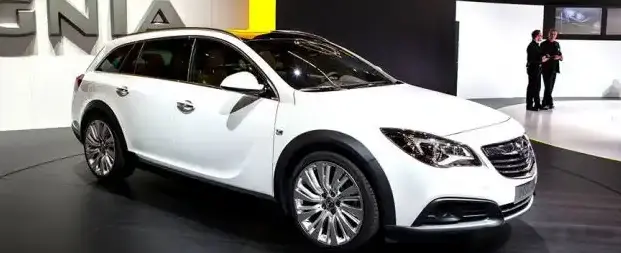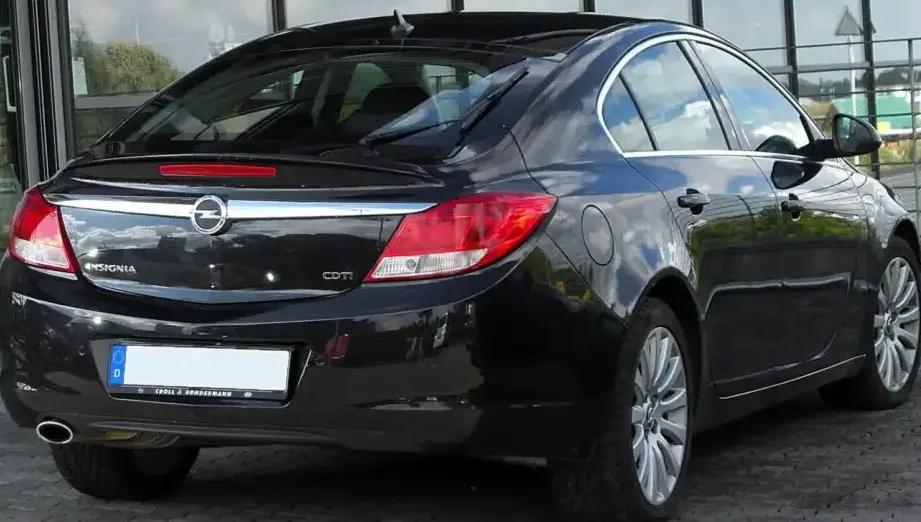
The Opel Insignia A, launched in November 2008 and produced through June 2013, represented a significant step forward for Opel in the mid-size segment. Positioned as a flagship model, it aimed to compete with established rivals like the Ford Mondeo, Volkswagen Passat, and Audi A4. The 2.8 V6 Turbo 4×4 variant, detailed here, was the performance-oriented top-of-the-line trim, offering a blend of power, all-wheel drive capability, and a relatively spacious hatchback body style. It was primarily marketed in Europe, offering a more premium alternative within the Insignia range.
Technical Specifications
| Brand | Opel |
| Model | Insignia |
| Generation | Insignia Hatchback (A) |
| Type (Engine) | 2.8 V6 Turbo (260 Hp) 4×4 |
| Start of production | November, 2008 |
| End of production | June, 2013 |
| Powertrain Architecture | Internal Combustion engine |
| Body type | Hatchback |
| Seats | 5 |
| Doors | 5 |
| Fuel consumption (urban) | 16.9 l/100 km (13.9 US mpg, 16.7 UK mpg, 5.9 km/l) |
| Fuel consumption (extra urban) | 7.4 l/100 km (31.8 US mpg, 38.2 UK mpg, 13.5 km/l) |
| Fuel consumption (combined) | 10.9 l/100 km (21.6 US mpg, 25.9 UK mpg, 9.2 km/l) |
| Fuel Type | Petrol (Gasoline) |
| Acceleration 0 – 100 km/h | 6.9 sec |
| Acceleration 0 – 62 mph | 6.9 sec |
| Acceleration 0 – 60 mph | 6.6 sec |
| Maximum speed | 250 km/h (155.34 mph) |
| Emission standard | Euro 5 |
| Weight-to-power ratio | 7 kg/Hp, 142.5 Hp/tonne |
| Weight-to-torque ratio | 5.2 kg/Nm, 191.8 Nm/tonne |
| Power | 260 Hp @ 5500 rpm |
| Power per litre | 93.1 Hp/l |
| Torque | 350 Nm (258.15 lb.-ft.) |
| Engine layout | Front, Transverse |
| Engine Model/Code | A28NET |
| Engine displacement | 2792 cm3 (170.38 cu. in.) |
| Number of cylinders | 6 |
| Engine configuration | V-engine |
| Cylinder Bore | 89 mm (3.5 in.) |
| Piston Stroke | 74.8 mm (2.94 in.) |
| Compression ratio | 9.5:1 |
| Number of valves per cylinder | 4 |
| Fuel injection system | Multi-port manifold injection |
| Engine aspiration | Turbocharger, Intercooler |
| Engine oil capacity | 6.3 l (6.66 US qt | 5.54 UK qt) |
| Coolant | 6.7 l (7.08 US qt | 5.9 UK qt) |
| Kerb Weight | 1825 kg (4023.44 lbs.) |
| Max. weight | 2330 kg (5136.77 lbs.) |
| Max load | 505 kg (1113.33 lbs.) |
| Trunk (boot) space – minimum | 520 l (18.36 cu. ft.) |
| Trunk (boot) space – maximum | 1465 l (51.74 cu. ft.) |
| Fuel tank capacity | 70 l (18.49 US gal | 15.4 UK gal) |
| Length | 4830 mm (190.16 in.) |
| Width | 1858 mm (73.15 in.) |
| Height | 1498 mm (58.98 in.) |
| Wheelbase | 2737 mm (107.76 in.) |
| Front track | 1585 mm (62.4 in.) |
| Rear (Back) track | 1587 mm (62.48 in.) |
| Ride height (ground clearance) | 160 mm (6.3 in.) |
| Minimum turning circle | 11.4 m (37.4 ft.) |
| Drive wheel | All wheel drive (4×4) |
| Number of gears and type of gearbox | 6 gears, manual transmission |
| Front brakes | Ventilated discs |
| Rear brakes | Disc |
| Assisting systems | ABS (Anti-lock braking system) |
| Tires size | 245/45 R18 |
| Wheel rims size | 18 |
INTRODUCTION
The Opel Insignia A 2.8 V6 Turbo 4×4, produced between 2008 and 2013, represented the performance pinnacle of the first-generation Insignia range. Built on the GM Epsilon II platform (internal code 7HX0/A3), the Insignia aimed to elevate Opel’s image and provide a more sophisticated and engaging driving experience. This variant, with its potent V6 engine and all-wheel-drive system, was positioned as a direct competitor to premium offerings from German manufacturers, offering a compelling combination of performance, practicality, and value. It was a key model in Opel’s attempt to gain market share in the competitive D-segment.
Powertrain & Engine Architecture
At the heart of the Insignia 2.8 V6 Turbo 4×4 lies the A28NET engine, a 2.8-liter naturally aspirated V6 engine boosted by a twin-scroll turbocharger. This engine produced 260 horsepower at 5500 rpm and 350 Nm (258 lb-ft) of torque. The engine utilized multi-port fuel injection and a compression ratio of 9.5:1. The engine’s architecture featured a 60-degree V-angle, contributing to a relatively compact engine bay layout. The engine was paired with a six-speed manual transmission as standard, although an automatic transmission was available as an option. The all-wheel-drive system employed a multi-plate clutch, distributing torque between the front and rear axles as needed, enhancing traction and stability, particularly in adverse weather conditions.
Driving Characteristics
The 2.8 V6 Turbo 4×4 Insignia offered a noticeably more engaging driving experience compared to lower-powered variants. Acceleration from 0 to 62 mph (0-100 km/h) took approximately 6.9 seconds, making it a genuinely quick vehicle for its class. The turbocharger provided strong mid-range punch, delivering responsive acceleration in everyday driving situations. The all-wheel-drive system instilled confidence in corners, minimizing understeer and providing a secure feel. While not a dedicated sports car, the Insignia V6 offered a satisfying blend of performance and comfort. The six-speed manual transmission provided precise shifts, allowing drivers to fully exploit the engine’s power. Compared to the 2.0-liter turbocharged models, the V6 offered a smoother power delivery and a more refined engine note.
Equipment & Trim Levels
The 2.8 V6 Turbo 4×4 typically came equipped with a generous level of standard features. These included leather upholstery, dual-zone climate control, a premium audio system, and front fog lights. Optional extras included a panoramic sunroof, adaptive cruise control, and a navigation system. The interior design was modern and functional, with a focus on ergonomics and driver comfort. Higher trim levels often featured unique interior trim elements and exterior styling cues, such as chrome accents and larger alloy wheels. The Insignia aimed to provide a premium feel without the premium price tag of its German rivals.
Chassis & Braking
The Insignia A featured a MacPherson strut front suspension and a multi-link rear suspension, providing a good balance between ride comfort and handling. The 2.8 V6 4×4 models often benefited from slightly stiffer suspension settings compared to lower-powered variants, further enhancing handling performance. Braking duties were handled by ventilated discs at the front and solid discs at the rear, equipped with ABS (Anti-lock Braking System). The all-wheel-drive system contributed to improved braking stability, particularly on slippery surfaces. The chassis was designed to provide a stable and predictable driving experience, even when fully loaded.
Market Reception & Comparison
The Insignia 2.8 V6 Turbo 4×4 received generally positive reviews from automotive critics. It was praised for its powerful engine, comfortable ride, and spacious interior. However, some critics noted that the fuel economy was relatively high, especially considering its size and engine displacement. Compared to the 2.0-liter turbocharged models, the V6 offered superior performance but at the cost of increased fuel consumption and a higher purchase price. The V6 also offered a more refined driving experience compared to the diesel variants, which were more focused on fuel efficiency. The Insignia V6 successfully positioned itself as a viable alternative to more established premium brands.
Legacy
The Opel Insignia A 2.8 V6 Turbo 4×4 remains a popular choice among enthusiasts seeking a capable and affordable performance hatchback. The A28NET engine is generally considered to be reliable, although regular maintenance is essential. Common issues include oil leaks and occasional turbocharger problems. On the used car market, these models tend to hold their value relatively well, particularly those in good condition with a full service history. The Insignia A, and specifically the V6 variant, helped to establish Opel as a credible competitor in the mid-size segment, paving the way for the subsequent generations of the Insignia.