Technical Specifications
| Brand | Opel |
| Model | Insignia |
| Generation | Insignia Hatchback (A, facelift 2013) |
| Type (Engine) | OPC 2.8 V6 (325 Hp) AWD Turbo Ecotec Unlimited |
| Start of production | September, 2013 |
| End of production | January, 2017 |
| Powertrain Architecture | Internal Combustion engine |
| Body type | Hatchback |
| Seats | 5 |
| Doors | 5 |
| Fuel consumption (urban) | 15.8 l/100 km (14.9 US mpg, 17.9 UK mpg, 6.3 km/l) |
| Fuel consumption (extra urban) | 7.6 l/100 km (30.9 US mpg, 37.2 UK mpg, 13.2 km/l) |
| Fuel consumption (combined) | 10.6 l/100 km (22.2 US mpg, 26.6 UK mpg, 9.4 km/l) |
| CO2 emissions | 249 g/km |
| Fuel Type | Petrol (Gasoline) |
| Acceleration 0 – 100 km/h | 6 sec |
| Acceleration 0 – 62 mph | 6 sec |
| Acceleration 0 – 60 mph | 5.7 sec |
| Maximum speed | 270 km/h (167.77 mph) |
| Emission standard | Euro 5 |
| Weight-to-power ratio | 5.4 kg/Hp, 185.7 Hp/tonne |
| Weight-to-torque ratio | 4 kg/Nm, 248.6 Nm/tonne |
| Power | 325 Hp @ 5250 rpm |
| Power per litre | 116.4 Hp/l |
| Torque | 435 Nm @ 5250 rpm (320.84 lb.-ft. @ 5250 rpm) |
| Engine layout | Front, Transverse |
| Engine Model/Code | A28NER, B28NER |
| Engine displacement | 2792 cm3 (170.38 cu. in.) |
| Number of cylinders | 6 |
| Engine configuration | V-engine |
| Cylinder Bore | 89 mm (3.5 in.) |
| Piston Stroke | 74.8 mm (2.94 in.) |
| Compression ratio | 9.5:1 |
| Fuel injection system | Multi-port manifold injection |
| Engine aspiration | Turbocharger, Intercooler |
| Engine oil capacity | 6.3 l (6.66 US qt | 5.54 UK qt) |
| Coolant | 6.7 l (7.08 US qt | 5.9 UK qt) |
| Kerb Weight | 1750 kg (3858.09 lbs.) |
| Max. weight | 2330 kg (5136.77 lbs.) |
| Max load | 580 kg (1278.68 lbs.) |
| Trunk (boot) space – minimum | 530 l (18.72 cu. ft.) |
| Trunk (boot) space – maximum | 1470 l (51.91 cu. ft.) |
| Fuel tank capacity | 70 l (18.49 US gal | 15.4 UK gal) |
| Max. roof load | 100 kg (220.46 lbs.) |
| Permitted trailer load with brakes (12%) | 2000 kg (4409.25 lbs.) |
| Permitted trailer load without brakes | 750 kg (1653.47 lbs.) |
| Length | 4842 mm (190.63 in.) |
| Width | 1858 mm (73.15 in.) |
| Width including mirrors | 2084 mm (82.05 in.) |
| Height | 1498 mm (58.98 in.) |
| Wheelbase | 2737 mm (107.76 in.) |
| Front track | 1585 mm (62.4 in.) |
| Rear (Back) track | 1587 mm (62.48 in.) |
| Minimum turning circle | 11.7 m (38.39 ft.) |
| Drive wheel | All wheel drive (4×4) |
| Number of gears and type of gearbox | 6 gears, manual transmission |
| Assisting systems | ABS (Anti-lock braking system) |
| Steering type | Steering rack and pinion |
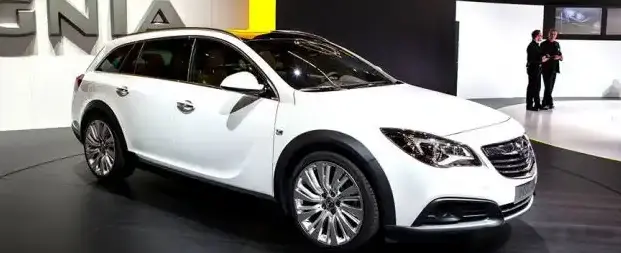
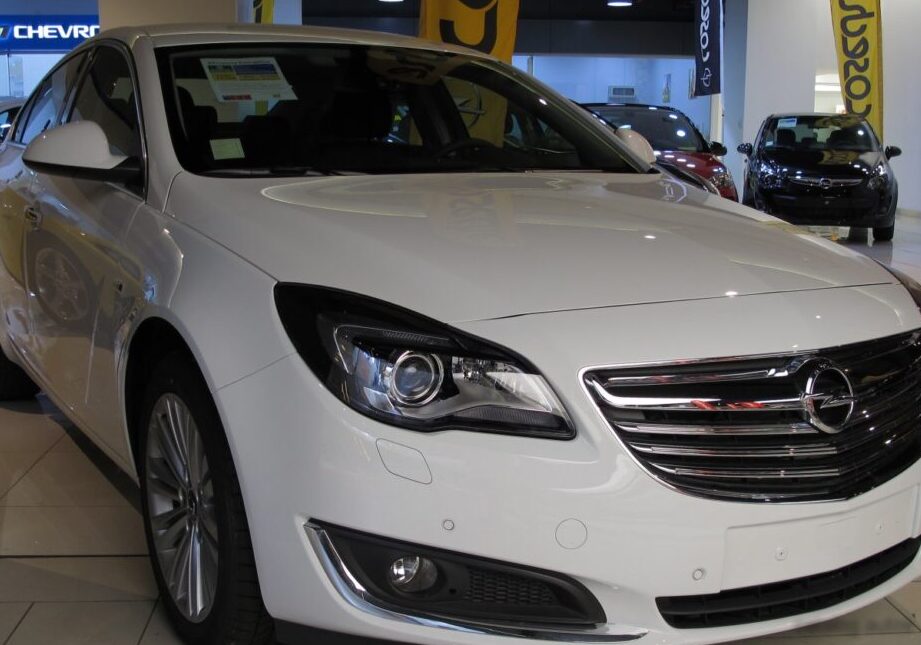
The Opel Insignia OPC 2.8 V6, launched in 2013 following a mid-life refresh of the original Insignia, was designed to elevate the model’s performance credentials. Built on the GM’s Epsilon II platform (internal code 1HX0/A3), the OPC variant distinguished itself with a potent 2.8-liter turbocharged V6 engine and a sophisticated all-wheel-drive system. It aimed to provide a more engaging driving experience than the standard Insignia models, which were primarily focused on comfort and practicality. The facelift brought styling updates, improved interior materials, and enhanced technology, further refining the Insignia’s appeal.
Powertrain & Engine Architecture
At the heart of the Insignia OPC lies the A28NER/B28NER 2.8-liter V6 engine. This engine is a 60-degree V6, utilizing a cast aluminum block and cylinder heads. It features direct injection combined with multi-port fuel injection, optimizing both power and efficiency. A single twin-scroll turbocharger, with an intercooler, forces air into the engine, boosting output to 325 horsepower at 5250 rpm and 435 Nm (320.84 lb-ft) of torque at the same engine speed. The engine management system is calibrated to deliver a broad torque curve, providing strong acceleration throughout the rev range. The OPC was exclusively offered with a six-speed manual transmission, chosen for its driver engagement and ability to handle the engine’s power.
Driving Characteristics
The Insignia OPC delivers a noticeably more dynamic driving experience compared to other Insignia variants. The all-wheel-drive system, utilizing a multi-plate clutch, actively distributes torque between the front and rear axles, enhancing traction and stability, particularly in challenging conditions. The six-speed manual transmission provides precise gear changes, allowing drivers to fully exploit the engine’s power. While not as nimble as some smaller hot hatchbacks, the OPC offers a confident and planted feel, with minimal body roll thanks to a stiffer suspension setup. Acceleration from 0 to 60 mph is achieved in around 5.7 seconds, and the car boasts a top speed of 167.77 mph. The steering is direct and well-weighted, providing good feedback to the driver.
Equipment & Trim Levels
The Insignia OPC came generously equipped as standard. Key features included sport seats upholstered in Morrocana (a leatherette material) with OPC branding, a leather-wrapped steering wheel, aluminum pedals, and unique exterior styling cues such as a rear spoiler, aggressive front bumper, and side skirts. Infotainment was provided by Opel’s IntelliLink system, offering touchscreen functionality, Bluetooth connectivity, and navigation. Optional extras included adaptive cruise control, heated front seats, and a premium sound system. The interior trim was generally dark-themed, with accents of red stitching to emphasize the car’s sporty character.
Chassis & Braking
The OPC’s chassis was specifically tuned to handle the increased power output. It featured a lowered ride height and stiffer springs and dampers compared to standard Insignia models. The front suspension utilized a McPherson strut design, while the rear employed a multi-link setup. Braking duties were handled by high-performance Brembo brakes, with large ventilated discs at all four corners. The braking system provided excellent stopping power and fade resistance, essential for spirited driving. The car also featured an electronic stability control system (ESP) with a sport mode, allowing drivers to adjust the level of intervention.
Market Reception & Comparison
The Insignia OPC was generally well-received by automotive critics, who praised its powerful engine, capable all-wheel-drive system, and spacious interior. However, some reviewers noted that the car’s weight and size limited its agility compared to more focused performance hatchbacks. Compared to the standard Insignia 1.6 Turbo or 2.0 CDTI models, the OPC offered a significant performance upgrade, but at the cost of increased fuel consumption and running costs. Against rivals like the Ford Focus ST and Volkswagen Golf R, the OPC offered a different proposition – a more comfortable and practical performance car, but perhaps lacking the ultimate sharpness of its competitors.
Legacy
The Opel Insignia OPC 2.8 V6 remains a relatively rare and sought-after vehicle in the used car market. The 2.8L V6 engine, while powerful, requires diligent maintenance, including regular oil changes and inspection of the turbocharger. The all-wheel-drive system is generally reliable, but potential buyers should check for any signs of wear or damage. Overall, the OPC is considered a solid and capable performance car, offering a unique blend of practicality, performance, and style. Its relative rarity and distinctive character have contributed to its growing popularity among enthusiasts.