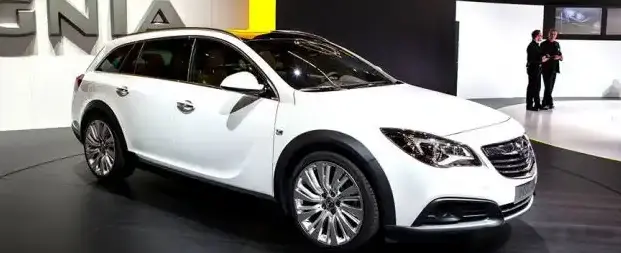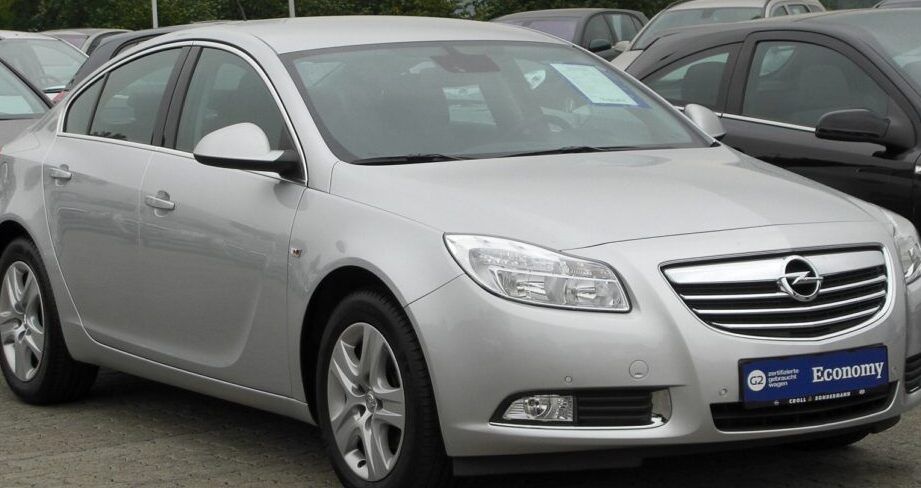
The Opel Insignia OPC 2.8 V6 Turbo 4×4 Automatic, produced from July 2009 to June 2013, represented the high-performance variant of the first-generation (A) Insignia sedan. Positioned as the flagship model, it aimed to deliver a blend of luxury, practicality, and spirited driving dynamics. The Insignia, launched as a replacement for the Vectra, was Opel’s attempt to move upmarket and compete with established players like the Ford Mondeo and Volkswagen Passat. The OPC version, akin to a North American-market V-series or an AMG-badged Mercedes, was the performance halo of the range, offering a significant upgrade in power and handling. It was primarily sold in Europe, where Opel (and its sister brand Vauxhall in the UK) held a substantial market share.
Technical Specifications
| Brand | Opel |
| Model | Insignia |
| Generation | Insignia Sedan (A) |
| Type | OPC 2.8 V6 Turbo (325 Hp) 4×4 Automatic |
| Start of production | July, 2009 |
| End of production | June, 2013 |
| Powertrain Architecture | Internal Combustion engine |
| Body type | Sedan |
| Seats | 5 |
| Doors | 4 |
| Fuel consumption (combined) | 11.4 l/100 km (20.6 US mpg, 24.8 UK mpg, 8.8 km/l) |
| CO2 emissions | 251 g/km |
| Fuel Type | Petrol (Gasoline) |
| Acceleration 0 – 100 km/h | 6.9 sec |
| Acceleration 0 – 62 mph | 6.9 sec |
| Acceleration 0 – 60 mph | 6.6 sec |
| Maximum speed | 250 km/h (155.34 mph) |
| Emission standard | Euro 5 |
| Weight-to-power ratio | 5.6 kg/Hp, 179.6 Hp/tonne |
| Weight-to-torque ratio | 4.2 kg/Nm, 240.3 Nm/tonne |
| Power | 325 Hp @ 5250 rpm |
| Power per litre | 116.4 Hp/l |
| Torque | 435 Nm @ 5250 rpm (320.84 lb.-ft. @ 5250 rpm) |
| Engine layout | Front, Transverse |
| Engine Model/Code | A28NER |
| Engine displacement | 2792 cm3 (170.38 cu. in.) |
| Number of cylinders | 6 |
| Engine configuration | V-engine |
| Cylinder Bore | 89 mm (3.5 in.) |
| Piston Stroke | 74.8 mm (2.94 in.) |
| Compression ratio | 9.5:1 |
| Number of valves per cylinder | 4 |
| Fuel injection system | Multi-port manifold injection |
| Engine aspiration | Turbocharger, Intercooler |
| Engine oil capacity | 6.3 l (6.66 US qt | 5.54 UK qt) |
| Coolant | 6.7 l (7.08 US qt | 5.9 UK qt) |
| Kerb Weight | 1810 kg (3990.37 lbs.) |
| Max. weight | 2315 kg (5103.7 lbs.) |
| Max load | 505 kg (1113.33 lbs.) |
| Trunk (boot) space – minimum | 500 l (17.66 cu. ft.) |
| Trunk (boot) space – maximum | 1010 l (35.67 cu. ft.) |
| Fuel tank capacity | 70 l (18.49 US gal | 15.4 UK gal) |
| Length | 4830 mm (190.16 in.) |
| Width | 1858 mm (73.15 in.) |
| Height | 1498 mm (58.98 in.) |
| Wheelbase | 2737 mm (107.76 in.) |
| Front track | 1585 mm (62.4 in.) |
| Rear (Back) track | 1587 mm (62.48 in.) |
| Drag coefficient (Cd) | 0.27 |
| Minimum turning circle | 10.8 m (35.43 ft.) |
| Drive wheel | All wheel drive (4×4) |
| Number of gears | 6 |
| Gearbox type | automatic transmission |
| Front brakes | Ventilated discs |
| Rear brakes | Ventilated discs |
| Assisting systems | ABS (Anti-lock braking system) |
| Tires size | 245/40 R19 |
| Wheel rims size | 8.5J x 19 |
Powertrain & Engine Architecture
At the heart of the Insignia OPC lay the A28NER engine, a 2.8-liter V6 boasting a twin-scroll turbocharger. This engine was a significant departure from the four-cylinder options available in the standard Insignia range. The A28NER produced 325 horsepower at 5250 rpm and 435 Nm (320.84 lb-ft) of torque at the same engine speed. It featured multi-port fuel injection and a relatively high 9.5:1 compression ratio. The engine’s design prioritized smooth power delivery and responsiveness, rather than outright peak power figures. The six-speed automatic transmission, sourced from Aisin, was specifically tuned to handle the engine’s output and provide relatively quick shifts. While not a dual-clutch transmission, it offered a decent level of control and responsiveness for a traditional automatic.
Driving Characteristics
The combination of the turbocharged V6 and all-wheel drive resulted in a surprisingly capable performance sedan. Acceleration from 0 to 60 mph took approximately 6.6 seconds, and the car was electronically limited to a top speed of 155 mph. The all-wheel-drive system, utilizing a multi-plate clutch, distributed torque between the front and rear axles as needed, providing excellent traction in various conditions. Compared to the standard Insignia models, the OPC offered a much firmer suspension setup, reducing body roll and improving handling. However, this came at the expense of some ride comfort. The automatic transmission, while competent, wasn’t as engaging as the six-speed manual available in some markets. Gear ratios were optimized for acceleration and cruising, but lacked the sportiness of a more performance-focused gearbox.
Equipment & Trim Levels
The Insignia OPC came generously equipped as standard. Interior features included sport seats upholstered in Morrocana (a leatherette material), a leather-wrapped steering wheel, and aluminum pedal covers. Standard exterior features included a unique OPC body kit, including a rear spoiler, side skirts, and a more aggressive front bumper. Optional extras included a panoramic sunroof, navigation system, and upgraded audio system. The interior design was generally functional and well-built, though it lacked the outright luxury of some of its competitors.
Chassis & Braking
The OPC featured a revised chassis with stiffer springs and dampers compared to the standard Insignia. The front suspension utilized MacPherson struts, while the rear employed a multi-link setup. Brakes consisted of ventilated discs all around, providing ample stopping power. The steering was hydraulically assisted, offering a good balance of feel and precision. The all-wheel-drive system added to the car’s stability and handling, particularly in wet or slippery conditions.
Market Reception & Comparison
The Insignia OPC was generally well-received by automotive critics. It was praised for its strong performance, comfortable interior, and practical hatchback design. However, some reviewers criticized the automatic transmission for lacking the engagement of a manual gearbox. Compared to rivals like the Ford Mondeo ST and Volkswagen Passat R36, the Insignia OPC offered a compelling combination of performance and value. Fuel economy, at around 20.6 US mpg combined, was reasonable for a car of its performance, but higher than the more economical four-cylinder Insignia models. Reliability was generally good, though some owners reported minor issues with the electronic systems.
Legacy
The Opel Insignia OPC 2.8 V6 Turbo 4×4 Automatic remains a desirable used car today, particularly among enthusiasts seeking a practical and capable performance sedan. The A28NER engine is known for its durability, provided it has been properly maintained. While not as iconic as some of the more established performance cars, the Insignia OPC offered a unique blend of performance, practicality, and value, making it a memorable addition to the European automotive landscape. Its all-wheel-drive system and powerful V6 engine continue to appeal to drivers looking for a capable and engaging driving experience.