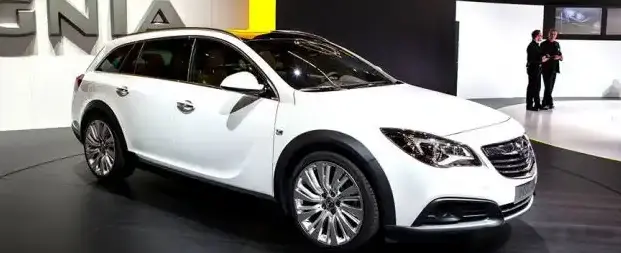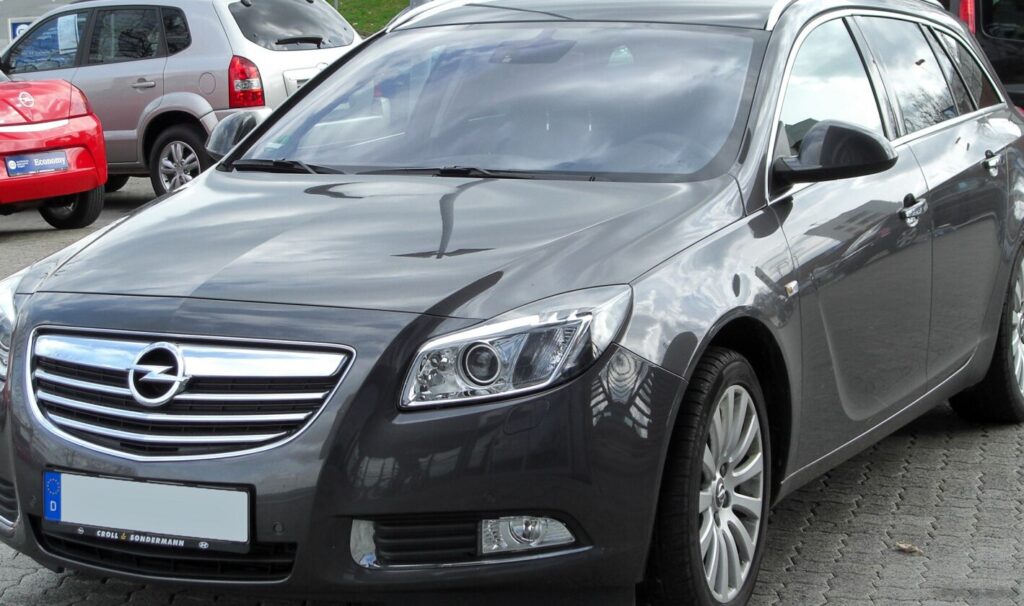
The Opel Insignia Sports Tourer OPC 2.8 V6 Turbo 4×4, produced from July 2009 to June 2013, represented the high-performance variant of Opel’s flagship wagon. Positioned as the range-topping model within the Insignia A (2008-2017) generation, the OPC (Opel Performance Center) aimed to deliver a compelling blend of practicality, space, and spirited driving dynamics. It was primarily marketed in Europe as a direct competitor to performance-oriented estates like the Audi Avant and BMW Touring models, offering a more affordable alternative with a focus on aggressive styling and a powerful engine. The “Sports Tourer” designation signified the wagon body style, distinguishing it from the hatchback version of the Insignia.
Technical Specifications
| Brand | Opel |
| Model | Insignia |
| Generation | Insignia Sports Tourer (A) |
| Type | OPC 2.8 V6 Turbo (325 Hp) 4×4 |
| Start of production | July, 2009 |
| End of production | June, 2013 |
| Powertrain Architecture | Internal Combustion engine |
| Body type | Station wagon (estate) |
| Seats | 5 |
| Doors | 5 |
| Fuel consumption (urban) | 16.6 l/100 km (14.2 US mpg, 17 UK mpg, 6 km/l) |
| Fuel consumption (extra urban) | 8.4 l/100 km (28 US mpg, 33.6 UK mpg, 11.9 km/l) |
| Fuel consumption (combined) | 11.4 l/100 km (20.6 US mpg, 24.8 UK mpg, 8.8 km/l) |
| Fuel Type | Petrol (Gasoline) |
| Acceleration 0 – 100 km/h | 6 sec |
| Acceleration 0 – 62 mph | 6 sec |
| Acceleration 0 – 60 mph | 5.7 sec |
| Maximum speed | 250 km/h (155.34 mph) |
| Emission standard | Euro 4 |
| Weight-to-power ratio | 5.6 kg/Hp, 179.6 Hp/tonne |
| Weight-to-torque ratio | 4.2 kg/Nm, 240.3 Nm/tonne |
| Power | 325 Hp @ 5250 rpm |
| Power per litre | 116.4 Hp/l |
| Torque | 435 Nm @ 5250 rpm (320.84 lb.-ft. @ 5250 rpm) |
| Engine layout | Front, Transverse |
| Engine Model/Code | A28NER |
| Engine displacement | 2792 cm3 (170.38 cu. in.) |
| Number of cylinders | 6 |
| Engine configuration | V-engine |
| Cylinder Bore | 89 mm (3.5 in.) |
| Piston Stroke | 74.8 mm (2.94 in.) |
| Compression ratio | 9.5:1 |
| Number of valves per cylinder | 4 |
| Fuel injection system | Multi-port manifold injection |
| Engine aspiration | Turbocharger, Intercooler |
| Engine oil capacity | 6.3 l (6.66 US qt | 5.54 UK qt) |
| Coolant capacity | 6.7 l (7.08 US qt | 5.9 UK qt) |
| Kerb Weight | 1810 kg (3990.37 lbs.) |
| Max. weight | 2315 kg (5103.7 lbs.) |
| Max load | 505 kg (1113.33 lbs.) |
| Trunk (boot) space – minimum | 540 l (19.07 cu. ft.) |
| Trunk (boot) space – maximum | 1530 l (54.03 cu. ft.) |
| Fuel tank capacity | 70 l (18.49 US gal | 15.4 UK gal) |
| Length | 4830 mm (190.16 in.) |
| Width | 1858 mm (73.15 in.) |
| Height | 1498 mm (58.98 in.) |
| Wheelbase | 2737 mm (107.76 in.) |
| Front track | 1585 mm (62.4 in.) |
| Rear track | 1587 mm (62.48 in.) |
| Minimum turning circle | 10.8 m (35.43 ft.) |
| Drive wheel | All wheel drive (4×4) |
| Number of gears | 6 |
| Gearbox type | Manual transmission |
| Front brakes | Ventilated discs |
| Rear brakes | Ventilated discs |
| Assisting systems | ABS (Anti-lock braking system) |
| Steering type | Steering rack and pinion |
| Tires size | 245/40 R19 |
| Wheel rims size | 8.5 x 19 |
Powertrain & Engine Architecture
The heart of the Insignia OPC was the A28NER 2.8-liter V6 engine. This engine featured a 60-degree V-configuration, utilizing an aluminum alloy block and cylinder heads. It employed multi-port fuel injection and a twin-scroll turbocharger with an intercooler to boost power output to 325 horsepower and 435 Nm (320.84 lb-ft) of torque. The engine’s design prioritized responsiveness and a broad torque curve, making it suitable for both spirited driving and comfortable cruising. The six-speed manual transmission was the only gearbox option, chosen for its driver engagement and ability to handle the engine’s output. The 4×4 system, utilizing a multi-plate clutch, distributed power between the front and rear axles, enhancing traction and stability, particularly in adverse weather conditions.
Driving Characteristics
The Insignia OPC delivered a noticeably more engaging driving experience compared to other Insignia variants. The 2.8L V6 provided strong acceleration, with a 0-60 mph time of around 5.7 seconds. The manual transmission allowed for precise gear selection, and the 4×4 system provided excellent grip. While not as nimble as some dedicated sports cars, the OPC offered a good balance between performance and practicality. The suspension was firmer than standard Insignias, reducing body roll in corners, but it could be somewhat harsh on rough road surfaces. The steering was direct and well-weighted, providing good feedback to the driver. Compared to the more economical 1.6L or 2.0L diesel and gasoline engines available in the Insignia range, the OPC prioritized performance over fuel efficiency.
Equipment & Trim Levels
The OPC trim level came generously equipped. Standard features included sport seats upholstered in Morrocana (a leatherette material), a leather-wrapped steering wheel, aluminum pedals, and unique OPC styling cues both inside and out. Exterior features included a distinctive front grille, side skirts, a rear spoiler, and 19-inch alloy wheels. Optional extras included a panoramic sunroof, navigation system, and upgraded audio system. The interior generally featured a dark color scheme with contrasting stitching, emphasizing the car’s sporty character.
Chassis & Braking
The Insignia OPC featured a specially tuned chassis with stiffer springs and dampers compared to other Insignia models. The front suspension utilized MacPherson struts, while the rear employed a multi-link setup. Braking duties were handled by ventilated discs on all four wheels, providing ample stopping power. The ABS (Anti-lock Braking System) was standard, enhancing safety and control during emergency braking situations. Stabilizer bars were thicker than those found on standard Insignias, further reducing body roll.
Market Reception & Comparison
The Insignia OPC received generally positive reviews from automotive critics. It was praised for its powerful engine, engaging driving dynamics, and spacious interior. However, some critics noted the firm ride quality and relatively high fuel consumption. Compared to rivals like the Ford Mondeo ST and Volkswagen Passat R36, the Insignia OPC offered a compelling combination of performance and value. The OPC’s fuel economy, averaging around 20.6 US mpg combined, was significantly lower than the more fuel-efficient diesel and gasoline variants of the Insignia. Reliability was generally good, although some owners reported minor issues with the turbocharger and electronic systems.
Legacy
The Opel Insignia OPC 2.8 V6 Turbo 4×4 remains a desirable used car for enthusiasts seeking a practical and powerful estate car. The A28NER engine is generally considered robust, but regular maintenance is crucial to ensure long-term reliability. The OPC’s distinctive styling and engaging driving dynamics have helped it develop a loyal following. While newer performance estates have emerged since its production ended, the Insignia OPC continues to offer a unique blend of performance, practicality, and affordability in the used car market. Its status as a capable and relatively rare performance wagon ensures its continued appeal to car enthusiasts.