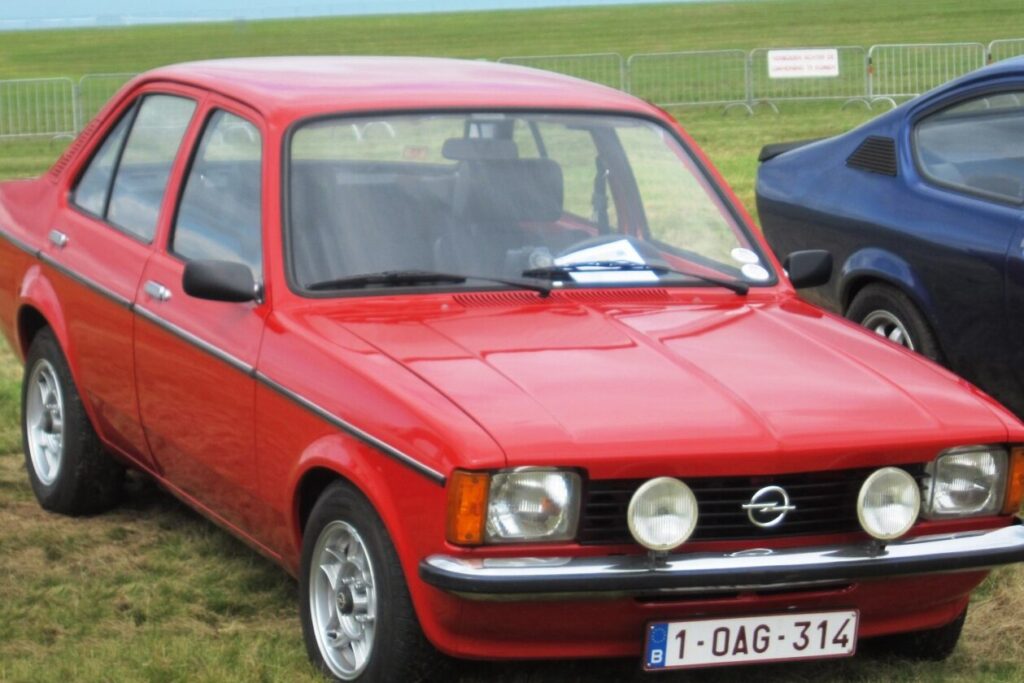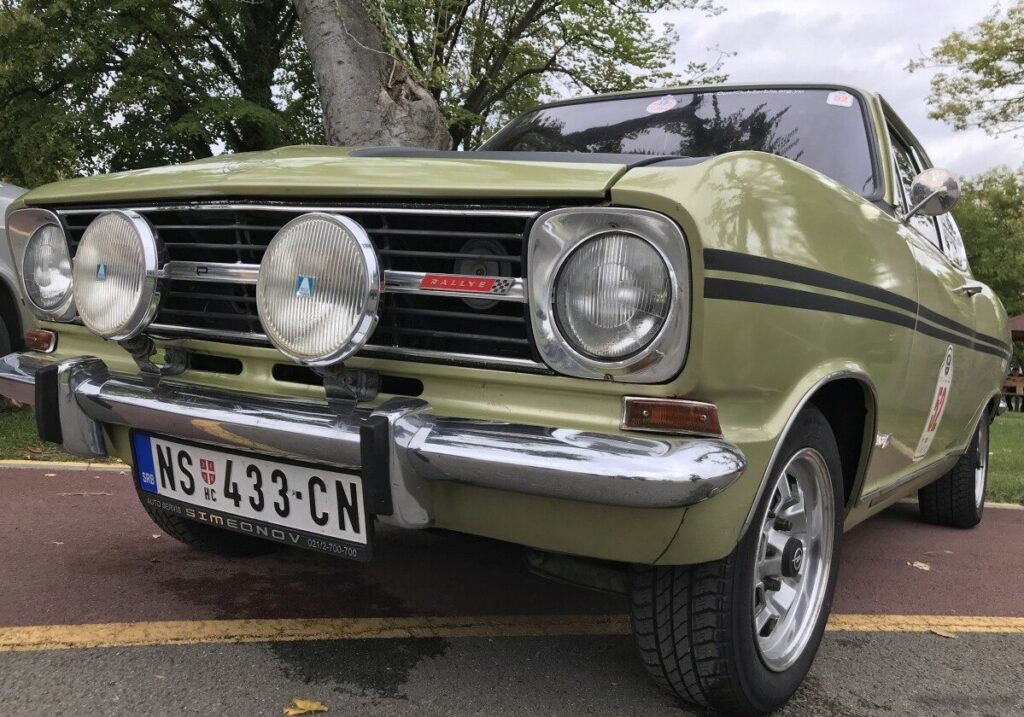
The Opel Kadett B Coupe 1.7 S, produced between 1965 and 1973, represented a sporting iteration within the broader Kadett B range. Positioned as a more performance-oriented version of the popular coupe, the 1.7 S offered a noticeable step up in power and handling compared to the standard Kadett models. It was built upon the Kadett B platform (often referred to internally as the AX series), which aimed to provide affordable and reliable transportation for the post-war European market. The Coupe body style, introduced with the B series, offered a more stylish alternative to the traditional saloon, appealing to a younger demographic.
Technical Specifications
| Brand | Opel |
| Model | Kadett |
| Generation | Kadett B Coupe |
| Type (Engine) | 1.7 S (85 Hp) |
| Start of production | 1965 |
| End of production | 1973 |
| Powertrain Architecture | Internal Combustion engine |
| Body type | Coupe |
| Seats | 5 |
| Doors | 2 |
| Fuel Type | Petrol (Gasoline) |
| Weight-to-power ratio | 8.8 kg/Hp, 113.3 Hp/tonne |
| Weight-to-torque ratio | 5.5 kg/Nm, 182.7 Nm/tonne |
| Power | 85 Hp @ 5600 rpm |
| Power per litre | 50.1 Hp/l |
| Torque | 137 Nm @ 2600-3000 rpm (101.05 lb.-ft. @ 2600-3000 rpm) |
| Engine layout | Front, Longitudinal |
| Engine Model/Code | 17S |
| Engine displacement | 1698 cm3 (103.62 cu. in.) |
| Number of cylinders | 4 |
| Engine configuration | Inline |
| Cylinder Bore | 88.01 mm (3.46 in.) |
| Piston Stroke | 69.8 mm (2.75 in.) |
| Compression ratio | 8.8:1 |
| Number of valves per cylinder | 2 |
| Fuel injection system | Carburettor |
| Engine aspiration | Naturally aspirated engine |
| Valvetrain | CIH |
| Engine oil capacity | 3 l (3.17 US qt | 2.64 UK qt) |
| Kerb Weight | 750 kg (1653.47 lbs.) |
| Max. weight | 1280 kg (2821.92 lbs.) |
| Max load | 530 kg (1168.45 lbs.) |
| Trunk (boot) space – minimum | 460 l (16.24 cu. ft.) |
| Fuel tank capacity | 40 l (10.57 US gal | 8.8 UK gal) |
| Length | 4182 mm (164.65 in.) |
| Width | 1573 mm (61.93 in.) |
| Height | 1405 mm (55.31 in.) |
| Wheelbase | 2416 mm (95.12 in.) |
| Front track | 1250 mm (49.21 in.) |
| Rear (Back) track | 1274 mm (50.16 in.) |
| Ride height (ground clearance) | 173 mm (6.81 in.) |
| Minimum turning circle (turning diameter) | 9.4 m (30.84 ft.) |
| Drivetrain Architecture | The Internal combustion engine (ICE) drives the rear wheels of the vehicle. |
| Drive wheel | Rear wheel drive |
| Number of gears and type of gearbox | 4 gears, manual transmission |
| Front suspension | Double wishbone, Transverse stabilizer |
| Rear suspension | Transverse stabilizer, Trailing arm |
| Front brakes | Disc |
| Rear brakes | Drum |
| Steering type | Steering rack and pinion |
Powertrain & Engine Architecture
The heart of the Kadett B Coupe 1.7 S was the 17S engine, a 1.7-liter inline-four cylinder unit. This engine featured Opel’s CIH (Cylinder Head Integrated) valvetrain design, known for its relatively simple yet effective operation. The 17S engine utilized a single, downdraft carburetor for fuel delivery, a common practice for the era. While not as sophisticated as fuel injection systems, the carburetor provided adequate fuel atomization for the engine’s output. The engine’s longitudinal front-engine layout, coupled with rear-wheel drive, was typical for European cars of this period. The 85 horsepower peak was achieved at 5600 rpm, and the 137 Nm (101 lb-ft) of torque was available between 2600 and 3000 rpm. The engine’s relatively low compression ratio of 8.8:1 allowed it to run on the readily available gasoline of the time.
Driving Characteristics
The 1.7 S offered a noticeable improvement in performance over the standard Kadett B Coupes. The 85 hp engine, while not exceptionally powerful by modern standards, provided brisk acceleration for its time and weight class. The four-speed manual transmission was the only gearbox option, and its gear ratios were tuned to maximize the engine’s torque and provide reasonable fuel economy. The rear-wheel-drive configuration contributed to a balanced handling feel, although the relatively simple suspension setup meant that cornering could be less precise than in more modern vehicles. Compared to the base Kadett engines, the 1.7 S felt significantly more responsive, making it a more enjoyable car to drive on winding roads. However, it didn’t possess the outright speed of larger, more expensive sports coupes of the era.
Equipment & Trim Levels
The Kadett B Coupe 1.7 S was generally well-equipped for its price point. Standard features included comfortable cloth upholstery, a basic instrument cluster, and a steering wheel. The interior was functional and durable, reflecting the car’s intended purpose as an affordable and reliable mode of transportation. Optional extras included a radio, upgraded interior trim, and a sunroof. The “S” designation typically indicated a slightly more refined interior finish compared to the base models. Exterior features included chrome trim, distinctive badging, and often, a two-tone paint scheme.
Chassis & Braking
The Kadett B Coupe utilized a body-on-frame construction, which was common for the time. The front suspension consisted of double wishbones with a transverse stabilizer, providing a reasonable level of ride comfort and handling. The rear suspension employed a trailing arm setup with a transverse stabilizer. Braking was accomplished via disc brakes on the front wheels and drum brakes on the rear. While adequate for everyday driving, the braking system lacked the stopping power of more modern systems. The steering was a rack and pinion system, providing precise and responsive steering feel.
Market Reception & Comparison
The Kadett B Coupe 1.7 S was generally well-received by automotive critics and buyers alike. It was praised for its sporty styling, improved performance, and affordability. Compared to other coupes in its class, such as the Ford Capri, the Kadett B Coupe offered a more practical and economical option. The 1.7 S variant was seen as a good compromise between performance and fuel economy. However, some critics noted that the car’s handling could be improved and that the interior was somewhat basic. Reliability was generally good, although maintenance was required to keep the carburetor and other mechanical components in proper working order.
Legacy
The Opel Kadett B Coupe 1.7 S holds a significant place in automotive history as a representative of the affordable, sporty coupes of the 1960s and early 1970s. The 17S engine, while not a technological marvel, proved to be durable and reliable. Today, well-maintained examples of the Kadett B Coupe 1.7 S are sought after by classic car enthusiasts. The car’s simple mechanical design makes it relatively easy to maintain and repair. However, finding original parts can be challenging. The Kadett B Coupe 1.7 S remains a popular choice for classic car rallies and shows, and it continues to be appreciated for its stylish design and enjoyable driving experience.